

Author name: Seo_executive

Bakery Institute

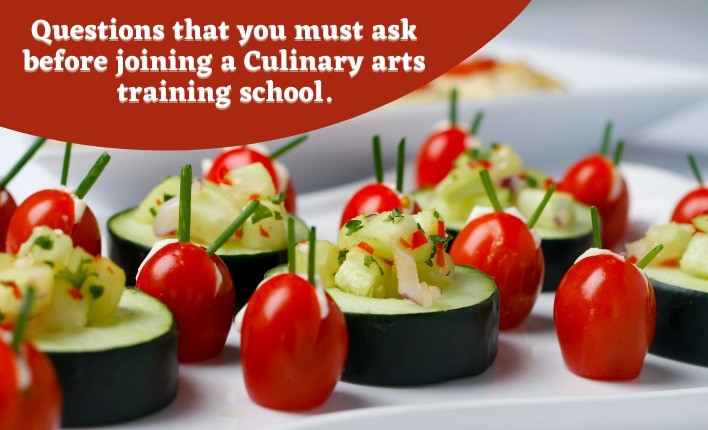
Questions that you must ask before joining a Culinary arts training school

There are several culinary schools around the world, and many of them can teach you how to effectively manage a kitchen as a chef or restaurant cook. However, not all of them will teach you in the same way, you will not acquire the same knowledge, you will not have the same life experience, and you will not encounter the same type of people. The first step is to be clear about what you want out of life and what is important to you throughout the time you will devote to becoming a chef. Most culinary roles, including those on cruise ships, require some level of academic education. While you can climb the ladder simply on your passion and willingness to learn on the job, it may be simpler to acquire a foothold in the mainstream sector if you have some qualifications or experience. Culinary arts as a career Working in the culinary arts business is the ultimate aim for those of us who have had a lifelong passion for food. Many young cooks aspire to be able to create wonderful dishes every day and experiment with flavour combinations while watching the delight on their clients’ faces. The hospitality and travel and tourist industries are among the world’s fastest expanding. While other industries are experiencing economic downturns, the food industry continues to thrive, providing a steady stream of dependable work prospects. You will never be out of work if you choose a profession in the culinary arts. Instead, you’ll be spoiled for choice in terms of selecting a career that fits your interests and lifestyle. Why Should I Join IBCA? At the IBCA New Delhi, Educating kids for future success in the workplace. We make every decision to help our students advance in their careers and personal lives. Our curriculum, training, and services indicate that we value our student chefs’ different backgrounds. IBCA New Delhi has formed strategic alliances with a number of world-class Original Equipment Manufacturers (OEMs), Suppliers, and Training Resource Providers in order to provide the highest quality Industry Standard training and expose chef’s students to the latest technology and international operation trends. IBCA is one of the most prestigious learning institutions in India’s capital, providing an excellent platform for the development of future professionals in the artistic field of Bakery and Culinary Arts. Chef Balendra Singh, the IBCA’s creator, has more than 20 years of experience in the field and has established this IBCA from the ground up to be a learning centre for top chefs and best bakers in the country who thrive with contemporary challenges to become chefs and bakers of the next generation. So, before enrolling in a culinary school, here are a few questions you should ask yourself and the institution. What is the cooking school’s industry reputation? This may not appear to be significant, but in today’s competitive environment, fly-by-night operators are more frequent than ever. The internet has made it significantly easier to construct appealing websites that can deceive naïve pupils. In order to cross-check their background, inquire about the reputation of several institutions. If possible, phone or visit the school before making your final decision. Should I study for a bachelor’s degree or a diploma? Both options are available at many culinary schools. A degree entails four years of intensive training, in-depth education, and instruction in specific skills and management, such as personnel and budget management, as well as learning how to cook. Choosing a diploma means taking a shorter course that is often focused on a certain area of cooking – pastry and baking, bartending, or basic entry-level training. You can search around for the proper institutions that offer what you’re looking for based on your preferences, time, and financial resources. Is the institute situated in a culinary hotspot? This may not seem like a big deal, but being in a culinary destination has its advantages. There will be more opportunities for internships, externships, and even after-school work if authorised. A culinary destination will also expose you to a wide range of cooking styles, cuisines, and food initiatives. Delhi, for example, is an excellent culinary learning destination for students and entrepreneurs. What exactly is IBCA stand for? Which university are they affiliated with? IBCA stands for Institute of Bakery and Culinary Arts, and its main learning centre is in the capital city of Delhi. We are one of the main leading institutes in India in Bakery and Culinary Arts, and we are affiliated with City & Guilds (London) at Level 3. What kind of certification does it have? Accreditation does not always imply that a culinary management institute is of high quality. Other aspects mentioned in this essay will be more significant. However, obtaining a qualification recognised by business leaders and government agencies can help you get work. The Institute of Bakery & Culinary Arts is India’s foremost institute for learning Bakery and Culinary Arts, with affiliation with City & Guilds (London) for course certification. How interesting is the curriculum? The Institute of Bakery & Culinary Arts in India ensures that its students are up to date on the latest culinary trends. Look for programmes that are always evolving and provide room for creativity. Our curriculum at IBCA blends the best of basic technical knowledge with the most up-to-date culinary skills and smart business thinking to provide students with the highest chance of success. What courses does it provide? One of the most important courses provided by IBCA. This course is linked with City & Guilds, London, for international accreditation, and it provides broad exposure to industry working norms. This course teaches all of the basic Bakery foundations, as well as respective traditional methods, ingredient preparation, various stages, and provides them with enough experience to obtain entry-level positions in top bakeries and restaurants anywhere in the world. How competent is the faculty? Good mentors make a tremendous difference in the field of culinary education. Faculty must be very knowledgeable in their field so that you can learn as
Culinary Institute

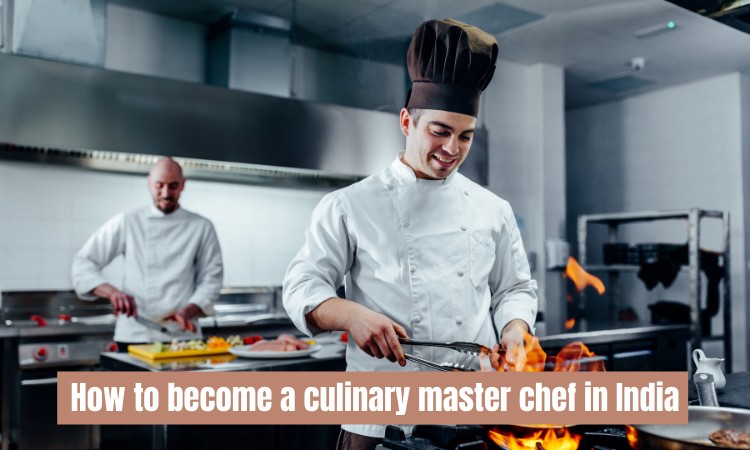
How to become a culinary master chef in India?

Culinary- Cooking might be the hobby of many individuals. It does not matter whether it is a male or a female, everyone loves cooking. The diffusion of different flavors and the combination of distinct spices can vary the taste in many means. However, doing it in a polished way is a challenge. It can only be possible for the master chefs. Even we can not say that it is every day’s cup of tea for them. The highest-ranking chefs also follow the guidelines precisely while cooking to give it a taste of perfection. Any bijou mistake can ruin their entire hard work. They are known as master chefs as they excelled in a master’s way. In India, we can see many chefs working in top-class restaurants. Many universities offer courses on culinary classes for shaping them as master chefs. Many times, a question arises as to whether culinary is a commending career in India or not. Let us emphasize it a little bit. Is Culinary a good career in India? Since India is a developing nation, we can see the development of IT industries, new start-ups, and many companies opened recently. Also, the investors from other countries want to invest in India as they can see their growth graph getting higher. The same goes for restaurants. From some of the best restaurants like Taj Hotel in Mumbai, Indian Accent in New Delhi, Wasabi by Morimoto, Mumbai, and many more, India is a place known as a tourist destination serving magnificent restaurant facilities. In all these, there is a requirement of the best chefs from India, who is not only good in cooking and food presentation skills, but the ones who hold a commendable grip in culinary art. Indeed, if you are amongst the best, or can brush up your skills and give an extraordinary performance, you will be considered from various such hotels and restaurants. What is the salary of Master culinary arts course graduates in India? There is a lot of questions arising regarding the salary of a culinary chef in India like “How much does a culinary chef make in India?”. The salary of a chef varies from 2.5 lakh per annum to 25 lakh per annum as per the experience level. Nonetheless, a trainee can expect to get a salary of 2,50,000 INR per annum. After becoming chefs, they can easily earn anywhere between 3,00,000 to 5,00,000 INR per annum. One who completes their master’s in culinary arts can expect a salary ranging from 5 lakh per annum to 25 lakhs per annum. It depends on their skills and several other factors relating to their personality traits. How to become a master chef in India? Mastering any skill is learning it from depth. So, we can twist the question and make it as “What does it take to become a professional chef?”. Being a professional in culinary arts requires a lot of expertise in various fields from basic cooking to presenting it the best way anyone can. Also, it needs one to brush up on their personality to shine like a master chef. In India, you can find a lot of management institutes willingly teaching you the course of culinary arts. Nevertheless, the fees are very high. If you need job assistance along with the best course materials, you can find IBCA (Institute of Bakery and Culinary Arts) as a leading name in culinary schools in India. They have many students who are now working in different top-class restaurants as IBCA provides them with the best course available. You can check their 18 Months Advance Professional Programmes Course in Culinary which is of level 3. They provide diploma courses in the field of culinary arts. Although, one can get an opportunity to learn a lot from the best trainers available there. You can check their website at 18 Months Advance Diploma Professional Programmes Course in Culinary (chefibpa.com) and refer to the program.  Along with it, they offer two weeks of extensive training on getting into the best restaurants for internships or full-time job opportunities. Here, you can be assured to get trained as a master chef and a job till the date your course completes.

Baking Institute

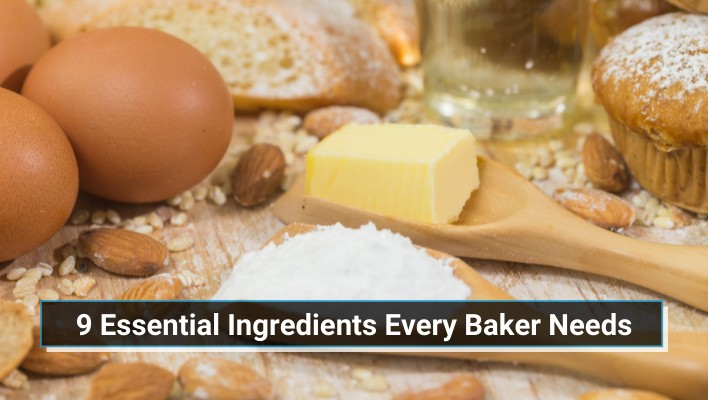
9 Essential Ingredients Every Baker Needs

Flour Most baking recipes call for flour, often known as all-purpose flour or maida in India. It’s sold in branded packets and by the kilo in Kirana stores and supermarkets. Skimming the bran and husk from wheat flour, eliminating the fibre content, and leaving a fine, smooth flour is how maida is made. Because maida is such an important component of any dish, it should be of excellent quality. Self-raising flour is sometimes confused with maida/all-purpose flour. Self-rising flour is made with raising agents like baking powder and a teaspoon of salt, whereas maida is just flour. Baking, as we all know, is a science, therefore sticking to the recipe to the letter is essential. Use all-purpose flour as instructed in your recipes. Leaveners Baking powder and baking soda are two essential ingredients in any baker’s cupboard. Yes, because they work in distinct ways, you should have both. A short version of a long story: Baking soda is used in recipes that contain an acidic ingredient (such as sour cream, buttermilk, vinegar, or citrus), whereas baking powder has its own acid. It’s also a good idea to keep some cream of tartar on hand. Add yeast to your shopping list if you want to bake bread. All of these can be kept on your pantry shelves at room temperature. Eggs are another important leavener. Eggs have a shorter shelf life than other foods, but they’re so versatile that they should be on your regular buying list nevertheless. Stick to large eggs for baking, and keep them refrigerated (of course!). Sugar When sugar is listed as an ingredient in a recipe, it refers to granulated sugar. This type of sugar is made from the juice of sugarcane or beets and has been stripped of its natural molasses. It can then be refined to look white. The tan color of raw sugar is retained. Powdered sugar, also known as confectioners’ sugar, is ground into ultra-fine particles and mixed with starch to prevent it from caking up in the package. Confectioners’ sugar is used in frostings and icings by bakers. Also, a light dusting of confectioners’ sugar makes everything look a little nicer. Brown sugar is refined sugar with the addition of molasses. The color and flavor of light, medium, and dark brown sugars are determined by the amount of molasses in the mix. Brown sugar can clump up and even form crystallized lumps due to its molasses content. This can be avoided by properly storing brown sugar. To measure brown sugar for a recipe, firmly crush it into a measuring cup or spoon until it’s completely compressed and level. Sugars at the next level Castor sugar, sometimes known as superfine sugar, is granulated sugar that has been ground into tiny crystals that dissolve quickly. Some bakers like to use it to produce meringues and sweetened whipped cream because of this. It can be used in place of conventional granulated sugar at a 1:1 ratio. Sanding sugar, also known as decorative or coarse sugar, is simply larger granulated sugar crystals used to add a crystalline finish to baked goods. Every color of the rainbow is available in decorating sugar. Collect all of them! Date sugar, coconut sugar, maple sugar, honey, molasses, maple syrup, cane syrup, and agave syrup are some more natural sugars and sweeteners to keep on hand. Salt In ordinary baking, you’ll use granulated table salt. Because plain baked items can often have an unpleasant flavor, some bakers choose to use table salt that hasn’t been iodized. When measuring salt for a recipe, use table salt. salt of a higher level Sea salt is made from evaporated seawater and has a gritty or flaky texture depending on where it comes from. To offer your taste receptors more than one reason to adore what’s going on in your mouth, crunchy, flaky sea salt is frequently sprinkled over sweet baked items. Flaky sea salt should be used as a finishing salt rather than a measurement salt. Dairy Many wonderful baked items call for sour cream, yoghurt, or buttermilk, but plain old milk—2% or higher—is the must-have dairy for baking (whole milk is preferable). You can replace a lot of other dairy components with milk as a foundation. For example, instead of a cup of buttermilk, prepare soured milk by combining 1 tablespoon vinegar or lemon juice with 1 cup whole milk, then allowing it to thicken for 5 minutes. Cream cheese isn’t a must-have, but it’s worth stocking up on because it’s beneficial in a variety of dishes, doesn’t have a convenient substitute, and has a long shelf life. It’s also a good idea to have a can of evaporated milk on hand; it can be used in place of heavy cream in most recipes (but it can’t be whipped!). Fats: Oil and Shortening Fats that are essential Vegetable oil with a neutral flavor that can be used in recipes as well as to grease baking pans. a stick of butter  Fats of the next level Shortening is a solid vegetable fat that some cooks use to make tender baked goods like pie crusts, either as a replacement for butter or in combination with butter. Because shortening has a greater melting point than butter, shortening cookies hold their shape better. Extracts and Flavorings Extracts and flavorings in their purest form Pure vanilla extract imparts a warm, spice aroma and flavor to baked goods. It comes in liquid and pastes forms, and a little goes a long way. Don’t buy the imitation vanilla because it won’t make a difference in your baking. Learn more about pure vanilla extract and why getting the real thing is worth it. Extracts and flavorings for the next level There’s a whole world of pure extracts and flavorings to discover: almond extract, lemon extract, mint extract, rum flavoring, brandy flavoring…the point is, there’s an entire world of pure extracts and flavorings to discover. However, don’t run out and buy them all at once. Simply add to your collection

Bakery and Pastry Classes, Baking Institute

9 Baking Tips by Experts for Home Bakers

Baking is a combination of science and creativity, it’s not all about just following a recipe. It’s about mastering the technique and paying attention to details in order to achieve a perfect result. It’s very important to have a solid understanding of your ingredients, tools, and techniques. This expert’s guide from the top baking classes in Delhi provides you with the expert insight and practical tips. 9 Proven Baking Tips from Experts to Avoid Common Mistakes Here are the expert baking tips to help you avoid common mistakes and achieve perfect results every time. 1. Recipe – Read and Repeat It is preferable to read a map before laying the foundation for a house. It is not always sufficient to just read a recipe before preparing a dish. It takes a lot of repetitions to do it right. Misconceptions can occasionally spoil a perfectly prepared dessert in the blink of an eye. You don’t want to be Rachel and put beef in the trifle. If you are unfamiliar with your dessert, it is safe to look for the pages. It’s best if you read it from beginning to end. Going over the ingredients first is the best method to read a recipe. Make sure you have all of them on hand. After that, follow the steps. Fun fact: In any recipe, the ingredients are always placed in the correct sequence. As a result, follow the rules. The ingredients are listed in order to assist us in determining the sequence in which they should be added. 2. Know your Tools The next step is to gather the necessary components and tools. In the event that an ingredient is unavailable, make sure you utilize appropriate supplements. Make sure the ingredients are prepared and the utensils are clean. On any of the tools, there should be no dirt or, even worse, wetness. It’s important to remember that it only takes a little to damage something. It’s impossible to be too cautious. Use dry measuring cups for sugar, salt, and other dry substances, and liquid measuring cups for liquids like water, milk, and other liquids. This provides you a good idea of how much was used. Another simple but effective strategy is to keep a dish beside you and empty the contents into it. In a hurry, a bowl beside you can be a relief instead of walking back and forth to the trash can. It can help you save time and effort. 3. Room Temperature If the recipe specifies that the components be kept at room temperature, do so. If items such as butter are requested at room temperature, double-check their legitimacy. It is not a good idea to use frozen butter instead. Eggs, milk, butter, and other dairy products should be kept at room temperature for a reason. They trap air at room temperature, which causes the component to expand in the oven, making it fluffy and soft. If the ingredients aren’t at room temperature or are frozen, it won’t work. There are backups in case you neglect to remove the items in the requested criteria. If you neglected to take out the melted butter and are asked for it, grate it. It will quickly melt. Put eggs in a bowl of hot water if you forget to take them out of the refrigerator. However, only use these shortcuts if you neglect to follow the recipe’s instructions. Some recipes call for frozen components as well, so check the directions carefully and adhere to the circumstances. 4. Learn the Differences Sugars and flours come in a variety of forms. You must understand the distinctions and how to apply them correctly. When it comes to sugar, there are many different types that are used in cooking and baking. For example, powdered sugar dissolves rapidly in liquid, making it great for frosting, and desert pearl sugar does not melt in the heat. There is also a large selection of flours available. They are utilized for a number of functions and have varying degrees of importance in various recipes. In the same way, as there are different baking flours available on the market for different purposes, there are different baking flours accessible in the market for different purposes. For specific foods, it’s critical to utilize the correct baking flour. Baking can be done with all-purpose flour, whole wheat flour, gluten-free flour, or bread flour. Cake and pastry flours are also available. Cake flour has the least amount of proteins, according to studies. It is tender as a result of this feature, making it suitable for baking cakes and muffins. To achieve the greatest results, make sure you’re using the proper flour. Also Read: Baking Blunders: 12 Common Mistakes to Avoid 5. Prepare the Pans Follow the recipe’s instructions to the letter. If it says to use oil to grease the pan, do so. Use the recommended amount of oil to coat the pan. If you’re going to use parchment paper, be sure you prepare it properly. On a wide piece of parchment paper, trace the bottoms of the cake pans. Then, using butter or nonstick spray, lightly grease the cake pans. I normally use a coconut oil nonstick spray that contains a small amount of flour. Place the parchment round inside, and then grease it as well. Cleaning out with parchment paper might also be beneficial. Cleaning the pan with parchment paper is easier than scraping a scorched pan in the sink. 6. Mix well Some recipes call for mixing the ingredients one by one, some for folding them in, and yet others for mixing them all together. So, it’s best to be safe than sorry, and don’t try to mix all of the components at once. The outcome will be unfavourable. Slowly and carefully add the ingredients as directed in the recipe. The components should not be undermixed or overmixed. Over-mixing batter, whether for cakes, cupcakes, bread, Since all the air has been deflated and the gluten has been over-developed, muffins or other baked

Bakery and Pastry Classes, Bakery Institute

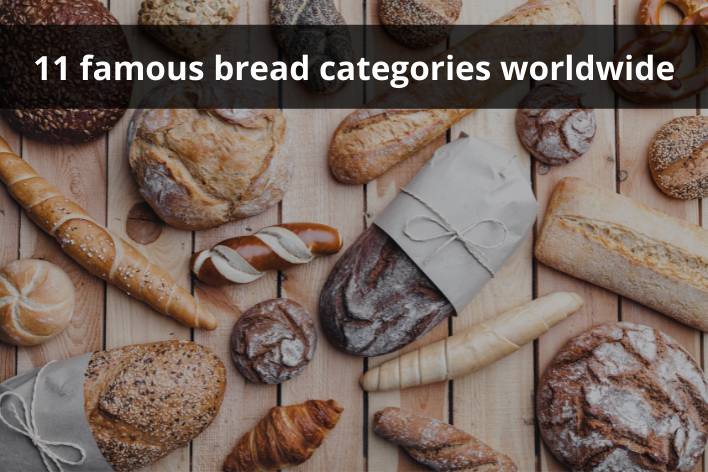
11 famous bread categories worldwide

Surprisingly, it is the worldwide baking market that is benefiting from society’s increased emphasis on healthy living. The millennial generation is a key demographic, and their growing disposable wealth is fueling a resurgent and diverse sector. To be a leader in establishing IBCA as India’s premier learning centre for Bakery and Culinary Arts. Providing the best teaching standards for future students and taking the initiative to incorporate more creativity into their learning curve. Low-carb diets may attempt to eliminate bread, yet it remains “the staff of life” for the vast majority of us. Yes, it’s carbohydrate-laden, but there’s a reason why bread has been a mainstay of the human diet since the Neolithic period, some 10,000 years ago. It’s delectable. It’s also budget-friendly and filling. Because different types of bread have been loved by so many people for so long, it’s not surprising that a slew of superstitions have sprung up around them, such as the legend that whoever eats the last slice must kiss the cook, or the old wives’ tale that eating the crusts will cause your hair to curl. The development of the baking and food industries has always necessitated the acquisition of new skills and the creation of new work possibilities. We’ve tailored our programmes to fit the city and guilds curricula, and we recommend that you partner with us to meet your personnel requirements. When we think of bread, we think of how substantial it is in terms of nutrition. Bread is not only an accompaniment but also a vital binding factor in most countries, including India. But this wheat and water mixture represents so much more than just being the most vital ingredient of a meal. The science behind the taste and texture of bread, like any other meal, has evolved over time through a lot of trial and error. After all those years of hard work and research, the entire world now has bread that is native to their respective countries, states, or cities. India is currently developing in tandem with the progress and upgrading of educational facilities. India’s educational and management services are well-received around the world. India’s citizens are reaping the greatest benefits from this opportunity. Obtaining and acquiring as much knowledge as possible in order to make successful careers for themselves. Cooking and baking passions are encouraged and cultivated in a variety of settings. Bakery Institute in India is one of the top institutes, offering a variety of professional bakery courses. 1. Baguette de France, France The French baguette is a long, thin loaf of bread with a crusty flavour. Wheat, yeast, water, and salt are used to make the bread. The name “baguette” is derived from the Italian word “bacchetta,” and steam ovens were first used to bake French bread in 1920. With a baguette, the bread is ideal for appetisers and meals. The crusty section of the finest is excellent for stews and soup. A baguette is also used to make delicious sandwiches and is often available on Parisian streets with a baguette and jam. Bread’s Origins: The bread is well-known for its origins in France. The traditional gastronomy of France is well-known. 2. Middle Eastern Pita Bread Pita bread is a light and airy flatbread made with flour, water, yeast, and salt. The bread is baked in a hot oven until it puffs up, flattens, and cools. The bread also aids in the reduction of cholesterol and the regulation of blood pressure. As a result, it is widely utilized on a daily basis in all Arabic countries as compared to other breads. Meats, falafel, shawarma, and salads can all be served with the bread.Bread’s Origins: Pita bread is a Middle Eastern bread with a long history. The bread is thought to be particularly nutritious. Many Middle Eastern immigrants arrived in America in the early 1990s, bringing with them Pita bread and spicy dishes. It is now quite popular and widely consumed all over the world. 3. Mexico’s Tortilla Corn tortillas, often known as Tortillas, are manufactured from maize flour. It’s a flat, thin bread. Tortilla is such a flexible bread that it is a must-have in any Mexican cuisine. It’s used in a variety of tacos. White, yellow, blue, or red corns are used to make them. Tortilla flour is widely utilised and is rapidly rising in the flour business. In the United States alone, there are around 450 tortilla manufacturers. Bread’s Origins: The bread’s origins are in North America. In Mexico, the Tortilla reigns supreme in almost all cuisines. In a single day, a typical Mexican family of four can consume up to 2 pounds of Tortilla. In 2015, tortillas were famous all around the world. Bread is consumed all across the world and is continuously increasing in popularity. The 24th of February is National Tortilla Day around the world. 4. Ethopian injera Teff flour is used to make injera bread, which is named after the Amharic term “yatafa,” which means “lost” in English. It’s a flat bread with a soft texture that’s great for strews and sauces. Teff is a sour-tasting grain that is both ancient and healthful. For a spongy and acidic taste, the flour is combined with water and fermented for many days. The dish is served on top of Injera, which also serves as a tablecloth. It’s used to hold food in place. The Bread’s Origin: Injera is the bread’s origin. Ethiopia, Eritrea, and Somalia were among the first users of the bread. Ethiopian cuisine consists primarily on a wide variety of vegetables and spicy meats served with Injera bread. 5. Poland’s Bagel The bread is created by hand since it must have a round shape with a round hole in the centre. Wheat dough is used to make the bagel bread. The flour is baked after it has been combined with water. Bagels are popular all around the world, and they’re delicious with cream and cheese or just plain coffee or tea. Bagels are the only type of bread that

cheesecake and egg substitutes what works best
Bakery and Pastry Classes, Bakery Institute

Cheesecake & Egg Substitutes: What Works Best?

A sweet and creamy cheesecake is what dreams are made of, but for amateur bakers, this classic baked delicacy might be intimidating. It’s no surprise that we usually leave the cheesecake to the professionals because there are so many things that might go wrong (cracked top! slumped-in crust! crumbly texture!). One common challenge is finding the right egg substitutes for those who prefer eggless baking. But, after perfecting the Institute of Bakery & Culinary Arts recipe, well-known pastry Chef BALENDRA SINGH knows a thing or two about cheesecake perfection. If you’re passionate about baking, you can refine your skills with baking courses in Delhi at IBCA and learn the secrets to making flawless desserts. Hello, Bakers! “What can I use as egg alternatives for baking?” is by far the most popular question I get. Lately, I’ve been getting this question daily, which has made me wonder if I’m catering to this audience sufficiently. I aim to make my baking and recipes accessible to everyone, but there has been such a demand for vegetarian baking, egg substitutes, and egg-free recipes that I want to provide you with the tools and information you need to bake happily without eggs while still getting Big & Bold results. Why Eggs Are Important in Cheesecake Cheesecakes include eggs for a variety of reasons, the most essential being their role in providing structure to the custard and holding everything together. Flour, sugar, vanilla, lemon peel, and cream cheese are all used in the basic recipe. When you add an egg to the mixture, it helps in smoothing and fluffing it. Eggs are used in cheesecake because they have thickening properties and hold the entire cheesy mixture together. Egg proteins thicken as they unwind and link together in their uncooked state. When eggs cook, this process completes. The egg yolk’s emulsifiers, lipoproteins, and lecithin contribute to the cheesecake’s creamy, silky texture. Almost every cheesecake recipe calls for either gelatin or beaten eggs, which are used as setting or thickening agents. Without eggs in the preparation, the cake will not set properly, leaving you with cream cheese pudding. As delicious as cream cheese pudding sounds, it is more like buttercream—only suitable if kept very cold, as it becomes quite hard. In a nutshell, eggs are required to make the Cheesecake: No-bake cheesecakes are made with the cream cheese ‘pudding’ described above, which is chilled for several hours before being placed on a cookie base. Steps to Replace Eggs in Cheesecake Recipes Does Cheesecake Always Have Eggs? Baked cheesecake does, in fact, include eggs. If you look at conventional cheesecake recipes, you’ll notice that it involves eggs. However, yogurt can be used in its stead. Ricotta and cream cheese were used in traditional cheesecakes. The custard becomes silkier when eggs, particularly the yolk, are added. As a result, the cheesecake turns creamy and delectable. When a recipe doesn’t call for an egg, it means you don’t have to bake it. The majority of cheesecake recipes include eggs. No-egg cheesecakes are also known as no-bake cheesecakes, and they’re a unique but tasty treat on their own. Can I Use Egg Powder Instead Of Eggs? Powdered eggs are useful for a variety of baked goods, including nut loaf of bread, handmade cakes, biscuits, and more. You can use egg powder in place of regular eggs in any recipe that asks for eggs. Use one rounded 1/2 tbsp egg replacer powder and 2 tbsp (1/8 cup) water to replace one egg (filtered water preferred). If your recipe calls for stiff egg whites, whisk together the egg replacer powder and water until stiff (this won’t work for recipes that rely significantly on egg whites, such as meringues). Can You Substitute Yogurt For Eggs In Cheesecake? If you look at conventional cheesecake recipes, you’ll notice that it involves eggs. However, yogurt can be used in its stead. Ricotta and cream cheese were used in traditional cheesecakes. The custard becomes silkier when eggs, particularly the yolk, are added. Many people enjoy using yogurt as an egg substitute in my eggless sponge cakes. Yogurt not only enhances the flavor of our recipes, but the natural fats in it also make them fluffier and richer. One egg can be replaced with 14 cups of yogurt. When using this simple egg substitute, bear in mind to use thick yogurt. If you make your own yogurt, there’s a risk it’ll be loose. If that’s the case, straining the yogurt and separating the surplus liquid is a good idea. You can use it as-is if your homemade yogurt just has a small amount of water in it. There’s no reason to stretch it now. Are There Any Eggs In A Cheesecake Recipe? Baked cheesecake does, in fact, include eggs. If you look at conventional cheesecake recipes, you’ll notice that it involves eggs. However, yogurt can be used in its stead. Ricotta and cream cheese were used in traditional cheesecakes. What To Do If You Don’t Have Enough Eggs In The Cake Mix? Various homemade egg substitutes are worth testing; here are a few that the IBCA claims will replace one egg in recipes where the egg’s primary function is to bind ingredients together (for example in drop cookies). What Can You Use To Replace An Egg In A Recipe? In most recipes, 1 teaspoon (7 grams) baking soda combined with 1 tablespoon (15 grams) vinegar can be used to substitute one egg. The most popular vinegar is apple cider vinegar and white distilled vinegar. When vinegar and baking soda are combined, a chemical reaction occurs, resulting in carbon dioxide and water, which makes baked goods light and airy. If you look at conventional cheesecake recipes, you’ll notice that it involves eggs. However, yogurt can be used in its stead. Ricotta and cream cheese were used in traditional cheesecakes. The custard becomes silkier when eggs, particularly the yolk, are added. Baked cheesecake does, in fact, include eggs. If you look at conventional cheesecake recipes, you’ll notice that it involves eggs.

Culinary Institute

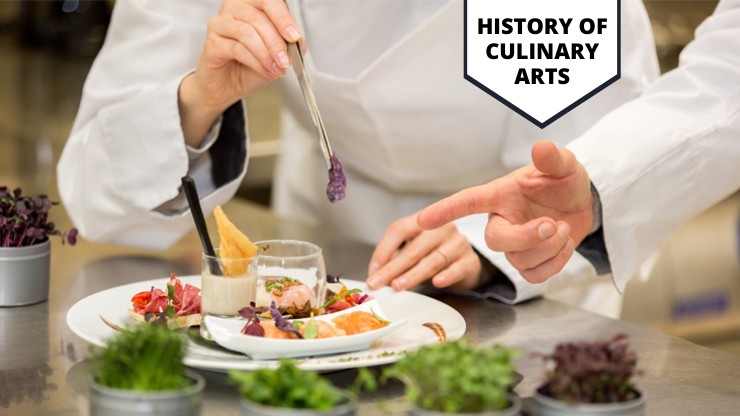
HISTORY OF CULINARY ARTS

The very word ‘culinary’ means “related to cooking”. Cooking is basically the art and science of preparing food for eating by the application of steam and heat. This kind of arts takes it all which are food preparation, sometimes table manners too, cooking, and even food presentation which are generally in the form of meals. The people preparing food professionally are called cooks or chefs, and formally culinarian or culinary artists. These learned professionals normally have to make the food delicious keeping in mind about the nutritional values along with it being really appetizing to look at which is definitely a herculean job. Professionals in this field mainly aim for reputed hotels and restaurants, then comes hospitals or airlines and many more places to work. We all know about how uncouth and savage the early men were initially to eat raw meat of the animals they hunted. However, with the advent of fire, they started roasted those meat and started enjoying a better version of their food and that was the start of the evolution of human food. This fact was actually proved by the famous anthropologist Richard Wrangham, who is also the author of Catching Fire: How Cooking Made Us Human . He supported it by saying once primitive humans just simply tossed a chunk of meat into the flames and watched it sizzle and found it more appetizing and easy to digest than just raw meat. With slow advancements of earthenware, stoneware and good agriculture and raising of livestock the culinary got development. Such roasting of food continued until the Paleolithic period, when the Aurignacian folks hailing from southern France started to steam foods over hot embers by wrapping them in wet leaves. Along with procedures like toasting and turning wild grains upon flat rocks, shells and skulls. They used hollowed stones for heating liquids. The Neolithic Age also saw the same trend of cooking. Also the introduction of peasants, kings, castes, cultures, regions the food consumed got differed which gave rise to a great variety of dishes and cuisines. Also several improvisations, fusions and experimentations gave rise to more than thousands of cuisines worldwide. Even before Christ the nation of China predated the recorded history in the cultivation of soybeans. Soybean was even a member on the list of five sacred grains of China. There has been quite a lot studying of culinary arts in Europe mainly organized by Jean Anthelme Brillat-Savarin who famously once said, “Tell me what you eat, and I will tell you what you are”, this statement clearly portrays how food over the ages got fragmented and renewed with the taste and preferences of mankind. In Asia, there has been very oriental cuisines that the natives cherished for ages, however with the merge of the Eastern and Western ideas and also food, the industry has been increasing with the gradually heightening of globalization. Culinary students now, are open to a lot more variety and options to study and create. When the Asians were enjoying their original food, in the Western world study of culinary evolved greatly during the Renaissance period. Even before that kings and monarchs used to hire great cooks from a lot of places and the unique dishes they used to prepare used to become special dishes to impress both the kings’ hearts and the guests they attained. With times those royal dishes gained popularity among the common masses as king’s favourite dish or queen’s birthday dish. With the advent of earthen wares and stone wares, the food cooking techniques of boiling, stewing, braising and also pan techniques like pickling, frying and also oven baking also started. These cooks learnt the art of preserving and storing dairy products and fish products by smoking, salting, air-drying and also by chilling. Dishes like Bacalao a la vizcaina and finnan haddie which were predominantly dried cod and smoked haddock became quite popular. These well acclaimed cooks of those times used to write culinary books to note the recipes they improved or recreated newly so that people can follow in the future and remember them and their artistry. Many of them could not have been rescued. However, we feel great and pleasure and pride on the recipes of the books that could have been rescued and are legitimate enough even till this day. Some of those books are:- YALE CULINARY TABLETS – Three clay tablets dating back to 1700 are assumed to be the oldest cook books found till this day. Researchers believe that those recipes are somewhat equivalent to haute cuisine, which are fit for royalty. The experts could decipher just 25 recipes for stew. The difficulty occurred due to the language being in cuneiform. Eatables like bread, both plain and savoury and elaborate sweet cakes too. DE RE COQUINARIA (THE ART OF COOKING) – Also known as Apicius, this cook book has been made as early as the late fourth century and has 10 sections within it. The recipes written there well portray how were the eating habits of the wealthiest strata during that time. KITAB-AL-TABIH – This book was written by Ibn Sayyar al-Warraq in the early 10th century and present a spectacular view into the medieval Islam gourmet culture. The3 book has an enormous collection of more than 600 recipes within 132 chapters. Its pages give a real insight into the lives of that time. L LIBRE DE SENT SOVI – This is a Catalonian book which was writer in 1324 and is the oldest surviving manuscript of its kind. Its author is anonymous and come up with 220 recipes. These days people can buy an English version of the book too, which was first published in 2008. YINSHAN ZHENGYAO – Written during the Yuan Dynasty of China by the court therapist and dietician Hu Sihui during 1330, is not only a cook book but is also a medicine book. The book aimed at making people eat healthy to keep them away from the diseases at the bay. Some of

Culinary Institute

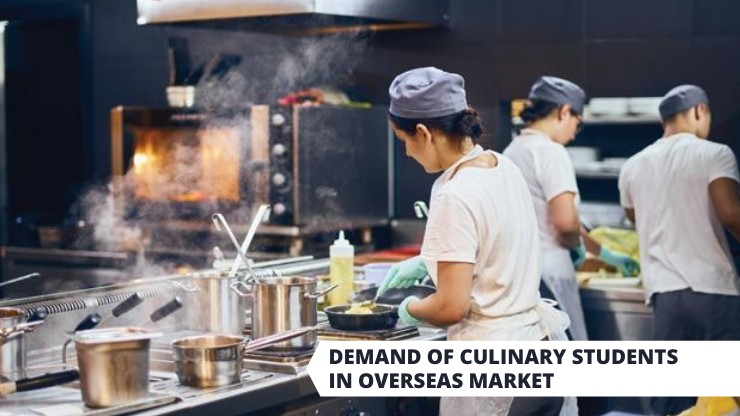
DEMAND OF CULINARY STUDENTS IN OVERSEAS MARKET

All the culinary students have this question that always bothers them inside their heads. Most of them generally are quite confident about their placements abroad, however, which country has the most demand for young professionals from all over the world is a real question to think about. The very first thing that would matter will be making great food. This is the secret after all which can earn you your deserving passport for a job outside the country. Different nations always welcome chefs from other countries who are well versed in their own country’s authentic dish. Due to the globalization and liberalization of modern society, people enjoy different kinds of cuisine options under one roof. For example, British chefs were always made welcome in the far-flung corners of the Empire, while the first Indian restaurant opened in London 200 years ago and the first Chinese in 1907. The superpower of taking flavors of a part of the world and enriching the other part is pretty dope. India has always been justly proud of its cuisines. This makes the traditional Indian cuisines not only loved in India but it is in great demand all around the world. The market of chefs in India has been rising a lot nowadays. Many culinary schools help students become well-polished professionals and let them spread their wings in making delicious foods all over the world. Being the capital of India, there are many Culinary Courses in Delhi. The students get to acquire Diploma in Culinary Arts like 18 months Advance Professional Programmes Course in Culinary (LEVEL 1), 12 months Diploma Professional Culinary Programme Course (LEVEL 2), 12 months Certification Course in Culinary (LEVEL 1), 3 months Certificate in Home Professional Cooking in Culinary and many more. Eminent restaurants and hotels hire chefs from India as well as different nations to cater to the gourmet class of the country as well as abroad too. The profession of a chef is quite flexible. You may have to move to different countries every month and work for over 9 to 10 hours per day. If you are a novice in the profession, you can choose to serve on a cruise ship, maybe making breakfast in the Bahamas, lunch in Miami, or evening meals somewhere on the coast of Cuba. You need to work hard but it can be quite interesting. It is always a good decision to serve in cruise and merchant navy ships to start with. These ships provide you with an opportunity to learn your trade well as well as the art of preparing food perfectly but with much less time, more than any restaurants or hotels out there. It can be quite a hassle finding the perfect hotel or restaurant with good pay. Considering it as your first job, start with the low-hanging opportunities like British-owned businesses in resorts that are popular with British tourists. Working there will increase your engagement with the locals and experience abroad then you can opt for some other place with a better opportunity than you truly deserve. Current statistics show that Australia has a major demand with 2700 chefs and secures 22nd place in the list of the nations demanding chefs from all over the world. In New Zealand too there is a good market for the profession however it comes with many requirements. Canada has a good market too. America has been at the forefront of modern catering at different levels. Your aim in those parts of the world should be to become a professional chef permanently by buying or creating a business employing local people. Thus, moving outside the country can be a major cultural shock with different climates, cuisines, and people of different preferences to deal with. However, if you can deal with these conditions to cope up with the new workload and working atmosphere of this rising industry, you can shine with flying colors in the future and acquire your dream life. As a premium Bakery and Culinary Institute, we at IBCA, help you to acquire all the necessary knowledge for building your career. Not only does our institute comprise an expert team of instructors but also we are equipped with the latest infrastructure and technology. with an international curriculum, we provide extensive practical training to our students. Here, the students get to learn in a disciplined environment that enables them to excel in the competitive era.

Baking Institute

Challenges Faced While Baking a Cake

A cake is something that we all love. Cakes even stay as a friend in need with us during our good times like a birthday or marriage or even in bad times like heartbreaks or mood swings. Baking cakes can be a real treat as well as a very easy task if one knows the method well. Also, with the advent of new technology making cakes have become anyone’s forte. Moreover, you can always enroll in one of the top bakery schools in India to learn the nitty-gritty of baking a perfect cake and please your near and dear ones. However, there can be a few common mistakes, that can ruin one’s mood of baking or eating the cake: TOO DENSE: If a cake comes out very dense from the oven that means it simply did not get enough air in the batter. Now, you need to find out ways to get the air back into the batter to make it less dense. Here can be a few solutions that might help. Firstly, you need to beat the batter as long as it makes the mixture nice and fluffy with good consistency. Secondly, if you use oil instead of butter, make sure to mix the batter well and let air bubbles form well. Thirdly, another reason of dense cake can be bad leavener. If your baking powder or baking soda is really old and expired, it can cause problems. Fourthly, the usage of too much flour can make the cake dense. Use gluten-free flour instead of all-purpose flour as heavy gluten can weigh the cake down. And lastly, preheating the oven for at least 20 minutes before pouring the cake batter in will make the cake nice and fluffy, as preheating the oven a little helps the baking soda and baking powder to work well. CAKE OVERFLOWS: How much batter to exactly pour is a real confusion to many. Pouring a huge quantity can lead to a cake explosion as the cake fluffs up when it is baked. A great hack will be to fill the cake pan halfway to two-thirds of the way up the sides of the pan to get the perfect cake. A SUNKEN CAKE: Your cake may look picture perfect through the oven, however, your smile might completely fade away while taking the cake out of the oven and cooled as the cake might entirely collapse by sinking from inside. This is actually because even if the cake might look done from outside, the insides might have remained uncooked still. The best solution to this problem would be using a knife or toothpick but putting it through the middle of the cake. If the object comes out clean, that means the cake is well cooked. Cakes might also sink because the oven might not have attained a proper temperature before baking. Another hazard might be opening and closing the oven door too frequently to check whether the cake is done well. Such a deed can make the temperature go up and down too fast for it to cook well all over. Also, a good fluffy cake might not happen if the ingredients are not in the right amounts. If you are short of an egg or proper flour, the cake might not be held firm enough to hold. STUCK TO THE PAN:  Even if the cake is baked fine it might be a great hustle for you to take the cake out of the tray to eat. There can be several instances when the cake might get stuck completely, to the edges and the bottom. However, if you grease the baking tray well with oil as well as flour properly, the cake will come out perfectly without anything getting attached to the tray. Another good method will be placing parchment paper in a circle at the bottom of the cake pan that will separate the cake and the tray even after baking. Now if you are wondering how to take out the cake well even if somehow you could not follow the steps before, just place the stuck cake bake in the oven for about one minute. This will make the cake come out easily due to the heat, which will separate the two. CRUSTY EDGES: The cake of your dream might become a nightmare if it gets crusty edges. These edges can be very crunchy and burned. This might be caused due to oiling the pan too much. Too much pan spray or over-greasing the pan is the main cause of the edges getting fried. CAKE BATTER IS TOO STIFF: If it appears to you that mixing the batter is a herculean task as if it feels like mixing cement, the reason actually might be adding too much flour. The stiffness and sticky batter is basically due to excessive adding of gluten through the flour getting mixed. On top of that, if the batter is over-mixed, gluten will get developed more and more. Thus, measure the flour correctly and stir the batter smoothly. FRUIT FALLING TO THE BOTTOM: If you are aiming to bake a delicious fruit cake you might come across this problem of the fruits falling to the bottom of the cake. Mixing fresh fruits with the old cake batter causes this hazard. Also, the batter should have the perfect amount of flour to be sturdy enough to hold the fruits as the fruits tend to be heavy and sink to the bottom. If the batter is too light and fluffy as you make while preparing a chiffon cake, it will not be able to hold the fruits. Another way of equal distribution of fruits all over the inside of the cake would be chopping the fruits into small pieces as it will make the fruits sink down especially in the case of large, moist, and heavy fruits like strawberries, berries, grapes, and many more. For the best help, do enroll in a bakery institute in India. CAKE SIDES CAVING IN: If

Bakery Institute

Ultimate Guide to Start a Bakery Business & Run It Profitably

Do you want to start a bakery business in India? Then you must read this article as we are going to discuss many things about bakery business that can help you start a bakery business in India and run it profitably. So let’s discuss in detail how you can start a bakery business. Food businesses are one of the most profitable kinds of businesses. Baked products such as cakes, cookies, etc have a good demand among the people due to their deliciousness. The importance of bakery products such as cakes has grown to the extent that they have become an integral part of the celebration of almost every kind. So starting a bakery business is a good idea. If you are a skilled baker you can start your own bakery business anytime with a good investment. But to run it profitably you must create your own bakery business plan. Just as every business you need to have a proper marketing strategy in place so that your bakery makes Choosing the Type of Bakery Business: Before you think of a marketing strategy you need to choose the type of bakery you want to start whether a wholesale bakery business or a retail bakery business. Wholesale Bakery Business requires you to have a lot of investment as you need to invest a lot in various kinds of bulk baking equipment and staff. Moreover, you need to have a lot of experience in baking because you need to co-ordinate many bakers. Starting a retail bakery business is easy as you would need low capital to invest and not much experience needed as in the case of the wholesale bakery business. So the following are some of the kinds of retail bakeries you can start. 1. Home Bakeries: This is the best way to get started with the bakery business especially when you want to test the profitability in a particular location. You can test what bakery products have good sales among the people living in that area so that you can estimate your profits. Moreover, you don’t need to have much investment. So this could be a possible option to test and then convert this into a big business by investing in equipment etc based on the demand for the bakery products in that area. 2. Specialty Bakeries: Specialty Bakeries don’t offer many kinds of baked goods to their customers. They usually accept orders only on specific baked goods for a period of time and deliver them to their customers. For example, cakes are made in many bakeries that offer other baked items as well. But in the case of specialty bakeries, they usually make only wedding cakes or personalized cakes which make them unique as they are specialized for such cakes. Moreover, the baked products offered by the specialty bakeries are much better compared to the ones ordered from normal bakeries both in taste and design. So people prefer to order from this kind of bakeries rather than the regular ones even though it may cost them a higher price. Not just cakes but also specialize bakeries can offer special pastries, cookies, etc as well. 3. Bakery Cafe: Starting a bakery cafe requires having a good amount of space to have dining tables and chairs. Generally, these offer various beverages like tea or coffee and soft drinks along with baked products such as cakes, cookies, etc in their menu. These can generate much revenue because of the fact that you can upsell many things as people can peacefully sit and eat. The only constraint with the bakery cafe is to find a perfect location with a good amount of space that can attract many people to come inside the bakery cafe. 4. Online Bakeries: Online Bakeries have become a trending type of bakery business. You just need to start a website with the images of all the products that you offer along with a payment gateway integrated into the website to collect the payments online. Later you just need to bake the product and deliver it to the customer. This way you can reduce your costs on paying huge rents for space in a good location and have your kitchen at any place where the rent is minimum. Now you just need to choose the kind of bakery business that would suit you based on your skillset, money you can invest, etc. Once you are done with selecting the type of bakery you need to create a bakery business plan by taking various factors into consideration before you start your bakery business. Bakery Business Plan in India: To make a business plan for your bakery business, you must check and decide about various factors that can help you run the bakery business successfully. Let’s discuss some of the factors that you need to consider while making a plan. Factors to Consider: 1. Location: You need to select the space smartly for the bakery business to run it successfully. Check if there are any competitors nearby and see the number of people buying from them. You also need to figure out whether the market is too saturated with many bakery businesses or a particular competitor is so strong attracting the entire people there. Choosing the right location can definitely increase your revenue and profits so that you can get back the initial investment made to start the bakery. Especially if you are planning to start a bakery cafe then you must check whether you can get enough space for having the dining area for your customers apart from the space required for your baking. 2. Equipment Needed to Start a Bakery: Every bakery needs to have good technology equipment so that you can bake the products faster and serve them to your customers easily. Moreover, the equipment required will depend on the type of products that you going to sell in your bakery as baking different products require you to use different baking tools. You need to select all such equipment required

Scroll to Top
Call Now Button