


Pastry Chef

Pastry Chef

How to Become a Professional Chef in India?

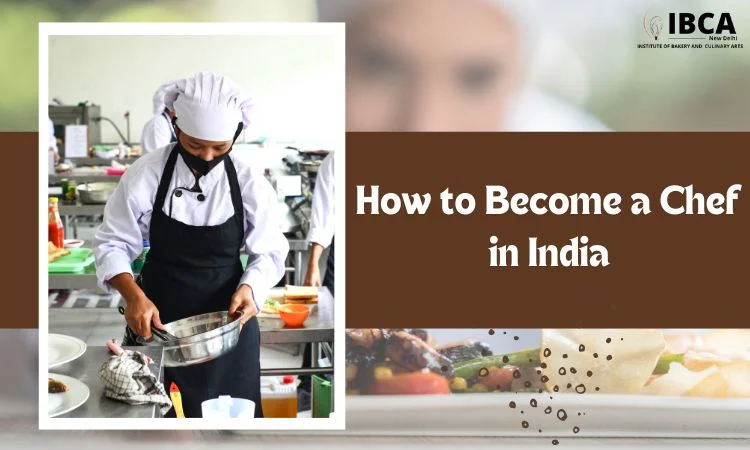
The culinary industry in India is booming, it offers endless opportunities for those who are passionate about food. The demand for skilled chefs is higher than ever as the hotels, restaurants, cloud kitchens as well as international food chains are seeing rapid growth. When it comes to the Indian food service market, it is expected to reach ₹10-12 lakh crore by 2025. Thus, it makes it one of the fastest-growing industries.  Being a chef in India isn’t just about cooking, but it is also about mastering techniques and being conscious of flavors as well as leading kitchen operations. No matter, if you want to work in a luxury hotel, start your own restaurant, or even specialize in global cuisines, the perfect education and training are a gateway to success. In this blog, we’ve covered topics like what a chef does, different types of chefs, and the best education for aspiring chefs, how you can take admission in the 12 Months Culinary Certificate Program, and much more. What Does a Chef Do? Did you ever wonder what a chef does beyond just cooking? You might think that it’s all about tossing ingredients into a pan and creating magic. Isn’t it? But, there’s so much more behind that. A chef in India or wherever is responsible for designing menus, choosing the ingredients that are fresh to ensure food quality, and even managing an entire kitchen team.  They balance the flavors, experiment with new recipes, and stay ahead of food trends. Moreover, hygiene, presentation techniques, and time management are also as crucial as taste. No matter if a chef works in a fine-dining restaurant, a 5-star hotel, or even a cloud kitchen, they play an important role in shaping evolving food trends. When they implement their expertise, they turn ordinary meals into extraordinary culinary experiences. Must-Have Skills for a Successful Chef Career As you already know, being a chef isn’t just about knowing how to cook. It’s also about mastering the combination of technical expertise, creativity, and management skills. But, Here’s a detailed overview of what it requires to thrive in the culinary world: Master these skills, and you’ll be on your way to becoming a successful chef in India. Types of Chefs and Their Duties Executive Chef – The Mastermind of the Kitchen The Executive Chefs are often regarded as the masterminds of the kitchen. They are the leader of the kitchen and are responsible for planning the menu, overseeing staff, and ensuring the food quality. Also, they manage kitchen budget, maintain hygiene standards perfectly, as well as bring creative culinary ideas to life in top restaurants and hotels. Sous Chef – The Kitchen’s Backbone The Sous Chefs are the second-in-command. They ensure the kitchen runs smoothly and assist the Executie Chef by overseeing cooking stations, training junior chefs, as well maintaining consistency of food.  Pastry Chef – The Dessert Artist They specialize in crafting exquisite desserts and pastries as well as baked goods. They master the art of chocolates, cakes, and breads while bringing the sweetness to menus in hotels and bakeries, as well as high-end restaurants. Precision and creativity with patience define their work.  Commis Chef – The Rising Star A Commis Chef is an entry-level cook who assists the senior chef, prepares ingredients and learns essential cooking techniques. The get hands-on expertise in different kitchen sections through building their skills and working towards becoming specialized chefs.  Garde Manger – The Cold Dish Specialist The Garde Manager is responsible for creating visually stunning as well as flavorful cold dishes, which include salad, appetizers, and charcuterie. Their expertise lies in food presentation, texture balancing, and crafting elegant and refreshing dishes for a fine dining experience.  Saucier – The Flavor Expert When it comes to Saucier, they are sauce and soup specialists. They master the balance of flavors that define a dish. Their role is creating rich, flavorful sauces, stocks, and gravies in order to ensure every meal is elevated with the perfect finishing touch. Best Educational Programs for Aspiring Chefs in India Get Enrolled In IBCA’s 12-Months Culinary Certificate Program Just have a look on our simple eligibility criteria and admission process and get enrolled to the Diploma in Culinary Arts:  1. Eligibility Requirements To pursue a career as a chief in India, candidates must have completed the age of 16 years and have at least a 10th grade. However, some institutes allow candidates who have completed their 12th standard.  2. Admission Process Chef IBCA allows you to be enrolled in the program through our official website and by visiting our campus.  Online: Candidates can register themselves through registration forms online.  Offline: Candidates can visit our campus and fill out registration forms. Salary of Chef In India The salary of a chef in India varies based on experience, skills, and place of work. Entry-level chefs can earn aroun ₹225,000 per year while experienced chefs can take home around ₹1,600,000 per year. The average salary is around ₹400,000 annually. Executive chefs/head chefs earn between ₹0.7 lakhs and ₹20 lakhs, with an average salary of ₹6 lakhs per year. More Career Options Apart From Cooking Apart from chef-related jobs, you can also pursue other careers such as cookbook writer, event caterer, cookery show host, cuisine ship caterer/airlines caterer/railways restaurant/pub manager, and food critic/journalist/writer after gaining some work experience. Being a chef is no easy feat and requires hours of hard work and dedication. However, with the right attitude, focus, and skills, you can excel in this profession and make a name for yourself. Conclusion Becoming a chef in India is an exciting journey that demands passion, skill, and dedication. When you get the right education, hands-on training, and industry exposure, those who are willing to be chefs can build successful careers in top restaurants, hotels, or even start their own ventures.  The demand for skilled professionals is rising, so it’s a perfect time to pursue formal training with Chef IBCA, the perfect culinary institute in India. Frequently Asked Questions (FAQs): Q1. Who

how to make homemade puff pastry a step-by-step guide
Bakery Business, Pastry Chef

How to Make Homemade Puff Pastry: A Step-by-Step Guide

A puff pastry is a thin, flaky pastry with a light, airy consistency and a buttery flavor. It’s a rich dough that’s utilized in both sweet and savory baking recipes, ranging from buttery croissants and pastries to tarts and meat pies. Puff is often readily available in shops, so this puff pastry method can give you more control over the components and a superior final product. In this specific puff pastry recipe guide, simple step-by-step instructions will assist even beginners in achieving excellent results. What is a Puff Pastry? A puff pastry consists of various layers of dough and butter that are rolled and baked. The finished structure becomes puffed and airy with a combination of several layers. As mentioned above, the dough contains a high proportion of butter, which makes it airy and partially soluble when baked. As such, the puff pastry is a stable and commonly used pastry in professional kitchens as well as household settings. The peculiarity of baking this dough is that it does not contain any active raisins or soda. The layers puff up due to the steam that butter creates when it mixes with the dough bars. As a result, a baker must have good performance skills in order to succeed at this type of pastry. How to Do Puff Pastry at Home Puff pastry made from scratch involves multiple steps, including considerable effort. However, with due diligence and attentiveness to details, anyone can learn how to do it. Below is a step-by-step guide on how to do puff pastry. Recipe: Step 1: Make a Flaky, Buttery Dough Ingredients: Step 2: Compile Everything Preparing the Work Surface: Initial roll-out 1. Roll the dough: Roll out the dough into a thin rectangular sheet, approximately 10×15 inches, taking care to keep the butter below cold. The thickness must not be thrown due to the baking process resulting in this proportion capacity to puff. 2. Shape the butter block: butter pieces were dispersed evenly using the pin, making sure not to compose the items big that too much pressure was applied. Step 3: How to Roll Out Puff Pastry Creating Layers Also Read: How Pastry Courses for Beginners Are Helpful To Every Aspiring Pastry Chef Step 4: Start Folding the Puff Pastry Final folds: • Additional Turns: after the fourth fold, repeat the process one more time for a total of six turns; the dough should get smoother and more pliable with each one. • Rest the Dough: after all turns are done, wrap the dough tightly in plastic and refrigerate for at least one hour or preferably overnight; during resting, the dough should fully relax, and the butter needs to firm up, which is crucial for making the perfect puff. Step 5: Keep Rolling the Puff Pastry Dough Until It’s SmoothFinal roll-out Final Rolling: After the dough has rested, roll it out one last time to your desired thickness, usually about 1/4 inch. Your puff pastry is now ready to use in your favorite recipes.Cutting and Shaping: Depending on what you are using the puff pastry to make, you may need to cut it into specific shapes or sizes. A clean-cut is important because it helps the pastry to puff during baking. Use a sharp knife or a pastry cutter. Success Tips What to Do with Puff Pastry Slices? After you make puff pastry, there are many recipes of dishes that you can use it with depending on the main product. They are: Conclusion Making homemade puff pastry is a labor-intensive process, but with proper storage and care of the dough, you will be able to create a truly delicious and flaky product. Here are a few steps to help you make puff pastry: Remember to keep everything cold and treat the dough gently. Creating puff pastry is only the tip of the pastry-making iceberg. In this regard, to level up and become a true master, consider pastry courses for beginners. Such courses provide comprehensive knowledge and a lot of practice that will help you get closer to the dream of becoming a pastry chef. If you want to refine your skills, you should definitely pay attention to short courses. Among the traditional topics, the following can be distinguished: The instruction combines online classes and classroom time. You can study at a convenient time and day. At the end of the training, you will be much more confident in your baking skills. Enroll now at the Best Bakery Institute in India and take your passion to the next level!

Pastry Chef

5 Skills Every Pastry Chef Should Have

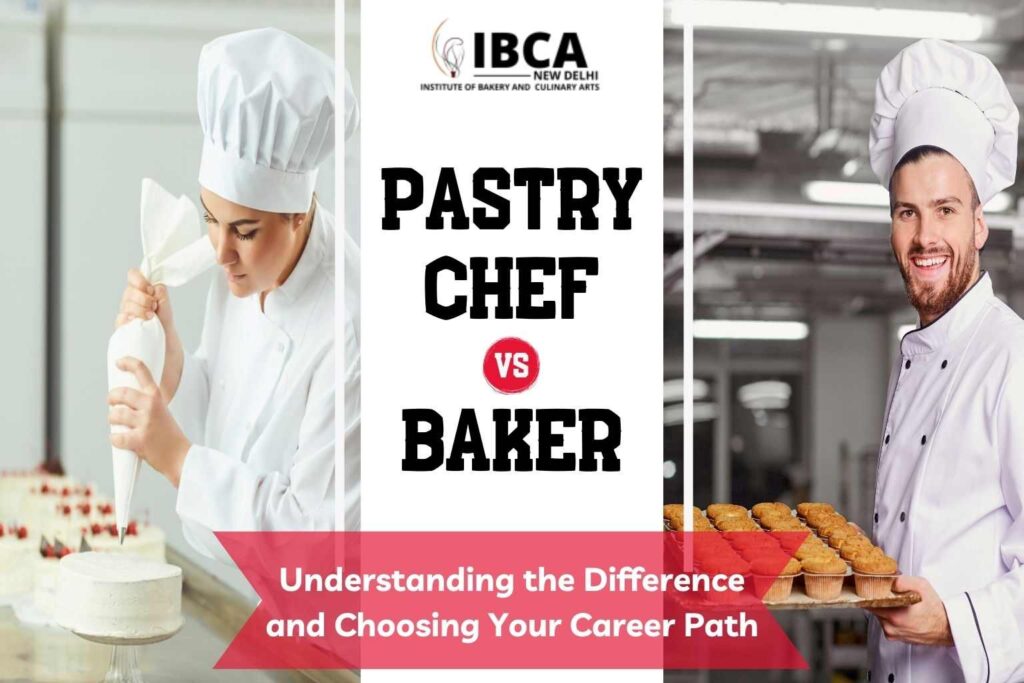
On a daily basis, a pastry chef does more than just combine some flour, sugar, and eggs. The most successful pastry chefs have a variety of traits and abilities that have contributed to their current level of success. The work of a pastry chef could appear glamorous and delicious to outsiders. What’s not to love about a profession where you get to design desserts, create new recipes, and taste some of the world’s best ingredients and confections? Only the greatest can survive, grow, and ascend to the top in this difficult and demanding position, which requires devotion and dedication. He requires more than just natural talent and a few hours spent in the kitchen to succeed as a chef. To master the art of perfection, apprenticeship training and experience are necessary. However, having the right credentials and abilities would enable him to take the next step in his profession. Depending on the pastry speciality they intend to follow, completing this professional training can assist aspiring pastry chefs in honing their abilities and developing their core competencies. The ability to produce recipes that delight the palate is only one aspect of the culinary expertise that a pastry chef must possess. These people require a technical comprehension of how the various components—sugars, starches, yeasts, and binders—combine to make diverse kinds of pastries. To succeed in their careers and create the delicious delicacies that people all across the world have grown to adore, these workers need to have a particular set of talents. Here are five skills that any pastry chef has to possess: Good grasp of Mise en Place The action of preparing food and dishes before a meal is served. One of the main benefits of using mise en place in the kitchen is that it saves time.You may effortlessly combine all of your cooking ingredients using mise en place. The significance of mise en place and its ability to literally determine success or failure. Highly adaptable social nature If you think a pastry chef’s work doesn’t require any encounters with customers, you couldn’t be more mistaken. A pastry chef Course needs to have polished social skills for a number of reasons in order to succeed. First, this person can be in charge of collaborating with others—or perhaps managing others in the bakery. Second, the chef can be in charge of receiving orders by phone or email and informing clients when their orders are ready. A high level of social adaptation can do wonders for your career outside of the kitchen by catapulting it to new heights.  To effectively interact with clients, pastry chefs working in retail need to be strong communicators. Those who manage personnel, such as the owner or manager of a bakery shop, value communication as well. Building trusting relationships with folks who can let you know about ingredient sales or even occasionally give you a discount as a token of their appreciation is beneficial. Then there are the customers. Even if the pastries are delicious, excellent customer service has a similar impact on repeat business. All of these situations necessitate civility, dialogue, and kindness.Keen attention to detail  To ensure that baked items have the right flavour and texture, it’s crucial to pay attention to the precise measurements of each ingredient. A pastry chef must pay close attention to detail. To ensure that baked items have the right flavour and texture, it’s crucial to pay attention to the precise measurements of each ingredient. Even the smallest mistakes, like confusing salt for sugar, can happen when there is a lack of attention to detail. As a result, it’s crucial for aspiring pastry cooks to cultivate an acute sense of detail during their pastry studies. A thorough knowledge of the fundamentals and an adventurous palate You need at the very least possess the rudimentary abilities required for that activity if you want to succeed at anything. Culinary abilities are necessary for a pastry chef. Pastry chefs not only need to know how to bake, which demands a great deal of care, but they also need to understand what flavours go well together. Naturally, you’ll want to perfect your command of the fundamentals to the highest level before you begin experimenting because solid foundational abilities will make it simpler for you to tinker with already-created dishes, which will aid in the creation of new recipes. Time management under pressure Depending on where you work, the pastry arts sector can move rather quickly. Some pastry cooks can be inclined to scrimp in order to save time, but doing so frequently results in worse products. This is why it’s crucial for pastry chefs to manage their time and properly plan out their next two or three movements in advance. Using this talent, you can improve your baking skills and discover new methods to embellish your baked items. To attract more customers and maintain interest, you might be able to develop new menu items or menu combinations. Conclusion Building trusting relationships with folks who can let you know about ingredient sales or even occasionally give you a discount as a token of their appreciation is beneficial.After that, there are the clients. Even if the pastries are good, recurring business is equally influenced by excellent customer service. Finally, the job may continue well into the night, during which you will spend the majority of your time standing in a hot kitchen. Along with the power required to mix and work with pastry, having a lot of physical endurance is important. In order to excel, a pastry chef needs more than just culinary talent; they also need physical stamina and endurance. These abilities will guarantee the chef has a successful and fruitful profession, despite the fact that the hours can be long. Finally, pastry chefs need to be able to use all of this information to produce dishes that are not only delicious but also aesthetically beautiful.

Scroll to Top
Call Now Button