


Recipe of Cookies

Ultimate Guide to Japanese Cooking Methods
Japanese Cooking Methods, Recipe of Cookies

From Sushi to Tsukemono: Your Ultimate Guide to Japanese Cooking Methods

One of the reasons Japanese is so loved around the world, too, is its refinement — delicate flavors and intricate artistry without resorting to or relying on sugar. Yet beyond the sushi rolls and ramen bowls, a bevy of cooking styles support these application traditions. So, whether you are a foodie or thinking of opting for culinary classes in Delhi this blog will be a quick guide from start-level Japanese cooking to the expert one. Core Techniques of Japanese cooking The base of Japanese cooking is formed by a solid set of principles that have been fine-tuned for hundreds if not thousands(!) If you can master these, I think Japanese cooking is the essence. Simmering (Nimono) Nimono: Simmered (Usually in a seasoned broth, often containing soy sauce, sake, and mirin) A method well suited to root vegetables, fish, and meat (whose porosity renders them sponges just waiting for flavor), while maintaining a high moisture content within. Nikujaga is a classic example of braised beef and potatoes. Grilling (Yakimono) When it comes to cooking methods or Yakimono,g rilling is another pillar of Japanese cuisine. Japanese grilling, on the other hand, seeks to warm things gently and mostly evenly rather than blisteringly hot with some grill marks. This restraint is displayed with dishes like Yakitori (charcoal-grilled chicken skewers) and Saba Shioyaki, a simple grilled mackerel finished only with salt. Steaming (Mushimono) Steaming (Mishimoto) – Steamed dishes, are a great way to keep the natural flavors and goodness of ingredients And for delicate, steamed dishes that are ultra-sensitive to timing and temperature (e.g., chawanmushi — a savory egg custard)? This in turn results in a light and flavorful dish that encapsulates the finesse of Japanese cuisine. Deep-Frying (Agemono) The concept of deep-frying or Agemono seems incongruous in a cuisine known for its lightness, but it is an essential part. Tempura employs Japanese deep-frying skills of frying and a lightly coating, flavorful batter. More importantly, you need to keep the oil temperature quite high so your food won’t taste oily and have a meaty texture. Digging Deeper: Advanced Approach So next, we move from the basics to some of those intermediate and advanced tricks that make Japanese cooking a veritable art form. These methods are artistic and require a great deal of precision to ingredients, although not necessarily less so than scientific cooking. Sushi-Meshi (for Preparing Sushi Rice) It all starts with the Sushi-Meshi: vinegared rice from nihongo-sushi.com The Sushi-Meshi is seasoned perfectly with a balance of rice vinegar, sugar, and salt making it an art on its own as well. Working the rice until it is al dente and still sticky, they scent warm seasonings into its granules before serving to guarantee that every bite sings with all their mingling flavors. Sushi-Meshi is truly made properly, but well glossy and each grain stands alone giving a slightly tangy background to the fresh fish or other ingredients. Katsuobushi Dashi (bonito broth) Katsuobushi Dashi is an umami bomb and the simple broth that underlies so much of Japanese cooking. Stock is made from dried bonito flakes (katsuobushi) and kombu (kelp), producing a very simple golden, clear soup. The method involves simmering kombu with water and steeped bonito flakes to produce their umami taste. As with a lot of cooking, learning to make dashi is key! Sosu (sauce) and nimono all start from here. Tsukemono (Japanese Pickling) When enjoying a meal, it is almost always accompanied by some Tsukemono (Japanese pickles) to heighten your tastebuds with a snap and burst of flavor. Japanese cuisine has a rich tradition of pickles, which can range from simple salt pickling to more complex fermentations. Two common methods include nukazuke, in which the pickles are laid down within rice bran, and shiozuke, where a saltwater or brine solution is used—smart cooking with high-quality ingredients. This kind of pickles can add to a meal and help digestion, as it is said that without tsukemono, the Japanese food culture would not be complete. Conclusion The methods that the guide you’re about to dive into are only a small percentage of potential know-how and technique in Japanese cooking. One that encompasses the harmony, meticulousness, and discipline around ingredients synonymous with Japanese culinary traditions. Whether you are using these techniques at home or getting a major from culinary courses in Delhi, even if going for a Diploma In Culinary Arts would be perfect it will enhance the standard of cooking as well as broaden your process know-how. So, as you take new adventures into Japanese cuisine this week the joy is in the journey. From a humble simmered vegetable to an impressive cut of sushi where you prepare your filling ingredients, all are pathways to knowing the depth Japanese cuisine has in store as its cultural heritage.
Recipe of Cookies

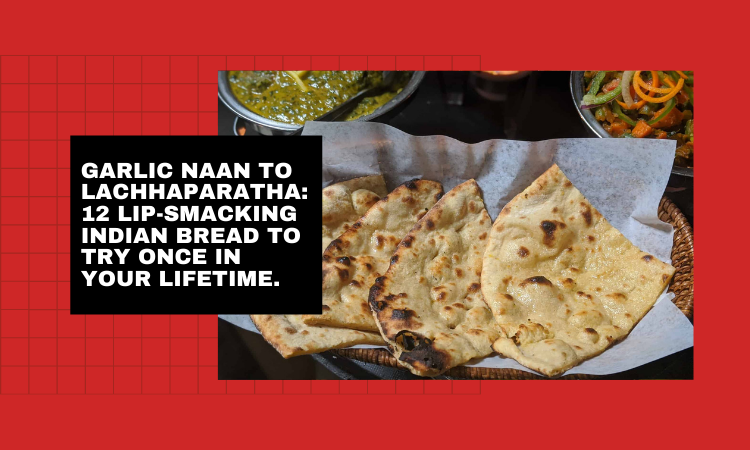
Garlic Naan to Lachha Paratha: 12 Lip-Smacking Indian bread to try once in your lifetime.

When it comes to bread around the globe, Indian bread is one of the most popular, which certainly means Parathas such as Chapati, Roti, Naan, Thepla, Naan, Kulcha, etc. Yes, everyone’s idea of the perfect Indian paratha is different; whether it takes you back to your childhood or conjures up a joyful memory, it is just incredible.  But if you are one of those bread lovers who always end up with what to try next? Don’t worry. we have got your back. Try these ten unique types of Indian bread that leave your tongue asking for more. Poratta The parottas are something the malu enjoys almost as much as his spirit and a little more than his wife. Kerala Parotta/Porotta is a layered flatbread cooked with plain flour, a lot of oil, and an egg that is popular in Kerala thattukada (roadside eatery).It is a most popular Indian bread in all over India. 2. Bhakri Bhakri is one of the most popular forms of parathas (Indian Bread) in the states of Gujarat, Maharashtra, Rajasthan, and Kerala. This round flatbread, despite being traditional, is quite popular among Gujju’s and Marathis. Bhakri is also known as biscuit roti due to its thick, crisp texture. 3. Puran Poli If you understand what delicacy is, you will know what Puranpoli is. It is an Indian delicacy made by stuffing soft whole wheat with soft-cooked yellow lentils, jaggery, or brown sugar in the dough ball. 4. Akki Roti Looking for a perfect meal to kick start your morning, you would not say no to this traditional Indian bread called Akki Roti. It is a soft-n-crispy flatbread made with rice flour, grated carrot, and onion, blended with perfect Indian spices. The term Akki means rice in Kannada, also known as rice roti, very popular in Karnataka. 5. Baati Do you know Baati was preferred to be a perfect wartime meal for Rajput during the time of BappaRawal- the founder of the kingdom of Mewar? After the Rajput’s returned from the battlefield, they would dig into perfectly baked batis, slathered with ghee and consumed with curd.  As the meal gained popularity in Rajasthan, each local ruler added their spin, later known as dal baatichurma. This delicious baati is a traditional Rajasthani bread first boiled in water and then baked in tandoor. Also, check out How to make Pita Bread like a PRO 6. Bakarkhani You wouldn’t want to miss this amazing food hailing straight from the valley of Kashmir, which has a biscuit-like texture. Yes, Kashmir offers a unique culinary ecosystem in addition to its scenic beauty, and their curries and bread are among the best dishes to experience in Kashmir. Not to miss the little fun fact, Bakarkhani is named after a tragic love story between a general named Aga Bakar and a dancer named Khani Begum. 7. Naan What is the first thing that strikes your mind when you think about Indian cuisine? Well, if I am not wrong, it’s naan and curry. It is probably the most famous bread among Indians. Be it a party or a wedding, naan is never out of fashion. Though it originated in Egypt, naans have become a popular Indian dish for gobbling up restaurant gravies. It is a flour-based flatbread made from all-purpose flour, wheat flour, or a mix of the two traditionally baked in a tandoor (or clay oven).  8. Sheermal Sheermal is one of Lucknow’s most well-known bread, and Lucknow is noted for its bread, both sweetened and baked. But sheermal is likely the one that has stood the test of time, beloved by both youths and elder people. It is a traditional bread of the Hyderabadi cuisine, a sweet bread made with maida, saffron, ghee, and milk. 9. WarqiParatha-  This Punjabi paratha, a near cousin of the lachcha paratha, is all about the sweet and savory layers. If you love Indian cuisine & Indian bread, then you might have tried warm paratha. This traditional Indian flatbread is tender, flaky, and utterly delicious. It goes very well with almost any type of curry or dal, and it’s typically used as an edible spoon for scooping up the sauces. 10. Litti. A traditional dish from Bihar, Litti-Chokha, is a unique mix of steamed, stuffed dough balls and a spicy vegetable curry. It’s quite popular in Mumbai and other cities as street food! If you are a big-time Indian street food lover, then Litti-Chokha is a must-try recipe. It is an easy Indian dish to make at home, and it is filling too, making it a great lunch or dinner meal. 11. Girda   Girda is a type of baked bread often served as breakfast and noon chai (salted tea) on cold mornings. But what genuinely makes girda unique is its distinct family of accompaniments. It is eaten in combination with traditional Kashmiri recipes like Haak (collard greens), monjeThongchai (sweetened hawksbills), and a type of granular, salty tea called noon chai. 12. Taftan Taftan is a royal flatbread of the Awadhi cuisine, originating from the historical city of Lucknow. It is flakier and lighter than the normal naan, with a unique flavor and aroma. In the Hindi language, “taf” means “hot” and “tan” refers to a skillet. It can be best enjoyed with spicy meat, vegetables, or cheese, and can be easily stored for future use. Indian bread made up of wheat, such as Roti and Paratha, is considered the country’s staple cuisine. In contrast, wheat and maida are the most popular cereals to avoid for persons who are Gluten intolerant. Not to mention that a gluten-free diet is becoming increasingly significant in India as people become more conscious of health issues. so, the demand of gluten-free Indian brands are rising Baking and Culinary Art uses a wide variety of gluten-free flours to create your taste of the traditional texture and flavor. So here is the complete list of ingredients using which we can prepare Gluten-Free bread. Did you know that an Indian kitchen is where we can find

Recipe of Cookies

Tips to Improvise your Next Batch of Cookies

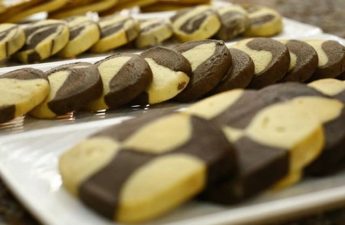
Cookies are one of the most versatile and enjoyed products in the market for their variety of available taste. They are the choice among every occasion or be at regular tea sessions these cookies can make the day feel great. There are many types of cookies being built around the world with the unique ingredient, local, and baker’s chef. IBCA offers premium Professional pastry classes in Delhi for short specific programmes and certification too to make a career in this artistic field of the bakery. Using international curriculum and modern methodologies they have transformed the lives of thousands of students who are working successfully in the industry. With this blog, we are going to share some of the best tips that will aid in making your next batch of cookies meet perfection. 1. Maturing the Cookies Dough It is recommended to give the dough the maximum time in the refrigerator to almost a day i.e, 24 hours.  Even some roll out the dough to make it super soft and pliable. This maturing ensures enhanced flavor and prevents spreading too. Also, you must let the dough to come at room temperature before using it for rolling and further giving it a particular shape for the cookies. 2. Controlling the Temperature At the suitable room temperature ingredients are more likely to get emulsify for a uniform mixture which could otherwise lead uneven structure in the final product completely. Butter and Egg are two fundamental ingredients that need to be at just the right temperature. Starting with egg white when they are at the room temperature they will fluff out with better volume always. Fat or Butter needs to be a proper room temperature otherwise the whole you might see undesirable results altogether. Pre-heated Oven is another important requirements that one as a professional bakery only be able to understand. New modern oven thermometers are recommended which allows a swift check of the temperature rather than opt for the one you set for which sometimes becomes uneven in the whole surrounding area inside the oven. One must join the Baking classes in Delhi to know all the basic fundamentals and rules that one should follow while preparing their recipes in the live kitchen. 3. Proper Baking time is a must All oven will have different surrounding, manufacturing and baking quality for which professionals must understand the signs that show the product is baked with sufficient time. When the edges are set and lightly browned on their surrounding surface cookies are baked to be done. Centres will continue to be cook even after taking the batch out from the oven so take it out a little earlier if you are looking for a softer cookie while giving it more time to make them crispier further. 4. Use one batch at a time Baking needs to have proper attention and complete care otherwise less or overcooking can harm the batch altogether. With unevenness inside the oven, it is recommended to bake one set of cookie at a time. Because temperature will vary from the middle of the oven to the side of the oven. If you are using multiple batches then make sure you shift the racks multiple time from bottom to top for proper baking. There are also a few notable points which Bakers should also acknowledge When sugar cookies are to be made make sure you dust the work surface with powdered sugar in spite of flour. When you are preparing large batches in the mixer then make sure to check the appropriate capacity of the equipment. Use the precise cookie cutters, round rings, and biscuit cutters to come up with a specific size in the cookies. Baking sheets need to be at room temperature otherwise fat will start melting while using them. Don’t Grease the pan, use a baking mat or parchment paper sheet to avoid spreading. These cookies require proficient skills and alertness for the whole process otherwise you might get under-baked, over-baked, or excess spread in the results. With IBCA you get one of the leading institutes for Professional Bakery classes in Delhi. All the methodologies, procedures and curriculum is used as per the international standards only. With industry expert guidance and knowledge, students are able to absorb the practical skills better in crafting their amateur career towards better professionalism.  

Scroll to Top
Call Now Button