

Author name: Seo_executive

Chef courses for women
Bakery and Pastry Classes, Careers for Women

Chef Institute: Transforming Careers for Women

We all know that women perform excellently in nearly every field possible and how we can skip appreciating something great just because of the culinary world for so long. The Institute of Bakery and Culinary Arts (IBCA) is doing a great job by encouraging women to join the professional workforce as professional chefs, bakers, or culinary experts. in this blog, we discuss Chef courses for women and explore career opportunities in the culinary industry. This is not just a school that teaches cooking, but this institute where women have started to dream again and are on their way to becoming financially independent in an area still seen as taboo for many because it has been male-dominated until now. Breaking Barriers in the Culinary World Traditionally, the culinary industry has been regarded as more of a male field. Fortunately, institutions such as Chef IBCA have taken an active initiative by providing inclusive training courses to make women stronger. The courses offered are a source of learning to teach cooking and baking as well as build self-confidence, creativity, and leadership among the students. Chef IBCA provides a common platform for women, irrespective of whether they are highly educated or still pursuing their education, from any background, to exhibit their culinary skills. If they plan to open their bakery or want to be the best chefs in restaurants, this institute has everything from the required tools and supplies that guide them through every process with utmost care. Hands-on Training and Real-world Experience The immersion at Chef IBCA is extremely hands-on. The students will work in true kitchens with professional equipment, and they will execute the dishes under an experienced chef. This training is essential because it allows them to develop the skills they will use in their future careers. The institute also provides culinary courses as well as pastry-making courses and business management courses for women who dream of owning a bakery or cafe. This way, they are not only good at cooking but also possess the right skills to run a successful business of their own. A lot of women after doing this training started their businesses and even got a few job opportunities to start a good career. Also Read: Five Tips for Women in the Culinary Arts Supporting Women’s Career Growth Chef IBCA is not just an initiation of learning to cook but creating a bond and a support system for all the women who wish to give their careers an awesome turning point. It has mentorship programs, enabling recognized woman chefs to share their stories and guide new students because they are the people who inspire and keep women healthy to reach their sky-high goals. Chef IBCA has several successful graduates who are working at five-star hotels, have opened their catering, and even a few who went on to become culinary instructors. In addition to this, there is a strong alumni network that also helps in job placements and internships for women, giving them a head start into their careers. Creating Financial Independence For Women Teaching cooking is not all; through its fantastic initiative, the Institute of Bakery & Culinary Arts (IBCA) is contributing to future women in their culinary lives. Chef IBCA ensures that women break free from the bonds of set norms by equipping and training them to take charge of their homes with ease. With an unconventional approach, it is not just changing the careers of individuals but also breaking barriers and creating a more inclusive culinary world. Their presence is introducing new ideas, creativity, and an additional point of view that has reshaped the craft sector for good. Conclusion : The Chef Institute is transforming how women get jobs by preparing them with the skills, confidence, and direction they need to succeed in their careers. It’s an ideal place for food lovers, especially women passionate about cooking, to refine their talents and build a fulfilling career. The institute gives women a world-class experience starting from the roots, enabling them to convert knowledge and skill into their passion and profession, providing long-term positive transformations in their lives, and have a successful career ahead in baking. The Chef Institute is reinventing how women get jobs by preparing them with the tools, self-assurance, and direction they need to succeed in their careers. This is an exquisite destination for food lovers, and especially for women who are passionate about cooking, who can come here not only to experience their stuff in the right manner.

Difference Between Cake and Pastry

Pastry vs Cake  – What is the Difference between Pastry and Cake?

Cakes and pastries — newsworthy superstars on the dessert scene but what exactly makes them unique? They are both sweet treats, but they have much different uses in the kitchen than one would think. Whether you are a home baker or interested in knowing the love of cooking, this article will clear the air on what sets cake apart from its pastries. This comparison will assist you in exploring various concepts of pastry courses for beginners and hold a clear concept of these two iconic treats as it marks your short glimpse to start an exciting journey in the field of baking. What is Cake? Cake is a form of sweet food made from flour, sugar, and other ingredients, that is usually baked. Cake is a form of sweet food that varies in taste and is one of the things prepared by bakers. It is made using flour, sugar, eggs, butter or oil water, and leavening agents. Cake, the celebrity of birthdays and weddings — versatile in sizes, designs, and flavors. From a thick, moist pound cake to a lighter sponge cake and flavors from chocolate to vanilla to fruity. What is Pastry? Pastry refers to something like dough as the base for pies, tarts, and croissants. Made with flour, water and some form of fat — butter or shortening is common. Buttery, flaky layers reminiscent of puff pastry are created by the extreme delicacy and heartiness of the dough. Pastries, on the other hand, are frequently less tender than cake and also contain more complex textures—often crisp on the outside and tender on the inside—but this is what makes them ideal for many desserts, including sweet or savory snacks. Difference Between Cake and Pastry: A Detailed Comparison Now that we’ve defined Discover the difference between cake and pastry in this guide. Learn about their ingredients, shapes, and flavors to choose the right dessert for you., let’s break down the real differences between them through various factors like ingredients, shape, flavors, design, presentation, and occasions. Ingredients Shape Flavors Cake: Cake flavors are vast and diverse. Chocolate, vanilla, red velvet, carrot, and lemon are among the most popular options. Cakes in some cases have icing or other toppings and contain flavors to cream and include fruit, nuts, such as raisins. These things usually add to the sweet factor of a cake. Pastry: Like Savory, Dry food works very well in pastries, as these do not interfere with the flavor of the dough; The traditional pizzas feature this type. Fillings ranging from cream to fruit, to custard, and even flavorful materials more befitting of queer ingredients like cheese or meat all yield flavors. Design and Presentation Cakes: Known for versatile design options. According to the cake, you can portray whatever design it intends on the recipient. As a result, bakers use fondant, buttercream, or ganache to make various intricate decorations. Cakes are often the star of life’s events, wedding event cakes or birthday cakes… depending on what you bake. Pastry: Pastries focus more on technique than decoration. Their beauty lies in the flaky layers or the golden, crisp exterior that results from careful preparation. While they are usually not as visually dramatic as cakes, pastries can be artfully arranged and served, especially when made into elegant desserts like eclairs, tarts, or mille-feuille. Occasions Cake: Special occasions have to include cake, right? No celebration is complete without a cake and whether you are celebrating birthdays, weddings or anniversaries cakes have to be present to just lift the spirit of everyone. This is why cake and marriage go so well together; celebrating, indulging, and general happiness. And for serving large crowds nothing beats a layer cake. Pastry: Pastries on the other hand can be offered all day. Cakes are eaten only for special occasions, while pastries come in handy when you want to have something during breakfast or some snacks or a light dessert. Croissants at breakfast, puff pastry tart for tonight — something sweet and flaky after that destined-to-be-satisfying meal. Conclusion To conclude, Cakes and pastries are cakes because of the common baked goods they share but differentiate based on their ingredients, texture, shape, flavors, and usages. Cakes are essential to any celebratory occasion, usually opulent, sweet, and intricately styled. They are dainty, and fragile, and can be a salty option if it is not sweet such as pastries that are fitting for any occasion. Considering it takes a certain skill to prepare, one can train how to make cakes and pastries by enrolling in beginner pastry courses. While exploring this wonderful world, you will come to know the wide array of all that we can derive from a bakery.

bakery business in india
Bakery Business, Baking Institute

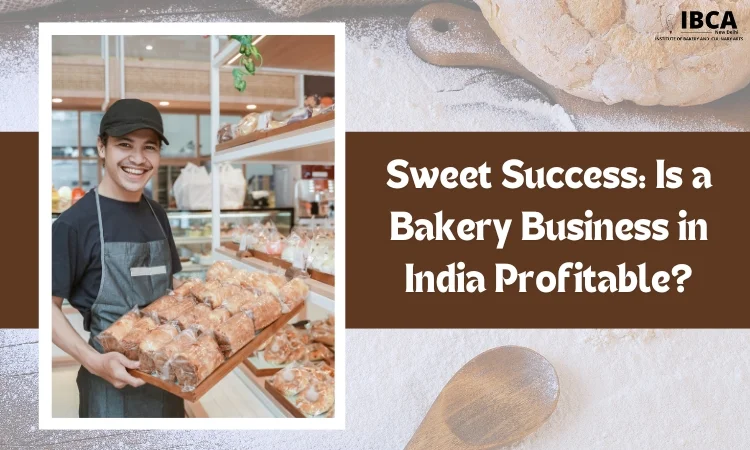
Sweet Success: Is a Bakery Business in India Profitable?

If you’ve ever thought about starting your own bakery, you’re probably asking yourself the big question: Is a bakery business in India really profitable, or should I go for the biscuit line or the packaged foods business?  One can easily think of making trays of fresh pastries, cakes, and cookies, but that is not the full picture here. So in this article, I’ll go into the specifics of what’s involved, including the state of the bakery market, the costs that you should expect and can expect to incur as a start-up bakery, and the potential problems that you may uncover as you move forward to determine whether or not the bakery world is for you. Understanding the Bakery Market Market Size and Growth Bakery products’ market in India is growing much rapidly. be it breads, biscuits, and fancy cakes, baked products are now a common feature in our homes and business premises. In fact, the bakery business in India is increasing by over 9% every year.  The increased population density, the inflating variety of customers’ preferences, and the passion for tasty food had a positive impact on bakeries in Indian cities.  And who can ignore the increasing popularity of coffee shops? The world has transformed into coffee shops. That is why you see many bakeries are incorporating coffee and dessert now, targeting a new generation successful workers and students. Target Audience and Customer Segmentation Well, tell me, Who exactly are you going to sell to? It is one of the critical questions to respond to since it cuts to the heart of what distinguishes this industry from others. In India, you’re catering to different groups:In India, you’re catering to different groups: This way you’d learn the different customer groups, or segments, and design a suitable and appealing menu that will make you get high returns. Also Read: A Detailed Guide On Starting A Bakery Business In India Initial Investment and Startup Costs Cost of Setting Up a Bakery It is always great to start a business such as a bakery, but one has to know that they are going to gain certain costs in the process. If it is a small, home based bakery venture, you can begin with ₹ 2 – 5 lakhs. But for a full-fledged ‘Commercial Bakery’ investment amount ranges to ₹ 10-25 lakhs depending on city, for instance, Delhi. Here’s where your money goes:Here’s where your money goes: Financing Options Worried about the money? There are plenty of financing options available to get your bakery dream off the ground: There are plenty of financing options available to get your bakery dream off the ground: Profit Margins and Revenue Streams Diverse Product Offerings This is probably the most important thing that you need to consider when it comes to baking business; it is advisable to have a variety of products to sell.  It is advisable to stock up your shelves with both necessary everyday foods, and those extra foods that people sometimes like to pamper themselves with. This includes:  When you offer more than one product, then you will be able to capture the market and ensure that you are making sales throughout. Pricing Strategy Without proper pricing, your business can make or break within a short span of time, especially if you own a bakery. Here are a few things to keep in mind:Here are a few things to keep in mind: Profit Margins Baking margins depend on the type of products that are sold by the bakery, but normally most of the bakeries in India are successful in achieving the margin ranging between 20-40%.  For instance, cakes and pastries are known to produce high margins while breads, biscuits,s and the like have low margins though they assist in the creation of high customer traffic.  The way to increase those margins is through cost control— purchasing goods in large volumes, minimizing on portioning wastage, and improving the manufacturing process. Challenges and Risks Competition The bakery industry in India is extremely competitive. This includes those small, local bakeries AND more commercial chain firms. Because let’s face it, there is so much competition out there that in order to compete you simply must offer something exceptional – be it a unique product or an unbeatable bakery experience! Operational Challenges There is a ton to do as the owner of a bakery from baking, managing staff keeping an eye on inventory, and dealing with customer orders. It’s a craft business and without some forethought, you can feel the pressure of time. Especially if you are not organic in the business, Bakery classes in Delhi would bring an easy practical escape from challenges like the above. Regulatory and Compliance Issues Strict health and safety regulations must be followed by Indian bakeries, as the country is famous for its excess regulation of the food industry.  This will require that you keep up to date with the local rules and regulations, which could be at an exceeding rate such as regular health inspections or keeping your licenses.  The bottom line is compliance should not be only that you fear the fines, but also because you do your best in building trust with yours (and my) customers. Final Thoughts on Bakery Profitability Their could not be a better time to start a bakery business in India, but same as every other thing there are challenges associated with it.  If you have a passion for baking, some market research and a sound plan could turn your hobby into the business of your dreams.  Well, if you are serious about entering this world then the bakery classes in Delhi can give you a head start because it is not just the baking but also how to run a business that needs some attention.

Culinary vs. Bakery Course
Bakery Institute, Baking Institute, Culinary Institute

Culinary vs. Bakery Courses: Which Path Is Right for You?

Both culinary and baking are dynamic, challenging career paths that bring in so many aspiring chefs. It offers a container for any aspiring pastry chef or excited restaurant kitchen owner to tunnel live and, if you wield the authentic course of study you will be well on your mannerism. Read on to know the difference between a Diploma in Culinary Arts, and a Diploma in Baking or a combination of both through the course — Diploma Pastry & Bakery, so that you can be sure about your career path mapping with full conviction. Understanding Culinary Courses What is a Diploma in Culinary Arts? The Diploma in Culinary Arts provides a more hands-on understanding of cooking basics, covering essential food safety education and solid kitchen management principles. If you are already a culinary professional, this course is suitable for anyone who wants experience in different Western-style environments and wants to further their knowledge of all aspects, from restaurants and hotels to 5-star boutique catering. Curriculum Overview It usually consists of both theoretical and practical classes where students learn about the world of gastronomy, explore kitchen disciplines such as international cuisines, and operate a professional kitchen itself being able to design their food menus or execute very sophisticated plating. Students work in modern kitchens to help them learn more about their craft and serve hands of everyday experience with experienced chefs. Best Culinary Schools in India Some of the Best Colleges for a Diploma in Culinary Arts ( India) The schools listed below impart a foundational education in culinary so that graduates can stand out within the food service industry. Career Paths Upon the completion of a culinary course, career options are plentiful such as: Express yourself while growing your skills in the kitchen as these are common entry jobs. Ideal Candidates This type of degree is perfect for those who have a passion for cooking and restaurant management. If you are someone who loves challenging your palate and enjoys working in a busy kitchen, then this route might be more suited to you. Difference Between Culinary vs. Bakery Course Aspect Culinary Arts Bakery Course Course Focus The schedule in the Culinary Arts course includes skills training on different methods of cooking, kitchen management, and menu planning. It also covers everything from exotic foods and nationalities on that plate to service and some of the very basics of hotel management. It is a specialized course in the art of baking, pastry making, and confectionery known as the Bakery course. This degree looks deeper into the science and breakthroughs behind making/desserts, breads, and pastries. Key Skills Students gain experience in cooking, plating, and kitchen management as well as food safety concepts and menu creation. The focus of the course is to become an expert in culinary skills and managing a commercial kitchen. A specialization course that develops an instant hands-on skill set of baking, pastry making, cake decorating, loaves of bread, and confections. It was all about the artistic side of pastry and dessert presentation. Career Opportunities Career options include restaurant chef, sous-chef, food entrepreneur/chef-owner; culinary instructor, and corporate chef. Skills acquired are such that can explore an array of opportunities in the culinary field. Most often graduates will qualify to work in bakeries as pastry chefs, bakers, cake decorators, or even bakery owners and teachers. The tourism and hospitality training programs are more general, which makes them suitable for those who want to work outside this discipline. Ideal Candidates A perfect course for those with a wide desire in food preparation, cookery skills as well culinary management. This appeals to the cooks and food service industry fanatics. This course is appropriate for persons who have a passion for baked goods, pastries, and desserts. For those interested in a sweeter bakery career, it is perfect. Job Market Restaurants, hotels, and other food catering enterprises have a huge demand for cooks. This is a course that can be used in many food-related industries. The growth in the bakery industry, patisseries, and other specialty dessert shops is creating increasing opportunities for talented bakers/pastry chefs Course Duration Diploma programs in culinary arts can take a year to 3 years upon completion just as came advanced degrees offered by some others. Bakery & Baking courses are generally for 6 months to 2 years in terms of diplomas and certificates. It becomes more viable for fast specialization, considering its relatively short period. Average Salary INR 3,00,000 to INR 7,00,000 based on experience and location. Many chefs who have worked as culinary professionals for several years and sometimes decades get a raise (or better-paying job) the more experience they achieve. Role and Experience Department Package offered Developer 2,50,000 to 6,00poo per annum Baking for niche markets/ Job specialization leads to higher salaries. Understanding Bakery and Baking Courses What is a Diploma in Baking and a Diploma in Pastry and Bakery? A diploma in Baking includes the techniques and skills required for baking, pastry arts, as well as confectionery. On the other hand, a Diploma in Pastry and Bakery is more about creativity with dessert creation as well which includes cakes and pastries. Detailed Course Explanation Some of these courses range from an introduction baking series, and dough preparation classes to leveling up our cake decorating skills and even chocolate work. This course helps students develop an assortment of treats that can be taken home and/or turned in for extra credit, focussing on accuracy and the innovative side of pastries. Baking Certificate Courses Many short-term baking certificate courses for specialization. They are more skills-based courses, e.g. artisan bread or cake decorating – they give you a faster way to boost your expertise. Career Paths What can I be when graduating from baking courses? This is great for anyone with a sweet tooth and attention to detail. Ideal Candidates If you are passionate about sweets and want to develop your skills with an innovative touch in flavor or style, a degree in baking & pastry may suit you. Key Differences

chef salary in India
chef salary in India, IBCA

Average Salary for Chefs and Bakers: Understanding Your Earning Potential

Becoming a chef in India is both easy and difficult. I say it is difficult because of the chef salary in India. Yes, we all know that India is recognised as an economy of cheap laborers, where any foreign company or hotel can hire Chefs and bakers at a low salary package. This industry keeps evolving, so if you want to make a career by becoming a chef or a baker, you can do it. As a chef, you have to cook the food, prepare it, and present your delicious dishes, depending on where you work, like a restaurant or hotel. As a baker, you bake and produce various food items, from bread to pastries. The job markets for chefs and bakers in India are expanding. You might be thinking that why understanding the Culinary professional salary is important to understand? This is important because, with the help of this fact you can make a decision that you want to become a chef or a baker or nothing out of these two, you want to do something else in your life. If you understand a chef’s salary in India or a baker’s salary, then it will help you to choose the right profession for yourself and you can do long-term planning easily. Factors that determine salary Now I am going to tell you some factors, you can understand with the help of those factors how salary packages differ for different people. Years of experience  By the way, this is one of the most important factors to determine the right salary package. If you have more experience, for example five years or more then there is a chance that you will get a good salary package and vice versa. Education and certification  It will be seen that attending a culinary institute in India may lead to improved earnings. When comparing the wages of the chefs and bakers today with no culinary education and certification to those with professional training and certification now we find that more of them enjoy higher wages.  So if you get your certification from reputed culinary schools then it will add to your credibility, and then you have chance to get position higher than the culinary professional salary scale. Geographical location This is a major factor that is impacting your salaries. A chef’s salary in India and baker’s salary will vary widely depending on the region and city. If you are working in Mumbai, Delhi, and Bangalore then, you will receive more pay because the living cost is high and the demand for luxury restaurants is constant. Hence the offered salary packages shall in the rural area, be lower to match the low standard cost of living and the general lack of demand for high-end dining services. Location is important, especially in the geographical area you choose to set your venture. Type of establishment Their salary is dependent on the place they are working; if they are working in a premium hotel, fine dining restaurant, or well-established bakery then the wages would be higher than if they are working in a casual dining place or a small-scale bakery. This depends on the type of chef whether he or she is working at a Michelin-starred restaurant or in a local dinner. In the same way, the wage structure of the bakers would also differ whether they are working for a luxurious pastry shop or for a supermarket’s bake shop. Specialization If you have a specialization in a particular cuisine or a cooking technique, then you can earn higher salaries. There are various chefs who specialize in cooking Italian, French, or Japanese earn higher salaries due to the demand for these skills. Similarly, bakers who have specialization in artisanal bread, gluten-free products or decorate cake properly will earn more than the bakers who don’t have any specialization. The average chef salary in India Entry-Level Chefs The average beginning gross salary during starting your career usually lies between ₹2,00,000/- to ₹3,50,000/- per annum in India. Some initial jobs are common such as commis chef or a line cook when you are bound to learn more by assisting experienced chefs. You will learn how they work, how they cook, or any other thing to do with their work ethic. Mid-Level Chefs As you progress through your career and are given more and more responsibilities your remuneration will rise. A Mid-level chef has the opportunity to earn up to ₹4,00,000 and ₹7,50,000 per year. Here you will coordinate and supervise the kitchen employees besides being the one to ensure that the kitchen food remains standard besides being the one to develop more food offers resulting to larger earnings in the culinary profession. Executive Chefs This is the highest position in this industry and normally needs a first degree plus several years experience on the job. An executive chef is responsible for whole teams and sections of the kitchen and frequently reports on the business aspects of the kitchen. The income of an executive chef in India can be expected to be between 8 lakhs to 20 lakhs per annum depending upon the place one is working. The average salary of bakers Entry-Level Bakers When you start your career as an entry-level baker, you will earn between ₹1,80,000 and ₹2,50,000 per year. Where you will earn basic baking techniques, including mixing ingredients, monitoring baking times, and producing standard baked goods. For the Veteran As you will gain experience, you will see a significant increase in your salary. The average income for experienced bakers typically ranges from ₹3,00,000 to ₹5,00,000 per year. You will handle more complex tasks, such as creating custom cakes or working with specialized baking techniques. Master Bakers When you will become a master baker, you will have many advanced skills and you will work in specialized or high-end bakeries. You will be earning between ₹5,50,000 and ₹8,00,000 or more annually. These roles require a deep understanding of baking science and artistic presentation, reflecting your high position on the baker

Ultimate Guide to Japanese Cooking Methods
Japanese Cooking Methods, Recipe of Cookies

From Sushi to Tsukemono: Your Ultimate Guide to Japanese Cooking Methods

One of the reasons Japanese is so loved around the world, too, is its refinement — delicate flavors and intricate artistry without resorting to or relying on sugar. Yet beyond the sushi rolls and ramen bowls, a bevy of cooking styles support these application traditions. So, whether you are a foodie or thinking of opting for culinary classes in Delhi this blog will be a quick guide from start-level Japanese cooking to the expert one. Core Techniques of Japanese cooking The base of Japanese cooking is formed by a solid set of principles that have been fine-tuned for hundreds if not thousands(!) If you can master these, I think Japanese cooking is the essence. Simmering (Nimono) Nimono: Simmered (Usually in a seasoned broth, often containing soy sauce, sake, and mirin) A method well suited to root vegetables, fish, and meat (whose porosity renders them sponges just waiting for flavor), while maintaining a high moisture content within. Nikujaga is a classic example of braised beef and potatoes. Grilling (Yakimono) When it comes to cooking methods or Yakimono,g rilling is another pillar of Japanese cuisine. Japanese grilling, on the other hand, seeks to warm things gently and mostly evenly rather than blisteringly hot with some grill marks. This restraint is displayed with dishes like Yakitori (charcoal-grilled chicken skewers) and Saba Shioyaki, a simple grilled mackerel finished only with salt. Steaming (Mushimono) Steaming (Mishimoto) – Steamed dishes, are a great way to keep the natural flavors and goodness of ingredients And for delicate, steamed dishes that are ultra-sensitive to timing and temperature (e.g., chawanmushi — a savory egg custard)? This in turn results in a light and flavorful dish that encapsulates the finesse of Japanese cuisine. Deep-Frying (Agemono) The concept of deep-frying or Agemono seems incongruous in a cuisine known for its lightness, but it is an essential part. Tempura employs Japanese deep-frying skills of frying and a lightly coating, flavorful batter. More importantly, you need to keep the oil temperature quite high so your food won’t taste oily and have a meaty texture. Digging Deeper: Advanced Approach So next, we move from the basics to some of those intermediate and advanced tricks that make Japanese cooking a veritable art form. These methods are artistic and require a great deal of precision to ingredients, although not necessarily less so than scientific cooking. Sushi-Meshi (for Preparing Sushi Rice) It all starts with the Sushi-Meshi: vinegared rice from nihongo-sushi.com The Sushi-Meshi is seasoned perfectly with a balance of rice vinegar, sugar, and salt making it an art on its own as well. Working the rice until it is al dente and still sticky, they scent warm seasonings into its granules before serving to guarantee that every bite sings with all their mingling flavors. Sushi-Meshi is truly made properly, but well glossy and each grain stands alone giving a slightly tangy background to the fresh fish or other ingredients. Katsuobushi Dashi (bonito broth) Katsuobushi Dashi is an umami bomb and the simple broth that underlies so much of Japanese cooking. Stock is made from dried bonito flakes (katsuobushi) and kombu (kelp), producing a very simple golden, clear soup. The method involves simmering kombu with water and steeped bonito flakes to produce their umami taste. As with a lot of cooking, learning to make dashi is key! Sosu (sauce) and nimono all start from here. Tsukemono (Japanese Pickling) When enjoying a meal, it is almost always accompanied by some Tsukemono (Japanese pickles) to heighten your tastebuds with a snap and burst of flavor. Japanese cuisine has a rich tradition of pickles, which can range from simple salt pickling to more complex fermentations. Two common methods include nukazuke, in which the pickles are laid down within rice bran, and shiozuke, where a saltwater or brine solution is used—smart cooking with high-quality ingredients. This kind of pickles can add to a meal and help digestion, as it is said that without tsukemono, the Japanese food culture would not be complete. Conclusion The methods that the guide you’re about to dive into are only a small percentage of potential know-how and technique in Japanese cooking. One that encompasses the harmony, meticulousness, and discipline around ingredients synonymous with Japanese culinary traditions. Whether you are using these techniques at home or getting a major from culinary courses in Delhi, even if going for a Diploma In Culinary Arts would be perfect it will enhance the standard of cooking as well as broaden your process know-how. So, as you take new adventures into Japanese cuisine this week the joy is in the journey. From a humble simmered vegetable to an impressive cut of sushi where you prepare your filling ingredients, all are pathways to knowing the depth Japanese cuisine has in store as its cultural heritage.

bakery marketing ideas to sweeten your sales
Bakery Business, Bakery Institute

10 Irresistible Bakery Marketing Ideas to Sweeten Your Sales

Just picture your bakery full of customers, many orders online, and everyone talking about your brand. Sounds like a dream? Well, it’s realistic with the right Bakery Marketing strategy. Whether you want to reach a wider audience or simply hope for that extra bit of inspiration, we outline the key strategies that can help turn your humble bakery into an affordable community hub, from knowing and targeting your audience to properly utilizing things online. The first thing you need to consider is the customer journey from scratch. How could you turn your bakery from a place to buy bread and pastries into an exciting destination? What is unique about your bakery? These are the questions every bakery owner should carry with them. By having the proper online presence a bakery can bring in local customers as well as target out-of-town customers looking for something new and tasty.  10 Irresistible Bakery Marketing Ideas Check out these 10 simple yet powerful ideas to help your bakery stand out and bring in more happy customers. 1. Focus on Your Target Audience At the heart of every great marketing strategy is an understanding of who your customers are. Or are young professionals in need of convenient, delicious snacks? Or families looking for a birthday cake? Knowing your audience will allow you to make products and market them specifically aimed at meeting their needs. Survey your audience, analyze sales metrics, and speak to people to get feedback. 2. Market Research and Analysis Market Research Regularly conducting market research will help you stay one or possibly more steps ahead of your competition. Look at baking industry trends, investigate your competition, and find an unserviced gap in the market where your bakery can make money. This will keep you in touch with your end users and evolve yourself to changing consumer needs. 3. Development and Innovation Keep it Innovative Innovation also maintains the development of new products and the improvement of existing ones. Included in the above is looking at seasonal items, one-offs as well as collaborations with other local businesses that could build necessary buzz. Ask for feedback from your customers and be willing to try some new flavors or recipes. 4. Follow Different Promotional Strategies The below bullet list can merely help you a lot in increasing your sales with the promotional strategies that work. A hybrid of online and offline campaigns, including social media promotion, email marketing blasts, loyalty programs, and exclusive discount offers. Hold events, such as baking workshops or seasonal contests to connect with your local community and make lasting memories for customers. 5. Setup Proper Online Store : Bakery Marketing Nowadays, having an online store is a necessity. Create a website where customers can make orders, even from home. You can work with delivery services or deliver orders to customers by yourself. Announce the launch of online orders through your social networks and mail-outs. As a promotion, give free delivery on the first order or a discount on the second if the order was placed via a link. Before setting up a proper store you should also be aware of Best bakery courses in Delhi so that you can upgrade your knowledge about baking. 6. Customer Feedback and Review Customer feedback is gold dust for taking your bakery to the next level and facilitating better customer satisfaction. Prompt customers to write reviews in places such as Google, Yelp, and your Facebook page. Take all feedback, and try to reply to both good and negative reviews so they feel you care about their opinion and that in fact, your service is what it claims to be. Share positive reviews of your loyal customers on site or social media, and use a referral program to reward them. 7.  Try Multiple Distribution Channels Explore multiple distribution channels to reach the most people. Aside from your brick-and-mortar bakery, you can also get these goods to local farmers’ markets partner with a coffee shop/restaurant, or set up an event booth at community events. By Scaling your footprint, you will expand the reach of your brand to capture new customers. Finally, online sales are important to create an e-commerce platform to attract customers who like buying from home.  8. Social Media Engagement for Bakery Marketing Use social media as your secret weapon to reach out and show images of what delicious products you offer at the bakery. You want to be sharing images of your products, the behind-the-scenes, and interacting with people via comments on the posts so make sure you have a constant stream of high-quality photos up at any given time 9. Do Partnerships and Collaborations Teaming up with other local businesses boosts your presence and lures in fresh customers. Think about partnering with a coffee shop, restaurant, or another local artisan. Joint Promotions, Co-branded Products, and Events could generate a lot of buzz and benefit both the businesses involved. For instance, a cafe could sell your baked goods with their coffees and it could create more awareness and people will know more about it. Also Read: Ultimate Guide to Start a Bakery Business & Run It Profitably Another option is to team up with a local non-food business like one or more florists, gift shops, etc. Pairing your baked goods with another product for a special occasion, whether it be birthdays, anniversaries or the holidays can turn what you offer into one-off but prevalent sold-on gift solutions for those looking to complete their ideal present. Conclusion Using the above-mentioned marketing strategies, you can add sugar to your sales and make customers stick like glue at your bakery. Every strategy we have mentioned earlier is a piece of the puzzle with several elements that help shape an ideal marketing plan. Innovate your products, have clear targets, and also work on building a strong bakery brand so that you stand out. Join any of the baking courses in Delhi if you wish to learn baking and make a great career in baking. You will get

top culinary arts schools
Culinary Institute

Culinary Arts: India’s Top 10 Culinary Arts Schools

When most people think of a Diploma in culinary arts, their mind immediately strikes the image of a chef in a restaurant cooking up delicious meals for hungry customers. But this field is considerably broader than just cooking. Now let’s gain a deeper understanding of the principles of culinary arts and discuss top Culinary Arts Schools in India. These days, becoming a chef is the dream. If you are looking forward to exploring a future career in food, you are likely to have come across this term. It’s a broad term that seems like a catch-all for anything food-related. But in reality, not all foods and cooking materials come under the culinary arts category. Let’s explore what exactly the culinary arts are, and what a future career in this field may seem like.  What is Culinary Arts? When the terms are separated, “culinary” signifies “related to cooking,” and “arts” means any wide range of interests. Therefore, the art of food preparation, cooking, presentation, and serving can be summed up as culinary arts. All occupations involving food service can be referred to as culinary arts, albeit this is frequently demonstrated through restaurant meals. Have you ever wondered why certain foods are so hard to resist? It’s a confluence of elements that arouses our senses in every way! Everything about a meal, including how it looks on the plate and how it tastes and smells on our lips, influences how satisfied we are after eating it. Don’t you think it’s quite amazing how much work goes into making one dish? It is our duty as practitioners of the Diploma in Culinary Arts to provide complete sensory satisfaction. A proficient practitioner of a Diploma in culinary arts recognizes the significance of presenting food in a visually appealing and enticing way. They take their time to create a cuisine that is not only sensually fragrant and visually pleasing but also tastes excellent. By balancing these crucial elements, chefs make use of every resource at their disposal to produce the ideal gastronomic experience. Start Your Learning Journey Today, Turn Your Passion into a Career! Contact Us Top 10 Culinary Arts Colleges In India Here are some of the following colleges and institutions that are renowned for offering top-notch education in the field::. This ranking is compiled based on the institution’s facilities, faculty, trainers, academic program, cost, placement history, and quality of education. 1. Chef IBCA, New Delhi IBCA is an abbreviation for the Institute of Bakery and Culinary Arts and also serves as the best culinary and bakery institute in Delhi. With years of experience, IBCA was established with one goal in mind and that is to offer the highest level of world-class training to aspiring people who wish to make their career in bakery and culinary arts. Unique and different courses are provided by IBCA, with full certification to diploma courses and even short-term courses as per the preference of students. The great specialty of Chef IBCA is its deep industry connections and highly qualified and experienced faculty. Here, In IBCA, the courses are well-designed by highly specialized expert chefs along with well-qualified industry experts. Around 12,000+ students are trained globally through IBCA. With 6+ years of continued experience, this Institute of Bakery and Culinary Arts provides 10+ specialized courses and diplomas with a a a 100% placement guarantee. Chef IBCA is one such school that has been awarded by many culinary associations and industry experts on multiple styles of culinary and baking arts. Prestigious Courses Offered By Chef IBCA, New Delhi: 2. Culinary Academy of India, Hyderabad The first professional training institution in India to be established for higher education in the culinary arts is the Culinary Academy of India. Since its establishment in 1996, Brand CAI has adhered to the same high standards as prestigious American and European culinary schools. Currently regarded as one of the top universities in the world for budding cooks, CAI is acknowledged as India’s leading culinary arts and catering technology university. 3. Welcome Group Graduates School, Manipal The Welcomgroup Graduate School of Hotel Administration (WGSHA), which was founded in 1986 as a division of the Dr. TMA Pai Foundation in collaboration with the Hotels Division of ITC Ltd., is a component institution of the Manipal Academy of Higher Education, Manipal. As of right now, WGSHA stands as the top hotel management school in India. CEOWORLD Magazine ranked it 26th out of the world’s best hospitality and hotel management schools for 2020. 4. IICCM – International Institute of Culinary Arts and Career Management, Pune IICCM- International Institute of Culinary Arts & Career Management is a division of Kadlag Patil Education Foundation, Affiliated with City and Guilds of London Institute, UK, and Recognized by UGC Recognized University, ISO 9001:2015 Certified Institute. The Awards received by IICCM are: 5. Indian Culinary Institute, Tirupati The Indian government’s Ministry of Tourism oversees the Indian Culinary Institute (ICI), an independent organization. The Institute has campuses in NOIDA and Tirupati. It was founded by the Indian government to offer a range of culinary arts programs, from entry-level to advanced study, and to document and preserve different Indian cuisines. The ICI is a premier institute that is dedicated to providing high-quality education in its discipline. It is one of a kind in this regard. The Institute’s high standards for instruction and training will enable graduates to become professionally certified culinary artists. 6. Indian Culinary Institute, Noida The Indian Culinary Institute (ICI) is a state-of-the-art, autonomous institute under the Ministry of Tourism, Government of India, that was established in Noida. It is anticipated to be on par with the top international culinary institutes. The ICI is one of the premier and state of Art institutes and is committed to providing perfect quality education in the field. This best quality of education at the institute will help the students become professionally qualified personnel in Culinary arts. 7. Symbiosis School of Culinary Arts, Pune The Symbiosis School of Culinary Arts (SSCA) was founded to address the need

classic cheesecake a timeless dessert for any occasion
Bakery Business, Baking Institute

Classic Cheesecake: A Timeless Dessert for Any Occasion

Everyone loves a traditional cheesecake. It is a fail-safe dessert that takes its place at the head of festive celebrations, cozy family get-togethers, and late-night sweet cravings everywhere. It is wonderful tangy-flavored, creamy texture not only fills the pleasure of baking but also proves that good food makes all moments so delightful. Let’s know more about cheesecakes in this blog post. Why Classic Cheesecake is Beloved? Traditional cheesecake is a showstopper dessert for good reason. Unique in its delicate, velvet texture that glides like silk across the tongue and melts to a lightly tangy flavor, an irresistible delight. This simple dessert is renowned for its ingenuity and versatility in taking on a variety of toppings and flavors – from bright fruit coulis to chocolate drizzles. The classic cheesecake is a constantly evolving dessert and the ability to please various fussy eaters has made it one of those desserts that will always be on someone’s favorite list all over the world. What Makes the Ultimate Classic Cheesecake? The ultimate classic cheesecake walks the line between creamy and firm. The buttery graham cracker crumbs or flaky pastry crust will shatter against the fork, building a foundation for what follows—the filling. The texture here is soft and luxurious, with a silken mixture of cream cheese, sugar, eggs & their yolks which give such wonderful flavor, and just the slightest hint of vanilla. The secret to its greatness is in part due to the high-quality ingredients used—the fresh cream cheese, farm-fresh eggs, and top-shelf vanilla extract—but also dealing with each step of preparation meticulously right from mixing to baking. Ingredients Needed to Make Classic Cheesecake For the Crust: For the best crust that also lends itself to a traditional cheesecake, blend 1½ cups graham cracker crumbs with ¼ cup granulated sugar and mix in half a stick of melted unsalted butter. This buttery crust forms the base of your cheesecake, creating a slightly crunchy foundation fir perfectly with that dense creamy filling. The graham cracker crumbs, which are sweetened with some sugar and held together by the melted butter form a crunchy contrast to the silky smooth cheesecake filling that amps every single bite up into an explosion of flavor chiming in there. For the Fillings The filling calls for 4 (8-ounce) packages of cream cheese, 1 cup granulated sugar, ¼ teaspoon vanilla extract, Large eggs: sour crèméì and all-purpose flour. The result of this carefully curated mixture is the smooth, velvety texture and a perfect mix between sweetness and tanginess in every slice of your best bet classic cheesecake. Equipment Needed For making a traditional cheesecake, you require different equipment such as a 9-inch springform pan that plays an essential role in baking and helps to remove the cooked cake easily. You need these mixing bowls to mix up the ingredients, and an electric mixer will give you a smooth batter. Use a rubber spatula to help get the sides of your bowl fully mixed. Preparation Preheat Your Oven –  Turn it on to 325°F (160°C). Prepare the crust: Mix graham cracker crumbs, sugar, and melted butter in a bowl. Take out the mixture 5 mins before and firmly press it into a spring form pan at an even level. Chill, whilst preparing the filling. Make the filling: Blend cream cheese in a large mixing bowl until smooth Slowly add in the sugar and vanilla, then beat until it comes together. Add the eggs 1 at a time and beat well after each addition. Combine with Sour cream, flour, and lemon juice until smooth Also Read: Best Substitutes For Egg In Cheesecake Baking Process Pour filling over the entire crust – Spread it evenly with a spatula. Water bath: Cover the exterior of the springform pan (bottom and about an inch up sides) with aluminum foil to prevent seepage. Put the pan inside a roasting sheet and fill it with water, halfway up the sides of your springform pan. Bake: In the preheated oven, place the roasting pan with the cheesecake and bake for 1 hour to 1 hour, or until the center is almost set but still a little jiggly. Cooling and Refrigeration Serving It is a rather beautiful thing, serving up the classic cheesecake. Gently remove the cheesecake from its springform pan, removing no slice will fail to be perfect. Slice with a sharp knife in between wipes of the blade for perfect cubes that reveal all its soft goodness. This dessert is a crowd-pleaser served unadorned–or topped with your favorite toppings like fresh berries, hot fudge sauce, or caramel. Slice after slice and layer upon layer usher forth an opus of flavors and components that conspire to be among the highlights of every meal or celebration. Storage and Shelf Life Keep your classic cheesecake in an airtight container inside the fridge for the best storage and shelf life. It can keep for up to 5 days, still creamy and tasty. If you plan to freeze the leftover slices, wrap them in plastic and then stuff them into a freezer-safe bag. With proper wrapping, we have frozen cheesecakes for 3 months before eating them and they’ve been perfect when thawed with no loss of flavor or texture. To serve, mimic my mistake and unwrap the thawed cheesecake overnight in the refrigerator. These best practices will help you store your cheesecake in such a way that it remains delicious long after the first bite is had, so you can enjoy it to satiate your desire down the road. Variations and Customizations For Fruit Topping: Spread a layer of fruit desired between preserves and cheesecake on top. Chocolate Swirl: Mix melted chocolate into the batter to create a swirl pattern. Nut Crust: Use crushed nuts instead of graham cracker crumbs for something different. Troubleshooting Cracks on top: To avoid this, do not overbake and let the cheesecake cool slowly in an oven. Lump Batter: Make sure your cream cheese is fully softened before mixing. Crushed crust: Pack the heck out of your

future scope of culinary arts
Culinary Arts

The Future Scope of Sustainable Culinary Arts

What is Culinary Arts? ‘Culinary Arts’ is a colloquial term for food preparation, cooking procedures, and presentation in the industry. Professionals pursue Culinary Art courses to learn more about modern food production practices, methods, and traditional recipes and to bring creativity to styling them.  The food industry is an evergreen industry that remains unaffected by external or internal economic factors. Many young adults, who are naturally curious, want to learn and become food professionals or chefs. This blog will help them understand suitable career choices and explore this traditional field.  Why Take a Culinary Arts Course? A common question often asked by students is challenging to answer. Starting with a professional course acts as a stepping stone for youngsters. These courses are systematically designed to provide skills and experience to build careers for young professionals.  Career Opportunities in Culinary Arts Culinary Arts have made considerable strides in the last few decades, offering many opportunities for young enthusiasts. We have listed some of the best ways a professional can grow and build a suitable career matching their skills and interests.  1. Culinary Director Many professionals start their careers in Culinary Arts to become future industry leaders. A culinary director is among the top positions in food production.  The roles and responsibilities of a culinary director can vary depending on the nature of the establishment. The main aim is to achieve the organization’s goals and targets, starting with building menus, hiring chefs and staff, planning budgets, and making changes to move the business forward.  Now, professionals need to understand the importance of skills, management ability, experience, and the ability to deliver under pressure before being promoted to an expert level.  2. Culinary Creator/Chefs Culinary Creators/chefs are in high demand across the Food industry, especially for cuisines such as Continental, Italian, Mexican, etc., catering to particular clientele. Culinary creators/chefs often have dedicated departments or sections in commercial areas. Menus, dishes, and production methods for Culinary chefs follow standard practices to offer traditional recipes.   A Culinary chef/Creator is a specialized position that one can attain by acquiring many skills and experience through a learning curve. With patience, learning, and understanding the history of a particular cuisine, one can become a successful Culinary Chef/Creator. 3. Private Chef In this modern age of billionaires, a new trend has emerged as families and corporations hire private chefs. These highly trained and expert professionals have the experience to deliver personalized services. Many professionals opt to become Private Chefs to gain more popularity, earn at their maximum potential, and offer impeccable services. Luxury Yachts, Billionaire families, and top entrepreneurs look for private chefs to cater to individual needs.  4. Food Presentation Artist Presentation is one area that has grown substantially over the decades. New professionals use their creativity and skills to create unique ways to present food to customers.  Carving and crafting food into beautiful sculptures or elaborate displays using fruits and vegetables is one of the global attractions for events. Commercial establishments, such as hotels and restaurants, are always looking for food presentation artists who can garner attention to Culinary Arts.  5. Chocolate Artisan / Chocolatier Chocolate Artist or Chocolatier is a prominent career option specifically related to chocolate dishes. There are different forms and types of chocolates available on the market. And With thousands of recipes, this unique product attracts millions of customers who savour the chocolate taste regularly.  5. Culinary Advisor / Consultant Culinary Advisor or Consultant roles can vary from organization to organization. The prominent responsibilities of a chef advisor are to help Executive Chefs, Culinary directors, or owners run their businesses smoothly.  Whereas Chef Advisors can also have specific roles as cost-cutting measures, maintaining HACCP (Hazard Analysis Critical Control Programs) protocols  7. Dessert Artisan One of the most enjoyable products on the menu is desserts or sweets. These delicacies come in different forms, shapes, colors, sweetness, and more. A dessert artisan is a culinary professional specializing in creating and preparing desserts. They use their creativity and culinary skills to develop unique and delicious dessert recipes.  Dessert Artisans (Experts) are in huge demand. Especially local delicacies have popular dishes catering to scalable deliveries.  8. Restaurant Owner (Virtual) Virtual Restaurant Ownership is a dream that almost every individual possesses, even with limited food-making abilities. With a professional course, one can start a startup and build a sophisticated business to fulfill their earning potential.  Food trucks and kitchen-based food startups have become famous for door-to-door customer delivery. Young entrepreneurs primarily use this method to scale their businesses to new heights.  9. Hospitality Manager Hospitality Manager is a career option that offers a managerial-level position related to Culinary Arts. These professionals are in charge of minor to medium-level businesses that regularly cater to hundreds of customers.  Again, hospitality managers’ roles and responsibilities can differ depending on the size of their establishment. Individuals with mid-level experience (3 to 5 years) can apply to become Hospitality Managers.  10. Wellness Mentor Wellness has taken a new step in this modern age of extravagance. New hotels and restaurants offer ultra-luxurious comfort and food delicacies. Wellness mentors provide comprehensive guidance and measures to build these spaces to give customers 360-degree satisfaction.  11. Celebration Cake Artist Celebration Cake Artist is another essential career opportunity that arose with 21st-century progress. Today, cakes are enjoyed by everyone on almost every occasion, celebration, and success. Cakes symbolize happiness with unique designs, presentations, and styles to savor the taste.  12. Culinary Educator Several Culinary Schools, Institutes, and learning centers have come across India. These schools require skilled and experienced educators to guide the next generation of professionals. Many individuals choose this teaching profession to build a career in this sophisticated field. Certification and experience are two main factors in becoming a successful educator. There are many certifications and courses available that individuals can take to add to their resumes.  Conclusion: Culinary Art is a domain of endless possibilities, with various options and expertise levels for individuals to begin their careers. As you embark on your learning journey,

Scroll to Top
Call Now Button