

Bakery Institute

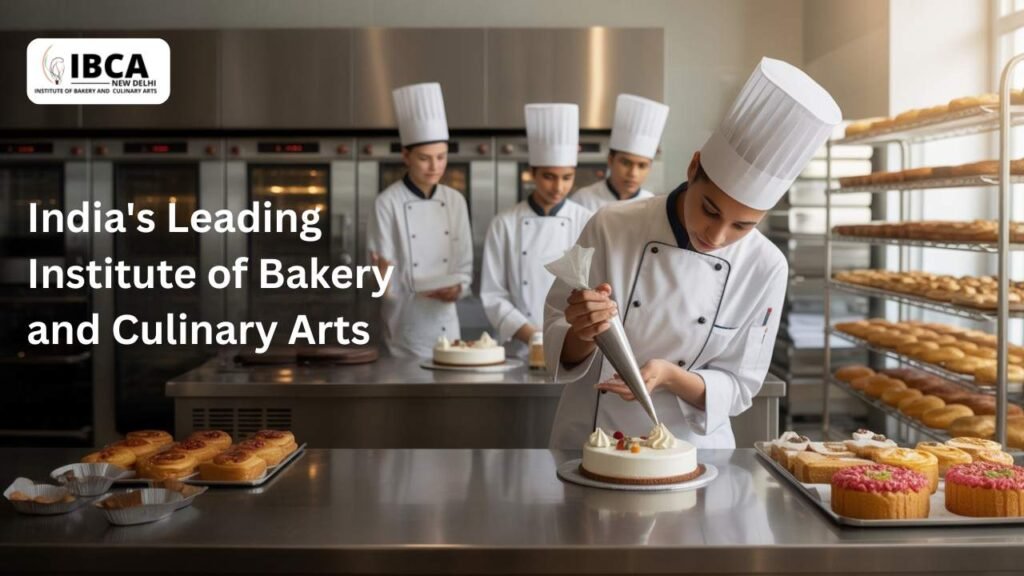
india leading institute of bakery and culinary arts
Bakery Course, Bakery Institute, Baking Courses, Baking Institute, Cake baking classes in Delhi, Culinary Institute, Diploma in Pastry and Bakery, IBCA

What is IBCA? A Deep Look Into India’s Leading Institute of Bakery and Culinary Arts

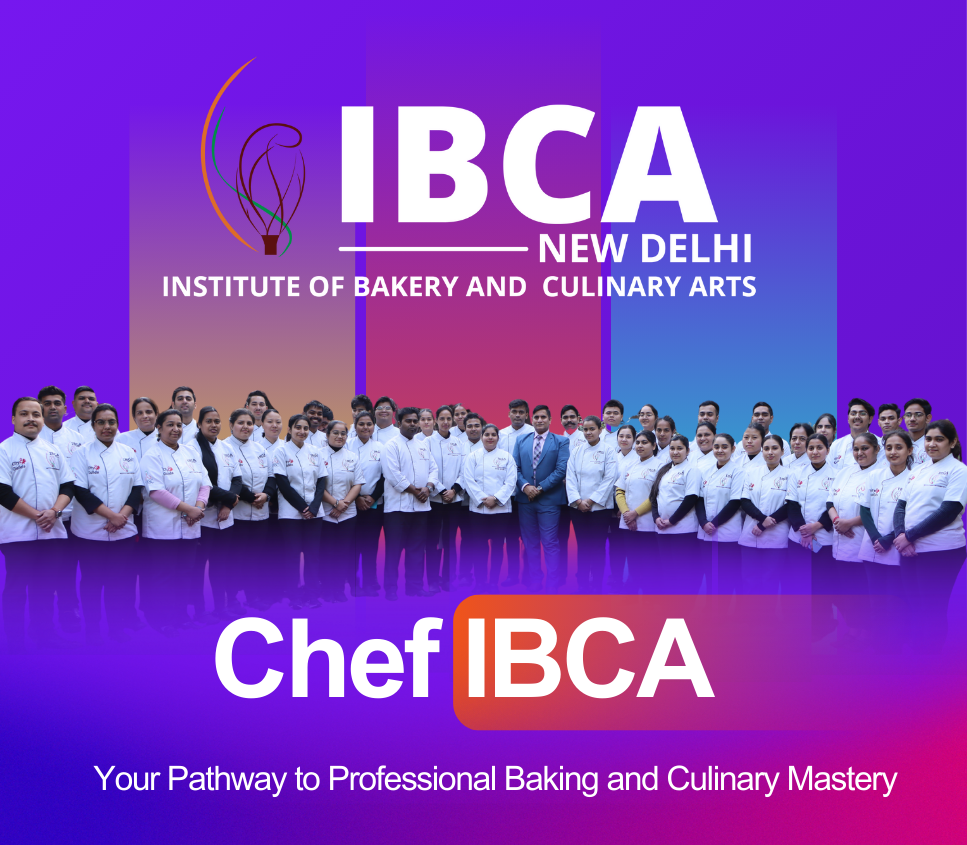
Imagine this scene- your food not only tastes super good but also makes you a superstar in the culinary world. Think about it and say wouldn’t you want to make it your career? If yes, IBCA brings you the right opportunity for fulfilling your dream.  For young people interested in bakery and culinary arts, IBCA provides a platform where they can receive international-level training under the guidance of experienced chefs. IBCA is among India’s most trusted and leading culinary institutes that transforms young people’s passion for bakery and culinary arts into their professional success. But who exactly is IBCA? Read this blog and you will know everything about it.  IBCA Full Form- Institute of Bakery and Culinary Arts The full form of IBCA is the Institute of Bakery and Culinary Arts. It is located in Delhi and prepares students with professional culinary and bakery skills.  IBCA doesn’t just give lectures theoretically, but on hands-on experience. It has modern kitchens and bakery labs that help it offer the best training and real-world experience to the students.  The culinary experts offer students in-depth knowledge of baking techniques, culinary arts, and food presentation. Why? Because the institute wants them to be ready for industry that demands quick time management, teamwork, and entrepreneurship skills. About Chef IBCA Delhi IBCA is the best institute for passionate young people who are looking for professional training on their cooking and baking skills.   IBCA offers them practical training and guidance from industry experts. They are experienced, expert, and have certifications regarding the subject they teach. The students learn from the experts only and get proper guidance from IBCA. Notably, the experts not only stop at Indian culinary but also teach international-level techniques, preparing students for opportunities overseas. Students at IBCA get:  Why Is IBCA India’s Leading Bakery & Culinary Institute? IBCA is the leading bakery and culinary institute in India. But what makes it special? Here’re the following reasons:  The chefs trained at IBCA are highly experienced, with international experience. Being under the guidance of experienced professionals develops the skills to face challenges. Students learn directly from real faculty at IBCA and can understand and apply their techniques, recipes, and cooking styles. This significantly improves students’ culinary skills and practical knowledge. IBCA’s syllabus is designed by international mentors and includes modern techniques in continental cooking, bakery, and pastry. With its modified regulations, students receive training from India’s best faculty. They learn from experienced standards from around the world, giving them the confidence to work at an international level. Many institutes don’t focus on students’ practical training. They emphasize the theoretical aspect, but this doesn’t give them an understanding of the real world. IBCA’s primary objective is to strengthen students’ practical skills. How? By focusing on practical training to empower students to cook well but also strengthens their understanding of practical requirements.  IBCA’s management connects students with workshops, competitions, and the bakery industry for internships. This helps them with real-world experience and opportunity to strengthen their professional networking. This helps students to connect with the real industry experts who already have a successful career. Such programs open new doors for students’ careers. IBCA has a proven and successful track record of students getting placed in the best hotels and restaurants in India and abroad alike. But that’s not all!  Several students have opened their own restaurants or bakeries and run successful businesses and created a name for themselves.  Courses Offered at IBCA  IBCA offers a wide range of courses in Bakery and Culinary Arts- Course Name Duration Ideal For Diploma in Bakery and Patisserie 12 Months Aspiring bakers & pastry chefs Diploma in Culinary Arts 12 Months Future professional chefs Hobby Bakery Course 3 Months Beginners & enthusiasts Short-Term Certificate Courses 1-3 Months Working professionals upgrading skills Student Success & Placement Stories Students trained at IBCA are building their careers with pride. They are everywhere- from top Indian hotels & restaurants to abroad and cruise ships. Here are some of the IBCA alumnus:  These are a few examples from the hundreds of students who have made their passion a fruitful career. Their career growth is rapid, helping them become financially strong and independent. Not to forget that Chef IBCA’s placement network connects students with a promising and lifelong career path. How IBCA Shapes Future Chefs? IBCA provides students with a platform where they receive hands-on training in a real kitchen environment. Why? Because it directly teaches to become an expert and its objective is to enhance creativity and sharpen the future potential.  Here, under the guidance and presence of experienced chefs, students learn modern techniques. This means students also learn international cuisine and the art of food presentation. This becomes more important when a student is eager to work overseas. Moreover, real-time feedback and industry exposure elevate their careers, shaping their futures for good.  How to Join IBCA? The process to join IBCA is simple. You can find contact details on the Contact Us page of its official website. Conclusion This is 2025 and people are not rigid about their career. They are experimenting and achieving success doing what they love. Culinary is one of those careers for the new young generation.  But here’s the catch with culinary courses:  Students need modern technology and practical training. In fact, these are essential for young people who are interested and want to build a career out of it.  Here comes the institute IBCA!  IBCA (Institute of Bakery and Culinary Arts) provides hands-on, practical training under the guidance of experienced chefs. IBCA focuses on not only teaching recipes but also to develop creativity, professionalism, and discipline.  Are you looking to build a career in culinary arts? If yes, IBCA is the one right place to join.  FAQs About IBCA IBCA stands for the Institute of Bakery and Culinary Arts, Delhi. It provides professional training and focuses on hands-on, practical learning. IBCA is based in Delhi, the capital city of India and has now become one of the best bakery and culinary

Culinary vs. Bakery Course
Bakery Institute, Baking Institute, Culinary Institute

Culinary vs. Bakery Courses: Which Path Is Right for You?

Both culinary and baking are dynamic, challenging career paths that bring in so many aspiring chefs. It offers a container for any aspiring pastry chef or excited restaurant kitchen owner to tunnel live and, if you wield the authentic course of study you will be well on your mannerism. Read on to know the difference between a Diploma in Culinary Arts, and a Diploma in Baking or a combination of both through the course — Diploma Pastry & Bakery, so that you can be sure about your career path mapping with full conviction. Understanding Culinary Courses What is a Diploma in Culinary Arts? The Diploma in Culinary Arts provides a more hands-on understanding of cooking basics, covering essential food safety education and solid kitchen management principles. If you are already a culinary professional, this course is suitable for anyone who wants experience in different Western-style environments and wants to further their knowledge of all aspects, from restaurants and hotels to 5-star boutique catering. Curriculum Overview It usually consists of both theoretical and practical classes where students learn about the world of gastronomy, explore kitchen disciplines such as international cuisines, and operate a professional kitchen itself being able to design their food menus or execute very sophisticated plating. Students work in modern kitchens to help them learn more about their craft and serve hands of everyday experience with experienced chefs. Best Culinary Schools in India Some of the Best Colleges for a Diploma in Culinary Arts ( India) The schools listed below impart a foundational education in culinary so that graduates can stand out within the food service industry. Career Paths Upon the completion of a culinary course, career options are plentiful such as: Express yourself while growing your skills in the kitchen as these are common entry jobs. Ideal Candidates This type of degree is perfect for those who have a passion for cooking and restaurant management. If you are someone who loves challenging your palate and enjoys working in a busy kitchen, then this route might be more suited to you. Difference Between Culinary vs. Bakery Course Aspect Culinary Arts Bakery Course Course Focus The schedule in the Culinary Arts course includes skills training on different methods of cooking, kitchen management, and menu planning. It also covers everything from exotic foods and nationalities on that plate to service and some of the very basics of hotel management. It is a specialized course in the art of baking, pastry making, and confectionery known as the Bakery course. This degree looks deeper into the science and breakthroughs behind making/desserts, breads, and pastries. Key Skills Students gain experience in cooking, plating, and kitchen management as well as food safety concepts and menu creation. The focus of the course is to become an expert in culinary skills and managing a commercial kitchen. A specialization course that develops an instant hands-on skill set of baking, pastry making, cake decorating, loaves of bread, and confections. It was all about the artistic side of pastry and dessert presentation. Career Opportunities Career options include restaurant chef, sous-chef, food entrepreneur/chef-owner; culinary instructor, and corporate chef. Skills acquired are such that can explore an array of opportunities in the culinary field. Most often graduates will qualify to work in bakeries as pastry chefs, bakers, cake decorators, or even bakery owners and teachers. The tourism and hospitality training programs are more general, which makes them suitable for those who want to work outside this discipline. Ideal Candidates A perfect course for those with a wide desire in food preparation, cookery skills as well culinary management. This appeals to the cooks and food service industry fanatics. This course is appropriate for persons who have a passion for baked goods, pastries, and desserts. For those interested in a sweeter bakery career, it is perfect. Job Market Restaurants, hotels, and other food catering enterprises have a huge demand for cooks. This is a course that can be used in many food-related industries. The growth in the bakery industry, patisseries, and other specialty dessert shops is creating increasing opportunities for talented bakers/pastry chefs Course Duration Diploma programs in culinary arts can take a year to 3 years upon completion just as came advanced degrees offered by some others. Bakery & Baking courses are generally for 6 months to 2 years in terms of diplomas and certificates. It becomes more viable for fast specialization, considering its relatively short period. Average Salary INR 3,00,000 to INR 7,00,000 based on experience and location. Many chefs who have worked as culinary professionals for several years and sometimes decades get a raise (or better-paying job) the more experience they achieve. Role and Experience Department Package offered Developer 2,50,000 to 6,00poo per annum Baking for niche markets/ Job specialization leads to higher salaries. Understanding Bakery and Baking Courses What is a Diploma in Baking and a Diploma in Pastry and Bakery? A diploma in Baking includes the techniques and skills required for baking, pastry arts, as well as confectionery. On the other hand, a Diploma in Pastry and Bakery is more about creativity with dessert creation as well which includes cakes and pastries. Detailed Course Explanation Some of these courses range from an introduction baking series, and dough preparation classes to leveling up our cake decorating skills and even chocolate work. This course helps students develop an assortment of treats that can be taken home and/or turned in for extra credit, focussing on accuracy and the innovative side of pastries. Baking Certificate Courses Many short-term baking certificate courses for specialization. They are more skills-based courses, e.g. artisan bread or cake decorating – they give you a faster way to boost your expertise. Career Paths What can I be when graduating from baking courses? This is great for anyone with a sweet tooth and attention to detail. Ideal Candidates If you are passionate about sweets and want to develop your skills with an innovative touch in flavor or style, a degree in baking & pastry may suit you. Key Differences

bakery marketing ideas to sweeten your sales
Bakery Business, Bakery Institute

10 Irresistible Bakery Marketing Ideas to Sweeten Your Sales

Just picture your bakery full of customers, many orders online, and everyone talking about your brand. Sounds like a dream? Well, it’s realistic with the right Bakery Marketing strategy. Whether you want to reach a wider audience or simply hope for that extra bit of inspiration, we outline the key strategies that can help turn your humble bakery into an affordable community hub, from knowing and targeting your audience to properly utilizing things online. The first thing you need to consider is the customer journey from scratch. How could you turn your bakery from a place to buy bread and pastries into an exciting destination? What is unique about your bakery? These are the questions every bakery owner should carry with them. By having the proper online presence a bakery can bring in local customers as well as target out-of-town customers looking for something new and tasty.  10 Irresistible Bakery Marketing Ideas Check out these 10 simple yet powerful ideas to help your bakery stand out and bring in more happy customers. 1. Focus on Your Target Audience At the heart of every great marketing strategy is an understanding of who your customers are. Or are young professionals in need of convenient, delicious snacks? Or families looking for a birthday cake? Knowing your audience will allow you to make products and market them specifically aimed at meeting their needs. Survey your audience, analyze sales metrics, and speak to people to get feedback. 2. Market Research and Analysis Market Research Regularly conducting market research will help you stay one or possibly more steps ahead of your competition. Look at baking industry trends, investigate your competition, and find an unserviced gap in the market where your bakery can make money. This will keep you in touch with your end users and evolve yourself to changing consumer needs. 3. Development and Innovation Keep it Innovative Innovation also maintains the development of new products and the improvement of existing ones. Included in the above is looking at seasonal items, one-offs as well as collaborations with other local businesses that could build necessary buzz. Ask for feedback from your customers and be willing to try some new flavors or recipes. 4. Follow Different Promotional Strategies The below bullet list can merely help you a lot in increasing your sales with the promotional strategies that work. A hybrid of online and offline campaigns, including social media promotion, email marketing blasts, loyalty programs, and exclusive discount offers. Hold events, such as baking workshops or seasonal contests to connect with your local community and make lasting memories for customers. 5. Setup Proper Online Store : Bakery Marketing Nowadays, having an online store is a necessity. Create a website where customers can make orders, even from home. You can work with delivery services or deliver orders to customers by yourself. Announce the launch of online orders through your social networks and mail-outs. As a promotion, give free delivery on the first order or a discount on the second if the order was placed via a link. Before setting up a proper store you should also be aware of Best bakery courses in Delhi so that you can upgrade your knowledge about baking. 6. Customer Feedback and Review Customer feedback is gold dust for taking your bakery to the next level and facilitating better customer satisfaction. Prompt customers to write reviews in places such as Google, Yelp, and your Facebook page. Take all feedback, and try to reply to both good and negative reviews so they feel you care about their opinion and that in fact, your service is what it claims to be. Share positive reviews of your loyal customers on site or social media, and use a referral program to reward them. 7.  Try Multiple Distribution Channels Explore multiple distribution channels to reach the most people. Aside from your brick-and-mortar bakery, you can also get these goods to local farmers’ markets partner with a coffee shop/restaurant, or set up an event booth at community events. By Scaling your footprint, you will expand the reach of your brand to capture new customers. Finally, online sales are important to create an e-commerce platform to attract customers who like buying from home.  8. Social Media Engagement for Bakery Marketing Use social media as your secret weapon to reach out and show images of what delicious products you offer at the bakery. You want to be sharing images of your products, the behind-the-scenes, and interacting with people via comments on the posts so make sure you have a constant stream of high-quality photos up at any given time 9. Do Partnerships and Collaborations Teaming up with other local businesses boosts your presence and lures in fresh customers. Think about partnering with a coffee shop, restaurant, or another local artisan. Joint Promotions, Co-branded Products, and Events could generate a lot of buzz and benefit both the businesses involved. For instance, a cafe could sell your baked goods with their coffees and it could create more awareness and people will know more about it. Also Read: Ultimate Guide to Start a Bakery Business & Run It Profitably Another option is to team up with a local non-food business like one or more florists, gift shops, etc. Pairing your baked goods with another product for a special occasion, whether it be birthdays, anniversaries or the holidays can turn what you offer into one-off but prevalent sold-on gift solutions for those looking to complete their ideal present. Conclusion Using the above-mentioned marketing strategies, you can add sugar to your sales and make customers stick like glue at your bakery. Every strategy we have mentioned earlier is a piece of the puzzle with several elements that help shape an ideal marketing plan. Innovate your products, have clear targets, and also work on building a strong bakery brand so that you stand out. Join any of the baking courses in Delhi if you wish to learn baking and make a great career in baking. You will get

Bakery Business, Bakery Institute

The Ultimate Guide to Starting a Bakery from Home

Do you want to start a Bakery from Home because you love baking? Making a cake for a friend or relative is one thing, whereas opening a bakery business needs thoughtful planning and preparation. Numerous elements come into play, including financial and other costs, licensing, registration, employing a group of experts, and general administration. Over the past ten years, the baking institutes in India have changed. These days, bakeries provide a wide variety of sweets in addition to cakes and pastries. In India, the home baking industry is regarded as one of the highest-paying and most successful industries nowadays. A lot of people who have a strong passion for baking have found success in their home-based businesses. A home-based business, like any other, needs full-time attention and focus for growth and better revenue. Is Starting a Bakery Business Right for You? Starting a bakery takes a combination of culinary skills, business savvy, and a sincere passion for baking delicious cookies, cakes, cupcakes, and many more items. Evaluate your baking ability and your capacity to handle the complexities of managing a baking business. Passion by itself might not be enough; it’s important to comprehend consumer preferences, market trends, and fundamental financial concepts. After you have decided that starting a bakery is a good fit for your goals and strengths, it’s time to learn how to do it with the assistance of the best bakery institute in India, from the comfort of your home.  Also, Read Career Advantages of Professional Baking Certificate How to Start a Bakery from Home Here are some of the points to consider before starting a home bakery:  1. Planning Your Home Bakery Business : Bakery from Home It doesn’t take much planning to launch a small-scale home-based bakery. But having a business plan is essential from a business perspective. This promotes improved marketing and administrative efficiency for expanding businesses. Choosing the recipes, testing them, putting up an online ordering website, marketing, and promoting the business are all part of the planning process. Make sure you complete the required licensing and registration before launching the firm. This even gets an exemption and aids in the GST computation. GST exemption is contingent upon a minimum yearly revenue of Rs 20 lakh. An important part of the bakery business’s branding is its name and logo. The company’s name and emblem serve as its public face. 2. Legal and Regulatory Compliance Before you put on your apron, there are additional legal requirements to think about when starting a home baking business. Operating a home bakery may necessitate possessing a business license in certain states. Depending on your state, you might also require a food manager license from the health agency. 3. Sourcing Ingredients and Suppliers You can acquire everything you need to carry out your offerings after you know what you’re going to bake. Make sure you have everything ready to go, including piping bags, tips, cupcake wrappers, cake tins, and various cake or muffin tins. You should also have a place to put it all. 4. Setting Up Your Kitchen Remember that some states have cottage food regulations that require keeping your bakery equipment separate from your kitchen equipment. To account for the cost of your goods when you price your menu and file your taxes, ensure to keep track of their total cost. 5. Developing Your Bakery Menu Maintaining a menu that is diverse and has a range of things is crucial. Improved abilities and methods lead to a better proliferation of home-based baking businesses. Start with the basics, in which you are always proficient and have firsthand experience. By attending workshops or lessons, you can gradually improve your skills and incorporate more recipes, tastier cakes, and a wider variety of bakery products. A well-designed menu makes it easy for clients to browse through several selections and place their orders. 6. Marketing and Promotion The next crucial stage in the bakery business plan is marketing and promotion once the recipes, supplies, and equipment are selected. There are numerous approaches to market and promote the company. Improved revenue and sales are facilitated by the company’s online presence. The initial step is to arrive with baked products prepared for sale. However, you can get folks enthusiastic about discovering your booth at the neighborhood farmers market with a little marketing and advertising. You can publish pictures and videos of your gorgeously iced cakes and pastries on a visual social networking site like Instagram. You may advertise a weekly deal to entice customers to visit your stand every week! You might even use a unique freebie to encourage customers to interact with your brand. Another venue where potential clients may see your behind-the-scenes operations is TikTok, albeit making visually appealing baking films could require a little more expertise. Remember to account for the time you devote to advertising and promotion, as well as the costs of any digital tool you pay for, into your COGS. You can also encourage your customers with a “buy 9 and get one free offer”.  7.Setting Prices for a Bakery from Home Setting prices requires much more than just looking at what your rivals charge and setting your price for your baked goods. With any money left over for profit, your baked goods may be able to pay for your labor, ingredients, and other overhead such as business licenses and farmers market fees. However, how are you going to calculate all those numbers? Therefore, do consider the following points while setting the prices of the baked items:  Conclusion Many people have become entrepreneurs and secured a reliable monthly income by starting a home-based bakery business. Numerous tiny home-based bakeries have experienced rapid growth and expansion into larger commercial spaces. Establishing a home-based baking business involves careful planning, money management, aggressive, astute marketing, and ongoing skill development.  These above pointers will assist you in comprehending and determining how to open a bakery; therefore, consider all of it before starting a home bakery. With years of experience, Chef IBCA,

Bakery Institute

Creative Cupcakes: Unique Flavors and Designs to Wow Your Customers

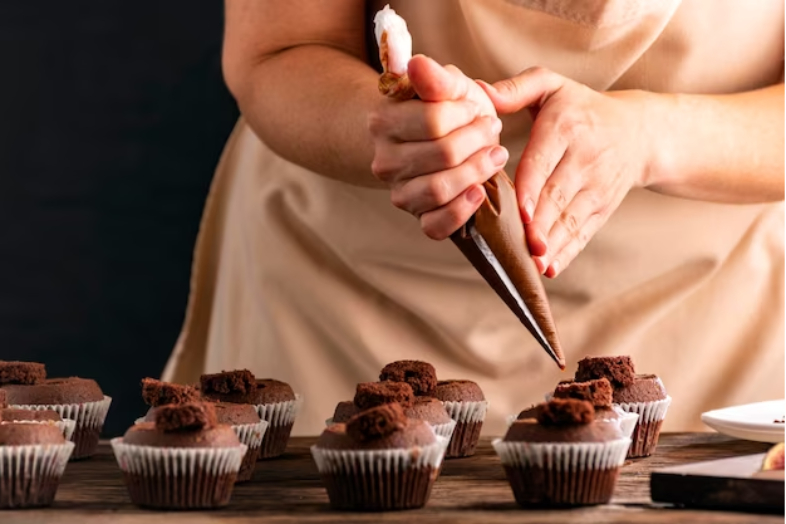
Cupcakes have become a staple in the world of desserts, and for good reason. Their individual portions, endless flavor options, and beautiful designs make them a favorite treat for people of all ages. If you’re a bakery owner or a baking enthusiast looking to create a buzz around your cupcakes, it’s time to explore the realm of creative cupcakes. In this blog, we will dive into the world of unique flavors and designs that are sure to impress and wow your customers. Pushing the Boundaries of Flavor: When it comes to cupcakes, the sky’s the limit when experimenting with flavors. Step outside the traditional vanilla and chocolate and offer your customers something extraordinary. Here are some unique flavor combinations to consider: Salted Caramel Pretzel: A balance of sweet and salty, this cupcake combines rich caramel flavors with a hint of sea salt, topped with crushed pretzels for added crunch. Matcha Green Tea: Harness the vibrant green color and earthy flavors of matcha tea to create a cupcake that’s both visually stunning and delightfully aromatic. Lavender Lemon: Infuse the delicate scent of lavender with zesty lemon to create a cupcake that’s refreshing and indulgent at the same time. Maple Bacon: Combine the smoky, savory taste of bacon with the sweetness of maple syrup for a truly unique cupcake experience. Elevating the Art of Cupcake Decoration: The appearance of a cupcake is just as important as its taste. To truly wow your customers, consider creating visually stunning designs that are as artistic as they are delicious. Here are a few ideas to get you started: Floral Delights: Decorate your cupcakes with edible flowers like pansies, violets, or rose petals. Not only do they add a touch of elegance, but they also offer a subtle floral flavor. Geometric Marvels: Experiment with geometric patterns using vibrant colored icings and fondants. This modern approach to cupcake design is sure to capture attention. Drip Cakes: Take inspiration from the popular drip cake trend and apply it to cupcakes. Create beautiful drips of chocolate, caramel, or fruit sauces that cascade down the sides of your cupcakes. Character Creations: Let your imagination run wild and design cupcakes inspired by popular characters, animals, or objects. These whimsical creations will be a hit with kids and adults alike. Dietary Considerations: In today’s diverse society, catering to different dietary needs is crucial. Expand your customer base by offering creative cupcakes that accommodate various dietary requirements. Consider these options: Vegan Delights: Develop vegan cupcake recipes using plant-based ingredients like coconut milk, flaxseed meal, or applesauce. These cupcakes can be just as delicious and indulgent as their traditional counterparts. Gluten-Free Goodness: Craft cupcakes using alternative flours like almond flour or coconut flour to cater to customers with gluten sensitivities or dietary restrictions. Keto-Friendly Options: With the rising popularity of the ketogenic diet, offering low-carb, high-fat cupcakes can attract health-conscious customers. Utilize ingredients like almond flour and sugar substitutes to create guilt-free treats. Conclusion: By exploring unique flavors and designs, you can elevate your cupcake creations to new heights. The world of cupcakes is constantly evolving, and customers are always on the lookout for something different and exciting. Embrace your creativity, experiment with flavors, and push the boundaries of cupcake artistry. With a little innovation and a lot of passion, you can wow your customers and leave a lasting impression that keeps them coming back for more. So, grab your mixing bowls, put on your apron, and let your creative cupcakes take center stage!

Bakery Institute

Mastering the Perfect Pie Crust: Tips and Tricks from the Experts

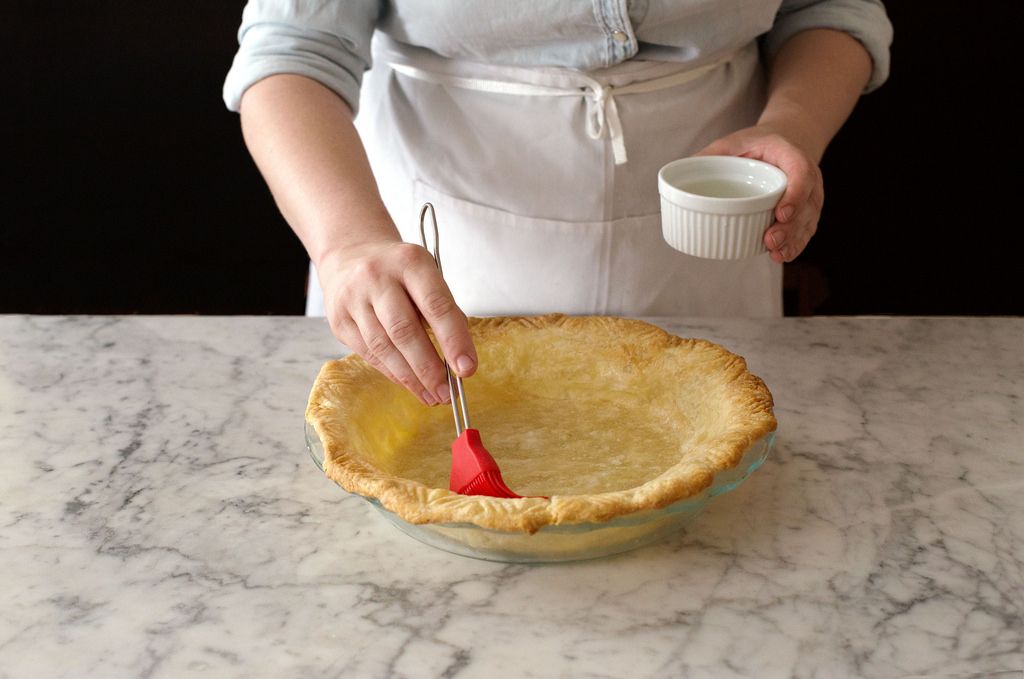
There’s something truly magical about the aroma of a freshly baked pie wafting through the air. Whether it’s a classic apple pie, a tangy lemon meringue, or a savory chicken pot pie, the secret to a delectable pie lies in its crust. Crafting a perfect pie crust can be a challenge, but fear not! We’ve gathered the top tips and tricks from baking experts to help you master the art of creating a flaky, buttery, and delicious crust. 1. Choose the Right Fat: The type of fat you use greatly influences the texture and flavor of your crust. Many experts recommend using a combination of butter and shortening. Butter adds a rich flavor, while shortening contributes to a tender and flaky crust. Experiment with different ratios to find the perfect balance. 2. Keep it Cold: Cold ingredients are crucial to achieving a flaky texture. Chill your fats, water, and even the mixing bowl before starting. This prevents the fat from melting too quickly, resulting in a tougher crust. 3. Don’t Overwork the Dough: When mixing the dough, handle it as little as possible. Overworking can develop gluten, making the crust tough. Mix until the ingredients just come together, then refrigerate the dough to let it rest and hydrate. 4. Experiment with Flours: Traditional all-purpose flour is commonly used for pie crusts, but don’t be afraid to explore different flours. Whole wheat, almond, or even a mix of flours can add unique flavors and textures to your crust. 5. Blind Bake for Crispness: For custard or cream pies, blind baking the crust ensures a crispy, golden shell. Pre-bake the crust for a few minutes before adding the filling to prevent a soggy bottom. 6. Use an Egg Wash: Brushing the crust with an egg wash before baking gives it a glossy, golden finish. It adds an extra touch of visual appeal to your pies. Remember, practice makes perfect. Don’t get discouraged if your first attempts aren’t flawless. With time and experience, you’ll develop your own techniques and discover what works best for you. So, roll up your sleeves, gather your ingredients, and embark on a delicious journey of pie-making perfection. Your friends and family will be begging for seconds! Mastering the perfect pie crust requires patience, precision, and a dash of creativity. Incorporate these expert tips and tricks into your baking routine, and soon you’ll be known for your exceptional pies that steal the show at any gathering. Enjoy the process, have fun experimenting with flavors, and savor the sweet rewards of your baking prowess.

Bakery Institute

What is the best way to prep your cake pan to prevent sticking?

Introduction It’s not unusual to occasionally wish to bake cakes as a delightful treat for the whole family. Your cakes are probably quite popular, but it might be a pain if you can’t get the cake out of the pan. You might be wondering what you’re doing wrong if your cake just appears to be clinging to the pan. Turning your cake pan over the cooling rack while you wait to see if the cake comes out intact or sticks part way out and crumbles is one of the most stressful parts of baking. Will today’s bake be ecstasy or suffering? You can prevent this from happening to you by doing a number of things. We experimented with a few techniques to prevent a messy end and discovered the ideal way to line your pan for a stick-free guarantee. To learn everything there is to know about preventing cake from sticking to the pan, join Baking classes in Delhi. You’ll have a lot more faith in your ability to make cakes that everyone can easily appreciate. Parchment + non stick pan spray. The baking expert’s best buddy is parchment paper with a silicone coating. Apply non-stick parchment to the pan’s bottom, and then spray nonstick pan spray on the sides. If you choose a “belt and suspenders” strategy, feel free to spray the parchment as well as the bottom of the pan before adding it. This is a method that some people advocate. If your cake was baked on paper, it will easily peel off the warm cake’s bottom and slide directly out of the turned-over pan onto the cooling rack. For baking in square or rectangular pans, use parchment half-sheets that have been trimmed to size. Parchment rounds are convenient for round pans. For cakes with sticky fillings, such as meltable chocolate chips, caramel pieces, fresh or dried fruit, or anything else, we highly advise using parchment paper and pan spray. Cake goop Homemade “cake goop,” as it is known to seasoned cake bakers everywhere, is a fantastic substitute if you decide against using paper. Goop is created by combining equal volumes of vegetable shortening, flour, and vegetable oil. It is then easily brushed with a pastry brush onto your pans (or rubbed on with a paper towel). Create a batch* and place it in the refrigerator; even when cold, it will remain spreadable and ready to use. If you’re tired of trying different methods everytime but still failing miserably, you need to join Baking classes in Delhi. Vegetable shortening Alone or after using the aforementioned alternatives. Stick with the usual approach of preparing a cake pan if you’re completely satisfied with it, however you might want to experiment with using anything other than flour for interest’s sake. The drawback of shortening is that occasionally, especially if it’s not super-fresh, you could taste oily. pan spray dusted with confectioners’ sugar Why not sweeten your pan coating without the grainy texture of granulated sugar? Although at the time it seemed like a wonderful idea, the cornstarch in the sugar allegedly combined with the liquid in the cake mixture and turned into glue! Additionally, it will be advantageous to lightly dust the bottom of your pan with flour. Directly over the butter or vegetable shortening that you’re using to oil the pan, add a small amount of flour. For this to work out well, the bottom of the pan should ideally be coated with flour to a depth of about an inch. If you want to make sure that your cake will come out of the pan easily, don’t omit this step. Flouring the bottom of the pan doesn’t take very long, and if you’re baking a cake, you almost certainly have extra flour. Your cake will come out of the pan very easily once it has cooled off after being taken out of the oven, so you’ll be happy you took the time to do this. Non Stick pan without any prep Of course, there are some people who adore using non-stick cake pans because of how simple they are to use. But in Baking classes in Delhi you’ll get to learn that you always need to prepare your pan even if it is non sticky. This particular non-stick coating on the cake pans is designed to keep items from adhering to them. These pans ought to make it simpler for you to remove cakes from them without any sticking. Why should I coat my nonstick pan with anything when it is already nonstick? Because cake batter is naturally sticky, it sticks to the pan’s surface while baking. Even a nonstick pan can only withstand this to a certain extent. Avoid being obstinate: even your nonstick cake pan should be ready. If you bake a cake in a nonstick pan, whether it be a 9″ round, 8″ square, Bundt, springform, or any other shape, and you’ve prepared the pan with pan spray, wash the pan in warm, soapy water as soon as you remove the cake, while it’s still warm. As nonstick pans cool, pan spray adheres to them, creating a sticky residue that, paradoxically, eliminates the non-stick properties of the pan over time. Cleaning up as you go will save you a lot of time trying to remove that stickiness without ruining the pan’s surface. Conclusion It’s wonderful to be able to remove the cake from its pan without much trouble because your cake has the power to unite the entire family. You’ll find it a lot simpler than previously if you go for the Baking classes in Delhi. It’s really simple to follow the instructions given above, and you’ll probably remember the steps moving forward. After a while, doing these things while baking a cake becomes automatic. Every cake you chose to create will be considerably simpler to remove from the pan.

Bakery Institute

5 Skills Every Bakery Chef Must Have

Introduction Baking is a meticulous task because you need to be exact when measuring. The consequences of any off-track measurements can be catastrophic, as, in other forms of cooking, the chemistry of baking does not allow one to naturally do it. Therefore, the professional pastry chef develops skills that help him or her stay in tune with all measurements and finesse required for this type of cooking. The answer to that is precision, creativity, and orientation towards detail. The job of a pastry chef is a tough one indeed. It requires commitment, dedication, and passion in order to create delicious desserts that your customers will enjoy. However, it’s not all crepes and fondants here – it’s also about inventing new recipes and sampling some of the finest ingredients in the world. It is much more important to have the resilience and drive to keep at it even when things get tough. So, if you are thinking of making your mark in the world of sweet treats you need to develop an array of pastry chef skills and learn as much as you can about the sort of position that you will get into, in the near future. Get in touch with one of the best Cake Baking classes in Delhi if you are looking to learn high-paying skills as the same as a pastry chef. Let us learn the must-have skills for aspiring pastry chefs. Physical strength  A job that is physically demanding and requires long working hours is a chef. Their work will begin early and extend well beyond the day’s closing hours, depending on the type of restaurant they work in. For pastry chefs, this can mean up to twelve hours a day of hard physical labor at high speed; mixing ingredients, pouring batter into pans, and working at blazing temperatures. Because this industry is so demanding, candidates need to have extreme stamina as well as strength and dexterity in order to excel as a pastry chefs. Social capabilities  As a pastry chef, you will be in charge of creating different desserts that can be served to customers at the restaurant where you work in. You will have to know how to deal with customer requirements and respond to their questions and queries. You need to be able to talk about your job description and describe what it entails before customers come into your restaurant. Planning   Being a pastry chef is not as glamorous as you might think, but it does come with a lot of responsibility. You will have to manage inventory, plan menus, and develop recipes based on customer insights. You also need to be able to communicate effectively with the rest of the team. You’ll also need to know all aspects of food safety, hygiene, and kitchen regulations. Master of pastry arts  As a pastry chef, you know how important it is to have excellent knowledge of several key ingredients that are primarily used in patisserie. Having excellent knowledge of several key ingredients commonly used in patisserie and their various possible combinations, temperature management, mastering the display and use of sweeteners in sugar-free desserts, and expertise in creating gluten-free desserts and pastries are possibly the most important of all the skills that a pastry chef must possess. Knowing how to be delicate and patient when creating a masterpiece is important. The true pastry chef will never lose their creative spirit or their passion for the craft. This is where most chefs would fail, but if you want to be a successful pastry chef, you must know how to deal with pressure and keep innovating. Consider enrolling in Cake Baking classes in Delhi, which offer a variety of courses for individuals interested in becoming professional bakers. Your personal baking hacks.   There are numerous professional baking classes in Delhi that can probably teach you the best of the hacks that can take you a long way. You can learn a lot from pastry chefs, but here are three baking hacks you probably didn’t know you could use. Ice cream and cake:  A creative combination of cake and ice cream is a great way to surprise your guests. With just four ingredients, a pastry chef can whip up ice cream with little effort. They can add them to a bowl and enjoy right away or freeze them so they will be ready when you need them. Choosing the Right Chocolate:  The best chocolate has a smooth, rich flavor and creamy texture in your mouth. Professional pastry chef advises that the chocolate you eat is better than the chocolate that you bake with. It’s fine to use medium-grade chocolate, and most people won’t be able to tell the difference if you combine it with other ingredients like sugar and butter. Concentrate on Presentation  A good presentation of the dessert is extremely important. Eating with your eyes first is what helps add flair and character to your dessert, as it differentiates the professionals from the amateurs. Chef IBCA  IBCA is a nationally and internationally recognized leader in the teaching and learning of complete Bakery and Culinary programs. To ensure that students obtain the greatest possible education, all of our courses follow an international curriculum. IBCA, Bakery, and Culinary Arts Instructors offer their knowledge and years of experience to students, paving the way for them to advance their talents. It helps beginners with little or no experience in Bakery and Culinary Arts into dedicated professionals who are ready to compete in the demanding world of building their own careers. Conclusion A patisserie is a challenging and demanding industry. It is definitely useful to have formal instruction in the art of patisserie. Training is available at IBCA, which is a well-known Cake Baking classes in Delhi. Having the right skills, training, qualification, and experience will be one’s foundation for success in this competitive and demanding industry.

Bakery Institute

How to Become a Baker in Delhi

Baker is one of the professions that are related to baking things in multiple varieties and preparing dishes using sophisticated techniques only. Most of Hotels and restaurants have separate departments i.e. Bakeries where related dishes are made accordingly. There are also Bakery Only shops or small businesses that run dishes on bakery products. With this profession, you can have the potential to be at your best skills and make a strong independent career as Baker. To build a career for life everything needs preparation & step by step preparation, and with Bakery you need to learn the basic skills for making a swift move in the Bakery profession accordingly. ChefIBCA is one of the reputed Baking school in Delhi that has been teaching these skills to students with international exposure to put them on the right path for their correspondence careers.  Here we are going to share a sophisticated way to make a new How to become a Baker in Delhi. Begin With Training One should join Baking Classes in Delhi to get an understanding of the basics to begin with. And they must go for the diploma & certification to give your career the right boost, to begin with. This initial training will get you into shape for making a career in this profession. With ChefIBCA you will be enrolling in one of the dynamic Baking Classes in Delhi that offer step by step guide to becoming a baker in a career in the later part of your life. All the culinary details and techniques from around the world that are being used over time will be taught with minute details and experience. This early training and exposure to the world of Bakery will make you aware of the prevailing international standards and taste that people enjoy around the world. Using the right equipment at its specific usage, types, and recipes, to begin with, preparation of mise-en-scene and mi-en-place are the pre-requisite of making a valuable part in a prospective career. These all early steps and guidance can only be precisely done at training school with efficient guidance. Certificates, diplomas, and degrees will go a long way in giving an organization confidence in your skills while selecting you for the professional baker. Possessing Qualities In Bakery we use specific tools and techniques that need to be learned over the duration of training to become a professional baker. Some of the special bakery items that have gained worldwide popularity are cookies, cakes, bread, pastries tarts, and other local products made with specific techniques & ingredients. Now with these bakery products, there are traditional ways of making recipes that need to be followed for getting optimum results. One needs to be detail oriented while working and going through the training for the timing, mixing as well as finishing of the products. Each process must be thoroughly understood while learning for a complete result. Creativity is another important factor that will allow you to add another dimension further enhancing your Bakery skills. Most of the products might have the same ingredients but it’s the final result that will matter. Fixing recipes or replacing ingredients are qualities that will be added to your skills with the right experience. With creativity, you might add and create new versions and dishes that will give customers to further enjoy bakery dishes. Once you have known all the basic fundamentals then it is important that you go for one specialty as there will give you to take extra initiative and make efforts to shine in that particular category only like a professional pastry chef or Bread expert. Industrial Experience All the theories & techniques get better and perfected with time as well as experience. Knowledge can be taken from books but it’s the experience and reality that matters the most. When learning you are making things in small batches just for practicing in hotels or restaurants, usually products are made in bulk for the whole day or special parties or functions. These bulk preparations, attention to detail, working with seniors, and events food management will toughen you up for working long-term in the Bakery profession. Practicing in Baking Classes and the real pressure of working for the establishment have a completely different perspective. ChefIBCA is one of the recommended Baking institutes in Delhi that has been offering premium classes in the capital of India for more than 10 years. We have built a reputation for building professional bakers who have gone on to achieve tremendous growth in their respective careers in the later part of their life. We follow the international curriculum that will help you in making the right progressive path in every step toward building a successful career as a professional baker. 

IBPA Image
Bakery Institute

How to Start a Bakery : The Ultimate Guide for Bakers

Have you ever wished to make others happy by baking them delicious bread or cakes? You’ve come to the perfect location if you’re prepared to use your skills to start a successful bakery. It might be frightening and overwhelming to start a bakery. In addition to education and discipline, which are qualities that are equally vital in business, baking has long been a creative hobby. Therefore, deciding to launch your own baking company is a great endeavor, whether it be selling pastries and doughnuts, pies and cakes, or a combination of everything. A wide range of food items, such as cakes, biscuits, bread, cookies, cupcakes, doughnuts, and other chilled goods, are included in the bakery goods. Before opening a bakery in this cutthroat industry, there are many things to think about. If you plan to bake or need to employ someone to bake, you might need to enroll in professional bakery courses in India. Being a business owner is not simple. It necessitates extensive planning, resources, and effort. The stages of starting a bakery business are listed below. Market research to be done In 2020, bakeries will be a common entrepreneurial venture. There is a nearly universal market, regardless of whether they pose as conventional bakeries or even cakes prepared to order from homes. You must nevertheless conduct an in-depth study into the viability of your business plan. For instance, how many rivals are there near you? What kinds of goods aren’t offered where you live so you can learn from professional bakery courses in India. All of these solutions have the potential to contribute to your company’s success and may call for some flexibility on your part. Since your bakery can only realistically service a relatively small consumer base if starting as a store, location is particularly crucial in this regard. Select a Bakery Type  There are three main types of bakeries from which to pick when opening a bakery business. ●  A retail establishment The most typical sort of bakery is a storefront business, where you own your physical facility and sell baked products directly to customers through in-store sales or on-site catering events. ●  A baking enterprise run from home Due to the lack of expensive bakery equipment required to get started, home-based bakeries provide bakers more flexibility with their start-up times. You can begin by going online. Independent bakers sell their baked goods to merchants, restaurants, farmers’ markets, and online. You can run it from your house if you have a fantastic website, images of your work, and a means for customers to make an order. ●  Wholesale Bakery This kind of bakery company serves as a supplier to establishments like restaurants and grocers without maintaining a physical storefront. The everyday operations are reliable and predictable, which is a plus. People make bulk purchases. The main problem for a wholesale bakery is finding stores and eateries to carry your goods. This crucial element could be challenging for a startup company trying to enter the baking sector. Plan your business. You must write a business plan once you have decided what kind of bakery you want to open. This will compel you to examine the company from all possible perspectives. It will aid in the definition of your company, goal-setting, identification of revenue-generating opportunities, expense tracking, client base identification, and competitive analysis. You’ll explore financing in your company plan. Startup costs will be one of the numbers you need to calculate. You’ll need to make a list of all the equipment you’ll need, from larger goods like pots and pans to appliances like ovens and refrigerators. Make careful to make a complete list of your tools. There are many funding options available, with a bank loan being the most likely one. Make sure to create a compelling and quantifiable business plan based on the market research you’ve previously conducted to show to any potential investors. The goods and services you’ll offer It’s time to consider what you want to sell and how much you’ll charge for it. It would be advised to start out by keeping things very straightforward. Although it may be alluring to want to accomplish everything, specializing and limiting your options will help you stand out from the competition. You must also select how much each item will cost you and what price you will maintain for it. Locate the proper place If you’re operating a bakery out of your house, you already know how much space you need. If you want to open a retail store, you should start looking for a place. The success of a firm is greatly influenced by its location. Whatever location you choose for your bakery, make careful to consider the advantages and disadvantages as well as the associated costs. Find assistance A network of friends and family is essential in the baking industry. A business takes time to launch. The time investment is only half of baking. You’ll need to market your company, receive orders, assist clients, and carry out a number of administrative duties. ●  Expertise Of course, you – or your chief baker – should have an extensive understanding of how to really bake if you intend to start a pastry or cake business. You must enrol in professional baking courses in India if you want to learn and refine your palate. ●  Networking To guarantee that you start with a strong reputation and an established clientele, it is a good idea to spread the word about your talent and competency in the kitchen before you open. Promote Your Business Any business must have a strong brand, but those that are centred in the arts need it even more. It is a chance to show off the look and feel of your product and specify the kind of customer you are aiming for. Additionally, it will help you stand out from the crowd and set you apart from your rivals. It’s time to start the legal paperwork now that you have your bakery business

Scroll to Top
Call Now Button