

Mastering the Art of Baking: Presenting the Top 6 Skills Every Baker Should Possess
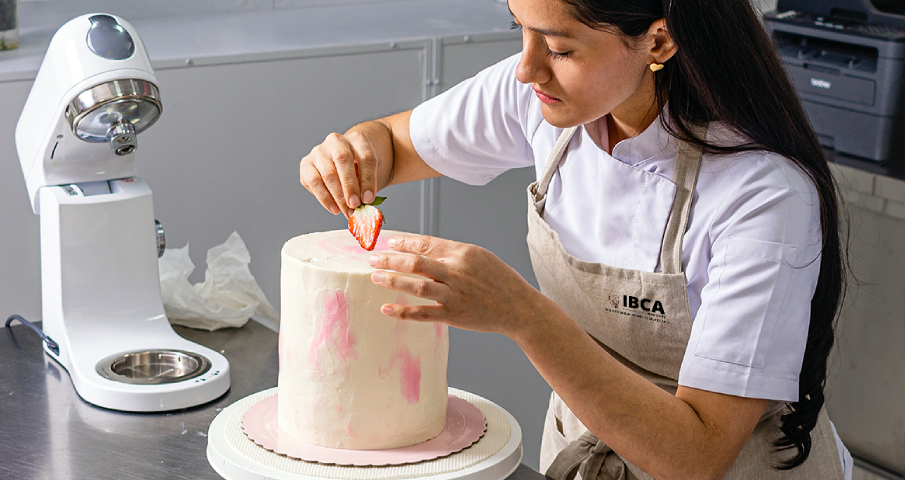
Baking is more than just following a recipe; it’s an art form that demands a symphony of skills to produce delectable creations. Whether you’re a seasoned pastry chef or a home baker, mastering these essential skills can elevate your baked goods to new heights. Join us on a journey as we decode the top six skills that every baker should cultivate. 1. Precision in Measurements In the world of baking, precision is the secret ingredient that turns a good recipe into a masterpiece. Imagine a pianist hitting the wrong key—similarly, accurate measuring of ingredients is the cornerstone of baking success. A tablespoon of too much or too little can tip the delicate balance of a recipe. Invest in quality measuring tools, and adopt the meticulousness that defines the art of baking. 2. Patience and Attention to Detail Baking is a dance where timing is everything, and every step requires careful attention. Patience and an eye for detail are non-negotiable. From proofing dough to waiting for the perfect rise, the baker’s journey is a lesson in delayed gratification. The magic happens in those moments of precision, where a watchful eye and a patient heart come together to create confectionery wonders. 3. Creativity and Innovation While precision provides the structure, creativity is the soul of baking. The ability to infuse your creations with a unique flair sets the skilled baker apart. Experiment with flavors that surprise and textures that delight. Dare to innovate in presentation, turning your kitchen into a canvas where each recipe is a stroke of edible art. Creativity in baking is about pushing boundaries and discovering new possibilities in every batter and dough. 4. Time Management Baking is a symphony of simultaneous tasks, from measuring and mixing to baking and finishing touches. Effective time management is the conductor orchestrating this intricate performance. Balancing these elements requires foresight and planning, ensuring that each component of the recipe gets its moment to shine. A well-timed production not only sweetens the final product but also transforms baking into a seamless, enjoyable process. 5. Knowledge of Ingredients To truly master the art of baking, one must go beyond recipes and understand the ingredients at play. A knowledgeable baker is like a scientist in the kitchen, comprehending how different elements interact to create specific textures and flavors. Whether it’s the chemistry of leavening agents or the alchemy of chocolate, delving into the intricacies of ingredients enhances your ability to troubleshoot, adapt, and create exceptional recipes. 6. Adaptability Baking is a dynamic process, influenced by factors ranging from the humidity in the air to the quirks of your oven. The ability to adapt to these variations is the hallmark of a seasoned baker. Maybe your mixer is on the fritz, or you’re missing a key ingredient—adaptability turns challenges into opportunities. Welcome the unexpected, and let it shape your journey as a baker. It’s in these moments of flexibility that you discover your true prowess in the kitchen. Conclusion In the enchanting world of baking, where precision meets creativity and patience dances with innovation, these six skills stand as pillars of mastery. As you venture on your baking adventures, remember that each skill complements the others, creating a harmonious symphony in your kitchen. So, don your apron, preheat the oven, and let these skills be your guiding stars in the pursuit of baking excellence. May your creations be as delightful to make as they are to savor, and may your journey as a baker be a celebration of the artistry that turns simple ingredients into extraordinary delights. Happy baking!