

Bakery Institute

Bakery Institute

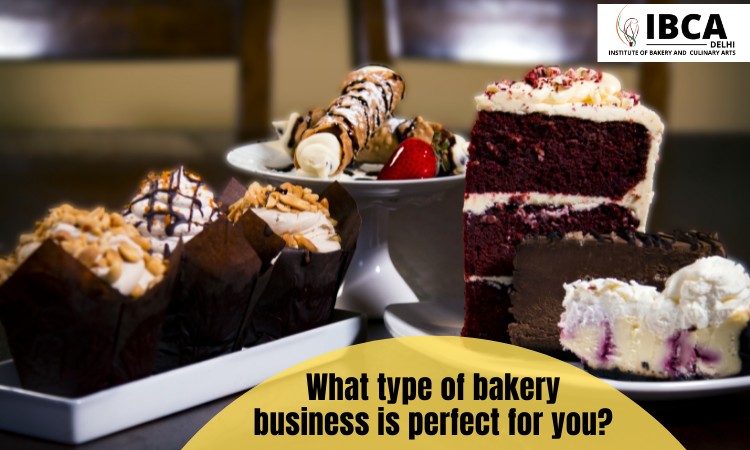
What type of bakery business is perfect for you?

Introduction Home bakeries are a great way to get started. It will also help you to test the profitability in a particular location. You can check what bakery items have good sales among the people living in that particular area. This way you can estimate your profits. And the best part with a home bakery is that you will not need to have much investment. Also, after gaining better experience in this field you can expand your operations. If you are thinking about opening a bakery then this is the article for you. It will give you an overview of the different types of bakery businesses to get you started. And if you want to see, yourself as a baking professional then bakery classes in Delhi provide you the perfect stage to accomplish all your future goals There are many reasons to start your own Bakery business and the top two are: You enjoy baking, cooking, and creating something delicious out of flour, sugar, eggs, and other ingredients. You want to be your own boss! Having your own bakery business can be a great idea and you don’t have to invest in it much. After taking up courses from one of the best bakery classes in Delhi you can start up your own bakery business with a good investment of money. Also in order to start a bakery business, you must make sure that you have planned everything in detail. You need to choose the type of bakery you want to start; whether it’s a wholesale bakery business or a retail bakery business. After that, you will have to decide on what products to sell and how much profit you want from them. Let’s take a look at the retail bakery industry. Specialty bakery A specialty bakery is a bakery that focuses on one or a few topics. They have become popular because of the fact that they can offer better-quality items using specializations and skills. Specialized bakeries usually focus on baking one particular type of cake or cookie, such as wedding cakes only, cookies only, cupcakes only, etc. They do not offer many kinds of baked items to their customers. They stick to their menu and deliver them to their customers. Online Bakery If you’re looking for a bakery business that will give you the chance to start small and scale up as needed, starting an online bakery may be the best option. With this type of online bakery business, all of your goods can be delivered directly to your customers’ homes. This means that they won’t need to come into your store, which means less overhead and more profits! And if you don’t have much money to invest in starting an online bakery business, no problem—you can buy pre-made cakes from a local baker or use websites like Etsy or Pinterest to find already-made recipes that are ready for delivery. You’ll also be able to save on equipment costs by using borrowed kitchen space at someone else’s house (or apartment) until you get bigger. You’ll only need minimal supplies: pans and utensils from thrift stores; a few ingredients from grocery stores; some basic packaging materials purchased at office supply stores like Staples or Office Depot;  Bakery Café A bakery café offers tea, coffee, and bakery products on its menu. They are good for seating the guests and enjoying their time. As a result, more revenue is expected to generate from the bakery café. The main challenge with opening a bakery café is to find a perfect location along with ample space to attract people to come inside the bakery café. The bakery café business is an extremely lucrative business venture for you to start. It has a huge initial investment cost and higher running costs, but your business will bring you more profit. You can also create a great number of jobs if you open a bakery café in your locality. Conclusion Why choose IBCA  IBCA is among the bakery classes in Delhi that have over decades of experience in the Bakery and Culinary Arts industry with top industry experts who have gained a wealth of experience to prepare the next generation for upcoming challenges. All of the courses follow an international curriculum to ensure that students receive the best possible education. It is an ideal platform for newcomers to learn and master the discipline of Bakery and Culinary Arts. I hope this article has given you some insight into the different types of bakery businesses out there. There is a lot more information available so be sure to keep researching and don’t forget that there are plenty of expert guides on our website. You could also consider taking one of our specialized courses from bakery classes in Delhi if you’re serious about opening your bakery soon.

Bakery Institute

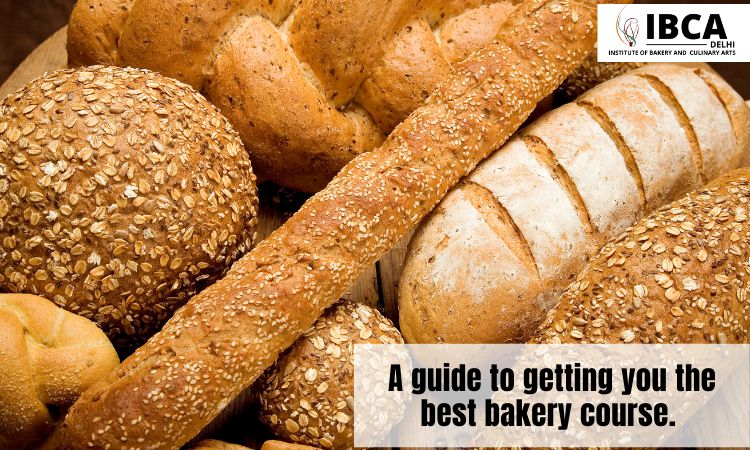
A guide to getting you the best bakery course.

Introduction. No matter what subject you are interested in, the right information always makes a big difference in your life. Here, we are going to talk about a career in Culinary Arts, which will definitely help. It is one such field that has a lot of opportunities and is quite diverse. Apart from that, we will be talking about several other factors that are related to this stream but cannot be ignored at all as well. If you do consider all these aspects carefully, then no doubt there can be no better way than choosing this as a career option for yourself. Bakery is one of the most popular and desired careers of all. It has many opportunities and is definitely a promising field to build an even better career in the future. There are several advantages to choosing this as your option and if you want we will be talking about them in detail. Lets us see why you should choose baking courses in India to help you land your dream job What does your future hold?  A bakery diploma course has many advantages and can help you get a better job. The benefits associated with these diploma courses are so many. Taking a look at these items before making a final selection might be a good idea. Going in for a bakery diploma course will provide you with a set of skills that are highly sought after by many. The fact that the course pays great attention to the client should not be ignored either. Those who go for these courses also get to work along with experienced staff members and also experience real-life scenarios. This helps them get better as well as improve their experience levels. There are two types of bakery and pastry diplomas: advanced and foundation. Both of them can give you the professional skills needed to work in the field. If you want to develop to a more advanced level, then you must get an advanced diploma because that is when you get exposed to advanced concepts that cannot be offered at the foundation level. However, if you are just starting out your career in this field and want to learn about the basics, then foundation courses are what you should focus on—they cover all core aspects of baking and pastries.  Benefits of joining this course This course is for people who are interested in going into the baking business or individuals looking for jobs in this field. If you want to get better opportunities than others when it comes to grabbing high-paying jobs, then this course is for you. You’ll also gain skills and experience that open 1000 doors of opportunities in the future. Even if you’re planning to become a teacher or engage in another job field entirely, this course can help you develop the essential knowledge required to start a bakery with confidence. After completion of this course, you will be able to: Why is it important to choose such from a reputed organization There are many baking courses in India available that allow you to learn more and more about baking cakes. If you think, it could be a great option for you then make sure you go through all the details of such courses before zero upon a particular college or institute. It will help you understand a lot better as well as will reduce the possibility of being misguided in any way. If you fall in this category then we would like to suggest you choose The Institute of Bakery and Culinary Arts as one of the best baking courses in India right now in order to fulfill your dream of becoming an expert baker one day CHEF IBCA IBCA is one of the leading institutions for Bakery & Culinary Arts in India. We have gained a reputation for being one of the most trusted names in this industry. At IBCA, we aim to give our students the right exposure and make them industry-ready. Our team of experienced industry experts has gained a wealth of experience in this industry to prepare the next generation for upcoming challenges in their Bakery and Culinary Arts Careers.  Conclusion Indian bakers are famous for minimizing their ingredients, concentrating on the tastes and flavors of each item. So for becoming a good baker, you need to learn how to combine various ingredients in the best possible manner. Classes on cake baking in Delhi can help you gain knowledge about various aspects of baking like how to select ingredients and their optimum utilization, what is different about baking and baking tools and equipment required for it etc. If you want to start a bakery business someday or join as a professional baker at luxury five-star hotels then learning proper baking skills will help you get started in your career at right time.

Bakery Institute

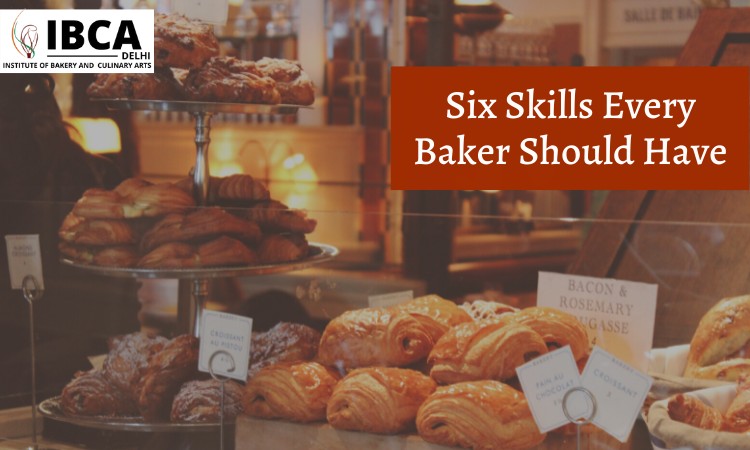
Six Skills Every Baker Should Have

It is not difficult to become a chef, but raising the bar is a difficult task. To become a successful baker, you’ll need the right knowledge and skills, as well as plenty of practice. Being a baker necessitates a thorough understanding of baking science, but this is insufficient. To become a professional baker, you’ll need more than just a basic understanding of how things work. You’ll also need practice and the right skills. If you want to work in this field as an aspirant, you should familiarize yourself with these ingredients and take a bread baking class so that you can confidently bake the item you want in the future. Baking appears difficult, but it can be turned into simple cooking if one understands the ingredients and selects them appropriately. It is the cook, not the food, that can make it difficult by selecting the wrong ingredients. A baker should learn work ethics in addition to getting the right ingredients and following the correct recipe. A baker ought to be able to meet tight deadlines in the most efficient manner possible. To perfect your baking skills, you’ll also need the personality traits listed below. 1. Understanding the preparation of dishes and ingredients In baking, time is of the essence. The process should go smoothly from start to finish once you start it. To make the best cakes, you’ll need to organize your kitchen, ingredients, and recipes. Rather than rushing up and down, and putting things together while the oven is baking, you should have everything ready. Being organized also entails weighing your ingredients ahead of time. Before you begin, weigh your ingredients and double-check all is ready to use and that you have all of the necessary equipment. These factors can lead to the baker’s becoming second nature at problem-solving, as well as being highly efficient and well-managed at first. You will learn these things in professional baking classes in Delhi. 2. Clear Team Communication The success of your bakery business is determined by your ability to communicate. Even in your baking space, you must be polite and firm when requesting assistance. hem. It’s critical to have a clear means of communication so that you can keep up with your work. How do you communicate with the customer when you are unable to deliver the cake on time in a way that he understands without becoming agitated? You might make a good cake, but not what the customer ordered; most likely, there was a communication breakdown somewhere along the way. At this point, your ability to communicate is your saviour. 3. Attention to Detail Baking is a science that requires precise measurements and temperatures, and art is all about the details. It is critical to measure and calculate. Because even a minor calculation error can result in a disaster in the end. Baking is a cooking method that does not require any trial and error. To crack the recipe, you must have the correct measurements as well as the proper oven conditions (temperature and preheat). When baking, meticulous attention to detail is required, beginning with reading the recipe from beginning to end before proceeding. You will learn most of the recipes in professional baking classes in Delhi. You may end up failing to understand what is required if you don’t understand the steps and processes. 4. Creativity with Flavor and Texture In addition to time-honored favorites, the world’s best bakers are constantly creating new crowd-pleasing pastries. The classics are what good bakers stick to. Great bakers are inquisitive, attempting new flavour combos and techniques. Although not all of those experiments will be successful, successful bakers can view these blunders as learning opportunities rather than failures. Cake decoration, which can range from brainstorming physics-defying cake structures to trying to craft elaborate sugar fondant flowers, is another way to express creativity in baking. 5. Excellent Hand-Eye Coordination If you don’t have natural hand-eye coordination, you can improve it with practice. Cake decorating, using a palette knife, piping, painting, and fondant decorations are all skills that take time and effort to master. When it comes to mastering these skills, it takes a long time. Inspiration and practice for new decorating techniques can be found in books and online tutorials. If you’re serious about improving your decorating skills, consider enrolling in professional baking classes in Delhi, which offer a variety of courses for those aspiring to be professional bakers.  6. Patience Under Pressure Many baking tasks necessitate taking time to allow important processes to take place. If you can’t keep your cool, things could get a lot worse. It’s crucial to know how to handle pressure, especially if you’re in charge of baking things in the right order. You will be expected to deliver the requested item on time. As a result, you must learn and adopt positive behavior that will assist you in getting through difficult times. For some baking tips and tricks, you can check out our YouTube Channel. IBCA Institute of Bakery & Culinary Arts.  

common cake baking problems and solutions
Bakery Institute

9 Common Cake Baking Problems and Solutions

Perfection in baking is not for everyone. We all know that the baking process does not always go as planned. We fantasize about baking a light and fluffy cake, but we end up making mistakes, and the cake baking develops into a dense block that is far from flawless. The second most common error while cake baking is taking the pan out of the oven before the timer goes off. Just when everything appears to be going pretty smooth, you see the lovely golden brown you imagined, and when you pull the pan out of the oven to discover it is still unbaked. You were only disappointed after you departed. Cake baking mistakes are easy to make, but thankfully Baking Course in Delhi gives you a chance to develop your baking skills. You will learn the art of baking and get to know valuable techniques that can help you enhance your abilities and make you a better cook in the long run. Cake Baking Mistakes to Avoid for Perfect Results So let’s have a look at some typical cake-baking mistakes. Too Dense If you’ve ever baked a dense cake that never seems to rise properly, there are a few reasons why this can happen. Cake flour may have been substituted for all-purpose flour, or too much sugar was used, but the most common reason is that not enough air was incorporated into the batter. Here are some tips on how to add air back into your batter while the cake baking process. When making cake, the first thing to do is to mix the batter. If your recipe calls for oil, try not to rush this step. Let the air bubbles form! A poor leavener is another cause of dense cake. Perhaps your baking powder or baking soda is outdated and ineffective. To help the batter rise and keep the air in during the baking process, you’ll need a decent leavener. A well-risen cake will not be dense! Too much flour adds dryness and heaviness to cakes and a collapsed structure. To keep your cakes light and fluffy, make sure you’re using cake flour instead of all-purpose flour. This recipe uses cake flour, but feel free to swap in all-purpose flour straight out of the bag if you don’t have any on hand. A hot oven will make your cake rise like a champ. Preheat the oven for at least 20 minutes before putting your cake in for the best results. If you have a convection oven, preheat it to at least 325°F instead of 350°F. A fan-forced oven needs less time to come up to temperature than an old-fashioned regular oven, so keep this in mind when testing your oven with an oven thermometer! Cake Overflows The heat from the oven seems to make the batter rise up and over the edge of a burnt pan, causing it to run out of the cake onto the bottom of the oven (and I’m sure you know what that can do). Filling your pan with less batter is the simplest remedy to this cake baking problem. Filling a cake pan halfway to two-thirds of the way up the edges is a good rule of thumb. A Sunken Cake While your cake may look nice on the outside, there could be a problem lurking in the middle. This happens more often than you might think. Two quick tests can help prevent a collapsed cake: 1.) Stick a toothpick or knife into the center of your cake. If it comes out cleanly with no sticky wet batter on it, then it is baked all the way through; if there is still batter on it or if it comes out gooey or wet, then give your cake another 3-5 minutes in the oven and retest again until fully cooked 2.) Use an instant-read thermometer (preferably digital!) to test for doneness. Once baked through, place a thermometer in several spots throughout the center of the cake; temp should be between 180-190 degrees F. Many things can cause sunken cakes while cake baking. They could be underbaked, over-baked, or if you put too much batter in the pan. To avoid this problem, make sure your oven is at the correct temperature, do not open and close the oven door too often and use ingredients as directed; otherwise, your cake will sink! Additionally, your cake will not maintain its shape and sink if your batter is not firm enough due to skimping on ingredients like eggs or flour. Lastly, it may also be caused by an air bubble formed during mixing and rising in the oven. This bubble needs to pop for your cake to settle evenly once cooled, making for a sunken appearance. Stuck to the Pan One of the most common cake baking problems is when a cake sticks to the pan. Although there are various reasons for this, one easy solution to try is to grease the bottom of your pans with shortening instead of cooking spray. It will help keep your cakes from getting stuck to enjoy a perfect dessert every time! Crusty Edges You may not know it, but a little bit of non-stick greasing goes a long way. If your cakes are tasting burnt and dry when they come out of the oven, it is likely because you’re making a mistake with the pan spray or grease. The most important part of greasing a cake pan is where you put the cooking spray – too much on one side of the cake, and it will cook unevenly. You should coat both sides with a thin layer of canola oil cooking spray so that heat can transfer from both sides evenly! Cake Batter is Too Stiff Adding too much flour when making cake batter will make your cake come out in a tough, dense texture. The stiff, sticky batter is usually due to adding too much gluten to the batter, which happens most often when over-mixing. Mixing for too long can also

Bakery and Pastry Classes, Bakery Institute, Baking Institute

How To Become a Professional Baker in 5 simple steps.

If you dream of working in a fun, fast-paced environment with fresh-baked treats, then consider a career as a professional baker. Baking is a creative and hands-on job that involves a variety of tasks, including mixing ingredients and portioning doughs and batters. To become a professional baker, you’ll need to acquire certain skills and take the proper coursework. Learn more about how to become a professional baker in this guide. Become a professional baker by completing your education, building experience, and perhaps even looking for paid internships. Here are five steps to help you start in this rewarding career. Finish high school or equivalent Though not a requirement, the end goal of earning a baker’s diploma is to pursue a culinary or pastry school. While most vocational schools do not require that you obtain the equivalent of a high school diploma, if your local high school offers an elective that would expose you to baking and/or nutrition, that could bolster your resume as an applicant to one of these types of programs. Consider attending a culinary or technical school to become a professional baker.  Many people don’t realize that the skills of a professional baker are not learned through experience alone. Courses designed to teach students how to bake bread and cakes are offered at culinary or technical schools throughout the country. These programs teach you how to make delicious baked goods and give you an understanding of nutritional and health issues related to baking. Whether you want to open your own bakery or learn more about baking as a hobby, attending culinary or technical school may be best. You can check out our YouTube Channel. Chef IBCA   Gain experience as an apprentice or baker’s assistant Picking up an apprenticeship in the baking industry is a great way to learn and build your portfolio. During your apprenticeship, you will receive training in safe food handling practices, sanitation, and other basic baking skills. As you work under a professional baker, you’ll have the chance to practice these skills until you become comfortable enough to take on more responsibilities. And by building relationships with other bakers, you may find it easier for you to land a job as a professional baker when it comes time to move on.  Choose a specialty Baking is a profession that requires a lot of hard work and dedication. To become a professional baker, it’s best to start by gaining some experience and learning about the different types of baking. After you’ve learned how to bake and gained some practical knowledge, choose what type of baking you are interested in so you can pursue your dream career! Commercial bakers work in manufacturing facilities and use equipment to mass-produce baked goods for stores. This can be a high-pressure job where workers often have to meet strict deadlines. However, the pay is competitive, and many bakers feel that their work has a higher purpose. A retail bakery produces and sells bread, cakes, and other baked goods to its customers. They work in grocery stores or specialty shops and bakeries to produce smaller amounts of baked goods for customers. A retail baker is responsible for creating new recipes for their customers. A pastry chef is a person who bakes and decorates desserts, sweet pastries, and other baked goods like cookies. They also create the dessert menu and manage all aspects of the kitchen pertaining to pastries. A pastry chef is also a skilled cake decorator and is often called upon to sculpt figures out of icing or other edible mediums like chocolate or gum paste. Artisan bread bakers are skilled at crafting and shaping bread on a small scale. Their bread is often made with organic flour, whole grain flour, and freshly milled grains. Bakery owner– If you’ve always wanted to open a bakery, this might be the perfect opportunity. Craft bakers may open up their own bakeries to have complete control over things like the menu and store hours, which means more goodies for their customers. Pie maker-These bakers specialize in making pies. They use similar culinary skills for fillings and crusts to make the perfect pies they hope will be devoured at an upcoming event. Cake decorators are responsible for making the finishing touches on a cake to elevate how it looks. These may be custom orders or themed cakes for special occasions. Food stylists have an eye for detail that turns ordinary food into something special. They use their knowledge of photography and product styling to create beautiful photos and visually appealing food products. They’re also experts at keeping foods fresh, plumped, and professional-looking while they’re shooting. Continue perfecting your art. Cooking is an art that should be practiced with freedom, creativity, and imagination. Always be on the lookout for new tricks or continue upgrading your recipes. Creativity and vision will also give you the tools for becoming a great baker who can continue to improve and grow. Practice Regularly– To improve your baking skills, try experimenting independently. By practicing new recipes and testing different techniques, you’ll get a better feel for what works and ways to improve your baking routine. Grow Your Network– Whether you’re just starting or you’ve been in the industry for some time, joining a professional group can help advance your career. There is power in numbers, and when you network with other bakers, you gain access to hundreds of bakeries worldwide who are willing to help one another. Continue your education– It is important to continue learning and be sure that you are staying up to date. There are always new ways to bake, such as adding more flavor or making clean ingredients. Taking additional classes can help you do this, and if you want to certify your skills, you can earn a certification. Learn the trade tricks and put your skills to use at Professional Bakery Courses in Delhi. Students will learn how to bake various baked goods from scratch and make specialty cakes, pastries, and other items during

Bakery Institute

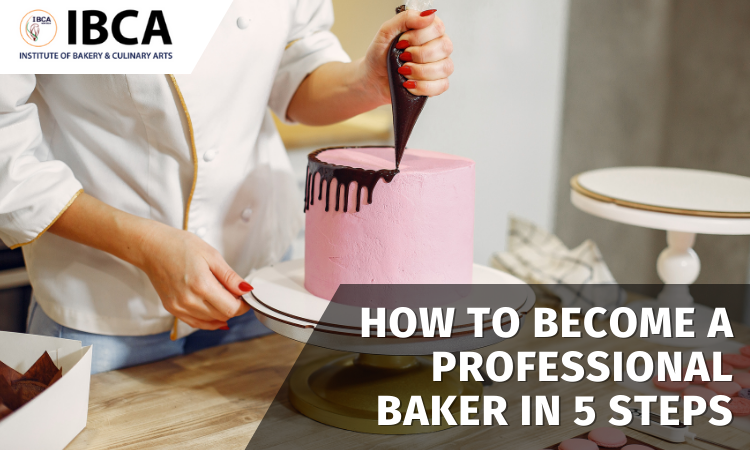
How To Become a Professional Baker in 5 Steps

How to become a professional baker From crusty bread and croissants to more intricate confections like macarons and kouign-amann, baked products come in a variety of shapes and sizes. Bakery work conditions can be equally as varied, giving this a versatile career path with a wide range of alternatives. The wage of a baker is determined by their number of years of experience, location, workplace, industry, and position. Specialty bakers, for example, often produce more than industrial bakers. Earning a certification from Baking school in Delhi can help you make a positive impression on future employers by demonstrating that you have the necessary knowledge and abilities to work in a bakery. In this post, we’ll go over how to become a professional baker, as well as the education, certifications, abilities, and experience you’ll need to get started. To become a baker, you’ll need a combination of experience and education, depending on your goals. To pursue a profession as a baker, follow these five steps:  1. Finish high school or equivalent If you desire to enrol in a baking school. These colleges require 10+2, which means you must complete high school in order to understand the fundamentals of the professional degree. While you don’t need a diploma to work as a baker, most vocational schools will need you to have the equivalent of a high school diploma before you can begin a culinary or pastry programme. Furthermore, if your high school offers an elective that allows you to gain exposure to baking or nutrition, take advantage of it to begin developing your talents.  2. Consider attending a culinary or technical school Even if you’ve mastered your own recipes, a culinary, technical school Baking school in Delhi can offer you vital skills to help you enhance your baking abilities and hone your art. Nutrition and health, various cuisines, proper culinary methods, kitchen management, and recipe computations are all included in the courses. Attending culinary or technical school is not essential, however, it may assist you in developing more advanced culinary skills. Sign up for a proper course, which can be either short or long term depending on your budget and time constraints. You can take hotel management courses at both private and public universities. Those interested in starting their own bakery should consider getting an associate’s degree in baking and pastry arts. Depending on the depth of the programme and whether you attend full- or part-time, a culinary or technical school degree typically takes one to two years to finish.  3. Gain experience as an apprentice or baker’s assistant It’s always better to work as an apprentice or as a baker’s assistant to get experience. Working at a local bakery as an apprentice, trainee, or helper can give you significant industry experience. You can learn safe food handling, hygiene, and other basic baking techniques by working under a baker for one to three years. Working as an apprentice or assistant baker allows you to form ties with other bakers, which might help you obtain a job as a professional baker later on.  4. Choose a speciality Find out what type of baking you are most interested in after you have had some experience baking from Baking school in Delhi. Depending on the course you take, you may need to acquire specialized skills. Plant bakers, for example, may use high-volume industrial tools and ovens that require specialised training to operate properly. Here are a few popular baking specialities to get you started: baker for commercial service These bakers labour in factories and use machinery to mass-produce baked goods for retail outlets. Baker in a retailing context These bakers manufacture smaller quantities of baked items for clients in grocery stores, speciality shops, and bakeries. Some retail bakers own their own bakeries and are in charge of staffing and inventory management. Pastry Chef Pastry chefs, often known as patissiers, operate in a professional kitchen and are often in charge of the dessert menu. They frequently create and select recipes, as well as supervise all aspects of the pastry kitchen. Baker of artisan bread These bakers specialise in handcrafting and shaping bread on a small scale, often by hand, using only conventional bread components such as flour, water, yeast, and salt. Owner of a bakery Craft bakers may create their own bakeries to have complete control over aspects such as the menu and store hours. Maker of pies These bakeries specialise in pies and employ comparable culinary techniques for fillings and crusts. Decorator of cakes Decorators add the finishing touches to a cake’s appearance with frosting and other accents, which are frequently ordered for special events. stylist for food These food professionals, who aren’t bakers, fine-tune food, particularly baked goods, to look their best for photography and presentation.  5. Continue perfecting your art The practice of fine-tuning your culinary expertise will continue for the rest of your career. Always be on the lookout for fresh methods to improve your recipes or new approaches to use. Of course, creativity and vision will provide you the tools you need to become a great baker who can advance and thrive in the future. Practice on a regular basis Weekly practice and experimentation with new recipes might help you improve your baking abilities. By trial and error, you may figure out what helps and how to be more efficient in the kitchen. Collaborate with others Having connections with other bakers might help you grow your career by giving job opportunities and professional references. Attend a baker networking event or join a professional organisation to meet more people in the industry. Continue your studies. Since baking techniques are always changing, it’s vital to continuously study. Earning a credential or taking extra classes online from Baking school in Delhi can help you achieve this.

Bakery Institute

Questions that you must ask before joining a Culinary arts training school

There are several culinary schools around the world, and many of them can teach you how to effectively manage a kitchen as a chef or restaurant cook. However, not all of them will teach you in the same way, you will not acquire the same knowledge, you will not have the same life experience, and you will not encounter the same type of people. The first step is to be clear about what you want out of life and what is important to you throughout the time you will devote to becoming a chef. Most culinary roles, including those on cruise ships, require some level of academic education. While you can climb the ladder simply on your passion and willingness to learn on the job, it may be simpler to acquire a foothold in the mainstream sector if you have some qualifications or experience. Culinary arts as a career Working in the culinary arts business is the ultimate aim for those of us who have had a lifelong passion for food. Many young cooks aspire to be able to create wonderful dishes every day and experiment with flavour combinations while watching the delight on their clients’ faces. The hospitality and travel and tourist industries are among the world’s fastest expanding. While other industries are experiencing economic downturns, the food industry continues to thrive, providing a steady stream of dependable work prospects. You will never be out of work if you choose a profession in the culinary arts. Instead, you’ll be spoiled for choice in terms of selecting a career that fits your interests and lifestyle. Why Should I Join IBCA? At the IBCA New Delhi, Educating kids for future success in the workplace. We make every decision to help our students advance in their careers and personal lives. Our curriculum, training, and services indicate that we value our student chefs’ different backgrounds. IBCA New Delhi has formed strategic alliances with a number of world-class Original Equipment Manufacturers (OEMs), Suppliers, and Training Resource Providers in order to provide the highest quality Industry Standard training and expose chef’s students to the latest technology and international operation trends. IBCA is one of the most prestigious learning institutions in India’s capital, providing an excellent platform for the development of future professionals in the artistic field of Bakery and Culinary Arts. Chef Balendra Singh, the IBCA’s creator, has more than 20 years of experience in the field and has established this IBCA from the ground up to be a learning centre for top chefs and best bakers in the country who thrive with contemporary challenges to become chefs and bakers of the next generation. So, before enrolling in a culinary school, here are a few questions you should ask yourself and the institution. What is the cooking school’s industry reputation? This may not appear to be significant, but in today’s competitive environment, fly-by-night operators are more frequent than ever. The internet has made it significantly easier to construct appealing websites that can deceive naïve pupils. In order to cross-check their background, inquire about the reputation of several institutions. If possible, phone or visit the school before making your final decision. Should I study for a bachelor’s degree or a diploma? Both options are available at many culinary schools. A degree entails four years of intensive training, in-depth education, and instruction in specific skills and management, such as personnel and budget management, as well as learning how to cook. Choosing a diploma means taking a shorter course that is often focused on a certain area of cooking – pastry and baking, bartending, or basic entry-level training. You can search around for the proper institutions that offer what you’re looking for based on your preferences, time, and financial resources. Is the institute situated in a culinary hotspot? This may not seem like a big deal, but being in a culinary destination has its advantages. There will be more opportunities for internships, externships, and even after-school work if authorised. A culinary destination will also expose you to a wide range of cooking styles, cuisines, and food initiatives. Delhi, for example, is an excellent culinary learning destination for students and entrepreneurs. What exactly is IBCA stand for? Which university are they affiliated with? IBCA stands for Institute of Bakery and Culinary Arts, and its main learning centre is in the capital city of Delhi. We are one of the main leading institutes in India in Bakery and Culinary Arts, and we are affiliated with City & Guilds (London) at Level 3. What kind of certification does it have? Accreditation does not always imply that a culinary management institute is of high quality. Other aspects mentioned in this essay will be more significant. However, obtaining a qualification recognised by business leaders and government agencies can help you get work. The Institute of Bakery & Culinary Arts is India’s foremost institute for learning Bakery and Culinary Arts, with affiliation with City & Guilds (London) for course certification. How interesting is the curriculum? The Institute of Bakery & Culinary Arts in India ensures that its students are up to date on the latest culinary trends. Look for programmes that are always evolving and provide room for creativity. Our curriculum at IBCA blends the best of basic technical knowledge with the most up-to-date culinary skills and smart business thinking to provide students with the highest chance of success. What courses does it provide? One of the most important courses provided by IBCA. This course is linked with City & Guilds, London, for international accreditation, and it provides broad exposure to industry working norms. This course teaches all of the basic Bakery foundations, as well as respective traditional methods, ingredient preparation, various stages, and provides them with enough experience to obtain entry-level positions in top bakeries and restaurants anywhere in the world. How competent is the faculty? Good mentors make a tremendous difference in the field of culinary education. Faculty must be very knowledgeable in their field so that you can learn as

Bakery and Pastry Classes, Bakery Institute

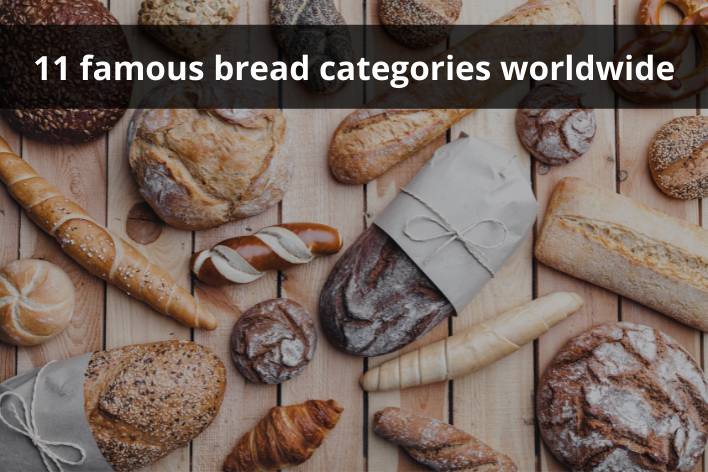
11 famous bread categories worldwide

Surprisingly, it is the worldwide baking market that is benefiting from society’s increased emphasis on healthy living. The millennial generation is a key demographic, and their growing disposable wealth is fueling a resurgent and diverse sector. To be a leader in establishing IBCA as India’s premier learning centre for Bakery and Culinary Arts. Providing the best teaching standards for future students and taking the initiative to incorporate more creativity into their learning curve. Low-carb diets may attempt to eliminate bread, yet it remains “the staff of life” for the vast majority of us. Yes, it’s carbohydrate-laden, but there’s a reason why bread has been a mainstay of the human diet since the Neolithic period, some 10,000 years ago. It’s delectable. It’s also budget-friendly and filling. Because different types of bread have been loved by so many people for so long, it’s not surprising that a slew of superstitions have sprung up around them, such as the legend that whoever eats the last slice must kiss the cook, or the old wives’ tale that eating the crusts will cause your hair to curl. The development of the baking and food industries has always necessitated the acquisition of new skills and the creation of new work possibilities. We’ve tailored our programmes to fit the city and guilds curricula, and we recommend that you partner with us to meet your personnel requirements. When we think of bread, we think of how substantial it is in terms of nutrition. Bread is not only an accompaniment but also a vital binding factor in most countries, including India. But this wheat and water mixture represents so much more than just being the most vital ingredient of a meal. The science behind the taste and texture of bread, like any other meal, has evolved over time through a lot of trial and error. After all those years of hard effort and research, the entire world now has bread that is native to their respective countries, states, or cities. India is currently developing in tandem with the progress and upgrading of educational facilities. India’s educational and management services are well-received around the world. India’s citizens are reaping the greatest benefits from this opportunity. Obtaining and acquiring as much knowledge as possible in order to make successful careers for themselves. Cooking and baking passions are encouraged and cultivated in a variety of settings. Bakery Institute in India is one of the top, offering a variety of professional bakery courses. 1. Baguette de France, France The French baguette is a long, thin loaf of bread with a crusty flavor. Wheat, yeast, water, and salt are used to make the bread. The name “baguette” is derived from the Italian word “bacchetta,” and steam ovens were first used to bake French bread in 1920. With a baguette, the bread is ideal for appetizers and meals. The crusty section of the finest is excellent for strews and soup. Baguette is also used to make delicious sandwiches and is often available on Parisian streets with baguette and jam. Bread’s Origins: The bread is well-known for its origins in France. The traditional gastronomy of France is well-known. 2. Middle Eastern Pita Bread Pita bread is a light and airy flatbread made with flour, water, yeast, and salt. The bread is baked in a hot oven until it puffs up, flattens, and cools. The bread also aids in the reduction of cholesterol and the regulation of blood pressure. As a result, it is widely utilized on a daily basis in all Arabic countries as compared to other breads. Meats, falafel, shawarma, and salads can all be served with the bread.Bread’s Origins: Pita bread is a Middle Eastern bread with a long history. The bread is thought to be particularly nutritious. Many Middle Eastern immigrants arrived in America in the early 1990s, bringing with them Pita bread and spicy dishes. It is now quite popular and widely consumed all over the world. 3. Mexico’s Tortilla Corn tortillas, often known as Tortillas, are manufactured from maize flour. It’s a flat, thin bread. Tortilla is such a flexible bread that it is a must-have in any Mexican cuisine. It’s used in a variety of tacos. White, yellow, blue, or red corns are used to make them. Tortilla flour is widely utilised and is rapidly rising in the flour business. In the United States alone, there are around 450 tortilla manufacturers. Bread’s Origins: The bread’s origins are in North America. In Mexico, Tortilla reigns supreme in almost all cuisines. In a single day, a typical Mexican family of four can consume up to 2 pounds of Tortilla. In 2015, tortillas were famous all around the world. Bread is consumed all across the world and is continuously increasing in popularity. The 24th of February is National Tortilla Day around the world. 4. Ethopian injera Teff flour is used to make injera bread, which is named after the Amharic term “yatafa,” which means “lost” in English. It’s a flat bread with a soft texture that’s great for strews and sauces. Teff is a sour-tasting grain that is both ancient and healthful. For a spongy and acidic taste, the flour is combined with water and fermented for many days. The dish is served on top of Injera, which also serves as a tablecloth. It’s used to hold food in place. The Bread’s Origin: Injera is the bread’s origin. Ethiopia, Eritrea, and Somalia were among the first users of the bread. Ethiopian cuisine consists primarily on a wide variety of vegetables and spicy meats served with Injera bread. 5. Poland’s Bagel The bread is created by hand since it must have a round shape with a round hope in the centre. Wheat dough is used to make the bagel bread. The flour is baked after it has been combined with water. Bagels are popular all around the world, and they’re delicious with cream and cheese or just plain coffee or tea. Bagels are the only type of bread that is boiled before baking.

cheesecake and egg substitutes what works best
Bakery and Pastry Classes, Bakery Institute

Cheesecake & Egg Substitutes: What Works Best?

A sweet and creamy cheesecake is what dreams are made of, but for amateur bakers, this classic baked delicacy might be intimidating. It’s no surprise that we usually leave the cheesecake to the professionals because there are so many things that might go wrong (cracked top! slumped-in crust! crumbly texture!). One common challenge is finding the right egg substitutes for those who prefer eggless baking. But, after perfecting the Institute of Bakery & Culinary Arts recipe, well-known pastry Chef BALENDRA SINGH knows a thing or two about cheesecake perfection. If you’re passionate about baking, you can refine your skills with baking courses in Delhi at IBCA and learn the secrets to making flawless desserts. Hello, Bakers! “What can I use as egg alternatives for baking?” is by far the most popular question I get. Lately, I’ve been getting this question daily, which has made me wonder if I’m catering to this audience sufficiently. I aim to make my baking and recipes accessible to everyone, but there has been such a demand for vegetarian baking, egg substitutes, and egg-free recipes that I want to provide you with the tools and information you need to bake happily without eggs while still getting Big & Bold results. Why Eggs Are Important in Cheesecake Cheesecakes include eggs for a variety of reasons, the most essential being their role in providing structure to the custard and holding everything together. Flour, sugar, vanilla, lemon peel, and cream cheese are all used in the basic recipe. When you add an egg to the mixture, it helps in smoothing and fluffing it. Eggs are used in cheesecake because they have thickening properties and hold the entire cheesy mixture together. Egg proteins thicken as they unwind and link together in their uncooked state. When eggs cook, this process completes. The egg yolk’s emulsifiers, lipoproteins, and lecithin contribute to the cheesecake’s creamy, silky texture. Almost every cheesecake recipe calls for either gelatin or beaten eggs, which are used as setting or thickening agents. Without eggs in the preparation, the cake will not set properly, leaving you with cream cheese pudding. As delicious as cream cheese pudding sounds, it is more like buttercream—only suitable if kept very cold, as it becomes quite hard. In a nutshell, eggs are required to make the Cheesecake: No-bake cheesecakes are made with the cream cheese ‘pudding’ described above, which is chilled for several hours before being placed on a cookie base. Steps to Replace Eggs in Cheesecake Recipes Does Cheesecake Always Have Eggs? Baked cheesecake does, in fact, include eggs. If you look at conventional cheesecake recipes, you’ll notice that it involves eggs. However, yogurt can be used in its stead. Ricotta and cream cheese were used in traditional cheesecakes. The custard becomes silkier when eggs, particularly the yolk, are added. As a result, the cheesecake turns creamy and delectable. When a recipe doesn’t call for an egg, it means you don’t have to bake it. The majority of cheesecake recipes include eggs. No-egg cheesecakes are also known as no-bake cheesecakes, and they’re a unique but tasty treat on their own. Can I Use Egg Powder Instead Of Eggs? Powdered eggs are useful for a variety of baked goods, including nut loaf of bread, handmade cakes, biscuits, and more. You can use egg powder in place of regular eggs in any recipe that asks for eggs. Use one rounded 1/2 tbsp egg replacer powder and 2 tbsp (1/8 cup) water to replace one egg (filtered water preferred). If your recipe calls for stiff egg whites, whisk together the egg replacer powder and water until stiff (this won’t work for recipes that rely significantly on egg whites, such as meringues). Can You Substitute Yogurt For Eggs In Cheesecake? If you look at conventional cheesecake recipes, you’ll notice that it involves eggs. However, yogurt can be used in its stead. Ricotta and cream cheese were used in traditional cheesecakes. The custard becomes silkier when eggs, particularly the yolk, are added. Many people enjoy using yogurt as an egg substitute in my eggless sponge cakes. Yogurt not only enhances the flavor of our recipes, but the natural fats in it also make them fluffier and richer. One egg can be replaced with 14 cups of yogurt. When using this simple egg substitute, bear in mind to use thick yogurt. If you make your own yogurt, there’s a risk it’ll be loose. If that’s the case, straining the yogurt and separating the surplus liquid is a good idea. You can use it as-is if your homemade yogurt just has a small amount of water in it. There’s no reason to stretch it now. Are There Any Eggs In A Cheesecake Recipe? Baked cheesecake does, in fact, include eggs. If you look at conventional cheesecake recipes, you’ll notice that it involves eggs. However, yogurt can be used in its stead. Ricotta and cream cheese were used in traditional cheesecakes. What To Do If You Don’t Have Enough Eggs In The Cake Mix? Various homemade egg substitutes are worth testing; here are a few that the IBCA claims will replace one egg in recipes where the egg’s primary function is to bind ingredients together (for example in drop cookies). What Can You Use To Replace An Egg In A Recipe? In most recipes, 1 teaspoon (7 grams) baking soda combined with 1 tablespoon (15 grams) vinegar can be used to substitute one egg. The most popular vinegar is apple cider vinegar and white distilled vinegar. When vinegar and baking soda are combined, a chemical reaction occurs, resulting in carbon dioxide and water, which makes baked goods light and airy. If you look at conventional cheesecake recipes, you’ll notice that it involves eggs. However, yogurt can be used in its stead. Ricotta and cream cheese were used in traditional cheesecakes. The custard becomes silkier when eggs, particularly the yolk, are added. Baked cheesecake does, in fact, include eggs. If you look at conventional cheesecake recipes, you’ll notice that it involves eggs.

Bakery Institute

Ultimate Guide to Start a Bakery Business & Run It Profitably

Do you want to start a bakery business in India? Then you must read this article as we are going to discuss many things about bakery business that can help you start a bakery business in India and run it profitably. So let’s discuss in detail how you can start a bakery business. Food businesses are one of the most profitable kinds of businesses. Baked products such as cakes, cookies, etc have a good demand among the people due to their deliciousness. The importance of bakery products such as cakes has grown to the extent that they have become an integral part of the celebration of almost every kind. So starting a bakery business is a good idea. If you are a skilled baker you can start your own bakery business anytime with a good investment. But to run it profitably you must create your own bakery business plan. Just as every business you need to have a proper marketing strategy in place so that your bakery makes Choosing the Type of Bakery Business: Before you think of a marketing strategy you need to choose the type of bakery you want to start whether a wholesale bakery business or a retail bakery business. Wholesale Bakery Business requires you to have a lot of investment as you need to invest a lot in various kinds of bulk baking equipment and staff. Moreover, you need to have a lot of experience in baking because you need to co-ordinate many bakers. Starting a retail bakery business is easy as you would need low capital to invest and not much experience needed as in the case of the wholesale bakery business. So the following are some of the kinds of retail bakeries you can start. 1. Home Bakeries: This is the best way to get started with the bakery business especially when you want to test the profitability in a particular location. You can test what bakery products have good sales among the people living in that area so that you can estimate your profits. Moreover, you don’t need to have much investment. So this could be a possible option to test and then convert this into a big business by investing in equipment etc based on the demand for the bakery products in that area. 2. Specialty Bakeries: Specialty Bakeries don’t offer many kinds of baked goods to their customers. They usually accept orders only on specific baked goods for a period of time and deliver them to their customers. For example, cakes are made in many bakeries that offer other baked items as well. But in the case of specialty bakeries, they usually make only wedding cakes or personalized cakes which make them unique as they are specialized for such cakes. Moreover, the baked products offered by the specialty bakeries are much better compared to the ones ordered from normal bakeries both in taste and design. So people prefer to order from this kind of bakeries rather than the regular ones even though it may cost them a higher price. Not just cakes but also specialize bakeries can offer special pastries, cookies, etc as well. 3. Bakery Cafe: Starting a bakery cafe requires having a good amount of space to have dining tables and chairs. Generally, these offer various beverages like tea or coffee and soft drinks along with baked products such as cakes, cookies, etc in their menu. These can generate much revenue because of the fact that you can upsell many things as people can peacefully sit and eat. The only constraint with the bakery cafe is to find a perfect location with a good amount of space that can attract many people to come inside the bakery cafe. 4. Online Bakeries: Online Bakeries have become a trending type of bakery business. You just need to start a website with the images of all the products that you offer along with a payment gateway integrated into the website to collect the payments online. Later you just need to bake the product and deliver it to the customer. This way you can reduce your costs on paying huge rents for space in a good location and have your kitchen at any place where the rent is minimum. Now you just need to choose the kind of bakery business that would suit you based on your skillset, money you can invest, etc. Once you are done with selecting the type of bakery you need to create a bakery business plan by taking various factors into consideration before you start your bakery business. Bakery Business Plan in India: To make a business plan for your bakery business, you must check and decide about various factors that can help you run the bakery business successfully. Let’s discuss some of the factors that you need to consider while making a plan. Factors to Consider: 1. Location: You need to select the space smartly for the bakery business to run it successfully. Check if there are any competitors nearby and see the number of people buying from them. You also need to figure out whether the market is too saturated with many bakery businesses or a particular competitor is so strong attracting the entire people there. Choosing the right location can definitely increase your revenue and profits so that you can get back the initial investment made to start the bakery. Especially if you are planning to start a bakery cafe then you must check whether you can get enough space for having the dining area for your customers apart from the space required for your baking. 2. Equipment Needed to Start a Bakery: Every bakery needs to have good technology equipment so that you can bake the products faster and serve them to your customers easily. Moreover, the equipment required will depend on the type of products that you going to sell in your bakery as baking different products require you to use different baking tools. You need to select all such equipment required

Scroll to Top
Call Now Button