

IBCA

india leading institute of bakery and culinary arts
Bakery Course, Bakery Institute, Baking Courses, Baking Institute, Cake baking classes in Delhi, Culinary Institute, Diploma in Pastry and Bakery, IBCA

What is IBCA? A Deep Look Into India’s Leading Institute of Bakery and Culinary Arts

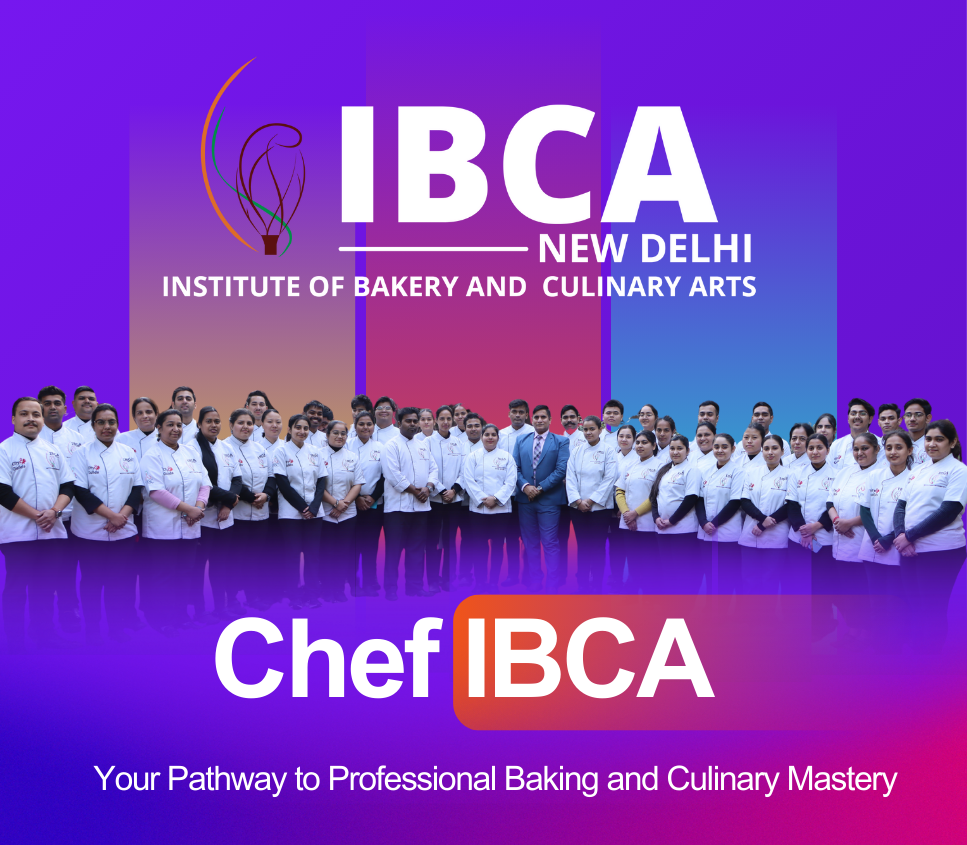
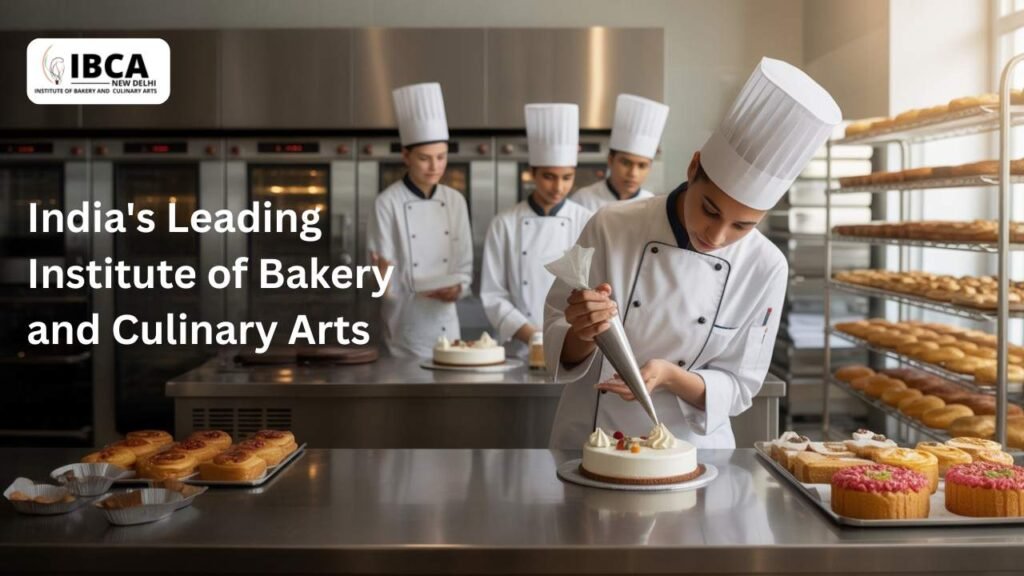
Imagine this scene- your food not only tastes super good but also makes you a superstar in the culinary world. Think about it and say wouldn’t you want to make it your career? If yes, IBCA brings you the right opportunity for fulfilling your dream.  For young people interested in bakery and culinary arts, IBCA provides a platform where they can receive international-level training under the guidance of experienced chefs. IBCA is among India’s most trusted and leading culinary institutes that transforms young people’s passion for bakery and culinary arts into their professional success. But who exactly is IBCA? Read this blog and you will know everything about it.  IBCA Full Form- Institute of Bakery and Culinary Arts The full form of IBCA is the Institute of Bakery and Culinary Arts. It is located in Delhi and prepares students with professional culinary and bakery skills.  IBCA doesn’t just give lectures theoretically, but on hands-on experience. It has modern kitchens and bakery labs that help it offer the best training and real-world experience to the students.  The culinary experts offer students in-depth knowledge of baking techniques, culinary arts, and food presentation. Why? Because the institute wants them to be ready for industry that demands quick time management, teamwork, and entrepreneurship skills. About Chef IBCA Delhi IBCA is the best institute for passionate young people who are looking for professional training on their cooking and baking skills.   IBCA offers them practical training and guidance from industry experts. They are experienced, expert, and have certifications regarding the subject they teach. The students learn from the experts only and get proper guidance from IBCA. Notably, the experts not only stop at Indian culinary but also teach international-level techniques, preparing students for opportunities overseas. Students at IBCA get:  Why Is IBCA India’s Leading Bakery & Culinary Institute? IBCA is the leading bakery and culinary institute in India. But what makes it special? Here’re the following reasons:  The chefs trained at IBCA are highly experienced, with international experience. Being under the guidance of experienced professionals develops the skills to face challenges. Students learn directly from real faculty at IBCA and can understand and apply their techniques, recipes, and cooking styles. This significantly improves students’ culinary skills and practical knowledge. IBCA’s syllabus is designed by international mentors and includes modern techniques in continental cooking, bakery, and pastry. With its modified regulations, students receive training from India’s best faculty. They learn from experienced standards from around the world, giving them the confidence to work at an international level. Many institutes don’t focus on students’ practical training. They emphasize the theoretical aspect, but this doesn’t give them an understanding of the real world. IBCA’s primary objective is to strengthen students’ practical skills. How? By focusing on practical training to empower students to cook well but also strengthens their understanding of practical requirements.  IBCA’s management connects students with workshops, competitions, and the bakery industry for internships. This helps them with real-world experience and opportunity to strengthen their professional networking. This helps students to connect with the real industry experts who already have a successful career. Such programs open new doors for students’ careers. IBCA has a proven and successful track record of students getting placed in the best hotels and restaurants in India and abroad alike. But that’s not all!  Several students have opened their own restaurants or bakeries and run successful businesses and created a name for themselves.  Courses Offered at IBCA  IBCA offers a wide range of courses in Bakery and Culinary Arts- Course Name Duration Ideal For Diploma in Bakery and Patisserie 12 Months Aspiring bakers & pastry chefs Diploma in Culinary Arts 12 Months Future professional chefs Hobby Bakery Course 3 Months Beginners & enthusiasts Short-Term Certificate Courses 1-3 Months Working professionals upgrading skills Student Success & Placement Stories Students trained at IBCA are building their careers with pride. They are everywhere- from top Indian hotels & restaurants to abroad and cruise ships. Here are some of the IBCA alumnus:  These are a few examples from the hundreds of students who have made their passion a fruitful career. Their career growth is rapid, helping them become financially strong and independent. Not to forget that Chef IBCA’s placement network connects students with a promising and lifelong career path. How IBCA Shapes Future Chefs? IBCA provides students with a platform where they receive hands-on training in a real kitchen environment. Why? Because it directly teaches to become an expert and its objective is to enhance creativity and sharpen the future potential.  Here, under the guidance and presence of experienced chefs, students learn modern techniques. This means students also learn international cuisine and the art of food presentation. This becomes more important when a student is eager to work overseas. Moreover, real-time feedback and industry exposure elevate their careers, shaping their futures for good.  How to Join IBCA? The process to join IBCA is simple. You can find contact details on the Contact Us page of its official website. Conclusion This is 2025 and people are not rigid about their career. They are experimenting and achieving success doing what they love. Culinary is one of those careers for the new young generation.  But here’s the catch with culinary courses:  Students need modern technology and practical training. In fact, these are essential for young people who are interested and want to build a career out of it.  Here comes the institute IBCA!  IBCA (Institute of Bakery and Culinary Arts) provides hands-on, practical training under the guidance of experienced chefs. IBCA focuses on not only teaching recipes but also to develop creativity, professionalism, and discipline.  Are you looking to build a career in culinary arts? If yes, IBCA is the one right place to join.  FAQs About IBCA IBCA stands for the Institute of Bakery and Culinary Arts, Delhi. It provides professional training and focuses on hands-on, practical learning. IBCA is based in Delhi, the capital city of India and has now become one of the best bakery and culinary
chef salary in India
chef salary in India, IBCA

Average Salary for Chefs and Bakers: Understanding Your Earning Potential

Becoming a chef in India is both easy and difficult. I say it is difficult because of the chef salary in India. Yes, we all know that India is recognised as an economy of cheap laborers, where any foreign company or hotel can hire Chefs and bakers at a low salary package. This industry keeps evolving, so if you want to make a career by becoming a chef or a baker, you can do it. As a chef, you have to cook the food, prepare it, and present your delicious dishes, depending on where you work, like a restaurant or hotel. As a baker, you bake and produce various food items, from bread to pastries. The job markets for chefs and bakers in India are expanding. You might be thinking that why understanding the Culinary professional salary is important to understand? This is important because, with the help of this fact you can make a decision that you want to become a chef or a baker or nothing out of these two, you want to do something else in your life. If you understand a chef’s salary in India or a baker’s salary, then it will help you to choose the right profession for yourself and you can do long-term planning easily. Factors that determine salary Now I am going to tell you some factors, you can understand with the help of those factors how salary packages differ for different people. Years of experience  By the way, this is one of the most important factors to determine the right salary package. If you have more experience, for example five years or more then there is a chance that you will get a good salary package and vice versa. Education and certification  It will be seen that attending a culinary institute in India may lead to improved earnings. When comparing the wages of the chefs and bakers today with no culinary education and certification to those with professional training and certification now we find that more of them enjoy higher wages.  So if you get your certification from reputed culinary schools then it will add to your credibility, and then you have chance to get position higher than the culinary professional salary scale. Geographical location This is a major factor that is impacting your salaries. A chef’s salary in India and baker’s salary will vary widely depending on the region and city. If you are working in Mumbai, Delhi, and Bangalore then, you will receive more pay because the living cost is high and the demand for luxury restaurants is constant. Hence the offered salary packages shall in the rural area, be lower to match the low standard cost of living and the general lack of demand for high-end dining services. Location is important, especially in the geographical area you choose to set your venture. Type of establishment Their salary is dependent on the place they are working; if they are working in a premium hotel, fine dining restaurant, or well-established bakery then the wages would be higher than if they are working in a casual dining place or a small-scale bakery. This depends on the type of chef whether he or she is working at a Michelin-starred restaurant or in a local dinner. In the same way, the wage structure of the bakers would also differ whether they are working for a luxurious pastry shop or for a supermarket’s bake shop. Specialization If you have a specialization in a particular cuisine or a cooking technique, then you can earn higher salaries. There are various chefs who specialize in cooking Italian, French, or Japanese earn higher salaries due to the demand for these skills. Similarly, bakers who have specialization in artisanal bread, gluten-free products or decorate cake properly will earn more than the bakers who don’t have any specialization. The average chef salary in India Entry-Level Chefs The average beginning gross salary during starting your career usually lies between ₹2,00,000/- to ₹3,50,000/- per annum in India. Some initial jobs are common such as commis chef or a line cook when you are bound to learn more by assisting experienced chefs. You will learn how they work, how they cook, or any other thing to do with their work ethic. Mid-Level Chefs As you progress through your career and are given more and more responsibilities your remuneration will rise. A Mid-level chef has the opportunity to earn up to ₹4,00,000 and ₹7,50,000 per year. Here you will coordinate and supervise the kitchen employees besides being the one to ensure that the kitchen food remains standard besides being the one to develop more food offers resulting to larger earnings in the culinary profession. Executive Chefs This is the highest position in this industry and normally needs a first degree plus several years experience on the job. An executive chef is responsible for whole teams and sections of the kitchen and frequently reports on the business aspects of the kitchen. The income of an executive chef in India can be expected to be between 8 lakhs to 20 lakhs per annum depending upon the place one is working. The average salary of bakers Entry-Level Bakers When you start your career as an entry-level baker, you will earn between ₹1,80,000 and ₹2,50,000 per year. Where you will earn basic baking techniques, including mixing ingredients, monitoring baking times, and producing standard baked goods. For the Veteran As you will gain experience, you will see a significant increase in your salary. The average income for experienced bakers typically ranges from ₹3,00,000 to ₹5,00,000 per year. You will handle more complex tasks, such as creating custom cakes or working with specialized baking techniques. Master Bakers When you will become a master baker, you will have many advanced skills and you will work in specialized or high-end bakeries. You will be earning between ₹5,50,000 and ₹8,00,000 or more annually. These roles require a deep understanding of baking science and artistic presentation, reflecting your high position on the baker

essential-ingredients-and tools-for-baking-cakes
IBCA

Baking Tips for Perfect Cakes

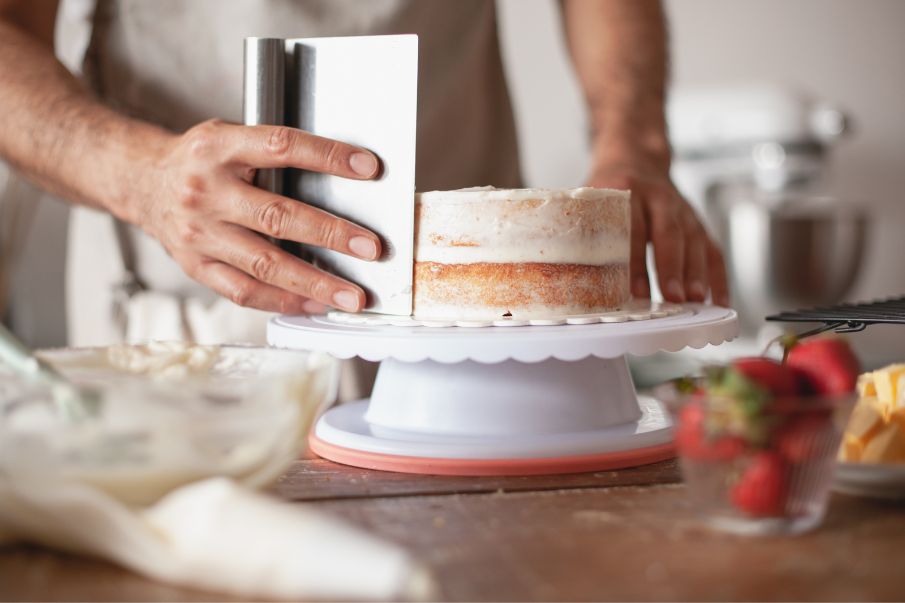
Baking is a dance of precision where ingredients for the chocolate cake are an addition to the symphony of flavors. But, it also needs adequate tools as well as ingredients that should be used in appropriate quantities. Baking is something that is more about the passion that induces a degree of perfection in every element prepared.  In this blog, we will delve into the world of baking while discovering all the basics and knacks that will be the ultimate cake-baking tips to steal.  Essential ingredients and tools for baking cakes Ingredients Here is the list of ingredients and tools that are important to use while baking: This is a fine powdery substance that is kept in a bag and a container. This is specially  used to give shape to your cake. Sugar just looks granulated or can also be called brown crystals. Sugar is generally  used to add sweetness to your cake. Eggs are generally used to add moisture, eggs just look like an oval that is stored in a carton. Baking soda is generally sorted in a container that just looks like a white powder. It will help you to raise the cake. Milk is a white colour liquid that can be stored in a bottle or carton that helps to add moisture and richness to your dove. Read More: 9 Essential Ingredients Every Baker Needs Tools  This is the most important tool for baking, this is used to maintain the temperature of the ingredients. Mixing bowls come in various sizes that can be used to combine different amounts of ingredients. The purpose of this amazing tool is to measure the quantity of the liquid will help you avoid wasting resources. One of the important cake-baking tips is that you should be mindful of converting between volume and weight measurements. If you want to use an electric mixer then you must be good at bakery skills. While using this product you should slowly increase the speed to avoid a problem and make sure to mix properly. This is also considered as a most useful tool for baking. Before starting you should match the size of your pan with your specific recipes. Also, make sure to coat it with butter or with cooking spray to avoid sticking. This is a very thin-looking paper that helps to prevent the pan from sticking. You should use this in combination with proper greasing for easy removal. Understand the role of each ingredient  While baking ingredients play an important role, each of them has its contribution to your outcome. Here are some of the necessary ingredients that should be used while baking. Flour is one of the important and basic ingredients that is used to give texture to your cake.  For specific recipes, you should use flour which has the finest texture. Sugar can be considered an optional ingredient that is used to add a sewer taste to your cake or pastry. Before adding the sugar it is important to know that you should add sugar according to your sweetness preference. Eggs also play an important role while you are baking, providing structure as well as moisture to your cake. While baking you should make sure to better incorporate into the batter this is one of the cake-baking tips that should be considered while baking Milk is used to add richness to your cake and should be used in an adequate quantity. One of the cake-baking tips is that you should always prevent your milk from curdling when mixing at room temperature. Baking soda can also be recognized as a baking powder that contains both acid and base. This is specifically used to activate the presence of liquid as well as heat.  Baking and mixing techniques Baking and mixing techniques both are considered as the art and science for creating the best cakes and pastries. Knowing how to use these ingredients requires a proper baking and mixing technique. Let’s examine the technique of Baking and mixing. Creaming is a process of generating the air for lighter as well as for balanced distribution of sugar. Doing this technique will make your cake fluffy and light. This is a very important technique that is done to preserve acceleration ideal for delicate batters. You should slowly combine light and heavy mixtures by using a spatula. Whipping is a very common and most important technique for baking, this includes incorporating the air by forming high volume and lightness in your mixture. This is the most important technique in the process of baking that includes the integration of fats and contributing moisture to the batter. This is considered the most simple technique that is done with the purpose of blending the ingredients without overworking the mixtures. This technique should be performed gently and precisely. Basics of Frosting and Decorating Let’s examine some of the basic points about fostering and decorating  Fostering basic  Fostering is just like a sweet mixture that is used as a cover that helps to decorate the cakes. Some of the common types of food are butter cream, cheese, royal icing, etc. Decorating basic  Decorating is considered the most creative part of the process of baking.  Decorating is done to give the cake an extra look that makes it look more attractive.   Generally, piping bags and offset spatula are used to give the final product an extraordinary appearance. Common cake issues Baking is a very delightful process but at the same time, it can give you trouble. These issues arise because of some cupcake baking mistakes. Let’s examine some of the common mistakes which are as follows  You should avoid mixing cupcake batter for a longer period. This makes the ingredients less consistent and makes them more heavy. Never set the incorrect temperature as it can harm the dove. Keep a knowledge of adequate temperature for your specific recipe. Using an expired baking powder can infect your cupcake and lead to diseases. Instead, you should check the expiration date and then use it. Measuring an

common cupcake baking mistakes and how to fix them
IBCA

The Top 10 Cupcake Baking Mistakes and How to Fix Them

While having a sugar rush, a good cupcake is always something that helps. These miniature treats with fluffy muffin-style bread and cream whippings are simply delightful. They exist in a huge variety and can even be customized as per choice. This implies that different people can have different styles of making cupcakes.  Talking about the degree of perfection in making, there exist the 10 core cupcakes making mistakes that have high chances to be committed. These aren’t just restricted to the level of baking a person possesses. These are the ones that can be easily committed by a baking expert and even a seasoned baker. Also Read: Baking Tips – How To Get Better Result Every Time Master These Classic Cupcake Recipes The next step is to become comfortable with a few classic recipes after you have a proper understanding of the common mistakes. Because these recipes teach balance, texture, along with proper batter handling techniques, these classics are excellent for practice. Moreover, they are the type of cupcakes that actually everyone enjoys, making them perfect for both beginners and experienced bakers looking to strengthen their base. A few must-try recipes include: 10 Common Cupcake Baking Mistakes and Solutions Here are 10 common mistakes many make when baking cupcakes, along with simple solutions to ensure your cupcakes turn out perfect every time. 1. Use the Wrong Kind of Flour Using the wrong kind of flour without any proper information can degrade your dough’s consistency. These could lead to the final preparation of your cupcake to be extremely dry and crumby. Solution: Always use the all-purpose dough for preparation of the cupcake batter. These offer the best consistency required. Also, if you wish to have finer flour then don’t forget to sift it before. 2. Over and Undermixing the Batter One of the most common mistakes that happen unknowingly while making cupcakes is over and under mixing of batter. The overmixing leads to the batter becoming extremely dense. On the other hand, undermixing leads to lump formation. Both of these can be a hindrance while making good cupcakes.  Solution: Firstly, your aim while mixing should be to ensure the proper merging of all ingredients in the batter. Secondly, you must avoid rigorous and speedy whisking as it could lead to an extremely dense batter.  3. Mis-Measuring Ingredients In baking, the incorrect measurements of materials added to the batter can destroy the end result. As a beginner, it’s always a common mistake everyone makes. Such incorrect proportions can lead to dry or extremely moist cupcakes. Solution: You must always purchase a set of spoons and cups meant for measuring such elements. Also, a proper scale for the kitchen can also make your work even more perfect.  4. Underbaking or Overbaking Cupcakes Always end up making extra dry or moist cupcakes that fall apart?  That’s the most common yet crucial issue that happens a lot. Usually, the main reason for this, apart from others, is incorrect baking time. Either the cupcakes are baked for a longer period or taken out quite early. Solution: To avoid such situations you should always try to bake the stuff for a specified time period as per recipe. Also, to check the baking status of cupcake bread you can insert a knife or toothpick to check that. If the bread was uncooked then, the surface would be covered with some batter and more baking would be needed. 5. Using Butter and Chilled Eggs Adding cold materials like butter and chilled eggs should be done in the right way. Directly putting a spoonful of cold butter from block or chilled eggs can harm your batter’s consistency. Solution: Hence, always keep a note to add the butter and chilled eggs after 1 hour of being kept outside. This way, they will achieve a certain room temperature. Also, you can add butter by melting it but resting it to turn to room temperature again. 6. Cupcake Liners aren’t Used Using a structure that holds your batter right can lead to the batter sticking around the surface and corners.  Solution- Make use of appropriate cupcake liners with slight greasing. This will avoid sticking the batter to the surfaces. 7. Not Checking your Oven’s Temperature Among all the cupcake baking mistakes, the wrong  oven temperature is something largely committed. Again, it could lead to your cupcakes being undercooked or overcooked. Solution: You can definitely make use of the kitchen-based thermometers that can help you with setting the exact temperature required. 8. Opening the Oven while the Cupcakes are Baking All of us unknowingly opened the oven door multiple times to check the status of baking. But, it’s something that must be avoided as it could lead to improper cooking. Solution: Always try to sneak with the microwave’s own light and window. This way you can avoid opening it multiple times. 9. Unequal Frosting on Cupcakes The frosting is the additional layer on the cupcakes that make them look appetising. Messing it up reduces its overall beauty and desire to taste. Solution:  Never make use of spoons as it leads to uneven frosting. Making use of a good piping bag will help you do frosting in the best way and in a circular motion. 10. Uneven Decorating for Cupcakes Just like frosting, using uneven decorating elements for the cupcakes reduces the plating experience. Solution: Proper time should be allocated to the frosting process without any hurry. Also, using some quirky decorating stuff like sprinkles would be great.  Top Baking School to Support You The self-practised baking skills are always good for inducing the aspiration to learn. However, seeking process guidance to add a brilliant touch of perfection to your baking skills is what makes it an art. By joining one of the best Bakery classes in Delhi your own ideas will get an opportunity to be turned into an art of perfection, taste, and precision.  Making mistakes is a human thing but, avoiding the common cupcake baking mistakes on a regular basis is

Career-Advantages-of-Professional-Baking-Certificate
IBCA

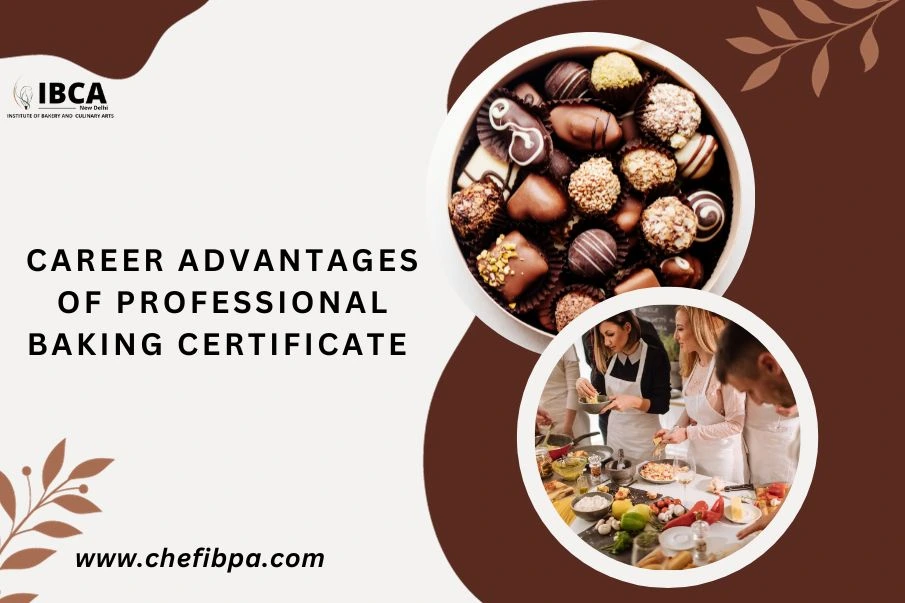
Career Advantages of Professional Baking Certificate

Baking Certificate are on an inclination edge. Big or small, students from each city are looking for their chances to get into the bakery field. You will find several YouTube channels dedicated to the bakery & cookery. Some of them are professional and some are really talented at showing their art.  However, I would like to take your attention to reality. Not all of us are talented enough so we need guidance. A professional bakery certification helps you to go through all the secrets and make a wild entrance into the market.  Professional baking certification advantages are not only about formal education but it teaches you some very practical lessons on different levels.  If you’re a student, looking for a career in a bakery or a professional who wants to revamp your career, a professional bakery certification can give a sweet ride to your dreams.  What is Professional Baking Certification?  A professional baking certification means the owner has all the mandatory skills to manage bakery services and management. The bakery skills include the art of bakery, knowledge about different ingredients, local & overseas, the role of different components in bakery, bakery tips & tricks, and office management.  He/she takes part in all bakery processes whether complex or routine or a special baked good. His/her responsibility also covers the supervision of other staff and managing the resources. A professional baking certification advantages offer eligibility to the holder to work with any renowned companies or start his/her venture for his entrepreneurial zeal. Professional Baking Certification Advantages:  1. Receive individualised attention from skilled chefs: When you come to the bakery with baking certificate courses, our first motive is to give you practical guidance to excel in your skills. Generally, you work under a renowned chef known worldwide or is already an entrepreneur in the industry.  They have seen & witnessed the industry adopting the new edges in their career. As experts in the industry, they have incredible knowledge and experience to share with their students.  During your tenure, you will be exposed to their background expertise and professional techniques. You will also learn to have resources at your disposal when you will create tasty & artistic dishes.  2. Skill Development: When you enrol for professional bakery courses, you in real register for individual training to upskill your bakery art. Bakery is a highly-demanded skill that includes making, decorating, and presentation of a dish. These skills are essential to pursue your dream bakery career. Pursuing a career in the baking and pastry art industry helps individuals to polish their craft.  3. Industry Credibility:  The baking certificate advantages comes with a badge of knowledge and experience that you gain in the professional bakery courses in India. Certificates in bakery ensure that you have a significant knowledge of the subject and practical industry experience.  A professional certificate equips you with the latest trends, techniques, and equipment understanding. The knowledge helps an individual to make a name in the industry and start a job or entrepreneurial journey. But the most important thing is that he/she knows what it takes to win the customers for the goods.  4. Job Opportunities: A professional bakery course certificate provides you with confidence in your studies, skills, and understanding of the market. The industry is in boom and looking for several bakery artists who can take this industry to the next level.  The opportunities are coming in loads. Anyone who has enough expertise in the subject can make a name in it. Graduates having a degree have better chances to pursue careers as pastry chefs, bakers, and cake decorators in the industry.  The booming restaurant industry has a high demand for talented bakers. However, the doors for a certified bakery entrepreneur are always open for you. 5. Networking: Networking is a big part of the bakery institutes. Baking certificate advantages offer exclusive training and opportunities to network with industry leaders. These are people who have experienced the industry, have made their name in it, and gathered tons of experience around the globe.  They are like-minded individuals who understand how rough this industry can be. Networking can help you get your desired job or off-campus guidance to the latest trends, techniques, and real-life startup value.  6. Mastery of Safety and Sanitation: Following the safety and sanitation process is as important as any other bakery technique. Safety and sanitation give a few pieces of mind and a clear progressive look for the next step of the dish.  Moreover, safety includes the right protocol while baking, preparing, and presenting the dish. If not followed, this can harm either the Baker or worse, the customer. Sanitation helps you to be safe against any kind of bacteria.  7.  International Recognition: International recognition is one of the USPs of a baking certificate advantages. Though this will take time, a bakery career offers you fame as well. You will get multiple opportunities to travel the world, meet the world’s celebrities, work with international firms, and create international fame. A bakery career is promising and bright for all.  Skills you require for Baking Certification:  Start Your Bakery Career Journey with Chef IBCA:  The international demand for bakery artists is on the rise. People from all around the world are looking at culinary and bakery as a promising career option. If you’re one of them, Chef IBCA bakery courses promise you to fulfil your desired career.  At IBCA, you get 10+ certificates & diploma in pastry and bakery courses to start your career. The courses are flexible and allow you to continue with part-time and full-time courses.   Why join IBCA?  Conclusion:  Professional baking certificate courses help you to learn valuable lessons in the creative field. But that’s not all. Unlike a regular formal course, a bakery exposes you to international trainers, communication skills, business lifestyle, hotels & restaurants, a like-minded environment, and opportunities to travel abroad. 

science-of-sourdough
IBCA

The Science of Sourdough: Fermentation, Microbes, and Flavor

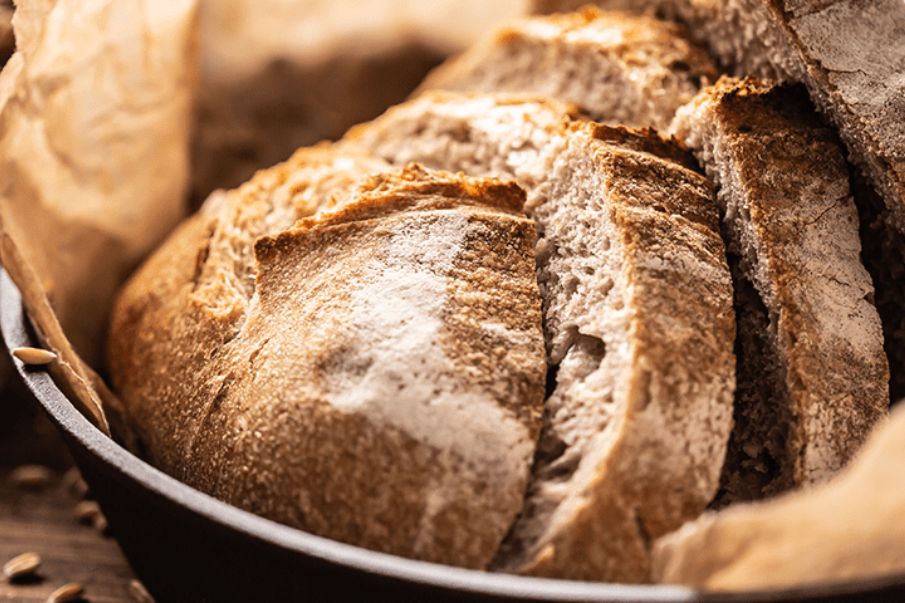
Sourdough bread has made a remarkable resurgence in popularity in recent years, and for good reason. Beyond being a delicious and hearty loaf, sourdough is a fascinating scientific process that takes place right in your kitchen. This ancient bread-making technique involves a unique microbial ecosystem, intricate fermentation, and a flavor profile that’s second to none. In this culinary journey, we’ll delve into the scientific intricacies of sourdough, from its humble beginnings as a starter to the mouthwatering bread that emerges from your oven. The Sourdough Starter: A Microbial Ecosystem At the heart of sourdough lies the starter, a living, breathing ecosystem of microorganisms. Creating a sourdough starter is like fostering a tiny, edible world of wild yeast and lactic acid bacteria. These microorganisms are what give sourdough its unique character. Wild yeast ferments the sugars, while lactic acid bacteria produce lactic acid, ultimately giving sourdough its signature tangy flavor. It’s this dynamic duo that turns a simple mixture of flour and water into a thriving community of microscopic life. Fermentation: The Heart of Sourdough Fermentation is the engine driving the sourdough process. Yeast, one of the star players, consumes the sugars in the dough and converts them into carbon dioxide and alcohol. The gas produced by the yeast is what creates those delightful air pockets in the bread, making it light and airy. Simultaneously, lactic acid bacteria work their magic by producing lactic acid, which contributes to the characteristic sourness of sourdough. This intricate dance of microorganisms is what transforms a mere dough into a masterpiece of flavor and texture. Acidity and pH Levels Maintaining the proper pH level is crucial in sourdough baking. The acidity in sourdough not only impacts the bread’s flavor but also its texture and shelf life. The ideal pH level helps control the activity of microorganisms, leading to a tastier and longer-lasting loaf. So, don’t overlook the science behind the pH – it’s one of the secrets to achieving that perfect balance in your sourdough. The Gluten Connection If you’ve ever heard someone with gluten sensitivity say they can eat sourdough, there’s a reason for that. The long fermentation process of sourdough actually breaks down gluten proteins, making it potentially easier to digest. This also contributes to the unique texture and crumb structure of sourdough bread. So, if you thought sourdough was off-limits due to gluten concerns, think again. The Sourdough Flavor Profile Sourdough’s exceptional flavor comes from a complex profile of aromatic compounds. Acetic acid, among others, plays a significant role in the development of these flavors. By understanding how these compounds work, you can take control of the flavor of your sourdough creations. Whether you prefer a mild tang or a robust sourness, knowing the science behind it will empower you to achieve the flavor you desier. Sourdough Hydration and Texture Hydration levels in sourdough are key to achieving the desired texture. The amount of water you add to your dough impacts the crumb (interior) and the crust (exterior). Higher hydration leads to a more open crumb and a crispy crust, while lower hydration results in a denser, chewier texture. Understanding how to adjust hydration for different textures will help you craft the perfect sourdough loaf every time. Troubleshooting Sourdough Even the most experienced sourdough bakers encounter challenges from time to time. Overproofing, underproofing, and other issues can affect your sourdough results. But fear not; there are solutions. If your starter needs a boost, we’ve got you covered. Our troubleshooting tips will help you maintain a healthy and active sourdough ecosystem. Conclusion Sourdough is not just a bread but a delightful journey into the world of culinary science. It’s a testament to the power of microbes, fermentation, and flavor development. As you embark on your sourdough adventures, remember that embracing the science behind it can help you take your creations to new heights. Experiment, learn, and savor the delicious results of your scientific endeavors in the world of sourdough. Happy baking!

Scroll to Top
Call Now Button