Uncategorized

Uncategorized

7 Top Cutting Techniques Every Chef Must Know!

Mastering essential cutting techniques for chefs: from cross chop to batonnet. Everything you need to know! Becoming skilled in using a chef’s knife is an essential art that every chef must master to stand out from the rest and work towards becoming a head chef. Knowing recipes, cooking techniques, and appropriate attire for the job is essential for a chef, but learning and mastering different cutting techniques is equally important. From the Julienne to the Batonnet, chefs are under constant pressure to learn the cuts, chops, slices, and dice. Here are some crucial cutting techniques that every chef should know to excel at their job and improve their skills. 1. Cross Chop : One of the cutting techniques that chefs should learn is the Cross Chop. This technique is ideal for quickly chopping small vegetables or herbs without worrying about presentation. To execute the Cross Chop, hold the knife’s handle with one hand and place the other hand on top of the blade to guide and control the chopping pace. Then, lift the handle of the blade and chop while keeping the tip of the blade down. As your hands are out of the way, they will be safe. 2. Rock Chop :  Another useful technique is the Rock Chop, which is similar to the Cross Chop. Hold the handle of the blade, keep the tip of the knife down on the board, and use your other hand to move the ingredient. As you chop, keep the blade still and push the vegetable-forward. Remember to curl your fingers to keep them safe from the blade. 3. Julienne Cut : The Julienne Cut is a fine cut where the thickness of each slice is between 1-2 mm. It involves cutting the vegetables into thin rectangular shapes, followed by using the fine slice technique to create thin matchstick shapes. This technique is commonly used for carrots, celery, and Julienne Fries from potatoes. Mastering the Julienne Cut is essential as it is the initial step for other types of cuts. 4. Brunoise Dice : Chefs can use the Brunoise Dice technique to dice the ingredients into small cubes. The cube size should be 2mm x 2mm x 2mm, making it the smallest dicing cut, popularly used for soups. 5. The Small Dice : The Small Dice technique is a slightly larger cut than the Brunoise Dice, with dimensions of 3mm x 3mm x 3mm. Chefs can begin this technique by Julienne Cutting the ingredients and then dicing them into slightly bigger cubes than the Brunoise. 6. The Batonnet : The Batonnet technique is used to cut baton-shaped vegetables like chips, with dimensions of 6mm x 6mm x 6mm. The Baton technique, on the other hand, is used to create large dice with dimensions of 12mm x 12mm x 6cm. Although not regularly used, the Baton technique is still a useful technique to master. 7. Pont-Neuf :  Lastly, the Pont-Neuf technique is only related to cutting potatoes. After peeling and washing the potatoes, cut them into 2cm x 7cm shapes to create chunky chips. Every chef must learn and master these cutting techniques to become an expert in their field. With regular practice, even new chefs can become professional chefs. Do you have a passion for culinary? Learn culinary art at its finest only at IBCA, India’s Most Premium Culinary Art Institute. Start your career as a professional chef today! Admission is open for July 2024 Batch, Apply Now!!

Uncategorized

Top 8 Tips For Writing A Chef Resume

Are you a chef looking to land your dream job? Your resume is the first step in the hiring process, and it needs to be a standout document to get you noticed. Here are some tips to help you create a chef resume that will impress potential employers: 1. Start with a strong header: The header of your resume should include your name, address, phone number, and email address. Make sure it’s clear and easy to read. 2. Highlight your experience: The experience section of your resume should showcase your culinary expertise. List your previous jobs in reverse chronological order and include details about your responsibilities and achievements. 3. Showcase your skills: In addition to your experience, highlight your culinary skills. Include any relevant certifications, such as ServSafe, and list any specializations, such as pastry or sushi. 4. Use keywords: Many companies use Applicant Tracking Systems (ATS) to screen resumes. Use keywords from the job description to make sure your resume gets past these filters. 5. Keep it concise: Your resume should be no longer than two pages. Use bullet points to keep it easy to read and avoid long paragraphs. 6. Include a professional summary: A professional summary is a brief statement at the top of your resume that summarizes your experience and skills. It’s a great way to catch the employer’s attention and make a good first impression. 7. Tailor your resume to the job: Customize your resume to the specific job you’re applying for. Highlight the skills and experience that are most relevant to the position. 8. Bonus tip! Sending your resume in a word processing format, such as Microsoft Word or Google Documents, is not recommended. The manager’s application or device could alter the format of your resume, giving the impression that you’re disorganized and unprofessional. Share your résumé as a PDF instead. Regardless of the hardware or PDF reader the manager uses, this is a static format that will display precisely the same on any device. Make It Count: Your Resume Is Your First Contact! It takes some practice to become proficient at writing a cook or chef resume. But if doing so would help you land your dream career, it will be well worth the effort! In conclusion, your chef resume should be a reflection of your culinary expertise and showcase your skills and experience. Use these tips to create a standout resume that will impress potential employers and help you land your dream job.

Uncategorized

Authentic Recipes Around The World

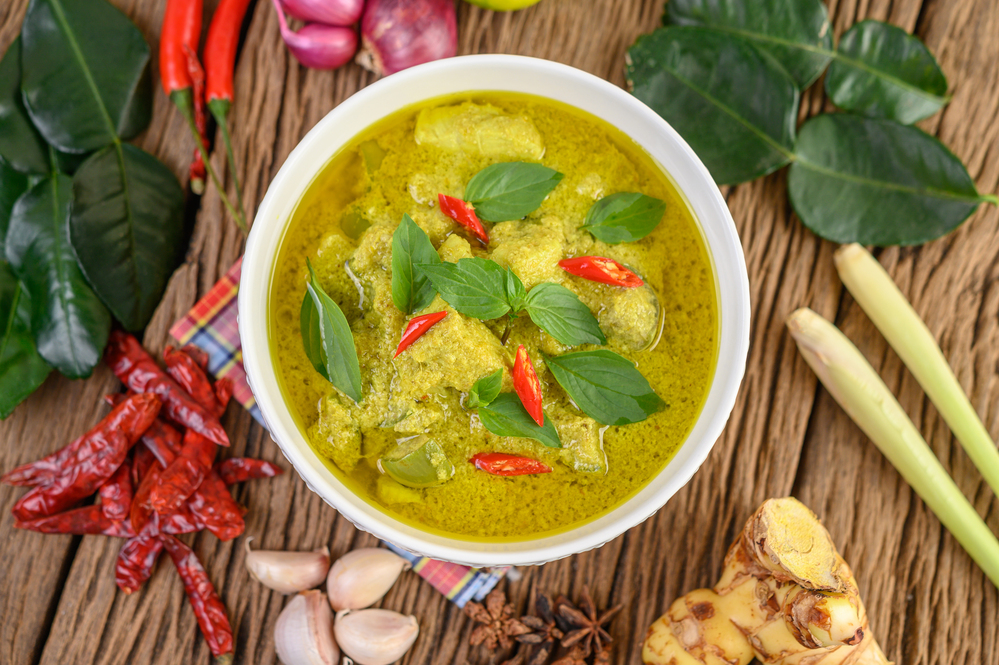
What makes a meal truly marvelous? Is it the presentation? While the ingredients surely play a part, most would agree that the technique used in the cooking and the chef’s patience are the deciding factors in a delicious meal. The flavors only come out once the food is cooked right. Therefore, we are providing recipes from various countries and regions and instructing how to make them authentically. Here is a list of recipes and advice for preparing them traditionally: Thai Green Curry To make an authentic Thai Green Curry, use fresh herbs and spices such as lemongrass, galangal, and kaffir lime leaves. You can also add vegetables like bamboo shoots, eggplant, and bell peppers, along with protein such as chicken, beef, or tofu. Serve it with jasmine rice and garnish with fresh basil leaves.   Mexican Tacos To make authentic Mexican Tacos, use soft corn tortillas, and fill them with seasoned meat, such as pork or beef, or grilled vegetables like peppers and onions. Top it with chopped onions, cilantro, and a squeeze of lime juice. You can also add salsa, guacamole, and sour cream to it.   Italian Carbonara Pasta To make authentic Carbonara pasta, use pancetta instead of bacon, and add fresh egg yolks, Parmesan cheese, and black pepper to the pasta while it’s still hot. Don’t use cream or milk, as it’s not traditionally used in Carbonara.   Indian Butter Chicken To make an authentic Indian Butter Chicken, marinate the chicken in yogurt and spices like cumin, coriander, and garam masala. Cook it in a tomato-based curry with butter, cream, and fenugreek leaves. Serve it with basmati rice or naan bread.   Japanese Sushi To make authentic Japanese sushi, use high-quality sushi rice, seasoned with rice vinegar, sugar, and salt. Add fillings like fresh fish or seafood, avocado, cucumber, or pickled vegetables. Serve it with soy sauce, wasabi, and pickled ginger on the side.   Remember, the key to making authentic international cuisine is to use fresh, quality ingredients, and to follow traditional cooking techniques and recipes. Don’t be afraid to experiment with different flavors and ingredients to make it your own. Create an authentic and flavourful cooking journey with us! Experience culinary art & baking at its finest! Join India’s Top Culinary & Baking Institute IBCA Delhi!

Uncategorized

How To Start A Career In Bakery And Confectionery?

A confectioner is a person who crafts exquisite candies. Confectioners typically create sweets, including candies, candy canes, lollipops, chocolate, chewing gum, and other treats in kitchens. Starting with the weighing, measuring, and mixing of the components using specialized equipment, confections are made.  If you decide to pursue a degree at a cooking school or college, you will study and practice cooking methods for two to four years to prepare you for the workforce. You will continue honing your abilities through on-the-job training after graduation. All things considered, confectionery is not a simple craft; it requires persistence and years of practice to be able to produce candies that are both delicious and beautiful. One of the easiest professions to enter is baking. By enrolling in a diploma, certificate, or degree program in baking, students can master the fundamentals, techniques, and abilities of baking. Candidates have the option of attending workshops, online courses, or expert-led sessions. Baking is a technical art that calls for years of practice and talent to produce amazing results. Candidates need a degree or diploma in Bakery and confectionery to become Bakers. Through internships, workshops, and baking apprenticeships, they can obtain experience. Professional bakery courses in India might be for hotels and restaurants in addition to doing freelance work and working for themselves. Candidates for this position may also apply if they have earned a certification or certificate in a relevant discipline. Some universities demand that candidates seeking master’s degrees in bakery have a high school diploma or a B.Tech or B.Sc. in a related field, such as microbiology, life sciences, botany, zoology, food science, or pharmacy. To work in recognized organizations, candidates need to have between two and three years of experience from internships and apprenticeships. Some businesses may also hire recent graduates or those with little work experience. Bakeries sell baked goods, including bread, cakes, doughnuts, pastries, pies, and eclair,s whereas confectioneries sell sweet-based things like candies and sweetmeats. This is the fundamental distinction between the two establishments. Confectioneries and bakeries might be found in the same store. Knowing how to make bread is only a small part of what it means to be a baker. Careers in baking and confectionery combine art and science. The products created from this craft include bread, cakes, pies, chocolate, and other sweet and savory baked goods. A career in Bakery And Confectionery has given rise to the confectionery and bakery industries. A variety of standards and dimensions must be kept in mind when creating the intended output, which is a combination of science and art. While the science component is the same for everyone, the creative component can vary greatly among specialists, leading to a variety of work opportunities. Here are some ideas on how to succeed in the bakery industry. Bakery and confectionery are part of the hospitality sector, and applicants are trained in these areas. They also receive training in creativity and communication. Along with practical and theoretical knowledge, you will learn mixing, heating, refrigeration, and freezing techniques in this course. You will also learn about the interactions and reactions of the ingredients used in the patisseries and confectionery processes. Depending on the course level and college for which admission is requested, there are several primary requirements for a career in patisseries and confectionery. On the other hand, a culinary arts credential frequently requires the fundamental requirements of a Class 12 diploma from an equivalent qualification with passing grades in any subject. Courses in baking and confectionery are offered at the undergraduate (UG) and graduate (PG) levels. Undergraduate patisseries and confectionery programs typically run for three years. You may be given a job as a chef, baker, food stylist, or member of a catering crew. For great outcomes, patisseries and confectionery is a technical skill that requires years of practice and talent. They can gain experience through apprenticeships, workshops, and internships with chefs. Cleanliness is also a must as basic baking may become a bit messy. People in the food business are aware of how crucial sanitation is. However, if you’ve never worked in this sector as a business owner, you might not comprehend why hygiene is so crucial. When you look at some relevant facts, it’s clear why cleanliness can make or destroy your firm. Work requires discipline and commitment. In this line of employment, adaptability is crucial because lengthy and irregular hours may be necessary. The baker will develop a fantastic reputation with all clientele if they have a decent and pleasant personality. Since cleanliness is crucial to the food business sector, it should always take precedence. People can get food-borne infections and even food poisoning when cleanliness is not ensured, but this can be avoided if cleanliness is prioritized and maintained. If clients can see how thorough you are about keeping your space clean, they will have more faith in your company. You should pay close attention to the following advice if you want to grow your consumer base and keep existing ones: Make sure the lighting in your space is adequate: The cleanliness and organization of your premises will be more apparent to clients in a well-lit food service establishment. Additionally, a well-lit facility will increase the visibility of your food, utensils, and dishes. Wash your hand: When cleanliness is a key priority, one of the most crucial things to do is to always wash your hands before making food. In order to prevent food-borne infections, you should always wash your hands before handling any food. Cleaning what you can see is important for the food company field, therefore clear away any clutter from your location. This includes anything that might be home to germs, such as dirt or food scraps. In addition to making it cleaner, this will deter pests and other disease-carrying animals from entering. Maintain cleanliness: To prevent the cross-contamination of food-borne illnesses, cleaning schedules should be established and adhered to, with cleaners cleaning various areas at various times. Conclusion  Baking is similar to art. Although it is not

Uncategorized

Five Tips for Women in the Culinary Arts

Men used to be the ones who did most of the cooking, but these days, women are becoming more and more important in the kitchen. Over the past few years, the number of male and female chefs has changed. Now, more women than men work in the kitchen. As these women get more attention, women that are more successful are making their mark in the hospitality industry and becoming role models for other women chefs. Male chefs are less likely to be rude to female chefs of today’s generation than they were in the past. Their struggles come from inside as they try to balance being a chef, a mother, and a person who wants to get better and be recognized. For single moms who work in restaurants, balancing family responsibilities with the job’s long hours requires a robust support system at home. In a field dominated by men, only 18.5% of professional chefs are women right now. There are more women with diplomas in culinary arts today than ever before. As women take on more leadership roles in the kitchen, here are some tips for them. Set Boundaries Set clear rules about respect and behaviour right from the start. Know where you stand. Make it clear how far jokes can go, but do it healthily and nicely. Do not believe what people say about you; do not be afraid to speak up for yourself. Even though it might not make sense, focusing only on speed can make you a slower cook. If you hurry while deveining shrimp or shucking corn, you might make a mess and have to do the task again. Not only does this waste time, but it also causes ingredients to waste. By putting technique first and speed second, you can become a precise and quick cook. Bring Your Unique Qualities To The Table. In the kitchen, it helps to be a woman. Do not try to be a man in disguise; diversity is critical. Women usually have a different sense of taste, harmony, design, and how things look; they do things differently. Use these qualities to help everyone in your brigade shine. Use your point of view, and do not be afraid to break the rules. Be Part of the Change. Thoughts are changing in the kitchen. We need to keep telling the stories of success and making the profession look good as a whole. Try new things and think outside the box, but remember the basics of cooking. In terms of products and ingredients, be true to who you are. Dare to be different and stand out. Several women who have pursued diplomas in culinary arts have gained significant experience. By knowing they are kitchen experts, more women will get the attention they deserve in this field. Think About the Future Be local, ethical, and sustainable. How we make things affects the planet. Learn how the things you eat affect everything else. A fairer kitchen will be good for your team, your customers, and your business. When you go to culinary school, you can network with Chef Instructors, school staff, past graduates, and future graduates. Chefs need to be proactive if they want to make the most of these chances to network. Finding time for it in your busy life might be challenging, but it is worth it. The most famous chefs did not become famous by spending all day in their kitchens. Get A Culinary Education. Those who follow their dreams will have a bright future. It’s essential for women in professional kitchens to learn about the business side of running a kitchen, grow as people, and keep exploring, learning, and coming up with new ideas. Look at a perfectly seared steak with chimichurri sauce or a salad with a balance of flavours, textures, and colours. You can see that cooking is a complex art. However, most professional cooks use the same set of core skills every day. Work on your basic skills and learn some new tips and tricks. You can do these repetitive tasks faster, making you faster and more efficient overall. As the saying goes, you have to learn to walk before you can run, and the same is true in the kitchen. Before you can speed through tasks and do them well simultaneously, you need to know how to do them at a slower pace. Culinary school can teach you the right way to cook and put you in touch with mentors who can give you tips from their years of professional cooking. In addition, going to a program for culinary arts can give you many chances to practice your skills, which may help you get faster. Reviewers and writers of food come from many different places. Some have gone to cooking school, some are trained journalists, and some have just written and eaten so much that they can excitingly talk about food. To start writing, you can be a familiar journalist. You can have a few clips or credits.

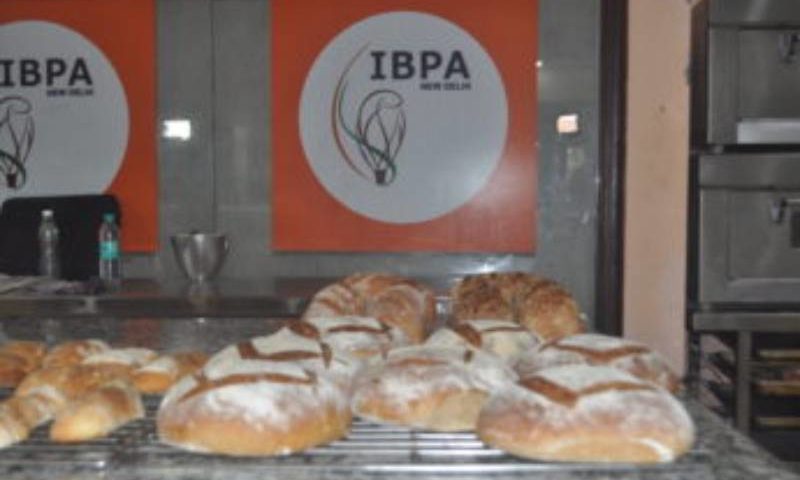
IBPA Image
Uncategorized

Can I Get A Job With A Diploma In Culinary Arts?

“Culinary arts” refers to the practice of cooking. Students learn how to efficiently and aesthetically prepare, cook, and present food and meals in a culinary arts course. Enrolling in culinary arts classes is the best move for people who are interested in a career in food and beverage management, kitchen management, or other hospitality and food-related job profiles. Candidates who enroll in culinary arts programs gain the operational, technical, and managerial abilities required to succeed in the culinary branch of the hospitality industry. Aspirants have access to culinary arts courses at both the undergraduate and graduate levels. Most of the undergraduate culinary arts programs last three years. Popular UG level courses in culinary arts include the Bachelors in Hospitality Management with a Culinary Specialization, the BVoc in Bakery and Cookery, the BA in Culinary Arts, the Bachelor of Catering Technology and Culinary Arts, the BVoc in Culinary Operations, the BSc in Culinary Science, the BHM with Culinary Arts, the BA in International Culinary Arts, etc. Candidates may also sign up for culinary arts courses at the PG level. Most culinary arts programs at the PG level last three years. In addition to these programs, students interested in the culinary arts can also enroll in diploma programs, including the Post Graduate Diploma in Dietetics and Hospital Food Service, the Diploma in Culinary Arts of Italian Cuisine, the Post Graduate Diploma in Bakery and Confectionery, the Diploma in Food and Beverage Service (undergraduate course), the Post Graduate Diploma in Bakery Science and Technology, the Diploma in Hotel Management (Food and Beverage Service), and the Diploma in Culinary Arts. The numerous hospitality industries that require chefs and cooks are drawn from the culinary industry. It’s possible that you’ll be able to find work right away, but you shouldn’t plan on making a lot of money right away because entry-level jobs always require a lot of training and experience. Numerous settings, such as hotels, restaurants, catering services, large-scale kitchen operations, and specialty coffee shops, offer numerous opportunities for employment as a chef. After receiving your diploma in culinary arts, you must immediately get to work and learn everything you can in order to establish your career and reputation in the food industry. Once you start doing that, learning and working in the best kitchens should take precedence over seeking out higher paying jobs. Due to the fact that you’ll start earning more money once you’ve had a long period of training and experience. Your craft will eventually be refined or taught in a better setting with wealthier kitchens. What types of jobs are available to you if you have a diploma in culinary arts? Some positions requiring a culinary degree are entry-level, while others might call for a few years of experience. These 11 positions are available to those with a diploma in culinary arts. Pastry chef A talented cook with a focus on creating the breads and desserts found on menus is known as a pastry chef. They collaborate with other chefs to develop a diverse menu. A pastry chef can work for bakeries, catering businesses, and traditional restaurants. Nutritionist  A nutritionist is a person who focuses on how food can energize and fuel the body for a healthy lifestyle. They can closely collaborate with patients to identify their nutritional requirements and create a diet plan that will be advantageous to them. Some nutritionists develop menus for clients that are nourishing and promote healthy eating in places like schools or hospitals. Culinary Specialist  A US military member who helps with food service for personnel staying in facilities or traveling on ships is known as a culinary specialist. Meals are planned, inventories are checked, menus are designed and improved, and the staff is arranged for serving. In order for food preparation to take place there, the culinary expert must also ensure that the area is tidy and organized. Caterer  A caterer is someone who regularly serves food and dessert to large crowds of guests at events. Caterers are frequently employed for special events like weddings, birthday celebrations, movie premieres, and anniversaries. To create a menu and a plan for preparing, delivering, and serving food at the event, they consult with their clients. Math is used by caterers to develop and estimate service costs, schedule the purchases of ingredients, and guarantee that there is enough food for the number of guests at each event. Restaurant Manager  The day-to-day management of a restaurant falls to the restaurant managers. They implement systems for food preparation and service that reduce wait times and facilitate communication, and they are in charge of the efficiency and output of the staff. A restaurant manager may be in charge of employee hiring and firing, performance reviews, compliance with safety and hygiene regulations, team schedules, ingredient inventories, and interactions with the restaurant’s owner. Sous Chef  The sous chef, a culinary expert who oversees other cooks and reports to the executive chef or head chef, depends on how the kitchen is set up. They frequently collaborate closely with the executive chef to create menus and handle problems in the kitchen, where they oversee many of its operations. A sous chef may be responsible for writing menus, enforcing policies, monitoring kitchen inventory, inspecting work areas for cleanliness, and creating staff schedules. Food service director  A food service director is someone who oversees food production and delivery. They frequently work for establishments that serve a sizable clientele, such as hospitals, hotels, prisons, and camps. The director of food service deals with vendors and suppliers, monitors distribution processes, and ensures that the kitchens are kept tidy and clean. Executive chef  The executive chef is always in charge of the quality of the food that the kitchen produces. He or she is the highest-ranking worker in the kitchen. Executive chefs work with other chefs to create and enhance menus, purchase ingredients and equipment, and communicate with the media. An executive chef manages a group of sous chefs and establishes the atmosphere and culture in the kitchen. Food

Uncategorized

THE PERKS OF BECOMING A PASTRY CHEF

What is a Pastry Chef? Pastry chefs have received training and possess the necessary skills to create pastries, desserts, bread, and other baked delicacies. Pastries are sold in almost every chain of restaurants, cafes, markets, and supermarkets. They prepare and transport bread- and meal-based items like pies, cakes, and cookies. Typically, pastry chefs start out as regular cooks or bakers at restaurants or hotels before earning their titles. Many people are given leadership positions as a result of their productivity and originality at work. Cakes, chocolates, pies, tarts, biscuits, soufflés, truffles, and other delightful creations are only limited by the pastry chef’s imagination and have integrated themselves into everyday meals and special occasions. Additionally, pastry chefs could specialise in bread baking. Typically, pastry cooks work as a team under the direction of the head chef, with the pastry chef serving as the team’s leader. Additionally, pastry chefs carry out administrative duties like creating budgets and procuring ingredients for pastries. Pastry chefs have received training and possess the necessary skills to create pastries, desserts, bread, and other baked delicacies. Pastries are sold in almost every chain of restaurants, cafes, markets, and supermarkets. People will undoubtedly always have a sweet tooth and be on the lookout for sweet treats.  What does a Pastry Chef do? At the service division of the pastry department, pastry cooks generally start their careers as pastry chefs in restaurants. This position’s duties include aiding in the preparation of ingredients and offering support at various culinary workstations. Cooks can advance their careers into the production line and the position of pastry sous chef after getting some experience. In this position, they directly assist the executive pastry chef in the creation of several dish components. Pastry chefs frequently have unrestricted creative freedom and the capacity to create entirely new meals. The majority of pastry chefs must learn to be a master of all trades, while they may choose to specialise in a particular Pastry Chef Course. The following are some common duties of a pastry chef: Making the breads and pastries in a menu Guiding or directing the preparation of desserts and their components by other pastry chefs or line cooks. Together with the executive chef and sous chef, make necessary menu adjustments and introduce new or change existing dessert options Working with clients to produce cakes and desserts for weddings, special occasions, and banquets if employed by a bespoke bakery or caterer. Organising supplies and ingredients Keeping the workplace spotless and seeing to it that the equipment is properly maintained Getting samples ready for cake or pastry tastings What skills do you need to become a good Pastry Chef? The ability to bake or prepare pastries with accuracy and attention to detail is frequently required. Because of the level of care needed, decorating pastry can likewise be compared to fine art. A pastry chef needs to be meticulous and exact.  The creations of a pastry maker are frequently lovely and delectable. Once they have mastered the fundamentals, these experts continue to hone their skills and experiment with incorporating novel ingredients into their recipes.  A pastry chef frequently works as a member of a group of food producers that also includes line chefs, sous chefs, executive chefs, and front-room staff. To meet client requests and prepare things as needed, collaboration is crucial. Pastry chefs routinely communicate with customers on unique creations, particularly if they are collaborating with a wedding party or special events organiser. A crucial competence is the capacity to offer suggestions while paying attention to client requirements.  Pastry chefs spend long periods of time standing and hunched over their job in the hectic and demanding environment of the kitchen. Pastry chefs typically have the creative freedom and capacity to design innovative menus from scratch, thus it’s necessary to be physically active and have fine motor skills. The majority of pastry chefs must learn to be a master of all trades, while they may choose to specialise in particular areas such as sweets, viennoiserie, cakes, ice cream, chocolate, and bread. Ovens and other equipment must be operated by bakers. They must measure ingredients mathematically, and their understanding of chemistry enables them to make sure that their confections are cooked in the right conditions. If pastry chefs own their own bakeries or are in charge of a sizable crew, they notably need to have administrative abilities. Customers can place orders with pastry chefs, however it depends on the type of dessert or cuisine they want. Pastry chefs should create enough pastries in advance to satisfy demand on any given day and establish procedures for accepting and completing specialty requests. They must ultimately manage their time effectively. As baking and creating confections take time, pastry chefs must have patience. When educating new hires, they ought to have patience. On your way to pastry perfection Pastry chefs are driven, ambitious, brilliant, and creative people. Pastry chefs have many alternatives for careers in baking and pastry outside of the conventional restaurant. Researching, testing, and creating inventive, freshly baked pastry meals are all part of this one-of-a-kind position. A pastry chef must have stamina because cooks, bakers, and candy makers must stand for extended periods of time. You must also be an effective communicator with strong leadership qualities. Pastry cooks should eat wholesome meals and exercise frequently to improve their stamina. You can keep making delightful sweet sweets for everyone to enjoy if you have a constant ambition to learn and develop. Pastry chefs can find employment in a wide range of kitchen and culinary settings, including hotels, conference centres, resorts and spas, cruise ships, casinos, and small- and large-scale freestanding restaurants, bistros, as well as personal chefs and hotels, resorts, and bistros. Given the variety of Pastry courses for beginners, having a well-rounded education in the pastry arts can help you identify the type of baking that best fits your personality and equip you with the knowledge of ingredients and methods needed to be successful at any project involving pastries.

Scroll to Top
Call Now Button