


blogs

blogs

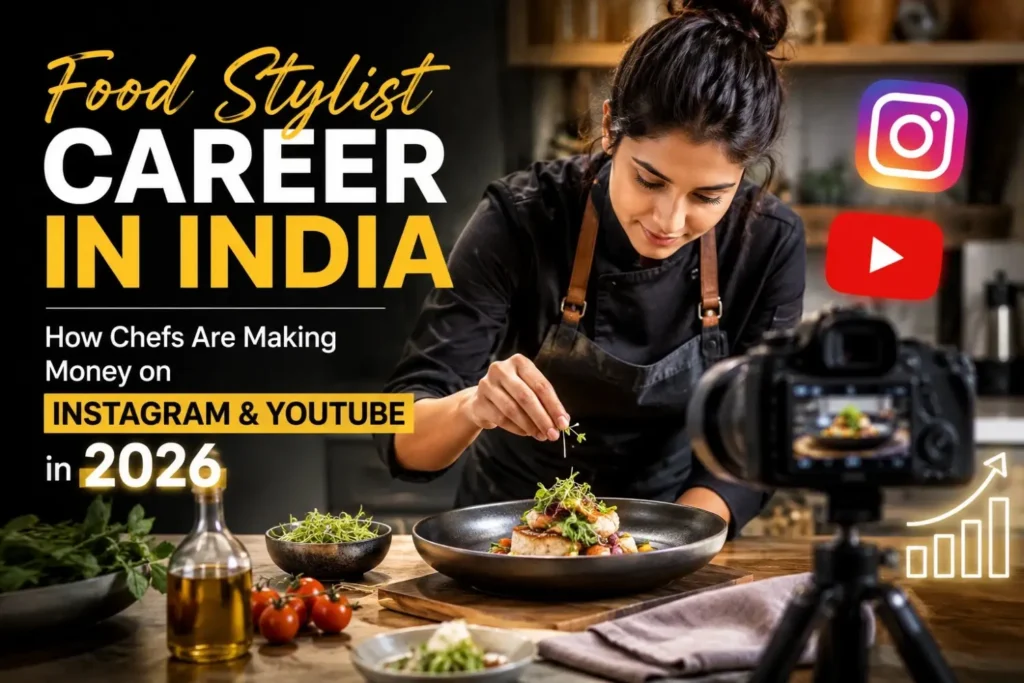
Food Stylist Career in India — How Chefs Are Making Money on Instagram & YouTube in 2026

Ever wondered how you can get products to look so perfect on Instagram Reels or YouTube Shorts? Each burger looks plump, each dessert is perfect, and each cup of coffee seems like it’s ready to be picked up. The hallmark of these images is because of the skills of a food stylist. One of the most promising avenues for chefs to combine their culinary skills with the art of content creation is a career in food styling in India, and it’s likely to be even more dynamic in 2026. From brands to restaurants, food delivery apps to digital creators, the need for food experts is always on the target list. It’s the professionals that they all want to get—the brands, the restaurants, the food delivery apps, and the digital creators. If you’re a chef, you will be familiar with the term ‘food stylist’, as it is used in blogs and social media. Yet, you might not be aware that this profession is growing at a swift pace, that chefs are earning cash off of their Instagram or YouTube accounts, or that they’ve turned to food restaurant ventures or simply food styling to make money. What is a Food Stylist? (And Why It’s Not Just “Taking Pretty Pictures”) A food stylist is a professional preparing, arranging, and presenting food to look better than the real thing in photos, videos, advertising, TV shows, websites, and social media. Their role isn’t just to adorn a plate; they know how food turns when lit up, how ingredients keep fresh on long flights, and how all the details can make a dish more appealing. Food stylists are not food photographers. Meanwhile, the photographer gets ready for his next photoshoot, the food is prepared, garnishes are chosen, the presentation is put together, and everything is made to look its best before the camera begins to roll. When you see an ad for Zomato with a stack of a delicious burger, fresh lettuce, melted cheese, and a shiny bun, it has taken a food stylist hours to prepare before the photographer snaps a picture of it. Food stylists collaborate with: There is a need for professional culinary training, as understanding the cooking techniques, behaviour of ingredients, plating, and food presentation allows the creation of visually attractive content, which also looks realistic. Is Food Styling a Real Career in India? The 2026 Numbers The answer is yes. Food styling is a genuine and rapidly growing profession in India. India has more than 400 million Instagram users, and the food category is considered one of the most popular categories on the Instagram platform. Individuals watch cooking tutorials and recipe videos, food reels, and restaurant reviews. This ever-expanding audience has brought about a tremendous need for talented food makers and stylers. Food content creators and chefs are always hired by large brands like Zomato, Swiggy, Nestlé, Amul, McDonald’s, Britannia, and Haldiram’s to promote their products with interesting food content. Here are some new opportunities in food styling include: A few people have made a successful career in Indian food creation by producing food content that is engaging. YouTube has become one of India’s most popular cooking channels, with Kabita’s Kitchen and some creators such as Your Food Lab (Sanjyot Keer) now monetising their expertise in cooking to make successful digital businesses, recipe videos, brand deals, and educational content. These examples clearly show that food styling is no longer just a hobby—it is becoming a rewarding professional career. 5 Ways Chefs Are Making Money on Instagram & YouTube in 2026 1. Brand Collaborations & Sponsored Content Sponsored content is one of the top ways for chefs to make money. Culinary experts are often hired by food businesses, cooking oils, flour, spices, kitchen appliances, and cookware companies to promote their products in Instagram Reels and YouTube videos. Typical earnings include: Professionally trained chefs might have the advantage as they are credible, have the ability to present food, and have professional knowledge. 2. YouTube Ad Revenue One of the most-watched categories on YouTube India continues to be food. Once a creator reaches 4,000 watch hours and 1,000 subscribers, they are eligible to monetize their YouTube videos. Taking into account the engagement and the views of the audience, the average income from advertisements in a channel with approximately 1 lakh subscribers is between ₹20,000 and ₹80,000 per month. Many creators are finding ways to boost their revenue in addition: These additional income streams often generate more revenue than advertisements alone. 3. Food Styling for Restaurants & Zomato/Swiggy Listings Photos are key to attracting online customers to restaurants. Food stylists are trained individuals who help restaurants take pictures of food that is pleasing to the eye for social media marketing, websites, and delivery. Freelance food stylists charge between ₹5,000 to₹30,000 for a restaurant shoot, depending on the location, size of the project, and number of dishes. In the digital age of India, food styling services are increasingly becoming essential, especially with the growing trend of cloud kitchens and the undeniable influence of food photography on online orders. With the increasing popularity of cloud kitchens in India, the need for food styling services is growing continuously, and it’s undeniable that a great food picture can affect on-line meals orders. 4. Selling Online Baking & Cooking Courses There are lots of chefs out there who are now generating revenue through their expertise by providing online training. They not only teach baking and cooking in restaurants, but they also create courses and offer them on social media platforms, such as Instagram, or online platforms, such as Teachable or Graphy. The course fee ranges from ₹999 to ₹5,000 per student. Online courses can be sold again and again, with no extra production costs, and this can be a good method to make lots of cash down the road. For instance, a pastry chef who has 50,000 followers on Instagram might earn around ₹15 lakh in a single course if he launches a baking course for ₹2,999 with 500

different paths and skills needed for culinary careers
blogs

Culinary Careers: A Guide to the Different Paths and Skills Needed

A culinary career opens the door to a world of creativity, passion as well as endless possibilities. No matter if you aspire to be a chef in a fine-dining restaurant, a personal chef, a food entrepreneur, or even a culinary educator, this field offers so many rewarding paths. But to succeed in this industry, you need to have more than just cooking skills.  The industry demands discipline, technique, along with professional training. In this blog, we’ve covered crucial topics such as why you should choose a career in Culinary Arts, different career paths in this field, what are the essential skills that are required to be proactive in this field, and others. So, let’s dive into the post. Why Choose a Culinary Career? A culinary career is a gateway to a creative and rewarding future. If you’re passionate about food, love experimenting with flavors, or aspire to run your own restaurant, then this industry is the perfect option for you. From mastering cooking techniques to understanding the global cuisine, it’s an industry where every day brings something new. You can travel, innovate, and make a name for yourself doing what you love. Here are some of the key benefits you can get:  Different Career Paths in the Culinary Field There are many different paths you can take in the culinary industry. Here are a few of the most popular: Chef: Chefs are responsible for overseeing the kitchen operations of a restaurant or other food service establishment. They create menus, train staff, and ensure that food is prepared to high standards. Pastry Chef: Pastry chefs are responsible for creating desserts, pastries, and other baked goods. They need to have a strong understanding of baking techniques and be able to create visually appealing and delicious treats. Cook: Cooks are responsible for preparing food in a kitchen setting. They may work in a restaurant, hotel, or other food service establishment. Cooks need to be able to follow recipes, work quickly and efficiently, and be able to handle a variety of tasks. Beverage Specialist: Beverage specialists are responsible for creating and serving drinks. They may work in a restaurant, bar, or other establishment that serves alcohol or non-alcoholic beverages. Beverage specialists need to have a strong knowledge of different types of drinks and be able to create cocktails, mocktails, and other beverages to order. Important Skills for a Culinary Job No matter what path you choose, there are certain skills and experiences that are essential for success in the culinary industry. These include: Cooking Skills: A strong understanding of cooking techniques is essential for any culinary professional. This includes knowledge of knife skills, food safety, and different cooking methods. Taste and Presentation Skills: Culinary professionals need to be able to taste food and identify any potential problems. They also need to have a strong eye for presentation and be able to create visually appealing dishes. Communication Skills: Culinary professionals need to be able to communicate effectively with their staff, customers, and other stakeholders. This includes being able to give clear instructions, take feedback, and resolve conflicts. Teamwork Skills: Culinary professionals often work in a fast-paced and collaborative environment. They need to be able to work well with others and be able to adapt to change. How IBCA Can Help You Begin Your Culinary Journey If you’re interested in a career in the culinary industry, IBCA (Institute of Bakery and Culinary Arts) is a leading culinary and baking institute in Delhi, offering specialized programs to help you develop the skills and knowledge needed for a successful career in the culinary industry. Conclusion A career in the culinary arts is rewarding as well as dynamic, and it offers multiple paths, such as becoming a chef, food stylist, or food critic. With a Diploma in Culinary Arts, you can master essential skills seamlessly and gain knowledge that’s industry-specific, setting the foundation for success.  When you choose a recognized culinary institute in India, you can get quality education along with practical training in order to excel in the competitive culinary world and open doors to exciting career possibilities in this demanding field.

blogs

Different Knives for Culinary Purposes and the Best Use for Each

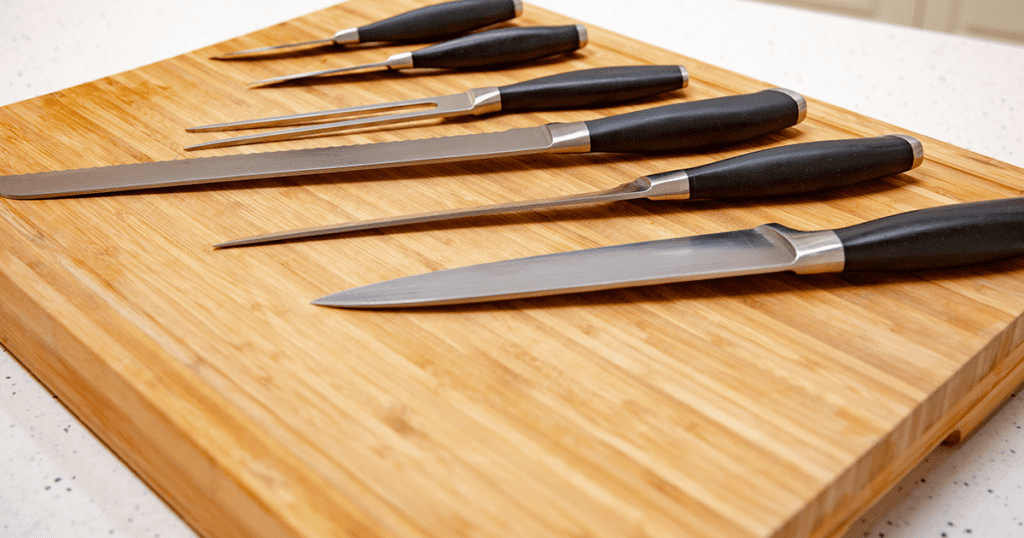
In the symphony of culinary arts, the kitchen knife plays the leading role—a conductor orchestrating the harmony of flavors, textures, and aromas. Just as a musician wouldn’t rely on a single instrument, a chef needs an array of knives to craft culinary masterpieces. Join us on a journey through the world of kitchen knives as we explore five essential blades, each with its unique purpose and role in the theater of cooking. 1. Chef’s Knife: The Maestro of the Kitchen The chef’s knife, often regarded as the workhorse of the kitchen, is a kitchen superhero. With a broad and sharp blade, it effortlessly handles chopping, slicing, and dicing. Its versatility makes it indispensable for a wide range of ingredients, from vegetables to meat. The weight and balance of a good chef’s knife allow for precise control, thus making kitchen tasks effortless. 2. Paring Knife: Precision in Small Packages When finesse is required, the paring knife takes center stage. Its slender, pointed blade excels at intricate tasks such as peeling, trimming, and detailed cutting. From cooking shrimp to making fancy decorations, the paring knife is the artist’s brush, allowing for delicate maneuvers that elevate the visual appeal of dishes. 3. Serrated Bread Knife: The Gentle Slicer Enter the world of crusty bread and delicate pastries armed with a serrated bread knife. The saw-like edge of this knife effortlessly glides through the toughest crusts without crushing the soft interior. Beyond bread, it’s the perfect companion for slicing tomatoes, cakes, and any delicate item that demands a gentle touch. A good serrated bread knife ensures that every slice is a clean, precise cut. 4. Boning Knife: Precision for Meat Lovers For those who relish the art of meat preparation, the boning knife is an essential tool. With a narrow and flexible blade, it adeptly maneuvers around bones, joints, and cartilage. Whether you’re filleting fish, deboning poultry, or preparing a rack of lamb, the boning knife ensures you extract every ounce of meat with surgical precision, minimizing waste and maximizing flavor. 5. Santoku Knife: The Japanese Virtuoso Originating from Japan, the Santoku knife is a versatile blade that combines the qualities of a chef’s knife and a cleaver. With its unique shape and Granton edge (a row of oval-shaped indentations), the Santoku excels at thin slicing, dicing, and chopping. This knife is a favorite among those who appreciate a finer, sharper edge and is ideal for precision cuts on vegetables, fish, and boneless meats. Conclusion As we finish our journey exploring kitchen knives, it becomes evident that each blade is a specialized instrument designed to elevate the chef’s artistry. From the robust chef’s knife to the delicate paring knife, and the precise boning knife to the versatile Santoku, these tools are more than mere utensils—they are extensions of a chef’s skill and creativity. Investing in a quality set of knives is akin to assembling a reliable team of sous-chefs, each contributing its expertise to the culinary symphony. So, the next time you go on a culinary adventure, consider the role each knife plays in bringing your gastronomic vision to life. Remember, the right knife in skilled hands is not just a tool; it’s the key to unfastening the full potential of your culinary creations. Happy cooking!

Young happy cook preparing bruschetta with avocado sauce and cherry tomato in the kitchen.
blogs

Cooking for Special Diets: Delicious Meals for Food Allergies and Dietary Restrictions

In today’s culinary landscape, it’s crucial for chefs and home cooks alike to cater to individuals with food allergies or dietary restrictions. As professionals in the culinary arts, we must ensure that everyone can enjoy delicious meals without compromising their health. At IBCA, India’s top culinary art and baking institute based in Delhi, we understand the importance of cooking for special diets. In this blog, we will delve into the art of creating tantalizing dishes that meet the unique needs of those with food allergies or dietary restrictions. Understanding Food Allergies and Dietary Restrictions: Food allergies and dietary restrictions vary from person to person. It’s crucial to communicate openly with individuals and understand their specific needs. Common allergens include dairy, eggs, nuts, gluten, and shellfish. Additionally, dietary restrictions may arise due to health conditions such as diabetes, celiac disease, or lactose intolerance. By understanding the restrictions, we can create safe and appetizing meals. Recipe Modification and Substitution: One of the most important skills in cooking for special diets is recipe modification. By substituting allergenic ingredients or adjusting the recipe, we can create delectable dishes suitable for everyone. For example, dairy milk can be replaced with almond or soy milk, while gluten-free flour blends can be used in place of regular wheat flour. By exploring alternative ingredients and experimenting with flavors, we can unlock a world of culinary possibilities. Embracing Fresh and Natural Ingredients: To create tasty meals for special diets, it’s essential to focus on fresh and natural ingredients. Incorporate a wide variety of fruits, vegetables, herbs, and spices to enhance flavors and provide vital nutrients. For example, instead of relying on processed ingredients, choose homemade sauces and dressings using fresh herbs and citrus juices. Not only will this improve the overall taste, but it will also be healthier for all. Creative Menu Planning: Cooking for special diets requires thoughtful menu planning. Ensure there are diverse options available for those with specific dietary needs. Incorporate a range of proteins, vegetables, and grains to accommodate different dietary preferences. Engage with the individuals to understand their favorite flavors and cuisines, and use that information to design personalized menus that cater to their needs. Educating and Sharing Knowledge: At IBCA, we believe in the power of education and sharing knowledge. As culinary professionals, it’s our responsibility to stay updated with the latest research and techniques related to special diets. Attend workshops, conferences, and online courses to expand your understanding. Moreover, share your knowledge through cooking classes, blog posts, or social media platforms to empower others in creating delicious meals for those with food allergies or dietary restrictions. Conclusion: Cooking for special diets is a rewarding journey that allows us to create flavorful meals while accommodating individual needs. By understanding food allergies and dietary restrictions, modifying recipes, embracing fresh ingredients, and engaging in creative menu planning, we can prepare delightful dishes that cater to everyone. At IBCA, we take pride in equipping our culinary students with the skills necessary to cook for special diets, ensuring a wholesome and inclusive culinary experience for all.

choosing-the-best-sweetener-for-your-health-and-baking-needs
blogs, Uncategorized

A Guide to Sugar Alternatives: Choosing the Best Sweetener for Your Health and Baking Needs

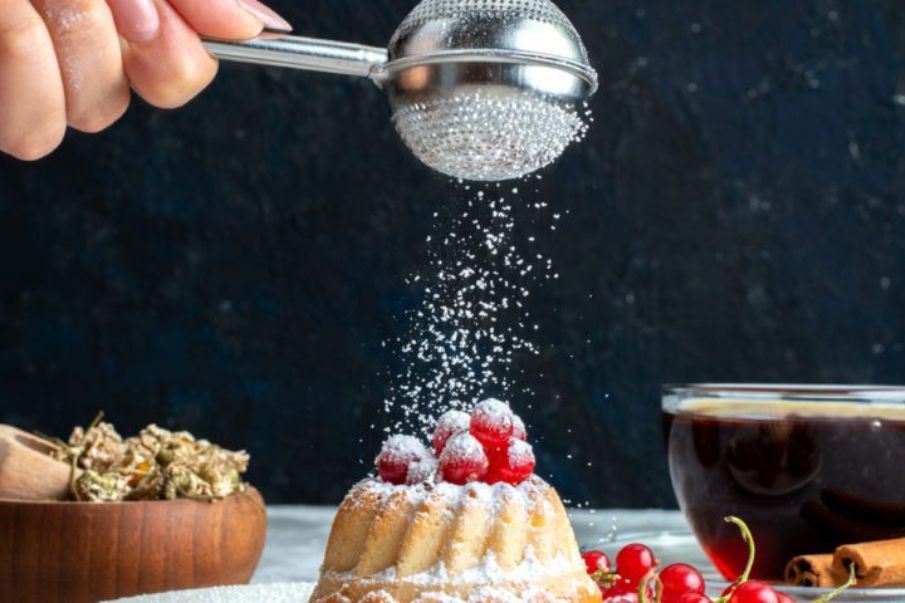
Who doesn’t love a delicious baked treat? From cookies to cakes, sweet treats are a staple in many people’s diets. However, traditional sugar is not the healthiest ingredient to use in your baked goods. It can lead to weight gain, tooth decay, and other health issues. Luckily, there are natural sweeteners available that can be used as a healthier alternative. In this blog, we’ll explore the world of baking with natural sweeteners and provide some delicious recipes for you to try. What are Natural Sweeteners? Natural sweeteners are alternatives to traditional sugar that are derived from plants. They are often less refined and processed than traditional sugar and can provide a variety of health benefits. Benefits of Natural Sweeteners Natural sweeteners are often lower in calories than traditional sugar. They can help to regulate blood sugar levels. They can be a good source of vitamins and minerals. Types of Natural Sweeteners There are many different types of natural sweeteners available. Some of the most popular ones include: Honey: Honey is a natural sweetener that is rich in antioxidants and has antibacterial properties. It is a great sweetener for baked goods like muffins and bread. Maple Syrup: Maple syrup is another natural sweetener that is rich in antioxidants. It has a delicious, earthy flavor and is perfect for pancakes and waffles. Stevia: Stevia is a natural sweetener that is derived from the leaves of the stevia plant. It is much sweeter than traditional sugar, so a little goes a long way. It is perfect for sweetening drinks and smoothies. Coconut Sugar: Coconut sugar is a natural sweetener that is derived from the sap of the coconut palm. It has a delicious, caramel-like flavor and is perfect for baking. Tips for Baking with Natural Sweeteners Baking with natural sweeteners can be a little bit different than baking with traditional sugar. Here are some tips to keep in mind: Natural sweeteners are often less sweet than traditional sugar, so you may need to use more of them to achieve the desired level of sweetness. They can also be more expensive than traditional sugar, so be prepared to pay a little bit more for your ingredients. Natural sweeteners can also affect the texture of your baked goods, so be prepared to experiment a little bit to find the right balance. Delicious Recipes Now that you know a little bit more about baking with natural sweeteners, it’s time to put your knowledge into practice. Here are some delicious recipes to get you started: Chocolate Chip Cookies with Maple Syrup: These chocolate chip cookies are sweetened with maple syrup and are a delicious alternative to traditional cookies. Blueberry Muffins with Honey: These blueberry muffins are sweetened with honey and are perfect for breakfast or a mid-morning snack. Pumpkin Bread with Coconut Sugar: This pumpkin bread is sweetened with coconut sugar and has a delicious, caramel-like flavor. Strawberry Smoothie with Stevia: This strawberry smoothie is sweetened with stevia and is a delicious and healthy way to start your day. In conclusion, baking with natural sweeteners is a great way to create healthier treats without sacrificing flavor. With a little bit of experimentation, you can create delicious baked goods that are both tasty and nutritious. So why not give it a try and see what you can come up with? Your taste buds (and your body) will thank you!

blogs

Authentic Recipes Around The World in 2026

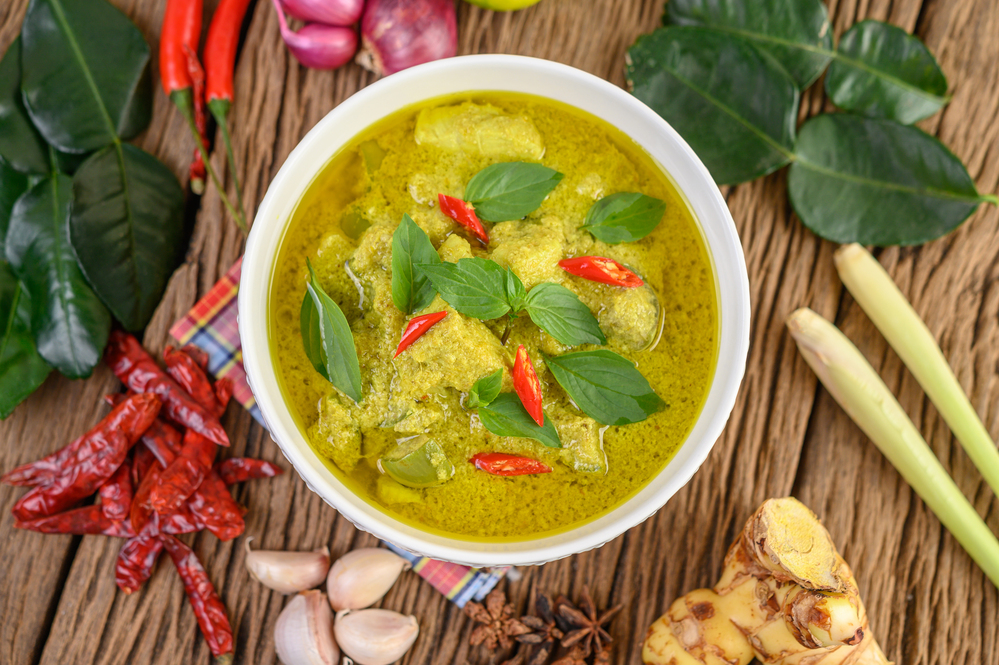
What makes a meal truly marvelous? Is it the presentation? While the ingredients surely play a part, most would agree that the technique used in the cooking and the chef’s patience are the deciding factors in a delicious meal. The flavors only come out once the food is cooked right. Therefore, we are providing recipes from various countries and regions and instructing how to make them authentically. Here is a list of recipes and advice for preparing them traditionally: Thai Green Curry To make an authentic Thai Green Curry, use fresh herbs and spices such as lemongrass, galangal, and kaffir lime leaves. You can also add vegetables like bamboo shoots, eggplant, and bell peppers, along with protein such as chicken, beef, or tofu. Serve it with jasmine rice and garnish with fresh basil leaves.   Mexican Tacos To make authentic Mexican Tacos, use soft corn tortillas, and fill them with seasoned meat, such as pork or beef, or grilled vegetables like peppers and onions. Top it with chopped onions, cilantro, and a squeeze of lime juice. You can also add salsa, guacamole, and sour cream to it.   Italian Carbonara Pasta To make authentic Carbonara pasta, use pancetta instead of bacon, and add fresh egg yolks, Parmesan cheese, and black pepper to the pasta while it’s still hot. Don’t use cream or milk, as it’s not traditionally used in Carbonara.   Indian Butter Chicken To make an authentic Indian Butter Chicken, marinate the chicken in yogurt and spices like cumin, coriander, and garam masala. Cook it in a tomato-based curry with butter, cream, and fenugreek leaves. Serve it with basmati rice or naan bread.   Japanese Sushi To make authentic Japanese sushi, use high-quality sushi rice, seasoned with rice vinegar, sugar, and salt. Add fillings like fresh fish or seafood, avocado, cucumber, or pickled vegetables. Serve it with soy sauce, wasabi, and pickled ginger on the side.   Remember, the key to making authentic international cuisine is to use fresh, quality ingredients, and to follow traditional cooking techniques and recipes. Don’t be afraid to experiment with different flavors and ingredients to make it your own. Create an authentic and flavourful cooking journey with us! Experience culinary art & baking at its finest! Join India’s Top Culinary & Baking Institute IBCA Delhi!

Scroll to Top
Call Now Button