

Uncategorized

Executive Chef:
Uncategorized

Executive Chef: Role, Responsibilities, Salary & Career Path

An executive chef is considered one of the most important roles in the kitchen of hotels and restaurants. The executive chef plays a vital role in the kitchen because they are responsible for menu design, managing the kitchen staff, and controlling costs. An executive chef checks the cost of dishes, and due to their knowledge and experience, many people aspire to become executive chefs. They are also responsible for purchasing food, culinary knowledge, and skill development. 1. Who Is an Executive Chef? (Job Overview) The executive chef is considered the highest-ranking position in a hotel or restaurant kitchen. They lead the kitchen of the hotel or restaurant and handle all managerial responsibilities. These include menu planning, pricing of dishes, staff management, and quality control. All these duties come under the role of the executive chef. Difference Between Executive Chef and Head Chef Executive Chef The highest kitchen management position Manages the entire kitchen Supervises all chefs Responsible for menu planning, budgeting, and staff management. Head Chef Works under the executive chef Looks after day-to-day kitchen operations Cooks dishes and supervises the sous chefs Responsible for food preparation, checking dishes, and maintaining food quality The executive chef leads the entire kitchen and is responsible for both cooking supervision and overall management. 2. Roles & Responsibilities of an Executive Chef An executive chef has various important roles related to the management of the kitchen in a hotel or restaurant. Their main responsibility is to ensure the quality and timely delivery of food to customers.  There are several key duties performed by an executive chef, such as: Managing the entire kitchen operation efficiently and on time. Planning the complete menu and deciding food costs accordingly. Supervising chefs and kitchen staff and guiding them based on customer reviews and service standards. Maintaining food quality and hygiene standards, which are regularly checked by the executive chef. Coordinating with vendors and controlling inventory, which also comes under the responsibility of the executive chef. Due to these responsibilities, this position is highly respected in hotels and restaurants. Many people work under the executive chef’s management. Because of the required culinary expertise, leadership skills, and experience, many individuals aspire to become executive chefs. 3. Executive Chef Salary in India The salary of an executive chef depends on the level of skill, experience, and the location where they work. Salary is mainly decided based on experience level. 1. Entry-level executive chef: At the entry level, an executive chef’s salary usually ranges from ₹60,000 to ₹1.2 lakh per month. 2. Mid-level executive chef (5–10 years of experience) After gaining 5 to 10 years of experience, an executive chef develops strong skills and expertise. At this stage, the salary can increase to around ₹1.5 lakh to ₹3 lakh per month. 3. Senior executive chef (15–20 years of experience): When an executive chef has 15 to 20 years of experience and works in top hotels, their salary can range from ₹5 lakh to ₹8 lakh per month. However, these salaries may increase or decrease depending on factors such as the city, hotel location, hotel brand, years of experience, and the level of competition. 4. Executive Chef Salary Abroad International Opportunities for Executive Chefs An executive chef can also receive international job offers from many countries to work in hotels and restaurants. These opportunities help chefs gain professional working experience. Countries and regions such as the Middle East: Dubai and Qatar: ₹8 lakh to ₹15 lakh per month Europe: ₹10 lakh to ₹18 lakh per month Executive chefs may also be offered jobs in cruise ship kitchens. The salary depends on the chef’s experience and skill level. It also depends on their ability to manage the kitchen efficiently, adapt to different work environments, and maintain high professional standards while working internationally. 5. Skills Required to Become an Executive Chef To become an executive chef, you need to develop certain specific skills. These skills are very important for an executive chef to effectively manage the entire kitchen of a hotel or restaurant. Skills: An executive chef must have a strong foundation in culinary skills and kitchen management and be skilled enough to work with experienced professionals. They must have leadership qualities, a positive attitude, and the ability to lead a team and perform efficiently under high working pressure and long working hours. They should have the ability to design attractive menus that encourage customers to place more orders. An executive chef must have the ability to control costs and manage budgets according to the dishes prepared, which helps in achieving good profits. Proper discipline, time management, and pressure management are essential, especially during heavy working hours. 6. 7. How to Become an Executive Chef (Career Path) If you are one of those who aspire to become an executive chef, you will receive step-by-step guidance below. Step 1: You need to take a formal culinary education. There is a two-year diploma programme in culinary arts offered to students. Step 2: Under this programme, you need to practice in a real kitchen environment and develop essential working skills and practical experience. Step 3:- An individual needs to develop skills and achieve specialization for professional growth. Step 4:- Through experience, a person develops leadership qualities.  Chef ICBA is also one of the best culinary training institutes that provides professional culinary training and focuses on practical learning. 7. Is an Executive Chef a Good Career Option? An executive chef is considered the highest position in the culinary career. After 3–5 years of experience, a chef gains sufficient knowledge and professional exposure, which leads to steady career growth toward the position of executive chef. The role of an executive chef is very important and demanding. An executive chef holds a leadership position and earns great respect in the organization. They lead the entire kitchen and manage all kitchen staff efficiently. Executive chefs have many national and international career opportunities. With good experience, they receive attractive salary packages and long-term professional respect. They also guide and manage other chefs

International culinary opportunities after Chef IBCA
Uncategorized

International Culinary Opportunities After Graduating from Chef IBCA

In our globalizing International culinary career, there are rising global career Opportunities. The culinary kitchen management requires good knowledge of different cuisines, their ingredients, and their importance. Bakeries and cafes are now thriving, thanks to social media. Everyone is connected, and food is increasingly in demand worldwide. Similarly, food cuisine has spread globally. There is a huge demand for chefs who have professional cooking ideas. Those chefs who are trained and skilled in institutions like Chef IBCA receive professional skill development. Chef IBCA  international placements in different countries. In these countries, students gain international exposure and work in the global market with high salaries. 2. The Global Scope of Culinary Careers  As connections between people increase, they get acquainted with different types of dishes and flavors from other countries. This has led to a growing demand for diverse cuisines, requiring skilled chefs specializing in various regions. Chefs who can create different types of cuisines are in high demand. At Chef IBCA, students gain skills in baking, chef work, and culinary arts. People started demanding fine dining experiences where they enjoy different types of cuisine. Bakers, for instance, experiment by combining culinary art with flavors like chocolate, gulab jamun, and even chocolate-filled churros, alongside traditional kulfi. These are examples of such culinary experiments. And these all demands can be only fulfilled by chefs who possess knowledge of different flavors and how to enhance them to provide unique and tasty dishes. This skill must be developed through proper training, with hands-on learning provided to students. And that’s the reason Chef IBCA is the best choice for an International culinary career. 3. How Chef IBCA Prepares Students for International Opportunities Chef IBCA is the best international culinary for those who choose their cooking passion as a profession. In Chef IBCA, Students are certified by Chef IBCA provides global culinary opportunities and ensure placement in top 5-star hotels or foreign countries. Chef IBCA is internationally recognized because students receive proper training in different cuisines, with more precision. They learn about important ingredients and flavors, and the art of design and plating, all essential for preparing diverse dishes. At Chef IBCA, students are trained by professional chefs. They gain a proper understanding of ingredients, which helps them create perfect dishes. Furthermore, students receive hands-on training and global exposure to various cuisines. They learn about flavor, taste, texture, and color, along with proper precision in cooking. The hygienic techniques used in making a dish are also taught to students. The plating style of different dishes is taught to students, allowing them to develop creative thoughts. Chef IBCA broadens your classroom learning with international-level culinary standards. So, if you dream of working in foreign countries with top culinary skills, Chef IBCA provides you with that opportunity. Hurry up 4. Top International Career Paths After Graduating Now, the world is very competitive, so there is a need to choose careers wisely, especially those with high scope and less competition. Students who receive certification from Chef IBCA can be recruited into international hotels and restaurants immediately after graduation. Chef IBCA International Placements ensures your placement and helps you develop your skills at an international level. 5. Countries with High Demand for Skilled Chefs  Countries There are many countries where the culinary and bakery industries are thriving, and the demand for skilled chefs is very high. France & Italy: These countries have a proper fine dining culture, and there is a high demand for pastries among students. There are different types of pastries with various flavors in high demand. UAE (Dubai, Qatar): In these countries, hotel chains cater to a large population. The airline catering companies also have highly qualified chefs. Canada & Australia: Work visas are easily available in these countries, and they offer good opportunities for culinary professionals. Singapore and Malaysia: In these countries, the bakery and cafe sectors are getting popular. In these countries, the demand for professional chefs is high, especially for those who are certified by Chef IBCA, an International culinary career, or global culinary opportunities. Those students who are certified by Chef IBCA are highly recognized in these countries. 6. Chef IBCA’s Global Network & Placement Support  Somesh Shukla, a young chef, after graduation, got a proper degree specializing in fat and baking from Chef IBCA. He secured placement in many popular 5-star hotels. Now he is known for his global exposure and has started his own bakery, where his big cakes, cupcakes, and pastry creations are quite popular in Paris. Kiran Singh, who took a course from the International Culinary Career Chef IBCA, got professional recognition for his hobby and acquired professional skills in cake making and dessert making. In Dubai, he got his first placement. Then he got an offer from a 5-star hotel, where he worked as a dessert chef. With this, he gained international exposure, having worked in 5 different countries, and has experience with different dessert formations. He also has ideas for innovation with different cuisines. Now, he is world-famous for his innovative ideas. Chef IBCA has global recognition and partnerships with various countries, where students get internships. They gain experience in kitchen and bakery management, dessert preparation, and much more. Chef IBCA is dedicated to imparting top-level skills and professional techniques to help students secure their careers. Chef IBCA is an International culinary career opportunity that’s why students of Chef IBCA get global culinary opportunities and Chef IBCA international placements with the support of IBCA team. 7. Tips for Students Aspiring for a Global Culinary Career Chef IBCA will help you at every step to get international recruitment. 8. Why Choose Chef IBCA for Global Culinary Exposure If any student dreams of going abroad and wants to pursue a world-class culinary art career, then Chef IBCA offers great global culinary opportunities. Chef IBCA itself provides the best international culinary career, and also Chef IBCA provides international placements. The training and skills are taught by a  Chef IBCA team that connects to international-level culinary standards, where different cuisines,

Uncategorized

The Chef IBCA Advantage: How We Prepare Students for Global Culinary Careers

Chef IBCA offers a Diploma in Culinary Arts, through which students can pursue their passion for cooking and enter a global career. In this Culinary Arts Diploma program, students receive professional training in many cooking and kitchen management techniques.  So, if someone wants to follow their passion and has a dream to make their hobby a profession, from which they build their own culinary business, like bakeries and pastry shops, many people just have to follow the herd because they don’t get their chance.  However, Chef IBCA is making it possible for people to turn their hobbies into full-fledged professions and providing courses in Bakery, Pastry, Kitchen Management, and Cooking, among others, can help in this regard.  IBCA also provides placements in national and international hotels and restaurants. Why are Baking and Cooking Science? IBCA’s Diploma in Culinary Arts degree also provides a specialization in baking and pastry. This course will help to develop an understanding that baking is not just about recipes; it’s about understanding the ingredients and how to use them, which enhances the taste and beauty of the cakes/pastries, and how yeast can be put in the pastry dough. The proper fluffiness in bread doesn’t affect the taste. Knowing how to add water and flour, and using the correct amount of each ingredient, is taught. It’s important to know when and how to add sugar, because when sugar is heated, it changes its taste and color. You will learn which types of cakes and pastries to use eggs and butter in to get a better texture of the pastries. Learning Global Standards Courses at Chef IBCA IBCA offers specialized courses across Culinary Arts, Baking, and Kitchen Management. Students gain hands-on experience in international and Indian cuisines, mastering kitchen management, plating, and chopping techniques. The Diploma in Culinary Arts covers: The Diploma in Baking focuses on: Opportunities through IBCA Diploma Courses: Hands-On Learning Our students learn by doing! They will learn how to make their own bread, cakes, and pastries. They can also work with chocolate, so by practicing themselves, they can become confident bakers.  They will learn all skills, and they need to make tasty dishes, from mixing and grinding dough to decorating cakes and pastries. So with hands-on training, they can try new things and experiment with different flavors, and develop their own recipes. Through IBCA Culinary Arts degree, students are going to learn by doing: I. Baking cakes, bread.  II. Flavourful chocolate cookies.  III. Baking of pastries.  IV. Cutting techniques.V. Use of proper ingredients to maintain its taste.VI. Decoration techniques of cakes and pastry Creativity and Innovation Mentorship & Support Teachers guide students in this creativity about the amount of ingredients and guide them on how many ingredients and the texture are used in the pastry. Skills You Will Learn The kitchen management techniques and skills are given, where how to manage the kitchen and how to speed up the cooking and plating to efficiently work in the kitchen are taught. There will be proper time ideas given on how to. How to manage the mistakes that are made during cake-making recipes and how to. How to manage the mistakes and to correct with the proper technical skills are taught. The skill of plating beautifully is given, which can attract customers. Understanding the ingredients and how they react, like how sugar changes the texture and color of bakery, and how yeast is added to give a proper fluffy bread. In this, a proper idea of which ingredient will react with which and which flavour gets developed within them. Why Choose Chef IBCA? IBCA is different from other culinary institutes. Their modern kitchens provide the perfect environment for learning. They focus on practical skills, so you will spend more time in cooking and baking and use less of your time Their expert trainers guide you through hands-on training and ensure that you are job-ready. In Modern Kitchens, you get good facilities and get real experience in cooking. In Practical learning, you will learn hands-on training and culinary skills. You will get Global Career Support and you have opportunities to work in abroad and build your international connections. In a Science-Based Curriculum, you have to understand about the science behind cooking and the ingredients of food. Conclusion Achieve Your Culinary Dreams with IBCA and Join Chef IBCA and find a world of culinary professions. Their Diploma in Culinary Arts and other programs will prepare you with the culinary skills and give knowledge to get success in culinary arts. With modern kitchens, expert trainers, and global career support, you will be ready to start your career in cooking so Explore their courses and start your culinary passion today, and discover your passion into your profession, and also develop your skills, and become a culinary expert with IBCA.

Baking vs Engineering vs Commerce Careers
Baking Courses, Baking Institute, Uncategorized

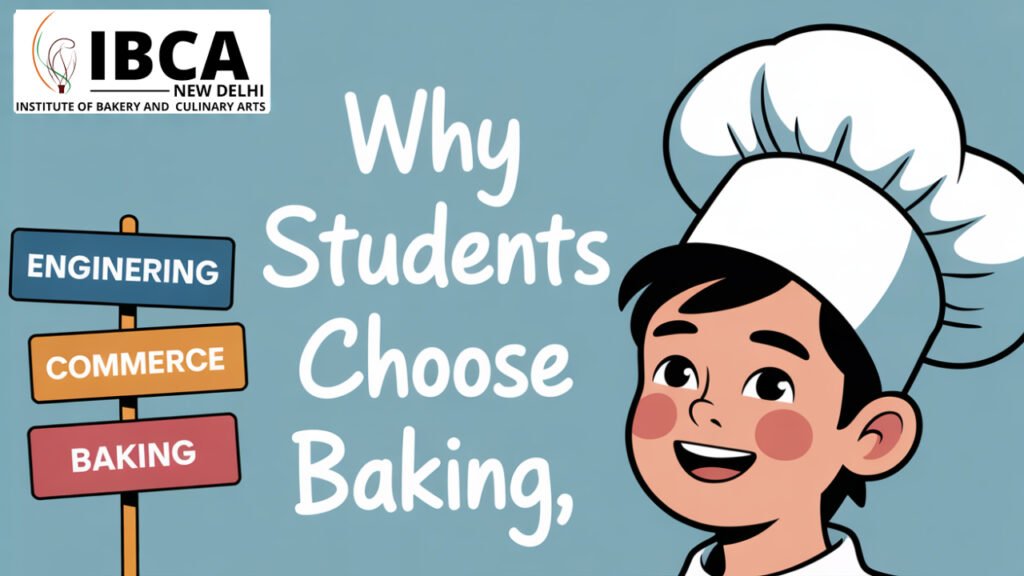
Why Students Choose Baking Over Engineering or Commerce Careers

There was a time when everyone said, “Become a CA or an engineer—then you can succeed in life.” Today, more young Indians have been choosing a unique yet different path—culinary arts and baking. Why? Because it’s not just some hobby anymore—but a grand career that has a lot of respect, is profitable, and has real opportunities. In this blog, we will discuss in detail baking vs engineering vs commerce careers in India, and why many students today are choosing baking over traditional career paths. Traditional Career Choices: Engineering & Commerce  For multiple decades, both schools and parents pushed students towards commerce or engineering degrees. The logic behind this type of mindset was simple: high salaries, social respect, and job stability. But the reality is highly different. Each year, lakhs and lakhs of engineering graduates have been struggling to find work in their field. Most of these students generally end up working in totally unrelated roles or work for years in unpaid internships.  Commerce students face high competition when going for finance or accounting jobs, along with stress from exams and uncertain career growth. This type of pressure of “following the crowd,” actually makes these students stuck in life, burnt out, and feeling unfulfilled. The Rise of Baking & Culinary Careers On the other hand, the food industry in India is booming. From those trendy cafes to 5-star hotel bakeries in Mumbai, there’s a rising demand for skilled bakers and chefs. Dessert startups and cloud kitchens, along with global bakery chains like Theobroma, generally want trained professionals.  Even at international levels, countries like the UK, the UAE, Australia, and others need trained professionals. Unlike those traditional degrees, baking courses, as a 6-month program, will help you land a job fast. You can also start working for a bakery or even start your own cooking or home business, or you can also do freelancing for events, all without needing any kind of degree for 4 to 5 years or more.  Why Students Prefer Baking Now: Baking vs Engineering vs Commerce Careers Students have increasing attention and interest towards baking and culinary courses. Let’s look at why: Passion = Profit: Baking can help you turn your passion and creativity into a career. If you always loved making bread or cakes, now you can do that daily and not just in theory. This is all about creating joy through food.  Faster Start: For just a 6-month course vs a complete 4-year engineering degree? You can start much sooner, and multiple programs do provide paid internships.  Global Opportunities: Work in luxury hotels across the globe or in Dubai, open cafes abroad, or work on cruise ships as well. The market for global bakeries is high due to a high demand for skilled bakers worldwide. Countries like Singapore or the UAE actively want and recruit Indian pastry chefs.  Work-life Balance: Unlike those long-hour shifts in offices, many bakers have flexible work shifts (for instance, morning shifts). You can set your own schedule as a business owner. This type of flexibility is great for balancing personal life and career goals.  Entrepreneurship: Start basic and small—a home bakery or an Instagram page for desserts—and grow that into a complete full-time business. No massive loans are needed to start something. Social media helps you to start your own brand from home. You can start from just a minimal investment and can scale up fast as the demand grows. Also read: The Ultimate Guide to Starting a Bakery from Home Success Stories Let’s look at some of the success stories of how these aspirants made a career in bakery and culinary sciences: These success stories are not just showing that your passion for baking can turn into a well-settled and proven career that can not just provide financial growth but can also make you into an entrepreneur who can even provide jobs to other people. All these stories just started from a simple bakery course, and these people can easily earn around 2 to 3 times the salaries of they used to earn.  Conclusion: Baking Is a Smart Career Choice Baking is not just a “hobby” anymore. It can turn into a full-fledged career and can turn anyone into a baker with the right course. The baking industry is a vibrant place for turning your creativity into your passion and into your profession. You don’t need to study for years to get good at this—all you need is creativity and passion, and the courage to work hard and the courage to try something different.  After learning baking, you can either become a baker in a major hotel or launch your own brand as an entrepreneur; the baking opportunities offered by Chef IBCA are perfectly designed to help you achieve that goal. This is all about building a career in what you like doing and just excelling at it, and Chef IBCA will give you the wings to do that.  Are you ready to turn your baking creativity into a full career?  Just download the free “Baking Course Guide” and book a counselling session today, and know your best options in baking arts from Chef IBCA.

culinary institute in 2025
Culinary Institute, Uncategorized

Top 10 Reasons to Join a Culinary Institute in 2025

When you dream of becoming something and want to change it, a career becomes the biggest decision of your life, especially when it is related to singing, drawing, or food. People have believed that these areas have fewer job opportunities. But culinary arts in 2025 offer endless opportunities.  By taking admission in top culinary institutes, you will learn from expert chefs who will help you secure top positions at a global level. Learning different skills and techniques will help you build a strong network and a strong image in this competitive market. 10 Reasons to Join a Culinary Institute 1. Learn From Professional Chefs To learn the advanced culinary techniques and kitchen skills, you have to enroll in a culinary institute that will help you to learn directly from professional chefs. Learning by enrolling in a top culinary institute rather than learning in your home kitchen will give you hands-on guidance from culinary industry experts or professionals who have years of working experience in top hotels, restaurants, and international kitchens. Their experience will help you to eliminate mistakes in your life and achieve success in less time. 2. Structured Curriculum At home, you don’t have to follow a structured timetable and curriculum that is necessary to get a job in five-star hotels or restaurants. Professional culinary education and training will help you to maintain discipline and learn with a well-designed curriculum at institutes like IBCA, while providing theory, practical training, internships, and placements, also due to their strong industry network. Basics such as knife skills, kitchen safety, and ingredient knowledge, and gradually move on to advanced concepts like plating, molecular gastronomy, international cuisines, and food entrepreneurship. 3. Global Certifications Global Certifications opens your path to success globally. You can work in different countries with the best facilities. Many institutes in India are affiliated with global certification bodies. These certifications will give you a competitive benefit and a chance to work in luxury hotels, cruise lines, bakeries, and restaurants across the globe. Hence, it will ensure you get better job opportunities worldwide. 4. Placement Opportunities After completing the course, students don’t have to struggle to get placements in top hotels or restaurants, as top institutes provide placement support to their students in reputable hotels, restaurants, and food companies. They guide students with preparation for interviews, internships, and career paths, and help them secure their future in the food and hospitality industry. 5. Exposure to Global Cuisine Professional chefs in top industries will teach you the different culinary arts, how to mix different flavors, how to manage time in a busy kitchen, how to use different skills and tools in different environments, and how to invent new dishes while mastering advanced culinary techniques. You will also get multi-cuisine training. like French pastries, sauces, Italian pasta, pizza, and gourmet meals etc. The right guidance and mentorship with real-life experiences help you to gain problem-solving skills that will help you to achieve success in the culinary world. 6. Networking in the Industry Strong networks and connections of top institutes with reputable hotels and industries helps students to get placement after completing their course. A reputed culinary institute helps you to get in touch with top chefs, alumni, mentors, and industry professionals. Through time-to-time workshops, competitions, guest lectures, and internships. These people can become your employers, business partners, or mentors in the long term in achieving success in this field. 7. Modern Infrastructure & Labs Top culinary institutes are equipped with modern tools and techniques while providing modern infrastructure and labs that give you real-time experience, and this cannot be achieved with home kitchens. At a culinary institute, you will get specialized ovens and equipment to learn pastry and bakery dishes. They will also provide digital learning tools that will help you learn skills in a variety of food design and management. Practicing in such an environment boosts your confidence in handling modern tools and techniques in top hotels and restaurants at a global level.  8. Career Flexibility Taking training from a top culinary institute gives you multiple career options. After completing your course, you can choose to become a chef in hotels, restaurants, or cruises; a pastry artist; an entrepreneur; a food stylist, etc. This is one of the strongest reasons to join a culinary institute in 2025 and to start your culinary journey.  9. Rising Demand for Chefs in India There is a rising demand for Indian chefs and trained, skilled graduates from reputable culinary institutes in 2025 due to the expansion of hotel chains, quick-service restaurants, artisanal bakeries, and cloud kitchens. This rising demand ensures that your investment in a culinary education will be a good decision that not only fulfills your dream to work in top restaurants or hotels but also helps you to get financial freedom in your life.  10. Personal Growth & Creativity By taking training from a top culinary institute, you can use your creative skills to express yourself through food. Training will help you to become more creative and disciplined and achieve leadership skills while teaching you the importance of teamwork, patience, and problem-solving skills. These will help you to get achievements while achieving personal satisfaction in your life. Conclusion By taking admission at top culinary institutes like Chef IBCA, you will learn how to benefit from the rising demand for chefs in India and abroad while being the perfect recipes and culinary skills for your success. Here, 2025 is the year to follow your passion and make your dreams come true. “Book a free counseling session with chef IBCA today. And start your dream career as a chef” FAQs 1. Is a culinary institute better than learning at home? Yes, a culinary institute is better than learning at home. You can start learning from your home kitchen, but professional institutes will give you training in an environment that will help you to secure a good position in your life while giving you global certifications with hands-on exposure that cannot be achieved with home kitchen learning. 2. What

Baking and Culinary Arts Course in Gurgaon
Uncategorized

Top Baking and Culinary Arts Course in Gurgaon – Why IBCA Delhi Is the #1 Choice

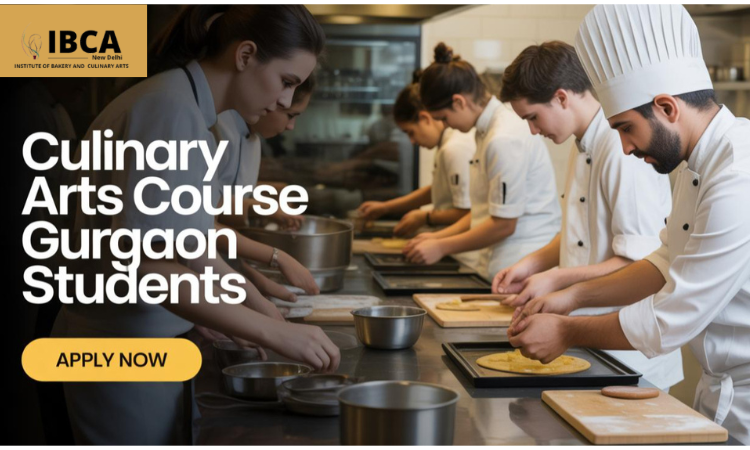
The culinary scene in Gurugram, or Gurgaon, is flourishing and thriving—that’s directly driven by different food startups, cloud kitchens, fine-dining restaurants, cafes, and more—and the demand for professional bakers has skyrocketed. Both students and even professionals are searching for the right and career-focused training to unlock some opportunities in their career field. However, many local institutes in Gurgaon provide just hobby-level courses, thus leaving the real aspirants to search for the best bakery institute in Gurgaon and other places that are just a metro ride away. Welcome to IBCA Delhi, located in Janakpuri, which is offering global-level courses and certifications for hands-on training, just some distance from Gurgaon. Looking for the best Baking and Culinary Arts Course in Gurgaon? This blog is for you — we’re sharing all the important details you need to know. Why Gurgaon Students Are Searching for Courses Outside Their City All the culinary scenes of Gurgaon are great; the professional culinary institutes are rare in the city. Most of the local classes do focus on general and simple baking courses in Gurgaon that are short-term and normal courses that don’t have the depth or expertise to provide career-level growth. Users are generally searching for the best bakery institute near Gurgaon.  The IBCA Delhi is actually filling the gap with main-level career-focused programs that are supremely aligned with global-level standards and certifications like CTH or City & Guilds, thus providing multiple career opportunities in Michelin-starred kitchens, luxury hotels, and entrepreneurial ventures.  Overview of Baking & Culinary Arts Programs Offered by IBCA The curriculum of IBCA blends both practical expertise along international certifications, providing that graduates stand out in this industry. Some of the popular programs of Chef IBCA are: Baking Courses Search for the best bakery and pastry chef course near Gurgaon; then, Chef IBCA has specialized bakery and pastry programs: Mastering advanced techniques along with chocolate artistry, gluten-free baking and complete command of baking sciences.  Great for developing foundational skills for cakes, desserts, and breads.  Specialized training for the Indian market trends.  A perfect course for enthusiasts who want creative freedom.  Culinary Courses  Chef IBCA has already become a perfect culinary institute in Delhi for Gurgaon students and provides the most career-focused courses: Train as a perfect line cook or a complete sous chef for luxury chefs.  Fast-tracking your career with the 12-month course along with internships with major hospitality brands like Hyatt, Taj, JW Marriott, etc.  Fast-starting options for major career changes.  Distance & Accessibility from Gurgaon to IBCA, Janakpuri The Janakpuri Campus of Chef IBCA is directly accessible via Delhi Metro’s Magenta and Blue lines. The Yellow Line can help you reach there.  What Makes IBCA the Best Culinary & Baking Institute for Gurgaon Students Career Scope in Gurgaon After the Course There are multiple career opportunities, whether you choose the Chef IBCA’s baking course in Gurgaon or the pastry chef course near Gurgaon: Campus Visit and Contact Details  Visit our campus today and set your career in bakery and culinary sciences: Address: Plot 10, Block B, Janakpuri Institutional Area, New Delhi – 110058 Google Maps: https://g.co/kgs/U3NjKQb WhatsApp/Phone: 09643469329 New batches for the culinary institute in Delhi for Gurgaon students start soon—enroll today! Conclusion  The food industry in Gurgaon demands professional expertise and excellence, not just some hobby courses and shortcuts. Chef IBCA is the best bakery institute near Gurgaon that has global certifications, job offers, and internship opportunities—all just some km or a normal metro ride away. Do not settle for local courses that will lead you nowhere; instead, choose the best, whether you want to build a career as an expert chef or baker or run a cloud kitchen. All this needs is professional expertise that only Chef IBCA can offer. 

business of bakery – how to start & market your own bakery
Uncategorized

The Business of Bakery – How to Start & Market Your Own Bakery

Have you dreamed of starting a bakery business? Starting a baking business isn’t just about mixing ingredients—it’s about turning your passion into a thriving venture. Whether you’re planning a home-based bakery, a Bakery cafe, or a wholesale bakery business, success takes more than just great baking skills. Don’t sweat it, we’re here to guide you a roadmap to all about it. In this blog, we’re going to cover what actually business of bakery is, steps on how to open a bakery business, and challenges with tips on how you can overcome them. What Actually is the Business of Bakery? The business of bakery is all about transforming a passion for baking into a successful enterprise. When it comes to starting a baking business, you might be thinking that it’s about crafting cakes or pastries. Isn’t it? But it’s not completely correct. The business of bakery is a complete model that covers everything from planning and legal setup to marketing and customer service. Whether you’re running a home-based bakery, a retail shop, or a wholesale bakery, the goal is to create a distinct experience through your products. It generally includes curating a menu that stands out, managing costs, sourcing high-quality ingredients, and building a brand that resonates with customers. Finally, we can say that it’s all about having a combination of creativity with a strong strategy in order to create a thriving bakery business.  Also Read: What type of bakery business is perfect for you? How to Open a Bakery and Make It Stand Out Step 1: Planning Your Bakery Business The first step is to choose the type of bakery you’re desiring. Whether it’s home-based, a cafe, a cloud kitchen, or even a retail bakery, choose wisely. Each of these types has its own setup and market. Furthermore, research the market and then identify what’s the preferences of the customer in order to be aware of your target audience. Create a USP, i.e. Unique Selling Point or Product, that makes your bakery distinct from others.  Step 2: Legal Requirements & Setup Another step is to register your bakery as a sole proprietorship, partnership, or private limited company. You need to apply for the essential license like FSSAI, GST Registration, and other permits that must be followed in your state, city or a particular region.  Thereafter, find the perfect location for a store, or you can even ensure your home-based business meets all regulatory requirements.  Step 3: Perfecting Your Menu & Pricing Now, you must choose a specific niche for your bakery, like cakes, pastries, healthy bakes, or gourmet desserts. Also, you must source quality ingredients in order to ensure product consistency.  Create a pricing strategy that must strike a balance between profitability and competitiveness. Furthermore, it must ensure your prices are affordable while covering your costs and generating a healthy margin.  Step 4: Setting Up Your Kitchen & Equipment Invest in essential equipment like ovens, mixers, and storage solutions based on your bakery’s size and needs. In order to avoid overspending, plan your budget and investment carefully. Try selecting reliable suppliers for your ingredients and packaging it order to ensure you’re maintaining product quality and cost efficiency.  Step 5: Marketing & Branding Your Bakery The fifth step is creating a strong brand identity with a unique name and logo, as well as a theme that better matches your bakery’s image. Furthermore, build a professional website and optimize for SEO in order to drive traffic. Use social media platforms like Instagram, Facebook, and Pinterest for visual marketing. It can drive social traffic and boost your business.  Apart from these, you must also run Google and Meta ads to reach the local customers, and also try collaborating with food bloggers and influencers to add extra exposure. Also Read: 10 Irresistible Bakery Marketing Ideas to Sweeten Your Sales Step 6: Selling & Expanding Your Business Decide on the mediums for your bakery: in-store, online order, or even through delivery apps such as Zomato and Swiggy. Always try to expand your services by providing custom cakes or catering, or you can also try introducing a subscription-based package. Once it is established, try to explore franchising or opening extra outlets in order to grow your bakery business even further. Common Challenges & How to Overcome Them Also Read: How To Run A Successful Bakery Business Conclusion Starting a bakery demands careful planning, creativity, and smart strategies for business. If you’re also one of them who’s looking to perfect their skills, bakery classes in Delhi offered by Chef IBCA provide comprehensive training.  You can be satisfied with mastering recipes to business insights. With the right approach, you can just turn your passion into a thriving bakery business.

Uncategorized

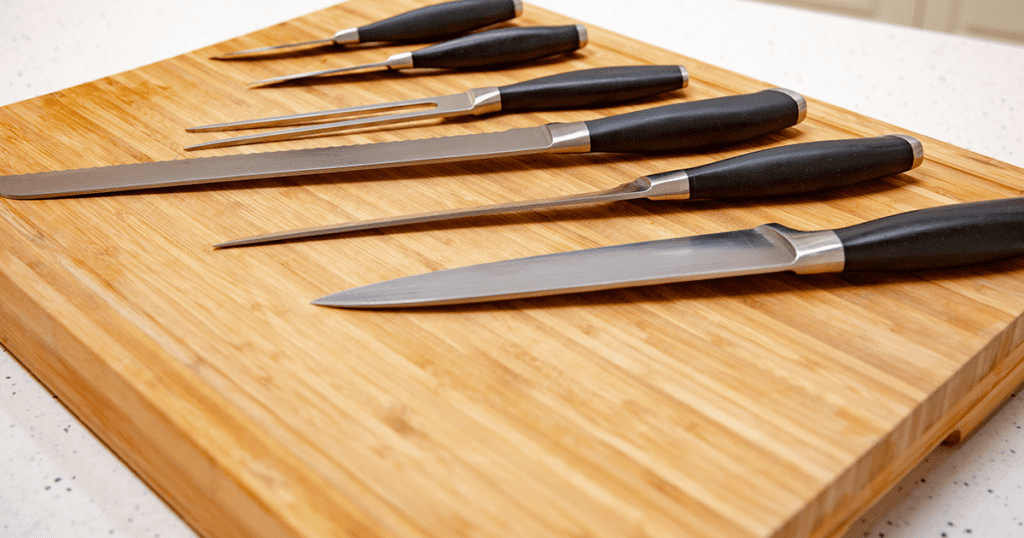
Different Knives for Culinary Purposes and the Best Use for Each

In the symphony of culinary arts, the kitchen knife plays the leading role—a conductor orchestrating the harmony of flavors, textures, and aromas. Just as a musician wouldn’t rely on a single instrument, a chef needs an array of knives to craft culinary masterpieces. Join us on a journey through the world of kitchen knives as we explore five essential blades, each with its unique purpose and role in the theater of cooking. 1. Chef’s Knife: The Maestro of the Kitchen The chef’s knife, often regarded as the workhorse of the kitchen, is a kitchen superhero. With a broad and sharp blade, it effortlessly handles chopping, slicing, and dicing. Its versatility makes it indispensable for a wide range of ingredients, from vegetables to meat. The weight and balance of a good chef’s knife allow for precise control, thus making kitchen tasks effortless. 2. Paring Knife: Precision in Small Packages When finesse is required, the paring knife takes center stage. Its slender, pointed blade excels at intricate tasks such as peeling, trimming, and detailed cutting. From cooking shrimp to making fancy decorations, the paring knife is the artist’s brush, allowing for delicate maneuvers that elevate the visual appeal of dishes. 3. Serrated Bread Knife: The Gentle Slicer Enter the world of crusty bread and delicate pastries armed with a serrated bread knife. The saw-like edge of this knife effortlessly glides through the toughest crusts without crushing the soft interior. Beyond bread, it’s the perfect companion for slicing tomatoes, cakes, and any delicate item that demands a gentle touch. A good serrated bread knife ensures that every slice is a clean, precise cut. 4. Boning Knife: Precision for Meat Lovers For those who relish the art of meat preparation, the boning knife is an essential tool. With a narrow and flexible blade, it adeptly maneuvers around bones, joints, and cartilage. Whether you’re filleting fish, deboning poultry, or preparing a rack of lamb, the boning knife ensures you extract every ounce of meat with surgical precision, minimizing waste and maximizing flavor. 5. Santoku Knife: The Japanese Virtuoso Originating from Japan, the Santoku knife is a versatile blade that combines the qualities of a chef’s knife and a cleaver. With its unique shape and Granton edge (a row of oval-shaped indentations), the Santoku excels at thin slicing, dicing, and chopping. This knife is a favorite among those who appreciate a finer, sharper edge and is ideal for precision cuts on vegetables, fish, and boneless meats. Conclusion As we finish our journey exploring kitchen knives, it becomes evident that each blade is a specialized instrument designed to elevate the chef’s artistry. From the robust chef’s knife to the delicate paring knife, and the precise boning knife to the versatile Santoku, these tools are more than mere utensils—they are extensions of a chef’s skill and creativity. Investing in a quality set of knives is akin to assembling a reliable team of sous-chefs, each contributing its expertise to the culinary symphony. So, the next time you go on a culinary adventure, consider the role each knife plays in bringing your gastronomic vision to life. Remember, the right knife in skilled hands is not just a tool; it’s the key to unfastening the full potential of your culinary creations. Happy cooking!

choosing-the-best-sweetener-for-your-health-and-baking-needs
blogs, Uncategorized

A Guide to Sugar Alternatives: Choosing the Best Sweetener for Your Health and Baking Needs

Who doesn’t love a delicious baked treat? From cookies to cakes, sweet treats are a staple in many people’s diets. However, traditional sugar is not the healthiest ingredient to use in your baked goods. It can lead to weight gain, tooth decay, and other health issues. Luckily, there are natural sweeteners available that can be used as a healthier alternative. In this blog, we’ll explore the world of baking with natural sweeteners and provide some delicious recipes for you to try. What are Natural Sweeteners? Natural sweeteners are alternatives to traditional sugar that are derived from plants. They are often less refined and processed than traditional sugar and can provide a variety of health benefits. Benefits of Natural Sweeteners Natural sweeteners are often lower in calories than traditional sugar. They can help to regulate blood sugar levels. They can be a good source of vitamins and minerals. Types of Natural Sweeteners There are many different types of natural sweeteners available. Some of the most popular ones include: Honey: Honey is a natural sweetener that is rich in antioxidants and has antibacterial properties. It is a great sweetener for baked goods like muffins and bread. Maple Syrup: Maple syrup is another natural sweetener that is rich in antioxidants. It has a delicious, earthy flavor and is perfect for pancakes and waffles. Stevia: Stevia is a natural sweetener that is derived from the leaves of the stevia plant. It is much sweeter than traditional sugar, so a little goes a long way. It is perfect for sweetening drinks and smoothies. Coconut Sugar: Coconut sugar is a natural sweetener that is derived from the sap of the coconut palm. It has a delicious, caramel-like flavor and is perfect for baking. Tips for Baking with Natural Sweeteners Baking with natural sweeteners can be a little bit different than baking with traditional sugar. Here are some tips to keep in mind: Natural sweeteners are often less sweet than traditional sugar, so you may need to use more of them to achieve the desired level of sweetness. They can also be more expensive than traditional sugar, so be prepared to pay a little bit more for your ingredients. Natural sweeteners can also affect the texture of your baked goods, so be prepared to experiment a little bit to find the right balance. Delicious Recipes Now that you know a little bit more about baking with natural sweeteners, it’s time to put your knowledge into practice. Here are some delicious recipes to get you started: Chocolate Chip Cookies with Maple Syrup: These chocolate chip cookies are sweetened with maple syrup and are a delicious alternative to traditional cookies. Blueberry Muffins with Honey: These blueberry muffins are sweetened with honey and are perfect for breakfast or a mid-morning snack. Pumpkin Bread with Coconut Sugar: This pumpkin bread is sweetened with coconut sugar and has a delicious, caramel-like flavor. Strawberry Smoothie with Stevia: This strawberry smoothie is sweetened with stevia and is a delicious and healthy way to start your day. In conclusion, baking with natural sweeteners is a great way to create healthier treats without sacrificing flavor. With a little bit of experimentation, you can create delicious baked goods that are both tasty and nutritious. So why not give it a try and see what you can come up with? Your taste buds (and your body) will thank you!

Uncategorized

Mastering the Art of French Pastry: Tips and Tricks

French pastry is widely regarded as some of the finest and most delicate in the world, and it’s no wonder why. The attention to detail, the precision, and the passion that goes into every pastry are just a few of the reasons why French pastry is so beloved. But for many, mastering the art of French pastry can seem like an impossible task. Fear not, with the following tips and tricks, you’ll be creating beautiful French pastries in no time! Start with the Basics The first step in mastering the art of French pastry is to start with the basics. Learn how to make classic French pastry doughs such as pâte à choux, pâte brisée, and pâte sucrée. These doughs are the foundation of many French pastries and learning them will give you a solid understanding of the techniques used in French pastry. Use Quality Ingredients French pastry is all about quality, so it’s important to use the best ingredients possible. Use fresh, high-quality butter, flour, eggs, and sugar. The better the ingredients, the better the pastry will be. Precision is Key French pastry is all about precision, so make sure you measure everything precisely. Use a scale to weigh your ingredients, and use a thermometer to make sure your oven is at the correct temperature. Practice Makes Perfect French pastry is not something you can master overnight. It takes time, practice, and patience. Don’t be discouraged if your first attempt doesn’t turn out perfectly. Keep practicing, and soon you’ll be creating beautiful pastries that will impress your friends and family. Mastering the Techniques French pastry is all about technique. Learn the techniques used in French pastry such as folding, creaming, and whipping. Mastering these techniques will help you create the delicate, light, and airy pastries that French pastry is known for. Get Creative While classic French pastries are delicious, don’t be afraid to get creative. Experiment with different flavors, textures, and presentations. French pastry is a great canvas for creativity. Seek Inspiration Follow pastry chefs on social media and read pastry cookbooks to get inspiration for new flavors, techniques, and presentations. In conclusion, mastering the art of French pastry takes time, practice, and patience. But with these tips and tricks, you’ll be well on your way to creating beautiful and delicious French pastries that will impress anyone who tries them. So, roll up your sleeves, get your apron on, and start baking!    

Scroll to Top
Call Now Button