


Author name: Seo_executive

is a diploma in pastry and bakery worth It
Diploma in Pastry and Bakery

Is a Diploma in Pastry and Bakery Worth It in 2025?

The demand for talented pastry chefs is at an all-time high as more people seek premium, handcrafted baked items. No matter if it’s a custom cake for a special occasion or even a perfectly baked croissant, quality matters more than ever. A diploma in pastry and bakery offers you the chance to master the art of baking, from basic techniques to modern trends.  In this blog, we’ll explore why this diploma is worth considering, how it offers hands-on experience, as well as how you can unlock exciting opportunities in bakeries, luxury hotels, or even your own bakery business. The future of baking is bright, and the time to start is now. Let’s explore these interesting topics.  Understanding the Diploma in Pastry and Bakery  A diploma in pastry and bakery is a specialized program designed to equip you with relevant and creative skills that are required to excel in the baking industry. Typically, it combines classroom learning along with hands-on training that allows you to master multiple baking techniques and become proficient in crafting desserts and breads that are mouth-watering.  Here’s a short overview of what you can expect from this diploma: Key Benefits of Pursuing This Diploma 1. Hands-On Training with Expert Chefs Getting hands-on training represents the most important factor within the pastry and bakery diploma program. Pastry and bakery diploma students learn with master chefs who teach important skills through professional culinary training in working kitchens.  2. Internationally Recognized Certification The certification received by candidates becomes internationally valid because the training makes them more attractive to bakery industry employers worldwide. The course delivers demand-worthy skills which allow you to seek employment both abroad and domestically in different professional markets.  3. Exposure to Global Baking Trends The program presents future-oriented trends which include artisanal bread making along with vegan pastry development skills. The program demonstrates methods for changing your skills toward alignment with what customers need while aligning with market requirements.  4. Placement and Internship Opportunities This educational program provides career placement services and allows students to work interning at leading hotel chains and bakery establishments whose experience gives students practical skills and future employment advantages. The opportunity exists for networking and acquiring insight into the field because such programs enable great exposure.  5. Access to Professional Kitchens and Tools You’ll work and learn in fully-equipped, professional kitchens as part of your training. This hands-on access to industry-grade tools, along with equipment ensures that you’re ready to work in any high-end bakery, hotel, or even restaurant setting from day one.  6. Career Versatility: From Hotels to Entrepreneurial Ventures As you know, a diploma in pastry and bakery opens up a wide range of career paths, like working in prestigious hotels or starting your own bakery, but there’s something more than that.  You can even explore freelance opportunities, this qualification offers you the versatility in order to follow your passion in any direction.  Career Opportunities After Completing the Diploma When you complete your diploma in this industry, it opens up a variety of career paths across India as well as internationally. Here are some popular options:  Why 2025 is the Right Time? As we know, the culinary world is evolving rapidly, and the bakery sector is one of the fastest-growing segments. With rising demands for gourmet desserts, healthier bakes as well as artisanal treats across India and abroad, talented pastry chefs are more sought-after than ever.  You can upskill, gain professional training, and turn your passion into and career in 2025. A diploma today means stepping into a demanding industry with countless opportunities tomorrow.  Conclusion A diploma in pastry and bakery is becoming popular day-by-day, it doesn’t mean it has a lot of competition that you can’t compete. It means, demand for talented chefs is at an all-time high. So, it can be your gateway to a creative and fulfilling career.  From mastering various techniques to launching your own venture, the opportunities in this field are vast. If you’re ready to turn your passion into your dream career, choose the best bakery institute in India and let your baking journey start.


different paths and skills needed for culinary careers
blogs

Culinary Careers: A Guide to the Different Paths and Skills Needed

A culinary career opens the door to a world of creativity, passion as well as endless possibilities. No matter if you aspire to be a chef in a fine-dining restaurant, a personal chef, a food entrepreneur, or even a culinary educator, this field offers so many rewarding paths. But to succeed in this industry, you need to have more than just cooking skills.  The industry demands discipline, technique, along with professional training. In this blog, we’ve covered crucial topics such as why you should choose a career in Culinary Arts, different career paths in this field, what are the essential skills that are required to be proactive in this field, and others. So, let’s dive into the post. Why Choose a Culinary Career? A culinary career is a gateway to a creative and rewarding future. If you’re passionate about food, love experimenting with flavors, or aspire to run your own restaurant, then this industry is the perfect option for you. From mastering cooking techniques to understanding the global cuisine, it’s an industry where every day brings something new. You can travel, innovate, and make a name for yourself doing what you love. Here are some of the key benefits you can get:  Different Career Paths in the Culinary Field There are many different paths you can take in the culinary industry. Here are a few of the most popular: Chef: Chefs are responsible for overseeing the kitchen operations of a restaurant or other food service establishment. They create menus, train staff, and ensure that food is prepared to high standards. Pastry Chef: Pastry chefs are responsible for creating desserts, pastries, and other baked goods. They need to have a strong understanding of baking techniques and be able to create visually appealing and delicious treats. Cook: Cooks are responsible for preparing food in a kitchen setting. They may work in a restaurant, hotel, or other food service establishment. Cooks need to be able to follow recipes, work quickly and efficiently, and be able to handle a variety of tasks. Beverage Specialist: Beverage specialists are responsible for creating and serving drinks. They may work in a restaurant, bar, or other establishment that serves alcohol or non-alcoholic beverages. Beverage specialists need to have a strong knowledge of different types of drinks and be able to create cocktails, mocktails, and other beverages to order. Important Skills for a Culinary Job No matter what path you choose, there are certain skills and experiences that are essential for success in the culinary industry. These include: Cooking Skills: A strong understanding of cooking techniques is essential for any culinary professional. This includes knowledge of knife skills, food safety, and different cooking methods. Taste and Presentation Skills: Culinary professionals need to be able to taste food and identify any potential problems. They also need to have a strong eye for presentation and be able to create visually appealing dishes. Communication Skills: Culinary professionals need to be able to communicate effectively with their staff, customers, and other stakeholders. This includes being able to give clear instructions, take feedback, and resolve conflicts. Teamwork Skills: Culinary professionals often work in a fast-paced and collaborative environment. They need to be able to work well with others and be able to adapt to change. How IBCA Can Help You Begin Your Culinary Journey If you’re interested in a career in the culinary industry, IBCA (Institute of Bakery and Culinary Arts) is a leading culinary and baking institute in Delhi, offering specialized programs to help you develop the skills and knowledge needed for a successful career in the culinary industry. Conclusion A career in the culinary arts is rewarding as well as dynamic, and it offers multiple paths, such as becoming a chef, food stylist, or food critic. With a Diploma in Culinary Arts, you can master essential skills seamlessly and gain knowledge that’s industry-specific, setting the foundation for success.  When you choose a recognized culinary institute in India, you can get quality education along with practical training in order to excel in the competitive culinary world and open doors to exciting career possibilities in this demanding field.

best culinary and baking courses after 12th
Blog

Best Culinary and Baking Courses After 12th – Career, Scope & More

After passing the 12th exam, this is the right time to decide on the future, make decisions regarding a career. If someone is passionate about music, they choose a music institute, and if someone is passionate about food, cooking, or baking, then they must choose a career in the culinary arts that teaches them many perfect recipes that pave their path of success. With the rise in the hospitality industry and a rising demand for skilled chefs, bakers, and culinary entrepreneurs, this field opens a global career path and success at the national or international level. Whether a student dreams of becoming a master chef, opening his bakery, or working in five-star hotels, enrolling in culinary or baking courses after 12th grade can help him turn his passion into a profession. In this blog, we’ll guide you through everything you need to know to succeed in the culinary industry, from types of courses, eligibility, career scope, and the best culinary institute in India where you can give shape to your dreams. Why Choose Culinary or Baking Courses After 12th? Industry Demand & Growing Hospitality Sector People have busy schedules nowadays, and they prefer ready-to-eat food. This is the reason behind the rapidly growing culinary and hospitality industry in India and abroad, which leads to an increase in demand for skilled professionals. As food loved by people must have taste and contain proper nutrition and must be healthy for the people, and all these needs can be fulfilled by well-trained chefs and bakers, as they have received training regarding that. Creative, Skill-based Career Path Working in the hospitality industry isn’t a desk job; it is a career that depends on creativity, innovation, and hands-on skills. Individuals can express their personality and art through innovative dishes like cakes and pastries. Even a chef can share stories through their baking art, and if they get training from the best institute, then they become so expert that there would be a beautiful story behind every culinary art and recipe. Global Job Opportunities And Entrepreneurship Getting culinary skills and building a career is not limited to the national level, but it opens the door to success at the global level, as food is a basic need of human beings. With the right training and certification from the best institute, one can be able to work in top hotels, restaurants, or cruise ships at the global level. Many culinary graduates started their own businesses, became entrepreneurs, and launched their cafes, bakeries, or cloud kitchens and stepped into India’s booming food industry, where delivery has become easy and people are starting their startups. Types of Culinary and Baking Courses Available After 12th Diploma in Culinary Arts The duration of the diploma in culinary arts is 6, 12, or 18 months, depending on the type of course selected by the student. In this course, a student can learn Indian, Continental, and International cuisines that help students to get jobs in restaurants and hotels where there is a need for chefs with professional training and can get higher salaries and prestige. Professional Pastry & Bakery Course The duration of the professional pastry and bakery course is 6 or 9 months. This course is mainly focused on teaching bakery and patisserie skills like making cakes, breads, pastries, chocolate work, etc.  Hobby Chef Programs This is a short course that is perfect for food lovers who want to enhance their skills and want to cook for their families. These types of courses are done for self-satisfaction, and there is no commitment to a long-term program or career in the future. Eggless Baking Courses (For Vegetarian Learners) This course is specially designed for vegetarians who want to be perfect in bakery courses and want to target the vegetarian customers and become popular in the culinary industry. This course includes eggless cakes, cookies, breads, and desserts that are perfect for vegetarian people, especially in India, where people avoid eggs during worship or when they believe in God. Short-term Certificate Options The duration of this course is weeks to 3 months. This course is selected by the people who want to focus on skill-building in a specific area, like chocolate making, continental cuisine, or healthy baking. Career Opportunities After Culinary and Baking Courses One of the best parts about this field is that when you become skilled and certified from a famous institute, it opens diverse career options that you can choose after completing a course. Here we have mentioned some career options that you can choose after getting a certification  Start Strong with Chef IBCA – A Trusted Culinary Institute in India Chef IBCA (Institute of Bakery and Culinary Arts)  in Delhi is one of the most reputed culinary schools in India. Here we have explained why students should chef IBCA: Expert Faculty: A student can learn from top chefs and industry professionals who are successful in this field and can share their experience with students that will help them to tackle situations in the future. Govt-Recognized Certifications: We provide government-recognized certificates that increase the chance of getting selected in hotels and restaurants. Fully Equipped Kitchen Labs: Here we are providing a fully equipped kitchen and labs that will help you to learn each and every minor art of culinary and give you experience of handling the kitchen. 100% Practical Learning: Every day is spent in the kitchen with professionals, and one can get live experience of cooking and managing the work  Strong Placement Network: We have connections with top hotels and restaurants, and help our students with job interviews and internships with top brands and hotels that pave the path of their careers in the culinary industry  Conclusion  Doing a job that you love is called following your passion. When an individual decides to do a job in the culinary industry then they have a thought in their mind about which institution they should become certified to work with top restaurants and hotels. Choosing a baking course after 12th will give you more

how to start a cloud kitchen from home
Cloud Kitchen

How to Start a Cloud Kitchen from Home: A Beginner’s Guide

Are you also one of those who want to start a food business? Then, launching a cloud kitchen from home is your golden ticket. Just imagine running a thriving food business with no hefty rent, no dine-in hassles, and a direct line to hungry customers. Nowadays, these kitchens are revolutionizing the industry, and you can be part of it. No matter if you’re a home chef with secret sauce or even an entrepreneur hungry for success.  This guide will share the needed insights to turn your kitchen into a profit machine. From trending dishes to tech hacks, branding secrets to delivery tricks, we’re here to help you cook up success. So, now let’s get started.  Also Read: How to become a professional chef in India? What is a Cloud Kitchen? A cloud kitchen is also known as a virtual kitchen. It is a food business that operates without a dine-in space, and focuses entirely on online orders as well as deliveries. These virtual kitchens are built for efficiency and enable chefs to prepare food optimized for delivery apps like Uber Eats, Zomato, Swiggy, etc. Unlike traditional restaurants, online kitchens cut costs as they eliminate seating areas, waitstaff, as well as prime location expenses. You can run your virtual kitchen from your home, shared commercial spaces, or even food trucks. Over and above, you can operate multiple virtual kitchens from a single kitchen in order to maximize your revenue.  These are perfect for startups as well as food entrepreneurs, as they offer flexibility and overhead as well as direct access to the booming food delivery market. It’s the future of a hassle-free and scalable food business.  Top Benefits of Running a Cloud Kitchen The cloud kitchen model is revolutionizing the food industry, especially for entrepreneurs looking to build their profitable brands with low investment. Here’s why cloud kitchens are the smartest choice: 1. Significantly Lower Costs If you’re willing to launch your virtual kitchen, you don’t need a dine-in space, waitstaff, or even heavy interior decor. It drastically cuts down rent, utilities, and manpower costs and makes your business lean while profit-friendly from the start.  2. Quick and Easy Setup Unlike traditional restaurants, a cloud or virtual kitchen is faster and simpler. You can get up and run your food business with fewer licenses, minimal setup, and a delivery-only focus.  3. Run Multiple Brands from One Kitchen One of the biggest perks is that you can run multiple brands from only one kitchen. You can cater to different cuisines and customer preferences, all while operating the same kitchen and team.  4. Data-Driven Growth Cloud or virtual kitchens thrive on digital platforms. It offers access to valuable customer data and insights to refine the menu and improve delivery times while boosting customer satisfaction strategically.  5. Delivery-First Efficiency Cloud or virtual kitchens are designed in order to operate solely for delivery. Every step from cooking to packing is optimized for speed, consistency, and hygiene, leading to better reviews as well as more repeated orders.  Launching Your Home-Based Cloud Kitchen: Step-by-Step If you’re wondering how to start a cloud kitchen, here’s a practical step-by-step guide to get you started:  1. Market Research and Food Trends The first step includes market research and food trends. You must start by analyzing your local food delivery market. Discover what’s actually trending, like comfort food or dessert, and then look for gaps you can fill. Also, when you understand customer preferences, it will shape your menu and pricing strategy.  2. Fulfill Legal and Regulatory Needs It is very crucial to fulfill legal and regulatory needs. Ensure your kitchen is compliant with food safety as well as hygiene regulations. Register your business, get an FSSAI license, GST registration, and other necessary approvals like local municipal approval in order to run a home-based kitchen.  3. Draft a Solid Business Plan The next step is outlining your vision, target audience, operational plan, brand identity, and cost structure. When you have a well-crafted business plan, it will act as a roadmap and is vital if you’re seeking funding or a partnership.  4. Set Up a Functional Cooking Space Get a dedicated kitchen area with the necessary appliances as well as storage. Try to invest in high-quality utensils, a reliable stove, and refrigeration and safety equipment in order to make sure you’re consistent in food preparation.  5. Design a Smart and Profitable Menu Design a menu that’s focused, efficient, and scalable. Keep dishes that are easy and fast to prepare and travel well while being aligned with your brand’s identity. When you keep a simplified menu, it reduces the prep time and waste and boosts yor profitability.  6. Integrate Tech for Smooth Operations Another step is integrating technology in your kitchen to ensure smooth operations. Use POS systems, inventory trackers, and kitchen display systems in order to streamline your day-to-day operations. You can collaborate with food delivery apps such as Swiggy, Zomato, and Uber Eats in order to start getting your orders.  7. Promote Your Cloud Kitchen Brand Promoting your virtual kitchen on social platforms is also a step to be taken when you’re launching your virtual kitchen or even if you’ve already launched it. Build an engaging brand on social media, run local ads, and you can also offer launch discounts. Visibility and trust can be boosted by high-quality food photography, influencer tie-ups, and glowing reviews.  8. Streamline Delivery and Order Fulfillment Whenever it comes to online orders, efficient delivery is key. Work with reliable partners or set up your own logistics. You must use eco-friendly, secure packaging.  Also Read: Start Your Food & Hospitality Career with a Diploma in Culinary Arts Essential Factors for Long-Term Success It’s not over. When you learn how to start a cloud kitchen, you need to consider some essential factors to ensure long-term success. For your home-based food business to thrive in the long run, consistency, hygiene, and customer-centric practices are non-negotiable. Here are the essential factors every online kitchen must focus on: 1. Prioritize

Pastry Chef

How to Become a Professional Chef in India?

The culinary industry in India is booming, it offers endless opportunities for those who are passionate about food. The demand for skilled chefs is higher than ever as the hotels, restaurants, cloud kitchens as well as international food chains are seeing rapid growth. When it comes to the Indian food service market, it is expected to reach ₹10-12 lakh crore by 2025. Thus, it makes it one of the fastest-growing industries.  Being a chef in India isn’t just about cooking, but it is also about mastering techniques and being conscious of flavors as well as leading kitchen operations. No matter, if you want to work in a luxury hotel, start your own restaurant, or even specialize in global cuisines, the perfect education and training are a gateway to success. In this blog, we’ve covered topics like what a chef does, different types of chefs, and the best education for aspiring chefs, how you can take admission in the 12 Months Culinary Certificate Program, and much more. What Does a Chef Do? Did you ever wonder what a chef does beyond just cooking? You might think that it’s all about tossing ingredients into a pan and creating magic. Isn’t it? But, there’s so much more behind that. A chef in India or wherever is responsible for designing menus, choosing the ingredients that are fresh to ensure food quality, and even managing an entire kitchen team.  They balance the flavors, experiment with new recipes, and stay ahead of food trends. Moreover, hygiene, presentation techniques, and time management are also as crucial as taste. No matter if a chef works in a fine-dining restaurant, a 5-star hotel, or even a cloud kitchen, they play an important role in shaping evolving food trends. When they implement their expertise, they turn ordinary meals into extraordinary culinary experiences. Must-Have Skills for a Successful Chef Career As you already know, being a chef isn’t just about knowing how to cook. It’s also about mastering the combination of technical expertise, creativity, and management skills. But, Here’s a detailed overview of what it requires to thrive in the culinary world: Master these skills, and you’ll be on your way to becoming a successful chef in India. Types of Chefs and Their Duties Executive Chef – The Mastermind of the Kitchen The Executive Chefs are often regarded as the masterminds of the kitchen. They are the leader of the kitchen and are responsible for planning the menu, overseeing staff, and ensuring the food quality. Also, they manage kitchen budget, maintain hygiene standards perfectly, as well as bring creative culinary ideas to life in top restaurants and hotels. Sous Chef – The Kitchen’s Backbone The Sous Chefs are the second-in-command. They ensure the kitchen runs smoothly and assist the Executie Chef by overseeing cooking stations, training junior chefs, as well maintaining consistency of food.  Pastry Chef – The Dessert Artist They specialize in crafting exquisite desserts and pastries as well as baked goods. They master the art of chocolates, cakes, and breads while bringing the sweetness to menus in hotels and bakeries, as well as high-end restaurants. Precision and creativity with patience define their work.  Commis Chef – The Rising Star A Commis Chef is an entry-level cook who assists the senior chef, prepares ingredients and learns essential cooking techniques. The get hands-on expertise in different kitchen sections through building their skills and working towards becoming specialized chefs.  Garde Manger – The Cold Dish Specialist The Garde Manager is responsible for creating visually stunning as well as flavorful cold dishes, which include salad, appetizers, and charcuterie. Their expertise lies in food presentation, texture balancing, and crafting elegant and refreshing dishes for a fine dining experience.  Saucier – The Flavor Expert When it comes to Saucier, they are sauce and soup specialists. They master the balance of flavors that define a dish. Their role is creating rich, flavorful sauces, stocks, and gravies in order to ensure every meal is elevated with the perfect finishing touch. Best Educational Programs for Aspiring Chefs in India Get Enrolled In IBCA’s 12-Months Culinary Certificate Program Just have a look on our simple eligibility criteria and admission process and get enrolled to the Diploma in Culinary Arts:  1. Eligibility Requirements To pursue a career as a chief in India, candidates must have completed the age of 16 years and have at least a 10th grade. However, some institutes allow candidates who have completed their 12th standard.  2. Admission Process Chef IBCA allows you to be enrolled in the program through our official website and by visiting our campus.  Online: Candidates can register themselves through registration forms online.  Offline: Candidates can visit our campus and fill out registration forms. Salary of Chef In India The salary of a chef in India varies based on experience, skills, and place of work. Entry-level chefs can earn aroun ₹225,000 per year while experienced chefs can take home around ₹1,600,000 per year. The average salary is around ₹400,000 annually. Executive chefs/head chefs earn between ₹0.7 lakhs and ₹20 lakhs, with an average salary of ₹6 lakhs per year. More Career Options Apart From Cooking Apart from chef-related jobs, you can also pursue other careers such as cookbook writer, event caterer, cookery show host, cuisine ship caterer/airlines caterer/railways restaurant/pub manager, and food critic/journalist/writer after gaining some work experience. Being a chef is no easy feat and requires hours of hard work and dedication. However, with the right attitude, focus, and skills, you can excel in this profession and make a name for yourself. Conclusion Becoming a chef in India is an exciting journey that demands passion, skill, and dedication. When you get the right education, hands-on training, and industry exposure, those who are willing to be chefs can build successful careers in top restaurants, hotels, or even start their own ventures.  The demand for skilled professionals is rising, so it’s a perfect time to pursue formal training with Chef IBCA, the perfect culinary institute in India. Frequently Asked Questions (FAQs): Q1. Who

how to run a successful bakery business from home
Bakery Business

How To Run A Successful Bakery Business from Home

Baking has always been a beloved hobby among homemakers, and with the rise of social media and e-commerce, it has become easier than ever for housewives to transform their passion into a successful home-based business. In this blog, you will learn how to start a successful bakery business from home, turning your love for baking into a profitable venture. Steps to Turn Your Baking Passion into a Successful Business Starting a home-based baking business requires careful planning and the right approach. Here are some key steps to help you build a Successful Bakery Business from home. 1. Start Small and Specialize When launching a home-based baking business, it’s best to start small and focus on a few signature products. This approach allows you to perfect your recipes, build a loyal customer base, and establish a strong reputation for quality. Whether it’s cupcakes, cookies, cakes, or bread, choose one or two specialties and master them before expanding your product line. Also Read: What type of bakery business is perfect for you? 2. Create a Strong Brand Identity To stand out from the competition, develop a unique brand identity that reflects your style and personality. This includes a well-designed logo, appealing packaging, and a consistent social media presence. Invest in high-quality packaging that enhances your product’s appeal and professionalism. Ensure your branding remains consistent across all platforms, including your website, social media, and marketing materials. 3. Leverage Social Media for Business Growth Platforms like Facebook, Instagram, and Twitter are powerful marketing tools that can help you reach a broader audience. Use these platforms to showcase your products, announce promotions, and engage with customers. Share high-quality images of your baked goods, post recipes, and interact with your followers. These bakery marketing ideas will help boost your brand visibility and build a strong customer base. 4. Prioritize Customer Service Exceptional customer service is crucial for success in any business, including baking. Respond to customer inquiries promptly, provide clear details about your products and pricing, and offer flexible payment options. Go the extra mile by providing personalized packaging, free samples, or discounts for repeat customers to enhance their experience. 5. Stay Organized Running a home-based baking business requires effective organization and planning. Keep track of your inventory, orders, and expenses using spreadsheets or accounting software. Set aside time each week to review your finances to ensure profitability and efficient business operations. 6. Invest in High-Quality Ingredients and Equipment To maintain the quality of your baked goods, use fresh, premium ingredients and invest in high-quality baking tools such as a good mixer, oven thermometer, and durable baking sheets. Consistency in taste and presentation will help establish your credibility in the market. 7. Upgrade Your Skills with Baking Classes Even experienced bakers can benefit from learning new techniques and trends. Attend baking classes and workshops to refine your skills, discover new recipes, and stay updated with the latest industry trends. Continuous learning will enhance your expertise and keep your business competitive. 8. Seek Feedback and Improve Customer feedback is invaluable for business growth. Encourage customers to share their thoughts on your products, packaging, and service. Use their insights to make improvements and adapt to their preferences, ensuring customer satisfaction and long-term success. Conclusion With the right strategies, dedication, and smart marketing, homemakers can successfully turn their love for baking into a profitable home-based business. By focusing on quality, branding, customer service, and social media promotion, you can establish a thriving business and create a fulfilling career doing what you love. If you’re looking to enhance your baking skills professionally, enroll in a baking course in Delhi at IBCA and take the first step toward becoming a certified baker!

business of bakery – how to start & market your own bakery
Uncategorized

The Business of Bakery – How to Start & Market Your Own Bakery

Have you dreamed of starting a bakery business? Starting a baking business isn’t just about mixing ingredients—it’s about turning your passion into a thriving venture. Whether you’re planning a home-based bakery, a Bakery cafe, or a wholesale bakery business, success takes more than just great baking skills. Don’t sweat it, we’re here to guide you a roadmap to all about it. In this blog, we’re going to cover what actually business of bakery is, steps on how to open a bakery business, and challenges with tips on how you can overcome them. What Actually is the Business of Bakery? The business of bakery is all about transforming a passion for baking into a successful enterprise. When it comes to starting a baking business, you might be thinking that it’s about crafting cakes or pastries. Isn’t it? But it’s not completely correct. The business of bakery is a complete model that covers everything from planning and legal setup to marketing and customer service. Whether you’re running a home-based bakery, a retail shop, or a wholesale bakery, the goal is to create a distinct experience through your products. It generally includes curating a menu that stands out, managing costs, sourcing high-quality ingredients, and building a brand that resonates with customers. Finally, we can say that it’s all about having a combination of creativity with a strong strategy in order to create a thriving bakery business.  Also Read: What type of bakery business is perfect for you? How to Open a Bakery and Make It Stand Out Step 1: Planning Your Bakery Business The first step is to choose the type of bakery you’re desiring. Whether it’s home-based, a cafe, a cloud kitchen, or even a retail bakery, choose wisely. Each of these types has its own setup and market. Furthermore, research the market and then identify what’s the preferences of the customer in order to be aware of your target audience. Create a USP, i.e. Unique Selling Point or Product, that makes your bakery distinct from others.  Step 2: Legal Requirements & Setup Another step is to register your bakery as a sole proprietorship, partnership, or private limited company. You need to apply for the essential license like FSSAI, GST Registration, and other permits that must be followed in your state, city or a particular region.  Thereafter, find the perfect location for a store, or you can even ensure your home-based business meets all regulatory requirements.  Step 3: Perfecting Your Menu & Pricing Now, you must choose a specific niche for your bakery, like cakes, pastries, healthy bakes, or gourmet desserts. Also, you must source quality ingredients in order to ensure product consistency.  Create a pricing strategy that must strike a balance between profitability and competitiveness. Furthermore, it must ensure your prices are affordable while covering your costs and generating a healthy margin.  Step 4: Setting Up Your Kitchen & Equipment Invest in essential equipment like ovens, mixers, and storage solutions based on your bakery’s size and needs. In order to avoid overspending, plan your budget and investment carefully. Try selecting reliable suppliers for your ingredients and packaging it order to ensure you’re maintaining product quality and cost efficiency.  Step 5: Marketing & Branding Your Bakery The fifth step is creating a strong brand identity with a unique name and logo, as well as a theme that better matches your bakery’s image. Furthermore, build a professional website and optimize for SEO in order to drive traffic. Use social media platforms like Instagram, Facebook, and Pinterest for visual marketing. It can drive social traffic and boost your business.  Apart from these, you must also run Google and Meta ads to reach the local customers, and also try collaborating with food bloggers and influencers to add extra exposure. Also Read: 10 Irresistible Bakery Marketing Ideas to Sweeten Your Sales Step 6: Selling & Expanding Your Business Decide on the mediums for your bakery: in-store, online order, or even through delivery apps such as Zomato and Swiggy. Always try to expand your services by providing custom cakes or catering, or you can also try introducing a subscription-based package. Once it is established, try to explore franchising or opening extra outlets in order to grow your bakery business even further. Common Challenges & How to Overcome Them Also Read: How To Run A Successful Bakery Business Conclusion Starting a bakery demands careful planning, creativity, and smart strategies for business. If you’re also one of them who’s looking to perfect their skills, bakery classes in Delhi offered by Chef IBCA provide comprehensive training.  You can be satisfied with mastering recipes to business insights. With the right approach, you can just turn your passion into a thriving bakery business.

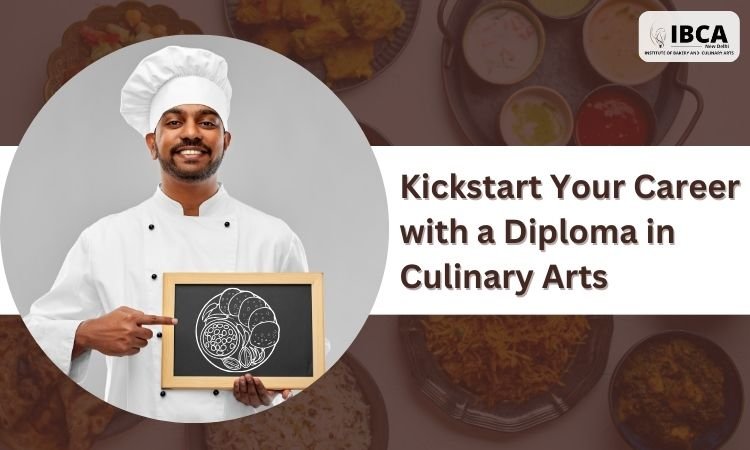
kickstart your career with a diploma in culinary arts
Culinary Arts

Start Your Food & Hospitality Career with a Diploma in Culinary Arts

This industry is booming with culinary arts being a key element of modern dining experiences. A Culinary diploma can open up the world of this dynamic industry as a professional chef. Whether you would like to be a professional chef, food stylist, or the owner of a food business your goals can only be achieved with the right skill set. With several educational paths to take, it becomes important to select the right one for your objectives. For those searching for a quick route into the culinary space, a Diploma in Culinary Arts might be just the course for you. Let’s explore why! The Rise of Culinary Education: Why It Matters With the increasing food industry, hospitality development, food bloggers, and TV shows, the demand for skilled culinary professionals is rising. Culinary education equips aspiring chefs with the knowledge and hands-on skills needed to succeed in professional kitchens. Career Choice: Diploma vs. Degree You may be thinking of culinary education; a diploma vs degree is a critical choice. Here is how those differences break down: 1. Time ad Price Diploma: A quicker and less expensive option, it usually lasts six months to two years. Degree: Takes three to four years to complete, and the cost of tuition is usually higher. 2. The Method of Learning Diploma: Emphasizes practical exposure, industry-relevant skills, and hands-on training. Degree: Consists of business management classes, theoretical subjects, and lengthy internships. For whom is a Culinary Diploma Appropriate? Also Read: Can I Get A Job With A Diploma In Culinary Arts? Job Market Insights: Where a Culinary Diploma Can Take You Food and Beverages Manager When you complete your diploma in culinary arts, food and beverage management is one of the top positions you can get into. A Food and Beverages Manager plays a crucial role in supervising the staff, maintaining quality of service, inventory management, and budget management. The diploma program doesn’t teach only food preparation but also imparts leadership, guest service, and kitchen management skills.  Executive Chef When it comes to a creative leader of the kitchen, it’s always an Executive Chef. An Executive Chefs are responsible for developing the menu, ensuring the best quality of food, and also directing the entire culinary team. This position demands expertise in culinary as well as strong management skills in order to ensure that the kitchen runs smoothly. The culinary diploma offers an in-depth knowledge of food science, global cuisines, and a lot of techniques of modern cooking.  Personal Chef Another position you may get after completing your diploma is a Personal Chef. A Personal Chef prepares the food that is customized according to the preference of the individual client. Sometimes, they can be hired by the private homes or for a special event. When it comes to the basic demands of this role, it always demands creativity, flexibility, and also a deep understanding of the ingredients and flavor.  With the diploma program, a person gets trained in a wide range of food cuisines, food pairings, and presentation techniques. Restaurant Manager Like other managers, Restaurant Managers are also responsible for smooth operations on a daily basis through managing the budget control and inventory. Over and above, they are also responsible for financial responsibilities.  When you master the culinary arts, you’re better equipped to lead effectively. As the nature of the restaurant industry is fast-paced and dynamic, a diploma course can help you to enhance your communication skills and problem-solving. Head Chef Head Chef, a visionary behind the restaurant’s culinary style. The head chef leads the creative process in the kitchen in order to craft signature dishes that actually set the tone of the restaurant’s menu. A head chef is involved in sourcing the ingredients, collaborating with suppliers, and being updated with trends in order to continuously innovate and elevate the experience of dining. With a diploma program, you can easily get into the position of head chef. Beyond the Classroom: Relevant Real-World Experience The practical instruction and exposure to the industry that come with a Culinary Diploma are among its greatest benefits. In order to prepare students for challenges they may face in the real world, many programs incorporate live kitchen experiences, apprenticeships, and internships. The Value of Training and Internships How Real-World Experience Gets You Ready for the Field Students gain confidence, improve speed and accuracy, and acquire skills that theory alone cannot teach them through practical experience.  Is a Culinary Diploma a Wise Investment for Your Future? A Culinary Diploma is a wise investment if you have a strong love for cooking and are keen to pursue a career in the food industry. It is among the greatest options for aspiring chefs because it provides an accelerated learning curve, affordability, and direct industry exposure. The diploma gives you the tools you need to succeed, whether your goal is to work in a prestigious restaurant, launch your own catering company, or become a food influencer. There will always be a need for qualified professionals because the food industry is always changing. Conclusion Your first step toward a fulfilling career in the food and hospitality sector is a diploma in culinary arts. You can differentiate yourself from the competition by selecting the appropriate training program and gaining practical skills, industry insights, and firsthand experience. Take the first step toward your ideal career right now by exploring the Best Culinary Schools in India, like Chef IBCA, if you’re prepared to start this thrilling adventure!

Cooking Skills

Top 10 Essential Skills Every Cooking Chef Must Master

If you’ve ever engaged yourself in the activity and art of cooking, you realise the nuances that go into perfecting a culinary technique. It might be mostly instinctual, giving each dish a distinct character, but cooking chefs also prioritize disciplined methods and techniques as a primary element while cooking.  It’s through competency in technique application, flavor profile management and food presentation that chefs can easily come up with their own creation. It also provides freedom to express thoughts and complete the task within minimal time to perform and deal with stress in high volume dining situations.  Running high end restaurants is no joke. That is when practiced skills come into the picture and make a difference. Culinary schools that offer diploma in cooking are therefore known to train students into being competent in the craft while delivering exceptional service and handling expectations. The Foundation of a Great Chef: A great chef builds their foundation in culinary art through strong skills and instincts. While the learned skills make them competent and confident in an active kitchen, their instincts guide their decisions through it as well.  In summary, a great chef combines instincts, ingredient knowledge, and technique. They create memorable dishes that delight the senses. Their culinary journey is a blend of art and science. Let’s discuss some popular skills that are quite in demand. Also Read: The Future of Cooking Classes in India: A Tasty Career Ahead Top 10 Must-Have Skills Every Cooking Chef Needs to Succeed:  Here are the top 10 essential skills every cooking chef needs to master for a successful culinary career. 1. Knife Skills: Knife skills are important for a chef to work quickly and accurately. Attaining the right techniques contributes to safety, speed, and presentation. Chopping, mincing, dicing, julienne, etc are considered some of the major knife skills.  Each decisive cut and technique has a crucial role for maintaining the essence of the food. Mastering chopping skills will help improve the flavor of food and presentation of the dish. 2. Food Safety & Hygiene: Contamination of food or water might lead to various foodborne diseases. These could seriously endanger the health of customers. Food handling, storage, and sanitation processes significantly reduce the chance of cross-contamination and maintain high-quality standards.  Hygiene protocols will not only help to protect the public but also comply with regulations, build trust among customers, and shape a good image for the kitchen and restaurant. 3. Cooking Techniques: Among various cooking techniques like boiling or shallow frying and roasting, each method comes into use for a desired change in texture, taste, and appearance. Knowing these methods would lend confidence for the chef to improvise on spot. It’ll enable them to experiment and manipulate tastes, palettes on a variety of dishes.  Honing these skills and techniques would ensure a good variety of high-quality meals to meet the consistent need of novelty and excellence that customers hope for. 4. Ingredient Knowledge: It is absolutely essential for any culinary artist to know his/her ingredients. It helps determine quality, understand ingredient interplay, and balance flavor. Knowledge of your ingredients lends itself to specifying preparation, cooking method, and prototypical pairing.  This again, leads to consistency in preparation. In conclusion, ingredient knowledge boosts the culinary creativity, efficiency, and ability of any chef. 5. Time Management & Multitasking: It is important to be skilled in time management and multitasking-related areas. Chefs prioritize tasks effectively to guarantee timely meal preparations and services. Their focus and organization abilities allow them to multitask with many orders in a timely manner without compromising on quality.  Good time management prevents last-minute scrambles, while multitasking promotes a more fluid operational flow in the kitchen. Mastery of these skills raises one’s culinary handsomeness and improvement of the dining experience. 6. Plating & Presentation:  The skill of plating and presenting is essential in cuisine. Both are done to give an experience in dining and beautifying the dish. When well presented, a plate tends to capture attention and stimulate the appetite. The chefs apply color, texture, and arrangement to harmonize in visuals.  This mastery reflects creativity and attention to detail. Ultimately, when a meal is beautifully presented, that makes a difference in the memory of it. 7. Baking & Pastry Skills: The proficiency of chefs in baking skills and pastry crafts comprises kneading of doughs, careful measuring, temperature control and decorating techniques. Chefs are trained to make different baked products, handle sugar and spices, and decorate desserts.  Proper training and experience will assist the chefs to ensure uniformity in flavors while minding the crust and texture. The intent is to achieve well-balanced flavors and make baked goods visually stunning. 8. Sauce Making: A good sauce is judged by a good balance of flavor, desirable texture, and the overall presentation of a dish. Sauces have a diverse presence, truly giving the chef room to enhance the meal in question, in terms of balancing and layering flavors. The five base sauces include Espagnole, Béchamel, Velouté, Hollandaise and Tomato. Sauces are quite versatile. With the right skills, it can be easily altered to go with different dishes. A perfect sauce would turn an ordinary meal into an extraordinary culinary experience. 9. Communication & Teamwork: Proper communication aids in task coordination, delegation of authority, and quick response to problems. In the never ending hustle of a kitchen, one also requires help and encouragement at times. Team effort encourages cooperation, which creates efficiency, consistency, and creativity. Communication and teamwork help in timely service with quality, along with a good environment to work. 10. Adaptability & Creativity: Adaptability allows chefs to deal with uncertain outcomes in their field of work. An unprompted issue such as unavailability of some ingredients or changing customer preferences could set one back. Managing to adapt and traverse through these situations under pressure is also a skill.  Creativity lets chefs innovate and experiment with flavors. Together, these traits maintain promised standards and provide edge in a highly competitive ever-changing culinary world. Conclusion: Culinary skills are believed to be rooted in instincts and interest. While

Culinary Arts

How to Become a Pastry Chef: Steps, Skills, and Career Advice

Have you ever thought of making the tastiest cakes and pastries or desserts that bring smiles to faces? The world of pastry arts is truly a fascinating and exciting space, and becoming a grand pastry chef can be a great career option. It’s an important profession where creative expression meets profession along with the results that are great works of art.  The demand for skilled pastry chefs is constantly growing, thus making that a great time for pursuing the career path. If you have a passion for baking, a love for all the important things that are sweet, and an importance for artistic expression, then a career in the field of bakery arts is perfect for you. Understanding the Role of a Pastry Chef So, what’s the role of a pastry chef? And what exactly do they do? More than just about baking cakes, becoming a pastry chef, and being responsible for creating the massive array of sweets and treats. This includes everything from the breads and classic pastries to delicate cakes to ice creams to chocolates. Their work generally involves multiple new recipes, management of the kitchen and its staff, and ensuring the quality of food and presentation for all those baked items.  Where Can You Find These Chefs? Pastry chefs can be found in different areas; you can find them in busy hotel kitchens and also in local bakeries of the high-end restaurants or specialized patisseries. Each of these environments provides a unique experience, from the fast-paced restaurant to the creative freedom that the chefs get in a bakery.  Challenges  Just like any type of career, being a pastry chef also comes with a certain set of challenges. Long hours along with the demanding clients and the pressure to deliver the perfect treat can be tough sometimes. But you get the joy of serving and making people smile, and this can fill up your day while you’re getting paid for that.  Essential Skills Needed for a Role of Pastry Chef Being a successful pastry chef requires multiple skills and artistic expressions along with business ideas:  Technical Knowledge  A deep foundation in baking is required for it to work well. You have to master all the baking skills and understand how the ingredients interact with each other, along with being professional in the kitchen.  Creativity & Innovation Pastry chefs are the artists in their own sphere. The ability to design great-looking, tasty desserts along with experimenting with the different flavors and coming up with new creations.  Time Management & Organization  Baking is a true science as much as it can be described as art. With the accurate measurements along with precise execution of techniques and a deeper eye towards presentation, these are important aspects for good results. Business and Leadership Skills  If you dream of running a bakery in a day, you need to develop a different business along with leadership skills. This directly includes staff management and marketing, budgeting, and understanding the financial needs of business. Education & Training Paths There are multiple paths that you can take for going in a career:  Formal Culinary Education  Enrolling in culinary school along with a pastry program is a great way to gain a great understanding of the field. These programs offer learning as well as hands-on experience plus the lead for diplomas and degrees. Reputable institutions for the Chef IBCA for Delhi for providing great training along with internationally recognized certifications.  Certifications & Online Courses  If you’re looking for specialized training along with certifications and online courses, it can be a great option. These can help you focus on certain areas of the pastry arts for chocolate making along with bread making. Self-Learning & Practice  Self-learning is a great aspect of any course. Experimentation at home along with following the tutorials can be a great supplement for training.  Gaining Hands-on Experience  Practical experience is important for the pastry world:  Importance of apprenticeships and internships: Internships and apprenticeships that provide the sponsorship for providing the opportunity for working in the real kitchen environment, learning from the experienced chefs and gaining practical skills.  Working in hotels, bakeries, and restaurants: Working in different settings that expose you to various settings that expose various aspects for the pastry profession & help in building the resume.  Learning From the Pastry Chefs: Mentorship is important in this field. Seek out the different opportunities for learning from the experienced chefs that can share the knowledge and expertise. Mastering Pastry Techniques From the basic techniques to advanced baking, mastering the art of pastry takes time along with dedication:  Basic Baking (Breads, cakes, tarts, cookies): Start with the different fundamentals. Master the art of making pastries, cakes, cookies, bread, or tarts before moving towards more complex creations. Advanced Techniques (sugar artistry, chocolate tempering, plated desserts): As you get experience, exploring the different techniques like the sugar artistry, chocolate tempering or creating the elegant plated desserts.  Modern Pastry Trends (Gluten-free, vegan, artistic designs): Staying updated with the latest and modern trends in the pastry world, which includes gluten-free or vegan baking along with the innovative artistic designs.  Building a Strong Portfolio & Personal Brand In a competitive world of bakery arts, a strong portfolio and brand image are important:  Using superb pictures to show off your greatest work: To display your skills and your personal style, take excellent photographs of your best works. Making use of social media (YouTube, Pinterest, Instagram): You can connect with other pastry chefs, discuss your work, and build your online presence through platforms like YouTube, Pinterest, and Instagram. Creating a blog or website to show abilities and experience: You can express your love of pastry arts and simply showcase your work in great detail on an individual blog or website.  Career Opportunities in Pastry Arts  There are multiple opportunities in the pastry world:  Jobs in Bakeries, Hotels, Catering, and Restaurants: Kitchen environments are high-pressure environments, so it becomes important to develop certain coping strategies and learn the coping mechanisms along with learning to work well with stress.  Staying Directly Updated with the Latest Trends: The pastry world is changing

Scroll to Top
Call Now Button