


Author name: Seo_executive

science-of-sourdough
IBCA

The Science of Sourdough: Fermentation, Microbes, and Flavor

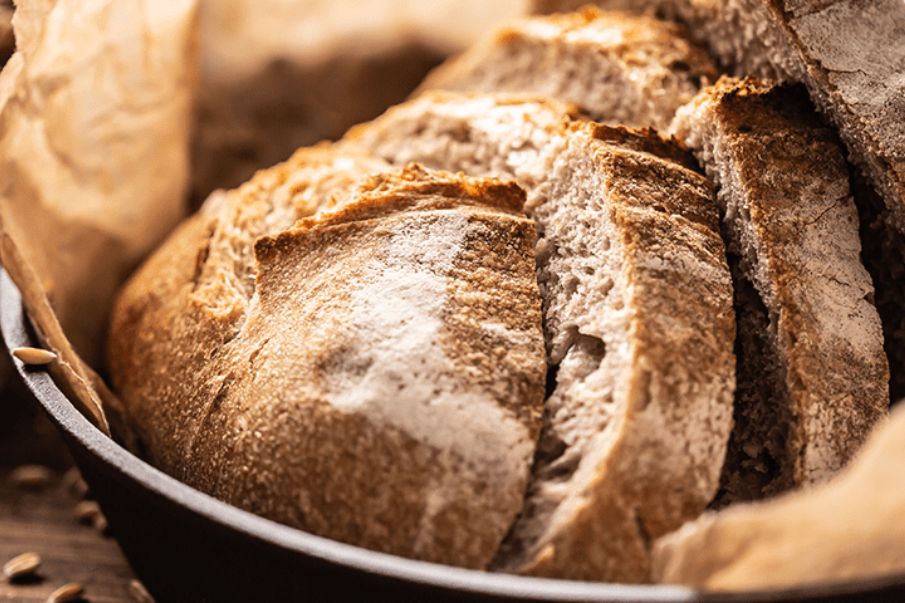
Sourdough bread has made a remarkable resurgence in popularity in recent years, and for good reason. Beyond being a delicious and hearty loaf, sourdough is a fascinating scientific process that takes place right in your kitchen. This ancient bread-making technique involves a unique microbial ecosystem, intricate fermentation, and a flavor profile that’s second to none. In this culinary journey, we’ll delve into the scientific intricacies of sourdough, from its humble beginnings as a starter to the mouthwatering bread that emerges from your oven. The Sourdough Starter: A Microbial Ecosystem At the heart of sourdough lies the starter, a living, breathing ecosystem of microorganisms. Creating a sourdough starter is like fostering a tiny, edible world of wild yeast and lactic acid bacteria. These microorganisms are what give sourdough its unique character. Wild yeast ferments the sugars, while lactic acid bacteria produce lactic acid, ultimately giving sourdough its signature tangy flavor. It’s this dynamic duo that turns a simple mixture of flour and water into a thriving community of microscopic life. Fermentation: The Heart of Sourdough Fermentation is the engine driving the sourdough process. Yeast, one of the star players, consumes the sugars in the dough and converts them into carbon dioxide and alcohol. The gas produced by the yeast is what creates those delightful air pockets in the bread, making it light and airy. Simultaneously, lactic acid bacteria work their magic by producing lactic acid, which contributes to the characteristic sourness of sourdough. This intricate dance of microorganisms is what transforms a mere dough into a masterpiece of flavor and texture. Acidity and pH Levels Maintaining the proper pH level is crucial in sourdough baking. The acidity in sourdough not only impacts the bread’s flavor but also its texture and shelf life. The ideal pH level helps control the activity of microorganisms, leading to a tastier and longer-lasting loaf. So, don’t overlook the science behind the pH – it’s one of the secrets to achieving that perfect balance in your sourdough. The Gluten Connection If you’ve ever heard someone with gluten sensitivity say they can eat sourdough, there’s a reason for that. The long fermentation process of sourdough actually breaks down gluten proteins, making it potentially easier to digest. This also contributes to the unique texture and crumb structure of sourdough bread. So, if you thought sourdough was off-limits due to gluten concerns, think again. The Sourdough Flavor Profile Sourdough’s exceptional flavor comes from a complex profile of aromatic compounds. Acetic acid, among others, plays a significant role in the development of these flavors. By understanding how these compounds work, you can take control of the flavor of your sourdough creations. Whether you prefer a mild tang or a robust sourness, knowing the science behind it will empower you to achieve the flavor you desier. Sourdough Hydration and Texture Hydration levels in sourdough are key to achieving the desired texture. The amount of water you add to your dough impacts the crumb (interior) and the crust (exterior). Higher hydration leads to a more open crumb and a crispy crust, while lower hydration results in a denser, chewier texture. Understanding how to adjust hydration for different textures will help you craft the perfect sourdough loaf every time. Troubleshooting Sourdough Even the most experienced sourdough bakers encounter challenges from time to time. Overproofing, underproofing, and other issues can affect your sourdough results. But fear not; there are solutions. If your starter needs a boost, we’ve got you covered. Our troubleshooting tips will help you maintain a healthy and active sourdough ecosystem. Conclusion Sourdough is not just a bread but a delightful journey into the world of culinary science. It’s a testament to the power of microbes, fermentation, and flavor development. As you embark on your sourdough adventures, remember that embracing the science behind it can help you take your creations to new heights. Experiment, learn, and savor the delicious results of your scientific endeavors in the world of sourdough. Happy baking!

why culinary arts courses are trending in india
Culinary Institute

Why Culinary Arts Courses are Trending in India Nowadays

Today, many people are pursuing their careers in the field of culinary arts. But how to build a career in this? Will a course be more helpful? Yes, surely, the Culinary Arts courses will help in developing the required skills and knowledge to build a career in the field of culinary arts. People have developed an interest in food, and at times they want to make it their profession. People are interested in learning culinary art so that they can either become chefs or start their own cafe or restaurant. Culinary art is seen as one of the best hospitality management programs. Culinary arts courses provide overall learning and a chance to explore this profession. You will learn different elements like food preparation, kitchen management, and cooking techniques. These skills are very necessary to enter this industry with perfection. What is Culinary Art? A Culinary Art courses will make you learn the art of preparation of food, cooking, and its presentation. This is frequently in the form of restaurant meals; however, culinary arts can relate to any job that involves food service. A professional recognizes the value of presenting food in an appealing and appetizing manner. They take their time to ensure that the food not only tastes well but also looks good and smells good. India is globally known for its range of spices, cooking techniques, and recipes. With globalization, the Indian taste is undergoing transformation. People can learn to cook different types of cuisine from any part of the world. Professional culinary courses in Delhi will help in learning both Indian as well as international cuisine. Influences of Globalization Many areas of daily life have been changed by globalization, including the way we consume our food. The global development of fast food restaurants, international cuisine, and fusion meals has had a profound impact on culinary culture. With the help of social media and other digital channels, globalization has also offered chances for the preservation and sharing of traditional culinary practices. Culinary Career Opportunities in India When it comes to understanding the career opportunities in culinary arts, there is a long way to go. A professional culinary institute in India will help you grab opportunities in this industry. There are different Culinary career prospects, which we will discuss now: Catering In the culinary training programs, you will gain knowledge about catering. Catering is one of the largest segments of the food business, and it has grown tremendously in recent years. What makes it one of the top food industry job chances is that it does not demand as much capital as running your own restaurant. Food Designer As a food stylist, one is concerned with the state and typically focuses on visual appeal for both commercial and editorial objectives, consulting with restaurants, grocery shops, and publishers during photoshoots and ensuring that the food appears as good as it tastes. For this you can attend various Culinary workshops and seminars to understand better. Personal Chef A personal chef is a great way to start. Personal or private chefs work one-on-one with regular clients, selecting products and designing dishes based on clients’ unique tastes and dietary needs. You can opt professional chef courses to kickstart your career. Courses and Durations in the Culinary Industry There are many Culinary training programs you can do based on your interest and career goals. The Culinary Courses in Delhi provide you a deeper understanding about culinary and cuisine. In India, there are several Culinary arts specialties. So you may get a sense of the prospects available in the food industry. Are Culinary Arts Courses Affordable or Not? The affordability of culinary art depends on many factors such as time duration , interest and location. The fees structure of the best Culinary Schools in India varies according to the course. Institutes also provide scholarships for students who find it hard to afford it. Shorter courses or workshops are more affordable than long term courses. If you want to know your interest, you can go ahead with short courses. The Influence of Media and Technology Media and technology have played a huge role in the culinary art. The emergence of culinary specialists in the media is only one aspect of the continual expansion of food-related media and recipe-sharing technology. Instagram, Facebook, YouTube, and food blogs are all major parts of culinary culture in general. Cooking Show – There are many cooking shows like Masterchef that people find fascinating. These shows have increased the demand for culinary art. Food bloggers as well as social media platforms have also played an important role in promoting culinary art. YouTube – There are so many videos on YouTube about food. Many people have developed an interest from this video platform. People make food and post it. Many try those recipes and learn cooking. Few decide to go professional by doing it for fun in the beginning. Opportunities in the Culinary Arts You can work in 5 or 7 stars cafe There are many benefits that come when you work with a 5 or 7-star cafe.  You have a chance to be creative as well as work with the most experienced chefs.  You will get a great salary and job stability.   You Are Capable of Working for Yourself Culinary arts has a lot of possibilities if you’re an independent person who loves flexibility. Restaurants are constantly looking for competent cooks and chefs. If you want to work on yourself then you can start your own cafe or a restaurant. It is one of the best way to invest for culinary learning. You will get high return on investment if you start your own cafe or hotel. You work with like minded individuals. A job in the culinary arts allows you to work with people who are creative, driven, and self-sufficient, just like you! Every day in the kitchen, you’ll have the opportunity to get mentoring and collaborate with other dedicated chefs. Understand the fact that this industry is full of highly

cake decoration pro tips
Baking Institute

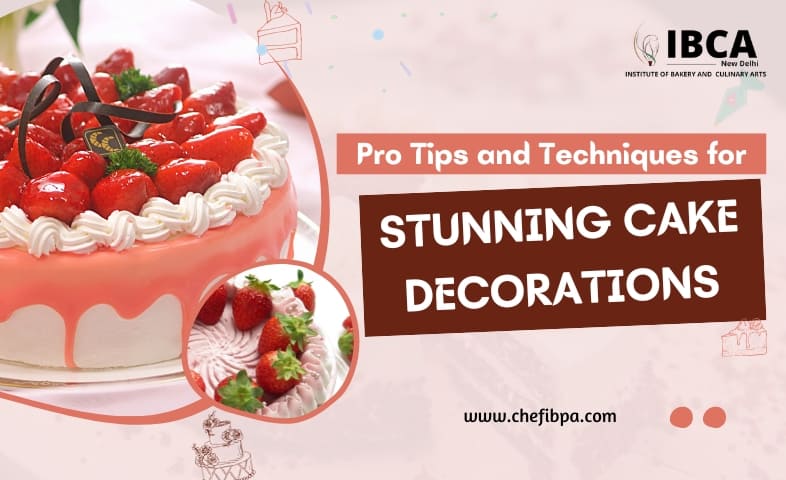
Pro Tips and Techniques for Stunning Cake Decorations

Cake-loving folks, ever thought about what makes a cake more wanted besides its taste? It’s their decoration that makes them more appealing, loving, and desired. The rule of design applies here too. This means you need to look for colour combinations and design quality to make a trendy loved cake. But that’s not all. Designing a cake is nothing like painting a canvas or making a graphic. Instead, it needs soft grips, skilled hands, and focused eyes to design a cake. Cause there’s no going back here. It’s not for everyone but if you’re a baker, you must be skilled in it. Unless your cakes are entertaining their audience beautifully, it’s not possible to stay relevant in today’s bakery industry.  In this article, we’re going to discuss some of the best cake decoration tips. This advice is directly from the IBCA experts who have guided hundreds of today’s star bakers in their baking course in Delhi. Follow these tips and make your first professionally decorated cake. Essential Tools and Supplies for Cake Decorating Here is a list of essential equipment that you must have while decorating your cake. These tools and ingredients are important for offering a delicate, balanced, harmonic, as well as stunning designs. Get them all. Offset Spatulas Piping Bags Cake Turntable  Various Tips  Pastry Brushes  Palette Knives  Fondant Tools  Edible Food Colors  Luster Dusts and Edible Glitters  Petal Dusts  Gum Paste and Fondant  Stencils Cake Lavender Settling Up Your Cake Canvas: Use a cake knife or a cake leveller to your cake once it is cool enough.  Apply a thin layer of frosting on the cake. Then use a spatula to make it even from all sides.  Put the cake into the refrigerator for 30 minutes. Let the frosting get stable. Once the crumb is stable, apply a layer of frosting on the cake. Now you can start your work from top to bottom.  Pay attention to imperfections and correct them.   Create your designs with the help of various tools.  Give the final touch to your cake. Tips from the Professionals: 1. Select Proper Frosting: Choosing the right frosting is one of the most important cake decoration tips. Better to say, that it’s crucial to make a delightful stunning cake decoration. Frosting creates a base taste for the cake & elements on it. So be attentive to what you are putting on your cake. Consider factors such as taste, texture, and stability.  Note:  – Buttercream is versatile.  – Fondant offers a smooth finish – Ganache leaves a rich glossy look.  – Cream Cheese frosting adds a tangy flavour.  Consider your preferences and go with them.  2. Piping Perfection: Techniques & Tips: Piping is a basic skill to conquer if you’re into decorating cakes. These piping tips help you to design different textures, elements, & lettering and allow you to practise different techniques to make your design more appealing. Here are some of the important tips to consider.  – Choose the right piping tips.  – Learn to have consistent pressure.  – Practice piping techniques such as Rosettes, Shells, and Borders. These are some of the basics.  – Learn to keep your hands steady.  – Adjust the piping bag position appropriately.  – Maintain a consistent speed to gain even results.  – Keep practising on Parchment papers for new designs.  – Use the right consistency of frosting.  – Wipe off any excess frosting from tips to maintain the clean lines.  – Vary the pressure and experiment.  3. Seek Inspiration from Current Trends: Like all fashionable stuff, cake decoration tips & ideas also get updated each passing year. Earlier it was difficult to track the trends but in the age of social media, you can study what’s in trends right now.  There are several social media accounts showcasing their talent in baking. Follow them and see what designs they are offering. Take inspiration and create fresh designs to showcase your skills.  Don’t forget to check out cake websites, workshops, exhibitions, and events near your place to get more cake decoration ideas frequently. Use the popular & trendy colour schemes, techniques, and themes in your designs. 4. Making Your Cake Perfect with Final Touches: The final touch is what most armatures miss out on. That’s where your presentation will shine amidst the crowd. The final touch includes edible designs and elements, and giving attention to details. Here are a few final touch cake decoration tips to do so.  – Add decorative elements such as flowers, figures, sugar work, or fondant accents.  – Use texture variations to make them visually appealing.  – Clean & fine the edges. Also, create flawless transitions between colours & layers.  Make sure that your final touch balances the harmony of your design throughout the cake.  Also Read: How to Make Red Velvet Cake: A Step-by-Step Guide 5. Practice & Patience: Like any other art, mastering cake decoration also takes time and dedication. You must focus on what you’re doing and be willing to correct the wrongs. Only the right amount of practice & patience can lead you to excellence. Here are a few tips for all beginners.  – Begin with the very simple cake designs & techniques. Move to the next stage only if your basic designs become proficient. – Practise regularly and refine your skills. – Develop a steady hand. – Embrace mistakes as your teacher. – Acknowledge your smallest achievement & improvements. – Finally, be patient.  Conclusion: Baking is not complete if you have not learned the art of cake decoration. Making tasty cakes is essential but presenting them is a luxury and soothing to the eyes. That makes the cakes a perfect present for any kind of celebration.  In this article, we have shared some of the cake decoration tips directly from the professional from IBCA. Hope you would have liked it. Looking for a baking course in Delhi? Stop right here. Join the IBCA (Institute of Bakery and Culinary Art) baking courses where you will be guided by industry experts only and later will be awarded with internship,

front-view-delicious-food-concept
Culinary Institute

Unveiling the Magic: Food Science and Culinary Techniques for Everyday Cooking

Welcome to a culinary journey where science meets the art of cooking! In this blog, we will explore the fascinating world of food science and culinary techniques, and how understanding these scientific principles can elevate your everyday cooking. By diving into concepts like the Maillard reaction, emulsions, and molecular gastronomy, you’ll gain insights that will not only enhance your culinary skills but also ignite your passion for the science behind the flavors. The Maillard Reaction: Unleashing Flavor Complexity Have you ever wondered why seared meats have that irresistible golden crust or why a perfectly toasted slice of bread is so much more flavorful? The answer lies in the Maillard reaction. This chemical reaction occurs when amino acids and reducing sugars combine at high temperatures, resulting in a complex network of new compounds that bring out incredible flavors, aromas, and appealing brown colors in food. Here are a few practical tips to harness the power of the Maillard reaction: Searing Meats: Achieve that coveted caramelized crust by ensuring your meat is dry and properly preheating your pan or grill before adding it. Roasting Vegetables: Coat your vegetables with a little oil and roast them at a higher temperature to encourage the Maillard reaction, creating a delightful nutty sweetness. Emulsions: The Art of Perfectly Blending Oil and Water Emulsions are a crucial aspect of many culinary preparations, from salad dressings to sauces. These mixtures of immiscible liquids, typically oil, and water, are brought together with the help of emulsifiers to create stable and harmonious blends. Here are some practical applications of emulsions in everyday cooking:  Homemade Mayonnaise: Discover the secrets to creating a creamy, velvety emulsion by slowly whisking oil into egg yolks and mustard while maintaining a steady, controlled stream.  Salad Dressings: Learn how to create luscious vinaigrettes by combining oil, vinegar, and other ingredients using emulsifying techniques like whisking or blending. Molecular Gastronomy: Transforming Food with Science Molecular gastronomy is a cutting-edge culinary discipline that applies scientific principles to transform the textures and presentations of food. While some techniques may seem complex, there are practical ways to incorporate molecular gastronomy into your everyday cooking:  Sous Vide Cooking: Explore the wonders of precision temperature control by using a water bath to cook food slowly and evenly, resulting in tender, succulent dishes.  Spherification: Create delightful edible spheres, encapsulating flavors in thin membranes, by using natural hydrocolloids like agar-agar or sodium alginate. Conclusion: By understanding the principles of food science and culinary techniques, you can unleash your creativity in the kitchen and elevate your everyday cooking to new heights. From the Maillard reaction adding depth of flavor to your dishes to mastering emulsions for perfectly balanced sauces, and even experimenting with molecular gastronomy techniques, the possibilities are endless. So, embrace the science behind the flavors and embark on this culinary adventure, where you’ll not only savor the delicious results but also appreciate the intricate science that makes it all possible. Happy cooking! Remember, the most important aspect of cooking is to enjoy the process and have fun experimenting with new techniques and flavors. Bon appétit!

Bakery Institute

Creative Cupcakes: Unique Flavors and Designs to Wow Your Customers

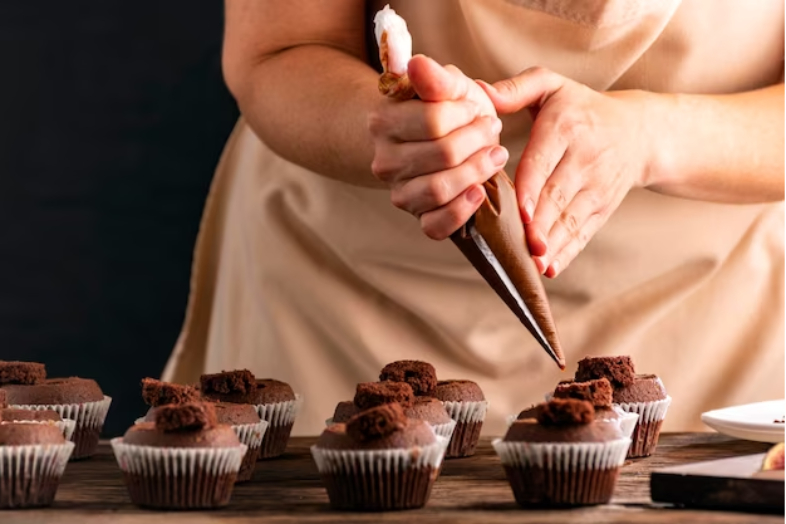
Cupcakes have become a staple in the world of desserts, and for good reason. Their individual portions, endless flavor options, and beautiful designs make them a favorite treat for people of all ages. If you’re a bakery owner or a baking enthusiast looking to create a buzz around your cupcakes, it’s time to explore the realm of creative cupcakes. In this blog, we will dive into the world of unique flavors and designs that are sure to impress and wow your customers. Pushing the Boundaries of Flavor: When it comes to cupcakes, the sky’s the limit when experimenting with flavors. Step outside the traditional vanilla and chocolate and offer your customers something extraordinary. Here are some unique flavor combinations to consider: Salted Caramel Pretzel: A balance of sweet and salty, this cupcake combines rich caramel flavors with a hint of sea salt, topped with crushed pretzels for added crunch. Matcha Green Tea: Harness the vibrant green color and earthy flavors of matcha tea to create a cupcake that’s both visually stunning and delightfully aromatic. Lavender Lemon: Infuse the delicate scent of lavender with zesty lemon to create a cupcake that’s refreshing and indulgent at the same time. Maple Bacon: Combine the smoky, savory taste of bacon with the sweetness of maple syrup for a truly unique cupcake experience. Elevating the Art of Cupcake Decoration: The appearance of a cupcake is just as important as its taste. To truly wow your customers, consider creating visually stunning designs that are as artistic as they are delicious. Here are a few ideas to get you started: Floral Delights: Decorate your cupcakes with edible flowers like pansies, violets, or rose petals. Not only do they add a touch of elegance, but they also offer a subtle floral flavor. Geometric Marvels: Experiment with geometric patterns using vibrant colored icings and fondants. This modern approach to cupcake design is sure to capture attention. Drip Cakes: Take inspiration from the popular drip cake trend and apply it to cupcakes. Create beautiful drips of chocolate, caramel, or fruit sauces that cascade down the sides of your cupcakes. Character Creations: Let your imagination run wild and design cupcakes inspired by popular characters, animals, or objects. These whimsical creations will be a hit with kids and adults alike. Dietary Considerations: In today’s diverse society, catering to different dietary needs is crucial. Expand your customer base by offering creative cupcakes that accommodate various dietary requirements. Consider these options: Vegan Delights: Develop vegan cupcake recipes using plant-based ingredients like coconut milk, flaxseed meal, or applesauce. These cupcakes can be just as delicious and indulgent as their traditional counterparts. Gluten-Free Goodness: Craft cupcakes using alternative flours like almond flour or coconut flour to cater to customers with gluten sensitivities or dietary restrictions. Keto-Friendly Options: With the rising popularity of the ketogenic diet, offering low-carb, high-fat cupcakes can attract health-conscious customers. Utilize ingredients like almond flour and sugar substitutes to create guilt-free treats. Conclusion: By exploring unique flavors and designs, you can elevate your cupcake creations to new heights. The world of cupcakes is constantly evolving, and customers are always on the lookout for something different and exciting. Embrace your creativity, experiment with flavors, and push the boundaries of cupcake artistry. With a little innovation and a lot of passion, you can wow your customers and leave a lasting impression that keeps them coming back for more. So, grab your mixing bowls, put on your apron, and let your creative cupcakes take center stage!

Bakery Institute

Mastering the Perfect Pie Crust: Tips and Tricks from the Experts

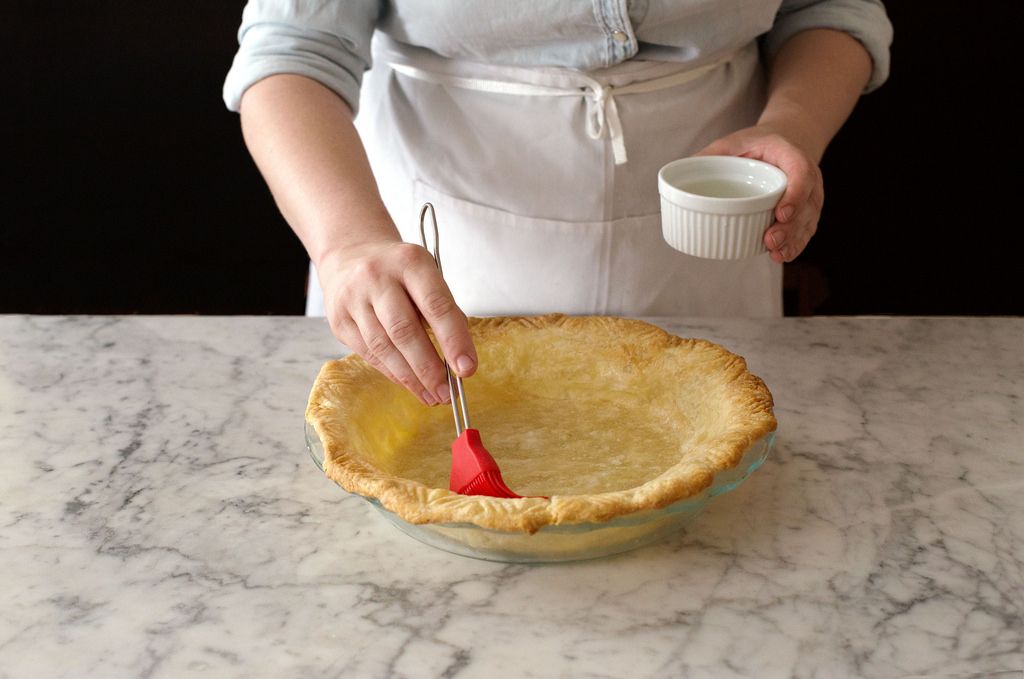
There’s something truly magical about the aroma of a freshly baked pie wafting through the air. Whether it’s a classic apple pie, a tangy lemon meringue, or a savory chicken pot pie, the secret to a delectable pie lies in its crust. Crafting a perfect pie crust can be a challenge, but fear not! We’ve gathered the top tips and tricks from baking experts to help you master the art of creating a flaky, buttery, and delicious crust. 1. Choose the Right Fat: The type of fat you use greatly influences the texture and flavor of your crust. Many experts recommend using a combination of butter and shortening. Butter adds a rich flavor, while shortening contributes to a tender and flaky crust. Experiment with different ratios to find the perfect balance. 2. Keep it Cold: Cold ingredients are crucial to achieving a flaky texture. Chill your fats, water, and even the mixing bowl before starting. This prevents the fat from melting too quickly, resulting in a tougher crust. 3. Don’t Overwork the Dough: When mixing the dough, handle it as little as possible. Overworking can develop gluten, making the crust tough. Mix until the ingredients just come together, then refrigerate the dough to let it rest and hydrate. 4. Experiment with Flours: Traditional all-purpose flour is commonly used for pie crusts, but don’t be afraid to explore different flours. Whole wheat, almond, or even a mix of flours can add unique flavors and textures to your crust. 5. Blind Bake for Crispness: For custard or cream pies, blind baking the crust ensures a crispy, golden shell. Pre-bake the crust for a few minutes before adding the filling to prevent a soggy bottom. 6. Use an Egg Wash: Brushing the crust with an egg wash before baking gives it a glossy, golden finish. It adds an extra touch of visual appeal to your pies. Remember, practice makes perfect. Don’t get discouraged if your first attempts aren’t flawless. With time and experience, you’ll develop your own techniques and discover what works best for you. So, roll up your sleeves, gather your ingredients, and embark on a delicious journey of pie-making perfection. Your friends and family will be begging for seconds! Mastering the perfect pie crust requires patience, precision, and a dash of creativity. Incorporate these expert tips and tricks into your baking routine, and soon you’ll be known for your exceptional pies that steal the show at any gathering. Enjoy the process, have fun experimenting with flavors, and savor the sweet rewards of your baking prowess.

Young happy cook preparing bruschetta with avocado sauce and cherry tomato in the kitchen.
blogs

Cooking for Special Diets: Delicious Meals for Food Allergies and Dietary Restrictions

In today’s culinary landscape, it’s crucial for chefs and home cooks alike to cater to individuals with food allergies or dietary restrictions. As professionals in the culinary arts, we must ensure that everyone can enjoy delicious meals without compromising their health. At IBCA, India’s top culinary art and baking institute based in Delhi, we understand the importance of cooking for special diets. In this blog, we will delve into the art of creating tantalizing dishes that meet the unique needs of those with food allergies or dietary restrictions. Understanding Food Allergies and Dietary Restrictions: Food allergies and dietary restrictions vary from person to person. It’s crucial to communicate openly with individuals and understand their specific needs. Common allergens include dairy, eggs, nuts, gluten, and shellfish. Additionally, dietary restrictions may arise due to health conditions such as diabetes, celiac disease, or lactose intolerance. By understanding the restrictions, we can create safe and appetizing meals. Recipe Modification and Substitution: One of the most important skills in cooking for special diets is recipe modification. By substituting allergenic ingredients or adjusting the recipe, we can create delectable dishes suitable for everyone. For example, dairy milk can be replaced with almond or soy milk, while gluten-free flour blends can be used in place of regular wheat flour. By exploring alternative ingredients and experimenting with flavors, we can unlock a world of culinary possibilities. Embracing Fresh and Natural Ingredients: To create tasty meals for special diets, it’s essential to focus on fresh and natural ingredients. Incorporate a wide variety of fruits, vegetables, herbs, and spices to enhance flavors and provide vital nutrients. For example, instead of relying on processed ingredients, choose homemade sauces and dressings using fresh herbs and citrus juices. Not only will this improve the overall taste, but it will also be healthier for all. Creative Menu Planning: Cooking for special diets requires thoughtful menu planning. Ensure there are diverse options available for those with specific dietary needs. Incorporate a range of proteins, vegetables, and grains to accommodate different dietary preferences. Engage with the individuals to understand their favorite flavors and cuisines, and use that information to design personalized menus that cater to their needs. Educating and Sharing Knowledge: At IBCA, we believe in the power of education and sharing knowledge. As culinary professionals, it’s our responsibility to stay updated with the latest research and techniques related to special diets. Attend workshops, conferences, and online courses to expand your understanding. Moreover, share your knowledge through cooking classes, blog posts, or social media platforms to empower others in creating delicious meals for those with food allergies or dietary restrictions. Conclusion: Cooking for special diets is a rewarding journey that allows us to create flavorful meals while accommodating individual needs. By understanding food allergies and dietary restrictions, modifying recipes, embracing fresh ingredients, and engaging in creative menu planning, we can prepare delightful dishes that cater to everyone. At IBCA, we take pride in equipping our culinary students with the skills necessary to cook for special diets, ensuring a wholesome and inclusive culinary experience for all.

choosing-the-best-sweetener-for-your-health-and-baking-needs
blogs, Uncategorized

A Guide to Sugar Alternatives: Choosing the Best Sweetener for Your Health and Baking Needs

Who doesn’t love a delicious baked treat? From cookies to cakes, sweet treats are a staple in many people’s diets. However, traditional sugar is not the healthiest ingredient to use in your baked goods. It can lead to weight gain, tooth decay, and other health issues. Luckily, there are natural sweeteners available that can be used as a healthier alternative. In this blog, we’ll explore the world of baking with natural sweeteners and provide some delicious recipes for you to try. What are Natural Sweeteners? Natural sweeteners are alternatives to traditional sugar that are derived from plants. They are often less refined and processed than traditional sugar and can provide a variety of health benefits. Benefits of Natural Sweeteners Natural sweeteners are often lower in calories than traditional sugar. They can help to regulate blood sugar levels. They can be a good source of vitamins and minerals. Types of Natural Sweeteners There are many different types of natural sweeteners available. Some of the most popular ones include: Honey: Honey is a natural sweetener that is rich in antioxidants and has antibacterial properties. It is a great sweetener for baked goods like muffins and bread. Maple Syrup: Maple syrup is another natural sweetener that is rich in antioxidants. It has a delicious, earthy flavor and is perfect for pancakes and waffles. Stevia: Stevia is a natural sweetener that is derived from the leaves of the stevia plant. It is much sweeter than traditional sugar, so a little goes a long way. It is perfect for sweetening drinks and smoothies. Coconut Sugar: Coconut sugar is a natural sweetener that is derived from the sap of the coconut palm. It has a delicious, caramel-like flavor and is perfect for baking. Tips for Baking with Natural Sweeteners Baking with natural sweeteners can be a little bit different than baking with traditional sugar. Here are some tips to keep in mind: Natural sweeteners are often less sweet than traditional sugar, so you may need to use more of them to achieve the desired level of sweetness. They can also be more expensive than traditional sugar, so be prepared to pay a little bit more for your ingredients. Natural sweeteners can also affect the texture of your baked goods, so be prepared to experiment a little bit to find the right balance. Delicious Recipes Now that you know a little bit more about baking with natural sweeteners, it’s time to put your knowledge into practice. Here are some delicious recipes to get you started: Chocolate Chip Cookies with Maple Syrup: These chocolate chip cookies are sweetened with maple syrup and are a delicious alternative to traditional cookies. Blueberry Muffins with Honey: These blueberry muffins are sweetened with honey and are perfect for breakfast or a mid-morning snack. Pumpkin Bread with Coconut Sugar: This pumpkin bread is sweetened with coconut sugar and has a delicious, caramel-like flavor. Strawberry Smoothie with Stevia: This strawberry smoothie is sweetened with stevia and is a delicious and healthy way to start your day. In conclusion, baking with natural sweeteners is a great way to create healthier treats without sacrificing flavor. With a little bit of experimentation, you can create delicious baked goods that are both tasty and nutritious. So why not give it a try and see what you can come up with? Your taste buds (and your body) will thank you!

Uncategorized

Mastering the Art of French Pastry: Tips and Tricks

French pastry is widely regarded as some of the finest and most delicate in the world, and it’s no wonder why. The attention to detail, the precision, and the passion that goes into every pastry are just a few of the reasons why French pastry is so beloved. But for many, mastering the art of French pastry can seem like an impossible task. Fear not, with the following tips and tricks, you’ll be creating beautiful French pastries in no time! Start with the Basics The first step in mastering the art of French pastry is to start with the basics. Learn how to make classic French pastry doughs such as pâte à choux, pâte brisée, and pâte sucrée. These doughs are the foundation of many French pastries and learning them will give you a solid understanding of the techniques used in French pastry. Use Quality Ingredients French pastry is all about quality, so it’s important to use the best ingredients possible. Use fresh, high-quality butter, flour, eggs, and sugar. The better the ingredients, the better the pastry will be. Precision is Key French pastry is all about precision, so make sure you measure everything precisely. Use a scale to weigh your ingredients, and use a thermometer to make sure your oven is at the correct temperature. Practice Makes Perfect French pastry is not something you can master overnight. It takes time, practice, and patience. Don’t be discouraged if your first attempt doesn’t turn out perfectly. Keep practicing, and soon you’ll be creating beautiful pastries that will impress your friends and family. Mastering the Techniques French pastry is all about technique. Learn the techniques used in French pastry such as folding, creaming, and whipping. Mastering these techniques will help you create the delicate, light, and airy pastries that French pastry is known for. Get Creative While classic French pastries are delicious, don’t be afraid to get creative. Experiment with different flavors, textures, and presentations. French pastry is a great canvas for creativity. Seek Inspiration Follow pastry chefs on social media and read pastry cookbooks to get inspiration for new flavors, techniques, and presentations. In conclusion, mastering the art of French pastry takes time, practice, and patience. But with these tips and tricks, you’ll be well on your way to creating beautiful and delicious French pastries that will impress anyone who tries them. So, roll up your sleeves, get your apron on, and start baking!    

Scroll to Top
Call Now Button