


Author name: Seo_executive

Bakery Institute

Creative Cupcakes: Unique Flavors and Designs to Wow Your Customers

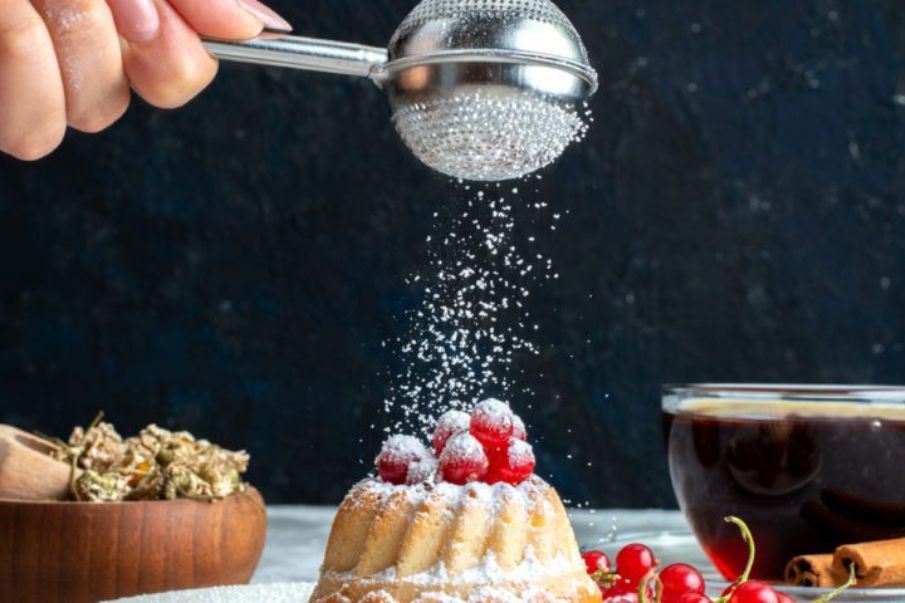
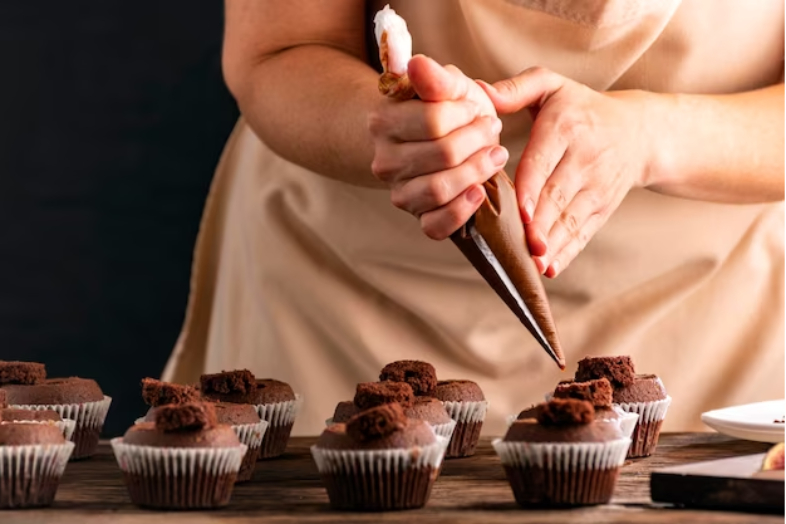
Cupcakes have become a staple in the world of desserts, and for good reason. Their individual portions, endless flavor options, and beautiful designs make them a favorite treat for people of all ages. If you’re a bakery owner or a baking enthusiast looking to create a buzz around your cupcakes, it’s time to explore the realm of creative cupcakes. In this blog, we will dive into the world of unique flavors and designs that are sure to impress and wow your customers. Pushing the Boundaries of Flavor: When it comes to cupcakes, the sky’s the limit when experimenting with flavors. Step outside the traditional vanilla and chocolate and offer your customers something extraordinary. Here are some unique flavor combinations to consider: Salted Caramel Pretzel: A balance of sweet and salty, this cupcake combines rich caramel flavors with a hint of sea salt, topped with crushed pretzels for added crunch. Matcha Green Tea: Harness the vibrant green color and earthy flavors of matcha tea to create a cupcake that’s both visually stunning and delightfully aromatic. Lavender Lemon: Infuse the delicate scent of lavender with zesty lemon to create a cupcake that’s refreshing and indulgent at the same time. Maple Bacon: Combine the smoky, savory taste of bacon with the sweetness of maple syrup for a truly unique cupcake experience. Elevating the Art of Cupcake Decoration: The appearance of a cupcake is just as important as its taste. To truly wow your customers, consider creating visually stunning designs that are as artistic as they are delicious. Here are a few ideas to get you started: Floral Delights: Decorate your cupcakes with edible flowers like pansies, violets, or rose petals. Not only do they add a touch of elegance, but they also offer a subtle floral flavor. Geometric Marvels: Experiment with geometric patterns using vibrant colored icings and fondants. This modern approach to cupcake design is sure to capture attention. Drip Cakes: Take inspiration from the popular drip cake trend and apply it to cupcakes. Create beautiful drips of chocolate, caramel, or fruit sauces that cascade down the sides of your cupcakes. Character Creations: Let your imagination run wild and design cupcakes inspired by popular characters, animals, or objects. These whimsical creations will be a hit with kids and adults alike. Dietary Considerations: In today’s diverse society, catering to different dietary needs is crucial. Expand your customer base by offering creative cupcakes that accommodate various dietary requirements. Consider these options: Vegan Delights: Develop vegan cupcake recipes using plant-based ingredients like coconut milk, flaxseed meal, or applesauce. These cupcakes can be just as delicious and indulgent as their traditional counterparts. Gluten-Free Goodness: Craft cupcakes using alternative flours like almond flour or coconut flour to cater to customers with gluten sensitivities or dietary restrictions. Keto-Friendly Options: With the rising popularity of the ketogenic diet, offering low-carb, high-fat cupcakes can attract health-conscious customers. Utilize ingredients like almond flour and sugar substitutes to create guilt-free treats. Conclusion: By exploring unique flavors and designs, you can elevate your cupcake creations to new heights. The world of cupcakes is constantly evolving, and customers are always on the lookout for something different and exciting. Embrace your creativity, experiment with flavors, and push the boundaries of cupcake artistry. With a little innovation and a lot of passion, you can wow your customers and leave a lasting impression that keeps them coming back for more. So, grab your mixing bowls, put on your apron, and let your creative cupcakes take center stage!

Bakery Institute

Mastering the Perfect Pie Crust: Tips and Tricks from the Experts

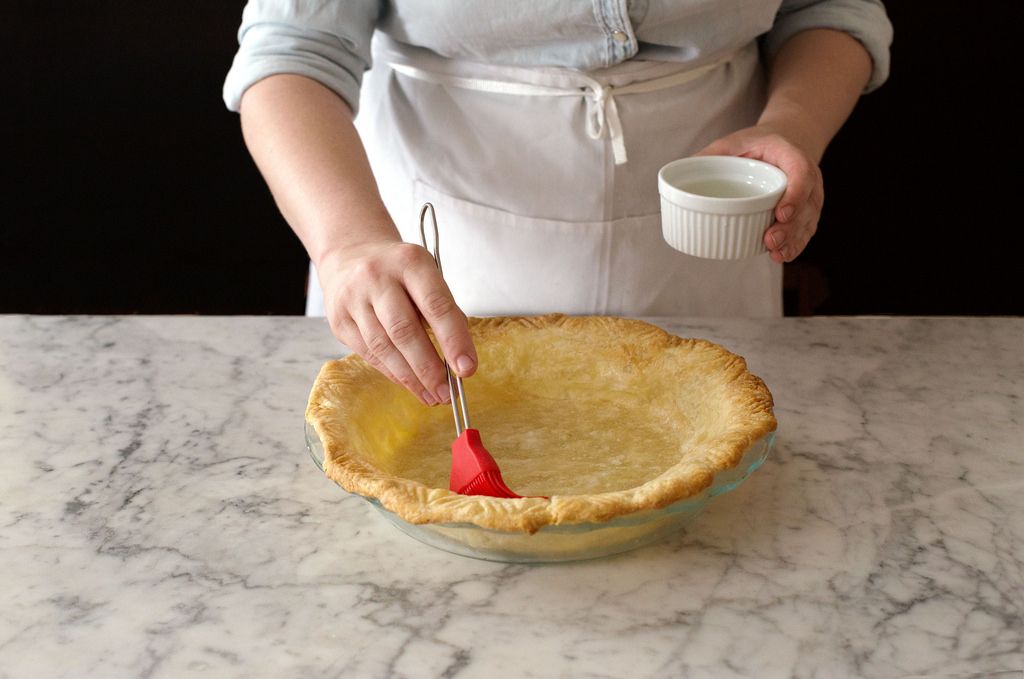
There’s something truly magical about the aroma of a freshly baked pie wafting through the air. Whether it’s a classic apple pie, a tangy lemon meringue, or a savory chicken pot pie, the secret to a delectable pie lies in its crust. Crafting a perfect pie crust can be a challenge, but fear not! We’ve gathered the top tips and tricks from baking experts to help you master the art of creating a flaky, buttery, and delicious crust. 1. Choose the Right Fat: The type of fat you use greatly influences the texture and flavor of your crust. Many experts recommend using a combination of butter and shortening. Butter adds a rich flavor, while shortening contributes to a tender and flaky crust. Experiment with different ratios to find the perfect balance. 2. Keep it Cold: Cold ingredients are crucial to achieving a flaky texture. Chill your fats, water, and even the mixing bowl before starting. This prevents the fat from melting too quickly, resulting in a tougher crust. 3. Don’t Overwork the Dough: When mixing the dough, handle it as little as possible. Overworking can develop gluten, making the crust tough. Mix until the ingredients just come together, then refrigerate the dough to let it rest and hydrate. 4. Experiment with Flours: Traditional all-purpose flour is commonly used for pie crusts, but don’t be afraid to explore different flours. Whole wheat, almond, or even a mix of flours can add unique flavors and textures to your crust. 5. Blind Bake for Crispness: For custard or cream pies, blind baking the crust ensures a crispy, golden shell. Pre-bake the crust for a few minutes before adding the filling to prevent a soggy bottom. 6. Use an Egg Wash: Brushing the crust with an egg wash before baking gives it a glossy, golden finish. It adds an extra touch of visual appeal to your pies. Remember, practice makes perfect. Don’t get discouraged if your first attempts aren’t flawless. With time and experience, you’ll develop your own techniques and discover what works best for you. So, roll up your sleeves, gather your ingredients, and embark on a delicious journey of pie-making perfection. Your friends and family will be begging for seconds! Mastering the perfect pie crust requires patience, precision, and a dash of creativity. Incorporate these expert tips and tricks into your baking routine, and soon you’ll be known for your exceptional pies that steal the show at any gathering. Enjoy the process, have fun experimenting with flavors, and savor the sweet rewards of your baking prowess.

Young happy cook preparing bruschetta with avocado sauce and cherry tomato in the kitchen.
blogs

Cooking for Special Diets: Delicious Meals for Food Allergies and Dietary Restrictions

In today’s culinary landscape, it’s crucial for chefs and home cooks alike to cater to individuals with food allergies or dietary restrictions. As professionals in the culinary arts, we must ensure that everyone can enjoy delicious meals without compromising their health. At IBCA, India’s top culinary art and baking institute based in Delhi, we understand the importance of cooking for special diets. In this blog, we will delve into the art of creating tantalizing dishes that meet the unique needs of those with food allergies or dietary restrictions. Understanding Food Allergies and Dietary Restrictions: Food allergies and dietary restrictions vary from person to person. It’s crucial to communicate openly with individuals and understand their specific needs. Common allergens include dairy, eggs, nuts, gluten, and shellfish. Additionally, dietary restrictions may arise due to health conditions such as diabetes, celiac disease, or lactose intolerance. By understanding the restrictions, we can create safe and appetizing meals. Recipe Modification and Substitution: One of the most important skills in cooking for special diets is recipe modification. By substituting allergenic ingredients or adjusting the recipe, we can create delectable dishes suitable for everyone. For example, dairy milk can be replaced with almond or soy milk, while gluten-free flour blends can be used in place of regular wheat flour. By exploring alternative ingredients and experimenting with flavors, we can unlock a world of culinary possibilities. Embracing Fresh and Natural Ingredients: To create tasty meals for special diets, it’s essential to focus on fresh and natural ingredients. Incorporate a wide variety of fruits, vegetables, herbs, and spices to enhance flavors and provide vital nutrients. For example, instead of relying on processed ingredients, choose homemade sauces and dressings using fresh herbs and citrus juices. Not only will this improve the overall taste, but it will also be healthier for all. Creative Menu Planning: Cooking for special diets requires thoughtful menu planning. Ensure there are diverse options available for those with specific dietary needs. Incorporate a range of proteins, vegetables, and grains to accommodate different dietary preferences. Engage with the individuals to understand their favorite flavors and cuisines, and use that information to design personalized menus that cater to their needs. Educating and Sharing Knowledge: At IBCA, we believe in the power of education and sharing knowledge. As culinary professionals, it’s our responsibility to stay updated with the latest research and techniques related to special diets. Attend workshops, conferences, and online courses to expand your understanding. Moreover, share your knowledge through cooking classes, blog posts, or social media platforms to empower others in creating delicious meals for those with food allergies or dietary restrictions. Conclusion: Cooking for special diets is a rewarding journey that allows us to create flavorful meals while accommodating individual needs. By understanding food allergies and dietary restrictions, modifying recipes, embracing fresh ingredients, and engaging in creative menu planning, we can prepare delightful dishes that cater to everyone. At IBCA, we take pride in equipping our culinary students with the skills necessary to cook for special diets, ensuring a wholesome and inclusive culinary experience for all.

choosing-the-best-sweetener-for-your-health-and-baking-needs
blogs, Uncategorized

A Guide to Sugar Alternatives: Choosing the Best Sweetener for Your Health and Baking Needs

Who doesn’t love a delicious baked treat? From cookies to cakes, sweet treats are a staple in many people’s diets. However, traditional sugar is not the healthiest ingredient to use in your baked goods. It can lead to weight gain, tooth decay, and other health issues. Luckily, there are natural sweeteners available that can be used as a healthier alternative. In this blog, we’ll explore the world of baking with natural sweeteners and provide some delicious recipes for you to try. What are Natural Sweeteners? Natural sweeteners are alternatives to traditional sugar that are derived from plants. They are often less refined and processed than traditional sugar and can provide a variety of health benefits. Benefits of Natural Sweeteners Natural sweeteners are often lower in calories than traditional sugar. They can help to regulate blood sugar levels. They can be a good source of vitamins and minerals. Types of Natural Sweeteners There are many different types of natural sweeteners available. Some of the most popular ones include: Honey: Honey is a natural sweetener that is rich in antioxidants and has antibacterial properties. It is a great sweetener for baked goods like muffins and bread. Maple Syrup: Maple syrup is another natural sweetener that is rich in antioxidants. It has a delicious, earthy flavor and is perfect for pancakes and waffles. Stevia: Stevia is a natural sweetener that is derived from the leaves of the stevia plant. It is much sweeter than traditional sugar, so a little goes a long way. It is perfect for sweetening drinks and smoothies. Coconut Sugar: Coconut sugar is a natural sweetener that is derived from the sap of the coconut palm. It has a delicious, caramel-like flavor and is perfect for baking. Tips for Baking with Natural Sweeteners Baking with natural sweeteners can be a little bit different than baking with traditional sugar. Here are some tips to keep in mind: Natural sweeteners are often less sweet than traditional sugar, so you may need to use more of them to achieve the desired level of sweetness. They can also be more expensive than traditional sugar, so be prepared to pay a little bit more for your ingredients. Natural sweeteners can also affect the texture of your baked goods, so be prepared to experiment a little bit to find the right balance. Delicious Recipes Now that you know a little bit more about baking with natural sweeteners, it’s time to put your knowledge into practice. Here are some delicious recipes to get you started: Chocolate Chip Cookies with Maple Syrup: These chocolate chip cookies are sweetened with maple syrup and are a delicious alternative to traditional cookies. Blueberry Muffins with Honey: These blueberry muffins are sweetened with honey and are perfect for breakfast or a mid-morning snack. Pumpkin Bread with Coconut Sugar: This pumpkin bread is sweetened with coconut sugar and has a delicious, caramel-like flavor. Strawberry Smoothie with Stevia: This strawberry smoothie is sweetened with stevia and is a delicious and healthy way to start your day. In conclusion, baking with natural sweeteners is a great way to create healthier treats without sacrificing flavor. With a little bit of experimentation, you can create delicious baked goods that are both tasty and nutritious. So why not give it a try and see what you can come up with? Your taste buds (and your body) will thank you!

Uncategorized

Mastering the Art of French Pastry: Tips and Tricks

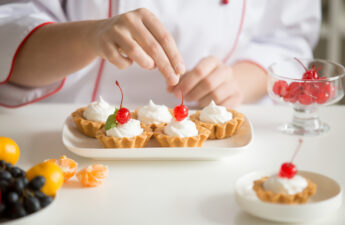
French pastry is widely regarded as some of the finest and most delicate in the world, and it’s no wonder why. The attention to detail, the precision, and the passion that goes into every pastry are just a few of the reasons why French pastry is so beloved. But for many, mastering the art of French pastry can seem like an impossible task. Fear not, with the following tips and tricks, you’ll be creating beautiful French pastries in no time! Start with the Basics The first step in mastering the art of French pastry is to start with the basics. Learn how to make classic French pastry doughs such as pâte à choux, pâte brisée, and pâte sucrée. These doughs are the foundation of many French pastries and learning them will give you a solid understanding of the techniques used in French pastry. Use Quality Ingredients French pastry is all about quality, so it’s important to use the best ingredients possible. Use fresh, high-quality butter, flour, eggs, and sugar. The better the ingredients, the better the pastry will be. Precision is Key French pastry is all about precision, so make sure you measure everything precisely. Use a scale to weigh your ingredients, and use a thermometer to make sure your oven is at the correct temperature. Practice Makes Perfect French pastry is not something you can master overnight. It takes time, practice, and patience. Don’t be discouraged if your first attempt doesn’t turn out perfectly. Keep practicing, and soon you’ll be creating beautiful pastries that will impress your friends and family. Mastering the Techniques French pastry is all about technique. Learn the techniques used in French pastry such as folding, creaming, and whipping. Mastering these techniques will help you create the delicate, light, and airy pastries that French pastry is known for. Get Creative While classic French pastries are delicious, don’t be afraid to get creative. Experiment with different flavors, textures, and presentations. French pastry is a great canvas for creativity. Seek Inspiration Follow pastry chefs on social media and read pastry cookbooks to get inspiration for new flavors, techniques, and presentations. In conclusion, mastering the art of French pastry takes time, practice, and patience. But with these tips and tricks, you’ll be well on your way to creating beautiful and delicious French pastries that will impress anyone who tries them. So, roll up your sleeves, get your apron on, and start baking!    

Uncategorized

7 Top Cutting Techniques Every Chef Must Know!

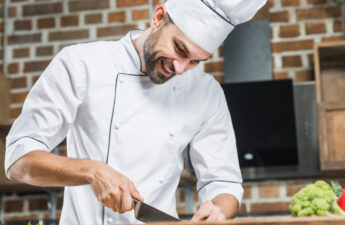
Mastering essential cutting techniques for chefs: from cross chop to batonnet. Everything you need to know! Becoming skilled in using a chef’s knife is an essential art that every chef must master to stand out from the rest and work towards becoming a head chef. Knowing recipes, cooking techniques, and appropriate attire for the job is essential for a chef, but learning and mastering different cutting techniques is equally important. From the Julienne to the Batonnet, chefs are under constant pressure to learn the cuts, chops, slices, and dice. Here are some crucial cutting techniques that every chef should know to excel at their job and improve their skills. 1. Cross Chop : One of the cutting techniques that chefs should learn is the Cross Chop. This technique is ideal for quickly chopping small vegetables or herbs without worrying about presentation. To execute the Cross Chop, hold the knife’s handle with one hand and place the other hand on top of the blade to guide and control the chopping pace. Then, lift the handle of the blade and chop while keeping the tip of the blade down. As your hands are out of the way, they will be safe. 2. Rock Chop :  Another useful technique is the Rock Chop, which is similar to the Cross Chop. Hold the handle of the blade, keep the tip of the knife down on the board, and use your other hand to move the ingredient. As you chop, keep the blade still and push the vegetable-forward. Remember to curl your fingers to keep them safe from the blade. 3. Julienne Cut : The Julienne Cut is a fine cut where the thickness of each slice is between 1-2 mm. It involves cutting the vegetables into thin rectangular shapes, followed by using the fine slice technique to create thin matchstick shapes. This technique is commonly used for carrots, celery, and Julienne Fries from potatoes. Mastering the Julienne Cut is essential as it is the initial step for other types of cuts. 4. Brunoise Dice : Chefs can use the Brunoise Dice technique to dice the ingredients into small cubes. The cube size should be 2mm x 2mm x 2mm, making it the smallest dicing cut, popularly used for soups. 5. The Small Dice : The Small Dice technique is a slightly larger cut than the Brunoise Dice, with dimensions of 3mm x 3mm x 3mm. Chefs can begin this technique by Julienne Cutting the ingredients and then dicing them into slightly bigger cubes than the Brunoise. 6. The Batonnet : The Batonnet technique is used to cut baton-shaped vegetables like chips, with dimensions of 6mm x 6mm x 6mm. The Baton technique, on the other hand, is used to create large dice with dimensions of 12mm x 12mm x 6cm. Although not regularly used, the Baton technique is still a useful technique to master. 7. Pont-Neuf :  Lastly, the Pont-Neuf technique is only related to cutting potatoes. After peeling and washing the potatoes, cut them into 2cm x 7cm shapes to create chunky chips. Every chef must learn and master these cutting techniques to become an expert in their field. With regular practice, even new chefs can become professional chefs. Do you have a passion for culinary? Learn culinary art at its finest only at IBCA, India’s Most Premium Culinary Art Institute. Start your career as a professional chef today! Admission is open for July 2024 Batch, Apply Now!!

Uncategorized

Top 8 Tips For Writing A Chef Resume

Are you a chef looking to land your dream job? Your resume is the first step in the hiring process, and it needs to be a standout document to get you noticed. Here are some tips to help you create a chef resume that will impress potential employers: 1. Start with a strong header: The header of your resume should include your name, address, phone number, and email address. Make sure it’s clear and easy to read. 2. Highlight your experience: The experience section of your resume should showcase your culinary expertise. List your previous jobs in reverse chronological order and include details about your responsibilities and achievements. 3. Showcase your skills: In addition to your experience, highlight your culinary skills. Include any relevant certifications, such as ServSafe, and list any specializations, such as pastry or sushi. 4. Use keywords: Many companies use Applicant Tracking Systems (ATS) to screen resumes. Use keywords from the job description to make sure your resume gets past these filters. 5. Keep it concise: Your resume should be no longer than two pages. Use bullet points to keep it easy to read and avoid long paragraphs. 6. Include a professional summary: A professional summary is a brief statement at the top of your resume that summarizes your experience and skills. It’s a great way to catch the employer’s attention and make a good first impression. 7. Tailor your resume to the job: Customize your resume to the specific job you’re applying for. Highlight the skills and experience that are most relevant to the position. 8. Bonus tip! Sending your resume in a word processing format, such as Microsoft Word or Google Documents, is not recommended. The manager’s application or device could alter the format of your resume, giving the impression that you’re disorganized and unprofessional. Share your résumé as a PDF instead. Regardless of the hardware or PDF reader the manager uses, this is a static format that will display precisely the same on any device. Make It Count: Your Resume Is Your First Contact! It takes some practice to become proficient at writing a cook or chef resume. But if doing so would help you land your dream career, it will be well worth the effort! In conclusion, your chef resume should be a reflection of your culinary expertise and showcase your skills and experience. Use these tips to create a standout resume that will impress potential employers and help you land your dream job.

Uncategorized

Authentic Recipes Around The World in 2026

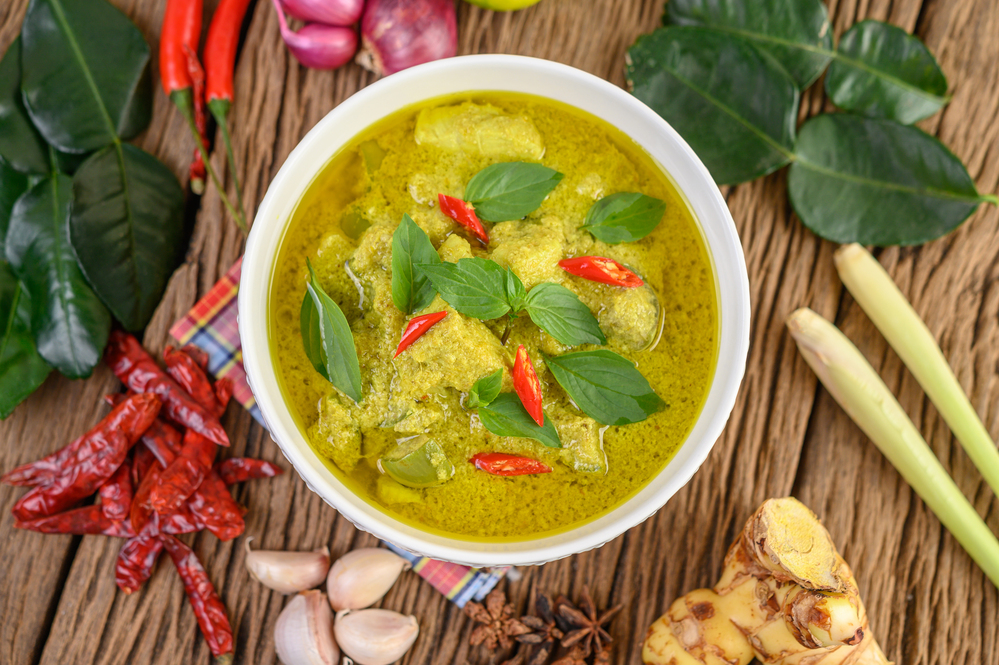
What makes a meal truly marvelous? Is it the presentation? While the ingredients surely play a part, most would agree that the technique used in the cooking and the chef’s patience are the deciding factors in a delicious meal. The flavors only come out once the food is cooked right. Therefore, we are providing recipes from various countries and regions and instructing how to make them authentically. Here is a list of recipes and advice for preparing them traditionally: Thai Green Curry To make an authentic Thai Green Curry, use fresh herbs and spices such as lemongrass, galangal, and kaffir lime leaves. You can also add vegetables like bamboo shoots, eggplant, and bell peppers, along with protein such as chicken, beef, or tofu. Serve it with jasmine rice and garnish with fresh basil leaves.   Mexican Tacos To make authentic Mexican Tacos, use soft corn tortillas, and fill them with seasoned meat, such as pork or beef, or grilled vegetables like peppers and onions. Top it with chopped onions, cilantro, and a squeeze of lime juice. You can also add salsa, guacamole, and sour cream to it.   Italian Carbonara Pasta To make authentic Carbonara pasta, use pancetta instead of bacon, and add fresh egg yolks, Parmesan cheese, and black pepper to the pasta while it’s still hot. Don’t use cream or milk, as it’s not traditionally used in Carbonara.   Indian Butter Chicken To make an authentic Indian Butter Chicken, marinate the chicken in yogurt and spices like cumin, coriander, and garam masala. Cook it in a tomato-based curry with butter, cream, and fenugreek leaves. Serve it with basmati rice or naan bread.   Japanese Sushi To make authentic Japanese sushi, use high-quality sushi rice, seasoned with rice vinegar, sugar, and salt. Add fillings like fresh fish or seafood, avocado, cucumber, or pickled vegetables. Serve it with soy sauce, wasabi, and pickled ginger on the side.   Remember, the key to making authentic international cuisine is to use fresh, quality ingredients, and to follow traditional cooking techniques and recipes. Don’t be afraid to experiment with different flavors and ingredients to make it your own. Create an authentic and flavourful cooking journey with us! Experience culinary art & baking at its finest! Join India’s Top Culinary & Baking Institute IBCA Delhi!

Uncategorized

How To Start A Career In Bakery And Confectionery?

A confectioner is a person who crafts exquisite candies. Confectioners typically create sweets, including candies, candy canes, lollipops, chocolate, chewing gum, and other treats in kitchens. Starting with the weighing, measuring, and mixing of the components using specialized equipment, confections are made.  If you decide to pursue a degree at a cooking school or college, you will study and practice cooking methods for two to four years to prepare you for the workforce. You will continue honing your abilities through on-the-job training after graduation. All things considered, confectionery is not a simple craft; it requires persistence and years of practice to be able to produce candies that are both delicious and beautiful. One of the easiest professions to enter is baking. By enrolling in a diploma, certificate, or degree program in baking, students can master the fundamentals, techniques, and abilities of baking. Candidates have the option of attending workshops, online courses, or expert-led sessions. Baking is a technical art that calls for years of practice and talent to produce amazing results. Candidates need a degree or diploma in Bakery and confectionery to become Bakers. Through internships, workshops, and baking apprenticeships, they can obtain experience. Professional bakery courses in India might be for hotels and restaurants in addition to doing freelance work and working for themselves. Candidates for this position may also apply if they have earned a certification or certificate in a relevant discipline. Some universities demand that candidates seeking master’s degrees in bakery have a high school diploma or a B.Tech or B.Sc. in a related field, such as microbiology, life sciences, botany, zoology, food science, or pharmacy. To work in recognized organizations, candidates need to have between two and three years of experience from internships and apprenticeships. Some businesses may also hire recent graduates or those with little work experience. Bakeries sell baked goods, including bread, cakes, doughnuts, pastries, pies, and eclair,s whereas confectioneries sell sweet-based things like candies and sweetmeats. This is the fundamental distinction between the two establishments. Confectioneries and bakeries might be found in the same store. Knowing how to make bread is only a small part of what it means to be a baker. Careers in baking and confectionery combine art and science. The products created from this craft include bread, cakes, pies, chocolate, and other sweet and savory baked goods. A career in Bakery And Confectionery has given rise to the confectionery and bakery industries. A variety of standards and dimensions must be kept in mind when creating the intended output, which is a combination of science and art. While the science component is the same for everyone, the creative component can vary greatly among specialists, leading to a variety of work opportunities. Here are some ideas on how to succeed in the bakery industry. Bakery and confectionery are part of the hospitality sector, and applicants are trained in these areas. They also receive training in creativity and communication. Along with practical and theoretical knowledge, you will learn mixing, heating, refrigeration, and freezing techniques in this course. You will also learn about the interactions and reactions of the ingredients used in the patisseries and confectionery processes. Depending on the course level and college for which admission is requested, there are several primary requirements for a career in patisseries and confectionery. On the other hand, a culinary arts credential frequently requires the fundamental requirements of a Class 12 diploma from an equivalent qualification with passing grades in any subject. Courses in baking and confectionery are offered at the undergraduate (UG) and graduate (PG) levels. Undergraduate patisseries and confectionery programs typically run for three years. You may be given a job as a chef, baker, food stylist, or member of a catering crew. For great outcomes, patisseries and confectionery is a technical skill that requires years of practice and talent. They can gain experience through apprenticeships, workshops, and internships with chefs. Cleanliness is also a must as basic baking may become a bit messy. People in the food business are aware of how crucial sanitation is. However, if you’ve never worked in this sector as a business owner, you might not comprehend why hygiene is so crucial. When you look at some relevant facts, it’s clear why cleanliness can make or destroy your firm. Work requires discipline and commitment. In this line of employment, adaptability is crucial because lengthy and irregular hours may be necessary. The baker will develop a fantastic reputation with all clientele if they have a decent and pleasant personality. Since cleanliness is crucial to the food business sector, it should always take precedence. People can get food-borne infections and even food poisoning when cleanliness is not ensured, but this can be avoided if cleanliness is prioritized and maintained. If clients can see how thorough you are about keeping your space clean, they will have more faith in your company. You should pay close attention to the following advice if you want to grow your consumer base and keep existing ones: Make sure the lighting in your space is adequate: The cleanliness and organization of your premises will be more apparent to clients in a well-lit food service establishment. Additionally, a well-lit facility will increase the visibility of your food, utensils, and dishes. Wash your hand: When cleanliness is a key priority, one of the most crucial things to do is to always wash your hands before making food. In order to prevent food-borne infections, you should always wash your hands before handling any food. Cleaning what you can see is important for the food company field, therefore clear away any clutter from your location. This includes anything that might be home to germs, such as dirt or food scraps. In addition to making it cleaner, this will deter pests and other disease-carrying animals from entering. Maintain cleanliness: To prevent the cross-contamination of food-borne illnesses, cleaning schedules should be established and adhered to, with cleaners cleaning various areas at various times. Conclusion  Baking is similar to art. Although it is not

Pastry Chef

5 Skills Every Pastry Chef Should Have

On a daily basis, a pastry chef does more than just combine some flour, sugar, and eggs. The most successful pastry chefs have a variety of traits and abilities that have contributed to their current level of success. The work of a pastry chef could appear glamorous and delicious to outsiders. What’s not to love about a profession where you get to design desserts, create new recipes, and taste some of the world’s best ingredients and confections? Only the greatest can survive, grow, and ascend to the top in this difficult and demanding position, which requires devotion and dedication. He requires more than just natural talent and a few hours spent in the kitchen to succeed as a chef. To master the art of perfection, apprenticeship training and experience are necessary. However, having the right credentials and abilities would enable him to take the next step in his profession. Depending on the pastry speciality they intend to follow, completing this professional training can assist aspiring pastry chefs in honing their abilities and developing their core competencies. The ability to produce recipes that delight the palate is only one aspect of the culinary expertise that a pastry chef must possess. These people require a technical comprehension of how the various components—sugars, starches, yeasts, and binders—combine to make diverse kinds of pastries. To succeed in their careers and create the delicious delicacies that people all across the world have grown to adore, these workers need to have a particular set of talents. Here are five skills that any pastry chef has to possess: Good grasp of Mise en Place The action of preparing food and dishes before a meal is served. One of the main benefits of using mise en place in the kitchen is that it saves time.You may effortlessly combine all of your cooking ingredients using mise en place. The significance of mise en place and its ability to literally determine success or failure. Highly adaptable social nature If you think a pastry chef’s work doesn’t require any encounters with customers, you couldn’t be more mistaken. A pastry chef Course needs to have polished social skills for a number of reasons in order to succeed. First, this person can be in charge of collaborating with others—or perhaps managing others in the bakery. Second, the chef can be in charge of receiving orders by phone or email and informing clients when their orders are ready. A high level of social adaptation can do wonders for your career outside of the kitchen by catapulting it to new heights.  To effectively interact with clients, pastry chefs working in retail need to be strong communicators. Those who manage personnel, such as the owner or manager of a bakery shop, value communication as well. Building trusting relationships with folks who can let you know about ingredient sales or even occasionally give you a discount as a token of their appreciation is beneficial. Then there are the customers. Even if the pastries are delicious, excellent customer service has a similar impact on repeat business. All of these situations necessitate civility, dialogue, and kindness.Keen attention to detail  To ensure that baked items have the right flavour and texture, it’s crucial to pay attention to the precise measurements of each ingredient. A pastry chef must pay close attention to detail. To ensure that baked items have the right flavour and texture, it’s crucial to pay attention to the precise measurements of each ingredient. Even the smallest mistakes, like confusing salt for sugar, can happen when there is a lack of attention to detail. As a result, it’s crucial for aspiring pastry cooks to cultivate an acute sense of detail during their pastry studies. A thorough knowledge of the fundamentals and an adventurous palate You need at the very least possess the rudimentary abilities required for that activity if you want to succeed at anything. Culinary abilities are necessary for a pastry chef. Pastry chefs not only need to know how to bake, which demands a great deal of care, but they also need to understand what flavours go well together. Naturally, you’ll want to perfect your command of the fundamentals to the highest level before you begin experimenting because solid foundational abilities will make it simpler for you to tinker with already-created dishes, which will aid in the creation of new recipes. Time management under pressure Depending on where you work, the pastry arts sector can move rather quickly. Some pastry cooks can be inclined to scrimp in order to save time, but doing so frequently results in worse products. This is why it’s crucial for pastry chefs to manage their time and properly plan out their next two or three movements in advance. Using this talent, you can improve your baking skills and discover new methods to embellish your baked items. To attract more customers and maintain interest, you might be able to develop new menu items or menu combinations. Conclusion Building trusting relationships with folks who can let you know about ingredient sales or even occasionally give you a discount as a token of their appreciation is beneficial.After that, there are the clients. Even if the pastries are good, recurring business is equally influenced by excellent customer service. Finally, the job may continue well into the night, during which you will spend the majority of your time standing in a hot kitchen. Along with the power required to mix and work with pastry, having a lot of physical endurance is important. In order to excel, a pastry chef needs more than just culinary talent; they also need physical stamina and endurance. These abilities will guarantee the chef has a successful and fruitful profession, despite the fact that the hours can be long. Finally, pastry chefs need to be able to use all of this information to produce dishes that are not only delicious but also aesthetically beautiful.

Scroll to Top
Call Now Button