

Author name: Seo_executive

BASIC-METHODS-OF-EGGLESS-VANILLA-CAKE-AND-CHOCOLATE-CAKE
EGGLESS

BASIC METHODS OF  EGGLESS VANILLA CAKE AND CHOCOLATE CAKE

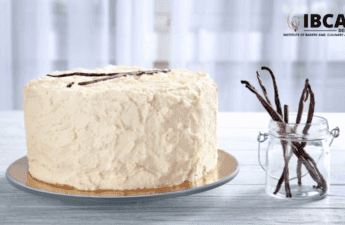
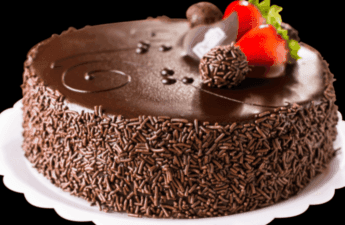
Introduction Imagine yourself wrapped up in bed on a rainy day with nowhere to go and a craving for something simple yet tasty. Since many of us are in that circumstance, when we just want to have basic eggless vanilla and eggless chocolate cake recipes again. In fact, they are ideal for practically any day. If you don’t know how to make that you can join Cake Baking Classes and then you can bake them for every occasion or just a regular day! These recipes are incredibly adaptable and may be altered in a variety of ways without changing their texture or flavour. On certain days, sometimes you adore a good, moist vanilla cake, but on others, what could be better than a slice of timeless chocolate cake? You may use these recipes in your home as a sponge for a layered cake or as a tea cake when you add almonds, chocolate chips, or anything else! Basic Tips for Eggless vanilla cake Always have your baking pan prepared with parchment paper and some oil, laid out properly, before preparing eggless vanilla cake. Do not overmix when combining the dry and wet components! Because all the air added will have been deflated, over-mixing a batter will make your cake dense. If it isn’t stated in the recipe that an ingredient should be cold or warm, make sure that all of your components are at room temperature. When making an eggless vanilla cake, always set aside the yoghurt and baking soda first because they need time to bubble up correctly before being combined with the other ingredients. Given that the eggless vanilla cake batter is on the thicker side, you can add any type of nut or dried fruit. Use a thicker yoghurt for the eggless vanilla cake rather than one that is very watery. Never overlook the crucial step of preheating your oven before baking your cakes. Although it can be frustrating to wait for the cakes to cool, let them cool completely before removing them from the cake tins for clean sides. If you are keenly interested in baking but don’t know how and where to start, you can enrol in Cake Baking Classes for practical learning experience. Basic Tips for Eggless Chocolate Cake In order to ensure proper aeration, the dry ingredients should always be sifted in, especially in this recipe given the lumpy cocoa powder. Using coffee powder is crucial in this recipe since it helps to accentuate the necessary chocolate taste without really adding any distinct coffee flavour to the cake. Don’t skip the salt; it really makes a difference in the way the flavours are balanced. A baking pan should always be prepared and your oven should always be preheated. Don’t overmix if you want your eggless chocolate cake to be lighter. DIFFERENCE BETWEEN THE RECIPES FOR EGGLESS VANILLA CAKE AND CHOCOLATE CAKE Don’t be surprised if you encounter this issue when preparing both the eggless vanilla cake and the chocolate cake because the batter for the latter is thicker in this recipe. Due to the addition of cocoa powder, the texture of the eggless vanilla cake is moister than the chocolate cake. But in terms of their flavours, both are moist. Compared to eggless vanilla cake, eggless chocolate cake is on the lighter side. The flavours are obviously distinct because we add vanilla extract to vanilla cake, where high-quality vanilla extract is crucial. The use of coffee powder gives the eggless chocolate cake an exceptionally strong chocolate flavour. If you enjoy dry cakes and looking for some inspiration and guidance you can join Cake Baking Classes. EGGLESS VANILLA CAKE & CHOCOLATE CAKE RECIPE ●     Vanilla and chocolate cakes without eggs ●     Cake ingredients for vanilla ●     All-purpose flour, 2 + 1/4 (270g) ●     Baking powder, 1 1/2 teaspoons (6g) ●     yoghurt, 1 1/2 cups (428 g) ●     Baking soda, 1/2 teaspoon (2g) ●     1 + ¼ cup (280g) (280g) Vegetable oil and 3/4 cup (180 ml) caster sugar ●     7 cc (1 1/2 teaspoon) of vanilla extract ●     Regarding chocolate cake ●     ¾ cup (90g) (90g) cocoa butter ●     boiling water, 1/4 cup (180 ml) ●     12g of coffee powder per tbsp ●     1 + ½ cup (300g) (300g) Vegetable oil and 3/4 cup (180 ml) caster sugar ●     1 tsp or 5 millilitres of vanilla extract ●     yoghurt, 1 cup (285 g) ●     285g (1+1/2 cup) of flour ●     4 grammes of baking powder per teaspoon ●     Baking soda, 1/2 teaspoon (3g) ●     A dash of salt Instructions ●     Set the oven to 180°C and use parchment paper to line an 8-inch round cake pan. ●     To prepare the vanilla cake, combine the yoghurt and baking soda in a basin, stir it briefly, and then wait for it to bubble up. ●     All-purpose flour and baking powder should be combined in a separate basin and set aside. ●     Once the yoghurt mixture has foamed, quickly combine the caster sugar and oil with it. ●     Including vanilla extract ●     Gently incorporate the dry ingredients into the wet ones until there are no noticeable flour pockets left. ●     At this point, avoid mixing too much.Any type of nut or dried fruit can now be included if you so choose. ●     Fill the lined cake pan with the batter, and bake it for 30-35 minutes at 180°C, or until a spear comes out clean. ●     Remove the cake from the tin after allowing it to cool completely. Enjoy! ●     To create the chocolate cake, preheat the oven to 180°C and line an 8-inch pan with parchment paper. ●     Add boiling water and coffee powder to a small bowl and stir well. ●     Add cocoa powder to a different bowl. Pour the coffee mixture over it, then combine everything to create a slurry.Using a balloon whisk, blend yoghurt, vegetable oil, and caster sugar in the same basin. ●     Next, add all the dry ingredients to the bowl, including maida, baking powder, baking soda, and a dash
Bakery Institute

What is the best way to prep your cake pan to prevent sticking?

Introduction It’s not unusual to occasionally wish to bake cakes as a delightful treat for the whole family. Your cakes are probably quite popular, but it might be a pain if you can’t get the cake out of the pan. You might be wondering what you’re doing wrong if your cake just appears to be clinging to the pan. Turning your cake pan over the cooling rack while you wait to see if the cake comes out intact or sticks part way out and crumbles is one of the most stressful parts of baking. Will today’s bake be ecstasy or suffering? You can prevent this from happening to you by doing a number of things. We experimented with a few techniques to prevent a messy end and discovered the ideal way to line your pan for a stick-free guarantee. To learn everything there is to know about preventing cake from sticking to the pan, join Baking classes in Delhi. You’ll have a lot more faith in your ability to make cakes that everyone can easily appreciate. Parchment + non stick pan spray. The baking expert’s best buddy is parchment paper with a silicone coating. Apply non-stick parchment to the pan’s bottom, and then spray nonstick pan spray on the sides. If you choose a “belt and suspenders” strategy, feel free to spray the parchment as well as the bottom of the pan before adding it. This is a method that some people advocate. If your cake was baked on paper, it will easily peel off the warm cake’s bottom and slide directly out of the turned-over pan onto the cooling rack. For baking in square or rectangular pans, use parchment half-sheets that have been trimmed to size. Parchment rounds are convenient for round pans. For cakes with sticky fillings, such as meltable chocolate chips, caramel pieces, fresh or dried fruit, or anything else, we highly advise using parchment paper and pan spray. Cake goop Homemade “cake goop,” as it is known to seasoned cake bakers everywhere, is a fantastic substitute if you decide against using paper. Goop is created by combining equal volumes of vegetable shortening, flour, and vegetable oil. It is then easily brushed with a pastry brush onto your pans (or rubbed on with a paper towel). Create a batch* and place it in the refrigerator; even when cold, it will remain spreadable and ready to use. If you’re tired of trying different methods everytime but still failing miserably, you need to join Baking classes in Delhi. Vegetable shortening Alone or after using the aforementioned alternatives. Stick with the usual approach of preparing a cake pan if you’re completely satisfied with it, however you might want to experiment with using anything other than flour for interest’s sake. The drawback of shortening is that occasionally, especially if it’s not super-fresh, you could taste oily. pan spray dusted with confectioners’ sugar Why not sweeten your pan coating without the grainy texture of granulated sugar? Although at the time it seemed like a wonderful idea, the cornstarch in the sugar allegedly combined with the liquid in the cake mixture and turned into glue! Additionally, it will be advantageous to lightly dust the bottom of your pan with flour. Directly over the butter or vegetable shortening that you’re using to oil the pan, add a small amount of flour. For this to work out well, the bottom of the pan should ideally be coated with flour to a depth of about an inch. If you want to make sure that your cake will come out of the pan easily, don’t omit this step. Flouring the bottom of the pan doesn’t take very long, and if you’re baking a cake, you almost certainly have extra flour. Your cake will come out of the pan very easily once it has cooled off after being taken out of the oven, so you’ll be happy you took the time to do this. Non Stick pan without any prep Of course, there are some people who adore using non-stick cake pans because of how simple they are to use. But in Baking classes in Delhi you’ll get to learn that you always need to prepare your pan even if it is non sticky. This particular non-stick coating on the cake pans is designed to keep items from adhering to them. These pans ought to make it simpler for you to remove cakes from them without any sticking. Why should I coat my nonstick pan with anything when it is already nonstick? Because cake batter is naturally sticky, it sticks to the pan’s surface while baking. Even a nonstick pan can only withstand this to a certain extent. Avoid being obstinate: even your nonstick cake pan should be ready. If you bake a cake in a nonstick pan, whether it be a 9″ round, 8″ square, Bundt, springform, or any other shape, and you’ve prepared the pan with pan spray, wash the pan in warm, soapy water as soon as you remove the cake, while it’s still warm. As nonstick pans cool, pan spray adheres to them, creating a sticky residue that, paradoxically, eliminates the non-stick properties of the pan over time. Cleaning up as you go will save you a lot of time trying to remove that stickiness without ruining the pan’s surface. Conclusion It’s wonderful to be able to remove the cake from its pan without much trouble because your cake has the power to unite the entire family. You’ll find it a lot simpler than previously if you go for the Baking classes in Delhi. It’s really simple to follow the instructions given above, and you’ll probably remember the steps moving forward. After a while, doing these things while baking a cake becomes automatic. Every cake you chose to create will be considerably simpler to remove from the pan.

Baking Courses

BEST 4 INGREDIENTS FOR CHOCOLATE CAKE

Oreos are the biscuit you would choose if you had to choose one to eat every day for the rest of your life. Not the best, are they? Creamy goodness between two chocolate cookies. Ah! This is a win for everyone. So what could be better than turning your favourite biscuits into a dessert? Although it seems spectacular, chocolate lava cake is actually very easy to make, you can also learn about this recipe by enrolling in Professional Baking Classes. They only take a single bowl and a whisk to prepare, and they are done in less than ten minutes. Prepare the batter in advance and chill it before baking your Molten Lava Cakes for stress-free entertaining. These chocolate lava cakes always turn out perfectly, dripping with a lovely stream of smooth chocolate that you’ll want to lick off the plate. You may have tried this in one of the restaurants in your neighbourhood, but have you ever baked it at home? If not, you’ve come to the right place because this article will show you how to make a delicious and fluffy chocolate lava cake using just a few basic ingredients. Let’s get right to the list of ingredients for chocolate lava cake. The recipe for this 4-ingredient chocolate lava cake couldn’t be simpler or more delectable. You won’t just eat one bite, for sure. Molten chocolate cakes, also referred to as choco lava cake in the traditional sense, are warm, individual-sized chocolate cakes with oozing centres. Most recipes simply call for underbaking chocolate cake batter, leaving the inside as raw batter that pours out like a liquid.  1. OREO BISCUITS Oreos are the key component of this recipe because it is flourless. Any flavour that you find in the store is acceptable. The best-tasting cakes, though, will be plain or chocolate. But feel free to have fun if you want to!  2. HOT MILK The oreos should be baked with hot milk to give them a batter-like consistency. The oreos will melt as a result, and the batter will be silky and smooth with chocolate flavour! Any milk, whole or half-cream, may be used. You can also substitute your preferred milk, such as soy or almond.  3. BAKING SODA In order to give the four ingredient chocolate lava cake a cakey texture that is to die for, since this recipe does not call for flour or eggs, you can add baking soda. Additionally, it aids in giving the cake a nice framework and height.  4.  CHOCOLATE CUBES You can add a few chocolate cubes for a gooey, chocolaty centre. The cake’s lava dripping from it is actually the best part. Ice cream and warm chocolate on a plate really do feel like heaven. HOW TO MAKE THIS 4-INGREDIENT CHOCOLATA CAKE: TIPS AND TRICKS It’s easy to make, takes little time, and always has a moist, fluffy texture. Best bakery classes in Delhi can help with this recipe. The type of baking equipment you employ greatly influences the final product! To ensure the quality of your baked goods, You should use high-quality mixing bowls and other tools. Many people like to use glass bowls that are microwave and oven safe to combine all of my ingredients because they are so simple to handle and clean, making baking completely hassle-free. A moist and fluffy chocolate cake can be made using a few secret techniques. First of all, it’s crucial to have the proper proportion of dry to wet ingredients, so we always advise measuring your ingredients when baking. To avoid the cake crumbling, there should be more wet ingredients than dry. 1. Adhere to the recipe This seems pretty obvious, no? The most significant cake baking advice you’ll ever hear or read is to always follow the recipe. It is also the most disregarded. On the basis of what we have, we frequently replace ingredients in recipes. Ingredients are required for a reason, and a cake will typically fail because the recipe wasn’t followed exactly. It is always advised to stick to a recipe the first time you make it before making adjustments the next time. 2. Use the proper measurement This advice also seems obvious, but it’s the area where we slip up the most frequently. One incorrect tablespoon of sugar could spell the difference between a recipe’s success and failure. It’s crucial to measure ingredients accurately. Baking is not very tolerant. Better baking results are guaranteed if you know the proper way to measure a particular ingredient. To learn more about baking and appropriate measuring techniques, enrol in professional baking classes. 3. Avoid over- and under-mixing Whether a recipe instructs you to whisk the cake batter together or use an electric mixer, make sure you only mix the ingredients together *just* until they are combined. Because you’re deflating all the air and over-developing the gluten, over-mixing batter, whether it’s for cakes, cupcakes, breads, muffins, etc., results in a baked good with a tough texture. Don’t switch on the mixer and then depart! Don’t undermix, either. It goes without saying that we want to combine all the ingredients. 4. Bounce-Back Test A toothpick can be used to test the doneness of a cake. If a toothpick inserted into the centre of the cake comes out clean, the cake is fully cooked. Additionally, there’s no need to waste time looking around for a toothpick: Either remove the cake from the oven or keep it there. Apply light pressure to the cake. The cake is finished when it completely recovers. If the cake has a dent from your finger, it will take longer. so simple you can always do this. You can apply this simple technique to muffins and cupcakes as well. Conclusion You’ll be amazed at how easy it is to make molten chocolate lava cakes at home. Because they are purposefully slightly undercooked, they make the ideal individual desserts with a gooey, melty chocolate centre that oozes out when you cut into them. These molten chocolate cakes are

Uncategorized

Five Tips for Women in the Culinary Arts

Men used to be the ones who did most of the cooking, but these days, women are becoming more and more important in the kitchen. Over the past few years, the number of male and female chefs has changed. Now, more women than men work in the kitchen. As these women get more attention, women that are more successful are making their mark in the hospitality industry and becoming role models for other women chefs. Male chefs are less likely to be rude to female chefs of today’s generation than they were in the past. Their struggles come from inside as they try to balance being a chef, a mother, and a person who wants to get better and be recognized. For single moms who work in restaurants, balancing family responsibilities with the job’s long hours requires a robust support system at home. In a field dominated by men, only 18.5% of professional chefs are women right now. There are more women with diplomas in culinary arts today than ever before. As women take on more leadership roles in the kitchen, here are some tips for them. Set Boundaries Set clear rules about respect and behaviour right from the start. Know where you stand. Make it clear how far jokes can go, but do it healthily and nicely. Do not believe what people say about you; do not be afraid to speak up for yourself. Even though it might not make sense, focusing only on speed can make you a slower cook. If you hurry while deveining shrimp or shucking corn, you might make a mess and have to do the task again. Not only does this waste time, but it also causes ingredients to waste. By putting technique first and speed second, you can become a precise and quick cook. Bring Your Unique Qualities To The Table. In the kitchen, it helps to be a woman. Do not try to be a man in disguise; diversity is critical. Women usually have a different sense of taste, harmony, design, and how things look; they do things differently. Use these qualities to help everyone in your brigade shine. Use your point of view, and do not be afraid to break the rules. Be Part of the Change. Thoughts are changing in the kitchen. We need to keep telling the stories of success and making the profession look good as a whole. Try new things and think outside the box, but remember the basics of cooking. In terms of products and ingredients, be true to who you are. Dare to be different and stand out. Several women who have pursued diplomas in culinary arts have gained significant experience. By knowing they are kitchen experts, more women will get the attention they deserve in this field. Think About the Future Be local, ethical, and sustainable. How we make things affects the planet. Learn how the things you eat affect everything else. A fairer kitchen will be good for your team, your customers, and your business. When you go to culinary school, you can network with Chef Instructors, school staff, past graduates, and future graduates. Chefs need to be proactive if they want to make the most of these chances to network. Finding time for it in your busy life might be challenging, but it is worth it. The most famous chefs did not become famous by spending all day in their kitchens. Get A Culinary Education. Those who follow their dreams will have a bright future. It’s essential for women in professional kitchens to learn about the business side of running a kitchen, grow as people, and keep exploring, learning, and coming up with new ideas. Look at a perfectly seared steak with chimichurri sauce or a salad with a balance of flavours, textures, and colours. You can see that cooking is a complex art. However, most professional cooks use the same set of core skills every day. Work on your basic skills and learn some new tips and tricks. You can do these repetitive tasks faster, making you faster and more efficient overall. As the saying goes, you have to learn to walk before you can run, and the same is true in the kitchen. Before you can speed through tasks and do them well simultaneously, you need to know how to do them at a slower pace. Culinary school can teach you the right way to cook and put you in touch with mentors who can give you tips from their years of professional cooking. In addition, going to a program for culinary arts can give you many chances to practice your skills, which may help you get faster. Reviewers and writers of food come from many different places. Some have gone to cooking school, some are trained journalists, and some have just written and eaten so much that they can excitingly talk about food. To start writing, you can be a familiar journalist. You can have a few clips or credits.

IBPA Image
Uncategorized

Can I Get A Job With A Diploma In Culinary Arts?

“Culinary arts” refers to the practice of cooking. Students learn how to efficiently and aesthetically prepare, cook, and present food and meals in a culinary arts course. Enrolling in culinary arts classes is the best move for people who are interested in a career in food and beverage management, kitchen management, or other hospitality and food-related job profiles. Candidates who enroll in culinary arts programs gain the operational, technical, and managerial abilities required to succeed in the culinary branch of the hospitality industry. Aspirants have access to culinary arts courses at both the undergraduate and graduate levels. Most of the undergraduate culinary arts programs last three years. Popular UG level courses in culinary arts include the Bachelors in Hospitality Management with a Culinary Specialization, the BVoc in Bakery and Cookery, the BA in Culinary Arts, the Bachelor of Catering Technology and Culinary Arts, the BVoc in Culinary Operations, the BSc in Culinary Science, the BHM with Culinary Arts, the BA in International Culinary Arts, etc. Candidates may also sign up for culinary arts courses at the PG level. Most culinary arts programs at the PG level last three years. In addition to these programs, students interested in the culinary arts can also enroll in diploma programs, including the Post Graduate Diploma in Dietetics and Hospital Food Service, the Diploma in Culinary Arts of Italian Cuisine, the Post Graduate Diploma in Bakery and Confectionery, the Diploma in Food and Beverage Service (undergraduate course), the Post Graduate Diploma in Bakery Science and Technology, the Diploma in Hotel Management (Food and Beverage Service), and the Diploma in Culinary Arts. The numerous hospitality industries that require chefs and cooks are drawn from the culinary industry. It’s possible that you’ll be able to find work right away, but you shouldn’t plan on making a lot of money right away because entry-level jobs always require a lot of training and experience. Numerous settings, such as hotels, restaurants, catering services, large-scale kitchen operations, and specialty coffee shops, offer numerous opportunities for employment as a chef. After receiving your diploma in culinary arts, you must immediately get to work and learn everything you can in order to establish your career and reputation in the food industry. Once you start doing that, learning and working in the best kitchens should take precedence over seeking out higher paying jobs. Due to the fact that you’ll start earning more money once you’ve had a long period of training and experience. Your craft will eventually be refined or taught in a better setting with wealthier kitchens. What types of jobs are available to you if you have a diploma in culinary arts? Some positions requiring a culinary degree are entry-level, while others might call for a few years of experience. These 11 positions are available to those with a diploma in culinary arts. Pastry chef A talented cook with a focus on creating the breads and desserts found on menus is known as a pastry chef. They collaborate with other chefs to develop a diverse menu. A pastry chef can work for bakeries, catering businesses, and traditional restaurants. Nutritionist  A nutritionist is a person who focuses on how food can energize and fuel the body for a healthy lifestyle. They can closely collaborate with patients to identify their nutritional requirements and create a diet plan that will be advantageous to them. Some nutritionists develop menus for clients that are nourishing and promote healthy eating in places like schools or hospitals. Culinary Specialist  A US military member who helps with food service for personnel staying in facilities or traveling on ships is known as a culinary specialist. Meals are planned, inventories are checked, menus are designed and improved, and the staff is arranged for serving. In order for food preparation to take place there, the culinary expert must also ensure that the area is tidy and organized. Caterer  A caterer is someone who regularly serves food and dessert to large crowds of guests at events. Caterers are frequently employed for special events like weddings, birthday celebrations, movie premieres, and anniversaries. To create a menu and a plan for preparing, delivering, and serving food at the event, they consult with their clients. Math is used by caterers to develop and estimate service costs, schedule the purchases of ingredients, and guarantee that there is enough food for the number of guests at each event. Restaurant Manager  The day-to-day management of a restaurant falls to the restaurant managers. They implement systems for food preparation and service that reduce wait times and facilitate communication, and they are in charge of the efficiency and output of the staff. A restaurant manager may be in charge of employee hiring and firing, performance reviews, compliance with safety and hygiene regulations, team schedules, ingredient inventories, and interactions with the restaurant’s owner. Sous Chef  The sous chef, a culinary expert who oversees other cooks and reports to the executive chef or head chef, depends on how the kitchen is set up. They frequently collaborate closely with the executive chef to create menus and handle problems in the kitchen, where they oversee many of its operations. A sous chef may be responsible for writing menus, enforcing policies, monitoring kitchen inventory, inspecting work areas for cleanliness, and creating staff schedules. Food service director  A food service director is someone who oversees food production and delivery. They frequently work for establishments that serve a sizable clientele, such as hospitals, hotels, prisons, and camps. The director of food service deals with vendors and suppliers, monitors distribution processes, and ensures that the kitchens are kept tidy and clean. Executive chef  The executive chef is always in charge of the quality of the food that the kitchen produces. He or she is the highest-ranking worker in the kitchen. Executive chefs work with other chefs to create and enhance menus, purchase ingredients and equipment, and communicate with the media. An executive chef manages a group of sous chefs and establishes the atmosphere and culture in the kitchen. Food

a detailed guide on starting a bakery business in india
Bakery Business

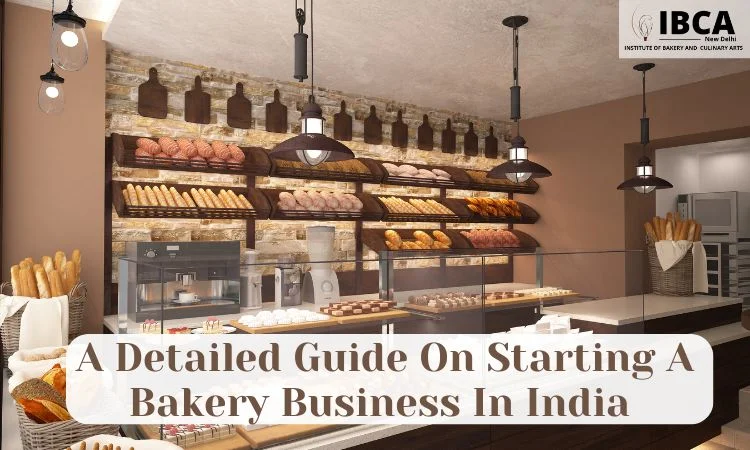
A Detailed Guide On Starting A Bakery Business In India – 2025

A bakery can begin as a retail business selling goods to customers from a storefront location or as a wholesale business selling goods to restaurants, grocers, and other businesses. Many bakeries additionally operate both retail and wholesale operations in order to increase their potential market as well as their revenues and profits. Opening a bakery is a very straightforward procedure, with the exception that the best bakers possess bakers trade papers. Therefore, be prepared to either hire a skilled baker or put in the time to become one. If a bakery focuses on both retail and wholesale sales of baked goods, it has a good chance of turning a profit. There are some good and knowledgeable bakery classes in Delhi that only help you understand the details of bakery but also help you understand the dynamics of bakery business.  The demand for baked goods has increased steadily over the previous two years. Due to the comfort and affordability baked goods provide their customers, many home bakers and chefs have entered the bakery industry. This is the reason why there is a high demand for bakery Courses in Delhi. A report claims that the Indian bakery market will expand at a CAGR of 8.5% from 2021 to 2026 and be worth USD 12.39 billion at that point, making bakeries a very lucrative restaurant format. Let’s first look more closely at how to launch a bakery business in India in order to gain a better understanding of the different types of bakery businesses. Types of Bakery Business You must first choose whether you want to construct a retail bakery or a wholesale bakery before setting up the specifics of your bakery. It is crucial that you make the right decision because it will impact both how you deal with your clients and how much money you need to invest. Bakery classes in Delhi help you understand as to which type of bakery business you would want to start. Without having prior knowledge of the types of bakery business it will be difficult for you to start a bakery business.  Retail Bakeries  A retail bakery accepts direct orders from customers. They can all be configured in different ways, but they all need at least one employee to manage the cash register and help customers. Wholesale Bakeries  A wholesale bakery sells baked goods or provides supermarkets, hotels, and other retail establishments with them. When it comes to wholesale baking, there are many creative options, such as emphasizing your menu and its packaging. Types of Bakery Service organisation You must have a clear idea of the services you will provide to customers before starting any business. Examining a few bakery service categories will help.  Bakery Cafe: Customers can relax and enjoy their meals in the dining area of a bakery cafe, which is typically a sit-down bakery. Food Truck Bakery: If you want to serve customers who are constantly on the go, mobile restaurants or bakery food trucks are fantastic alternatives. Home Bakery: For business owners who don’t have a lot of capital to invest in their startup, baking at home is the ideal solution. All you need to start a home bakery is the right tools, enough room, and the required licenses. Counter Service Bakery: Except for the dining area, a counter-service bakery is similar to a bakery cafe. Customers can typically walk into a small store and pick up their items. Specialty Bakery: Only one or a few different types of baked goods are produced by specialized bakeries. Because you can decide whether to produce it for retail or wholesale, they provide flexibility despite concentrating on a single product type. Making a choice about the kind of bakery you want to open is crucial because it will affect your business plan for the bakery. Although it’s a big choice, it’s also the most exciting one for your startup company. 10 Steps To Open A Successful Bakery Business In India  Create A Bakery Business Plan  Before learning how to start a bakery in India, write a bakery business plan. This will help you streamline operations, decide how to distribute your budget, and plan how your bakery business will grow. Ideally, it should include: Choose a Location for Your Bakery Business Finding a good location is one of the first steps in learning how to launch a bakery business in India. A reputable market or upscale shopping area with lots of foot traffic is the ideal location for a bakery. The best places for a bakery business are ground-floor front-area shops that are visible and convenient. A 500-square-foot shop should have a functional kitchen on one level and a serving and display area on the other. But how you do it will depend on the space you have and your preferences. A 1000-square-foot space divided over two floors shouldn’t cost more than Rs 60–70k per month in rent. In order to purchase the property where the bakery will be located, you would need to spend about Rs 1,80,000. Before choosing a site for the bakery, it’s also crucial to make sure that it will have a sufficient water supply and drainage system. A suitable legal agreement should be obtained for the property as it is necessary for documentation and other licenses. Even better, get a No Objection Certificate (NOC) from the property owner confirming that he has no issues with you using his land as a restaurant. Get all Licenses Required to Open a Bakery Business in India  The FSSAI license, GST registration, local municipal corporation health license, police eating house license, and fire license are the additional five licenses needed for the bakery business, which are similar to the QSR format. When opening the outlet, the FSSAI, GST, and Local Municipal Corporation Health License are the licenses that are most important to have. Once your company is up and running, you can apply for a fire license and a license for a police eating establishment. However, it is suggested that before opening a

Baking Courses

7 Best Egg Substitutes For Baking Recipes and How To Use Them

Eggs are a necessary ingredient in baking because they serve as a binding agent in quick breads, muffins, and cakes. What if, however, you want to make muffins but are vegan, have an allergy or aversion to eggs, or simply ran out of ingredients? There should be a simple egg substitute on hand for every home cook. Special considerations must be made when substituting eggs in baking recipes, such as whether the replacement contains the same amount of moisture, protein, and fat as a large egg. In order for the final baked good to taste delicious, an egg substitute must blend in with the other ingredients—sugar, flour, and butter—without overpowering them. In light of this, eight different egg substitutes have been tested, the majority of which are likely to be household staples. All of these egg substitutes are functional—you can use any of them to make muffins, pancakes, or quick breads—but some of them worked better than others.  Also, at times when we are into baking, we might miss onto these crucial details. It is a great possibility of forgetting important details and then ending up in a trouble. Hence, there are baking classes for beginners that we offer wherein we give you all the crucial details of baking and tips related to it.  Why Substitute Eggs? Simple things like running out of eggs and being unable to get to the store can cause problems. There are times, though, when there is a real need. For a variety of reasons, including health, culture, religion, dietary restrictions, and others, many people want to stay away from eggs. Despite the fact that adding eggs changes the final product, we are not dependent on them. The flavor and texture may differ, but the end result is still very comparable.  How To Test Egg Substitutes? Baking doesn’t demand anything and everything to be over the top. It can be simple and straight. Like testing egg subsitutes is something that you might not know. Our baking classes for beginners is like full training process that will give you all the internal details of baking.  To test the top egg alternatives for baking, we can make a straightforward vanilla muffin without any additional ingredients. With the specified egg, this recipe produces a light, bouncy, and flavorful muffin. The interior is tender and the exterior is crisp. Nothing fancy is offered; just a plain muffin. We can also make a batch of muffins without eggs, and they come out pale, dense, and with a mild flavor and height. The taste and texture of each egg substitute may intentionally be kept as close to the original as possible.  What Amount Of Egg Substitute Should I Add To Replace An Egg? Now, this is something that is very important. We can know what all substitutes are available, but the quantity for the same is very crucial. Our baking classes for beginners make sure that every student learns about the criticality of baking and the ingredients associated. Let’s look at the quantity of egg substitute that we can add to replace an egg.  You need to adjust your recipe to account for the approximate 1/4 cup (4 tablespoons, 60 grams, or 2 ounces) volume that 1 egg represents. The amount of egg substitute you use must match the amount of actual egg you are using. Possible justifications for replacing eggs There are a number of reasons why you might need to incorporate an egg substitute into your diet. Dietary preferences and allergies are two of the most common. Let’s examine the following justifications for replacing eggs. Egg Allergy  The second most prevalent type of food allergy is an allergy to eggs. One study found that 66% of children who develop allergies by the time they are five years old will have outgrown them by the time they are three years old. According to additional research, an allergy to eggs may not be outgrown until the age of 16. Some people are allergic their entire lives, whereas the majority of children who are allergic to eggs eventually become tolerant. Some people may not realize they have allergies until they are well into adulthood. Vegan Diet  Some people choose to follow a vegan diet and refrain from consuming any meat, dairy, eggs, or other animal products. For a variety of reasons, including ethical considerations involving animal rights, environmental concerns, or health-related issues, vegans refrain from consuming animal products. Most Commonly Used Egg Substitutes For Baking  Aquafaba (Chickpea Cooking Liquid) 3 tablespoons aquafaba equals 1 large egg.  Aquafaba is the liquid that comes from cooking beans or a can of beans. It’s a popular egg substitute because its carbohydrates, proteins, and other soluble plant solids are similar to eggs: Aquafaba has the ability to emulsify, foam, bind, gelatinize, and thicken. We used aquafaba from canned chickpeas for testing, and while it added no flavour, it made the muffins chewy and dry. It was our least favourite of the alternatives. Ground Flax Seeds  1 tablespoon ground flax seeds and 3 tablespoons of water equals 1 large egg.  To make a “flax egg,” combine ground flax seed and water and set aside for 5 minutes before using as you would an egg. When flavored muffins with flax seed eggs, the batter was much thicker than when we used other egg substitutes, and the muffins themselves were denser light,asted slightly grassy. Chia Seeds  1 tablespoon chia seeds (whole or ground) and 3 tablespoons of water = 1 large egg Chia seeds, like flax seeds, must be soaked in water before being added to the muffin batter. While chia seeds did not add flavor like flax seeds, they did add texture to the finished muffin, similar to poppy seeds. Despite their added crunch, chia seed muffins had a light, tender texture. Mashed Banana  Another popular egg substitute is mashed banana. The only disadvantage of baking with bananas is that the end result may have a mild banana flavour. Other puréed fruits, such as pumpkin and avocado,

Bakery Institute

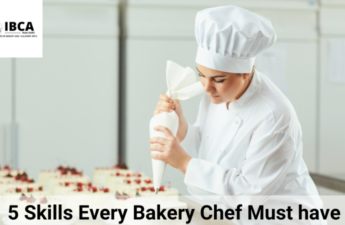
5 Skills Every Bakery Chef Must Have

Introduction Baking is a meticulous task because you need to be exact when measuring. The consequences of any off-track measurements can be catastrophic, as, in other forms of cooking, the chemistry of baking does not allow one to naturally do it. Therefore, the professional pastry chef develops skills that help him or her stay in tune with all measurements and finesse required for this type of cooking. The answer to that is precision, creativity, and orientation towards detail. The job of a pastry chef is a tough one indeed. It requires commitment, dedication, and passion in order to create delicious desserts that your customers will enjoy. However, it’s not all crepes and fondants here – it’s also about inventing new recipes and sampling some of the finest ingredients in the world. It is much more important to have the resilience and drive to keep at it even when things get tough. So, if you are thinking of making your mark in the world of sweet treats you need to develop an array of pastry chef skills and learn as much as you can about the sort of position that you will get into, in the near future. Get in touch with one of the best Cake Baking classes in Delhi if you are looking to learn high-paying skills as the same as a pastry chef. Let us learn the must-have skills for aspiring pastry chefs. Physical strength  A job that is physically demanding and requires long working hours is a chef. Their work will begin early and extend well beyond the day’s closing hours, depending on the type of restaurant they work in. For pastry chefs, this can mean up to twelve hours a day of hard physical labor at high speed; mixing ingredients, pouring batter into pans, and working at blazing temperatures. Because this industry is so demanding, candidates need to have extreme stamina as well as strength and dexterity in order to excel as a pastry chefs. Social capabilities  As a pastry chef, you will be in charge of creating different desserts that can be served to customers at the restaurant where you work in. You will have to know how to deal with customer requirements and respond to their questions and queries. You need to be able to talk about your job description and describe what it entails before customers come into your restaurant. Planning   Being a pastry chef is not as glamorous as you might think, but it does come with a lot of responsibility. You will have to manage inventory, plan menus, and develop recipes based on customer insights. You also need to be able to communicate effectively with the rest of the team. You’ll also need to know all aspects of food safety, hygiene, and kitchen regulations. Master of pastry arts  As a pastry chef, you know how important it is to have excellent knowledge of several key ingredients that are primarily used in patisserie. Having excellent knowledge of several key ingredients commonly used in patisserie and their various possible combinations, temperature management, mastering the display and use of sweeteners in sugar-free desserts, and expertise in creating gluten-free desserts and pastries are possibly the most important of all the skills that a pastry chef must possess. Knowing how to be delicate and patient when creating a masterpiece is important. The true pastry chef will never lose their creative spirit or their passion for the craft. This is where most chefs would fail, but if you want to be a successful pastry chef, you must know how to deal with pressure and keep innovating. Consider enrolling in Cake Baking classes in Delhi, which offer a variety of courses for individuals interested in becoming professional bakers. Your personal baking hacks.   There are numerous professional baking classes in Delhi that can probably teach you the best of the hacks that can take you a long way. You can learn a lot from pastry chefs, but here are three baking hacks you probably didn’t know you could use. Ice cream and cake:  A creative combination of cake and ice cream is a great way to surprise your guests. With just four ingredients, a pastry chef can whip up ice cream with little effort. They can add them to a bowl and enjoy right away or freeze them so they will be ready when you need them. Choosing the Right Chocolate:  The best chocolate has a smooth, rich flavor and creamy texture in your mouth. Professional pastry chef advises that the chocolate you eat is better than the chocolate that you bake with. It’s fine to use medium-grade chocolate, and most people won’t be able to tell the difference if you combine it with other ingredients like sugar and butter. Concentrate on Presentation  A good presentation of the dessert is extremely important. Eating with your eyes first is what helps add flair and character to your dessert, as it differentiates the professionals from the amateurs. Chef IBCA  IBCA is a nationally and internationally recognized leader in the teaching and learning of complete Bakery and Culinary programs. To ensure that students obtain the greatest possible education, all of our courses follow an international curriculum. IBCA, Bakery, and Culinary Arts Instructors offer their knowledge and years of experience to students, paving the way for them to advance their talents. It helps beginners with little or no experience in Bakery and Culinary Arts into dedicated professionals who are ready to compete in the demanding world of building their own careers. Conclusion A patisserie is a challenging and demanding industry. It is definitely useful to have formal instruction in the art of patisserie. Training is available at IBCA, which is a well-known Cake Baking classes in Delhi. Having the right skills, training, qualification, and experience will be one’s foundation for success in this competitive and demanding industry.

Uncategorized

THE PERKS OF BECOMING A PASTRY CHEF

What is a Pastry Chef? Pastry chefs have received training and possess the necessary skills to create pastries, desserts, bread, and other baked delicacies. Pastries are sold in almost every chain of restaurants, cafes, markets, and supermarkets. They prepare and transport bread- and meal-based items like pies, cakes, and cookies. Typically, pastry chefs start out as regular cooks or bakers at restaurants or hotels before earning their titles. Many people are given leadership positions as a result of their productivity and originality at work. Cakes, chocolates, pies, tarts, biscuits, soufflés, truffles, and other delightful creations are only limited by the pastry chef’s imagination and have integrated themselves into everyday meals and special occasions. Additionally, pastry chefs could specialise in bread baking. Typically, pastry cooks work as a team under the direction of the head chef, with the pastry chef serving as the team’s leader. Additionally, pastry chefs carry out administrative duties like creating budgets and procuring ingredients for pastries. Pastry chefs have received training and possess the necessary skills to create pastries, desserts, bread, and other baked delicacies. Pastries are sold in almost every chain of restaurants, cafes, markets, and supermarkets. People will undoubtedly always have a sweet tooth and be on the lookout for sweet treats.  What does a Pastry Chef do? At the service division of the pastry department, pastry cooks generally start their careers as pastry chefs in restaurants. This position’s duties include aiding in the preparation of ingredients and offering support at various culinary workstations. Cooks can advance their careers into the production line and the position of pastry sous chef after getting some experience. In this position, they directly assist the executive pastry chef in the creation of several dish components. Pastry chefs frequently have unrestricted creative freedom and the capacity to create entirely new meals. The majority of pastry chefs must learn to be a master of all trades, while they may choose to specialise in a particular Pastry Chef Course. The following are some common duties of a pastry chef: Making the breads and pastries in a menu Guiding or directing the preparation of desserts and their components by other pastry chefs or line cooks. Together with the executive chef and sous chef, make necessary menu adjustments and introduce new or change existing dessert options Working with clients to produce cakes and desserts for weddings, special occasions, and banquets if employed by a bespoke bakery or caterer. Organising supplies and ingredients Keeping the workplace spotless and seeing to it that the equipment is properly maintained Getting samples ready for cake or pastry tastings What skills do you need to become a good Pastry Chef? The ability to bake or prepare pastries with accuracy and attention to detail is frequently required. Because of the level of care needed, decorating pastry can likewise be compared to fine art. A pastry chef needs to be meticulous and exact.  The creations of a pastry maker are frequently lovely and delectable. Once they have mastered the fundamentals, these experts continue to hone their skills and experiment with incorporating novel ingredients into their recipes.  A pastry chef frequently works as a member of a group of food producers that also includes line chefs, sous chefs, executive chefs, and front-room staff. To meet client requests and prepare things as needed, collaboration is crucial. Pastry chefs routinely communicate with customers on unique creations, particularly if they are collaborating with a wedding party or special events organiser. A crucial competence is the capacity to offer suggestions while paying attention to client requirements.  Pastry chefs spend long periods of time standing and hunched over their job in the hectic and demanding environment of the kitchen. Pastry chefs typically have the creative freedom and capacity to design innovative menus from scratch, thus it’s necessary to be physically active and have fine motor skills. The majority of pastry chefs must learn to be a master of all trades, while they may choose to specialise in particular areas such as sweets, viennoiserie, cakes, ice cream, chocolate, and bread. Ovens and other equipment must be operated by bakers. They must measure ingredients mathematically, and their understanding of chemistry enables them to make sure that their confections are cooked in the right conditions. If pastry chefs own their own bakeries or are in charge of a sizable crew, they notably need to have administrative abilities. Customers can place orders with pastry chefs, however it depends on the type of dessert or cuisine they want. Pastry chefs should create enough pastries in advance to satisfy demand on any given day and establish procedures for accepting and completing specialty requests. They must ultimately manage their time effectively. As baking and creating confections take time, pastry chefs must have patience. When educating new hires, they ought to have patience. On your way to pastry perfection Pastry chefs are driven, ambitious, brilliant, and creative people. Pastry chefs have many alternatives for careers in baking and pastry outside of the conventional restaurant. Researching, testing, and creating inventive, freshly baked pastry meals are all part of this one-of-a-kind position. A pastry chef must have stamina because cooks, bakers, and candy makers must stand for extended periods of time. You must also be an effective communicator with strong leadership qualities. Pastry cooks should eat wholesome meals and exercise frequently to improve their stamina. You can keep making delightful sweet sweets for everyone to enjoy if you have a constant ambition to learn and develop. Pastry chefs can find employment in a wide range of kitchen and culinary settings, including hotels, conference centres, resorts and spas, cruise ships, casinos, and small- and large-scale freestanding restaurants, bistros, as well as personal chefs and hotels, resorts, and bistros. Given the variety of Pastry courses for beginners, having a well-rounded education in the pastry arts can help you identify the type of baking that best fits your personality and equip you with the knowledge of ingredients and methods needed to be successful at any project involving pastries.

Bakery Institute

How to Become a Baker in Delhi

Baker is one of the professions that are related to baking things in multiple varieties and preparing dishes using sophisticated techniques only. Most of Hotels and restaurants have separate departments i.e. Bakeries where related dishes are made accordingly. There are also Bakery Only shops or small businesses that run dishes on bakery products. With this profession, you can have the potential to be at your best skills and make a strong independent career as Baker. To build a career for life everything needs preparation & step by step preparation, and with Bakery you need to learn the basic skills for making a swift move in the Bakery profession accordingly. ChefIBCA is one of the reputed Baking school in Delhi that has been teaching these skills to students with international exposure to put them on the right path for their correspondence careers.  Here we are going to share a sophisticated way to make a new How to become a Baker in Delhi. Begin With Training One should join Baking Classes in Delhi to get an understanding of the basics to begin with. And they must go for the diploma & certification to give your career the right boost, to begin with. This initial training will get you into shape for making a career in this profession. With ChefIBCA you will be enrolling in one of the dynamic Baking Classes in Delhi that offer step by step guide to becoming a baker in a career in the later part of your life. All the culinary details and techniques from around the world that are being used over time will be taught with minute details and experience. This early training and exposure to the world of Bakery will make you aware of the prevailing international standards and taste that people enjoy around the world. Using the right equipment at its specific usage, types, and recipes, to begin with, preparation of mise-en-scene and mi-en-place are the pre-requisite of making a valuable part in a prospective career. These all early steps and guidance can only be precisely done at training school with efficient guidance. Certificates, diplomas, and degrees will go a long way in giving an organization confidence in your skills while selecting you for the professional baker. Possessing Qualities In Bakery we use specific tools and techniques that need to be learned over the duration of training to become a professional baker. Some of the special bakery items that have gained worldwide popularity are cookies, cakes, bread, pastries tarts, and other local products made with specific techniques & ingredients. Now with these bakery products, there are traditional ways of making recipes that need to be followed for getting optimum results. One needs to be detail oriented while working and going through the training for the timing, mixing as well as finishing of the products. Each process must be thoroughly understood while learning for a complete result. Creativity is another important factor that will allow you to add another dimension further enhancing your Bakery skills. Most of the products might have the same ingredients but it’s the final result that will matter. Fixing recipes or replacing ingredients are qualities that will be added to your skills with the right experience. With creativity, you might add and create new versions and dishes that will give customers to further enjoy bakery dishes. Once you have known all the basic fundamentals then it is important that you go for one specialty as there will give you to take extra initiative and make efforts to shine in that particular category only like a professional pastry chef or Bread expert. Industrial Experience All the theories & techniques get better and perfected with time as well as experience. Knowledge can be taken from books but it’s the experience and reality that matters the most. When learning you are making things in small batches just for practicing in hotels or restaurants, usually products are made in bulk for the whole day or special parties or functions. These bulk preparations, attention to detail, working with seniors, and events food management will toughen you up for working long-term in the Bakery profession. Practicing in Baking Classes and the real pressure of working for the establishment have a completely different perspective. ChefIBCA is one of the recommended Baking institutes in Delhi that has been offering premium classes in the capital of India for more than 10 years. We have built a reputation for building professional bakers who have gone on to achieve tremendous growth in their respective careers in the later part of their life. We follow the international curriculum that will help you in making the right progressive path in every step toward building a successful career as a professional baker. 

Scroll to Top
Call Now Button