


Author name: Seo_executive

Bakery and Pastry Classes, Baking Courses, Baking Institute

Mastering the Art of Baking: Presenting the Top 6 Skills Every Baker Should Possess

Baking is more than just following a recipe; it’s an art form that demands a symphony of skills to produce delectable creations. Whether you’re a seasoned pastry chef or a home baker, mastering these essential skills can elevate your baked goods to new heights. Join us on a journey as we decode the top six skills that every baker should cultivate. 1. Precision in Measurements In the world of baking, precision is the secret ingredient that turns a good recipe into a masterpiece. Imagine a pianist hitting the wrong key—similarly, accurate measuring of ingredients is the cornerstone of baking success. A tablespoon of too much or too little can tip the delicate balance of a recipe. Invest in quality measuring tools, and adopt the meticulousness that defines the art of baking. 2. Patience and Attention to Detail Baking is a dance where timing is everything, and every step requires careful attention. Patience and an eye for detail are non-negotiable. From proofing dough to waiting for the perfect rise, the baker’s journey is a lesson in delayed gratification. The magic happens in those moments of precision, where a watchful eye and a patient heart come together to create confectionery wonders. 3. Creativity and Innovation While precision provides the structure, creativity is the soul of baking. The ability to infuse your creations with a unique flair sets the skilled baker apart. Experiment with flavors that surprise and textures that delight. Dare to innovate in presentation, turning your kitchen into a canvas where each recipe is a stroke of edible art. Creativity in baking is about pushing boundaries and discovering new possibilities in every batter and dough. 4. Time Management Baking is a symphony of simultaneous tasks, from measuring and mixing to baking and finishing touches. Effective time management is the conductor orchestrating this intricate performance. Balancing these elements requires foresight and planning, ensuring that each component of the recipe gets its moment to shine. A well-timed production not only sweetens the final product but also transforms baking into a seamless, enjoyable process. 5. Knowledge of Ingredients To truly master the art of baking, one must go beyond recipes and understand the ingredients at play. A knowledgeable baker is like a scientist in the kitchen, comprehending how different elements interact to create specific textures and flavors. Whether it’s the chemistry of leavening agents or the alchemy of chocolate, delving into the intricacies of ingredients enhances your ability to troubleshoot, adapt, and create exceptional recipes. 6. Adaptability Baking is a dynamic process, influenced by factors ranging from the humidity in the air to the quirks of your oven. The ability to adapt to these variations is the hallmark of a seasoned baker. Maybe your mixer is on the fritz, or you’re missing a key ingredient—adaptability turns challenges into opportunities. Welcome the unexpected, and let it shape your journey as a baker. It’s in these moments of flexibility that you discover your true prowess in the kitchen. Conclusion In the enchanting world of baking, where precision meets creativity and patience dances with innovation, these six skills stand as pillars of mastery. As you venture on your baking adventures, remember that each skill complements the others, creating a harmonious symphony in your kitchen. So, don your apron, preheat the oven, and let these skills be your guiding stars in the pursuit of baking excellence. May your creations be as delightful to make as they are to savor, and may your journey as a baker be a celebration of the artistry that turns simple ingredients into extraordinary delights. Happy baking!
Uncategorized

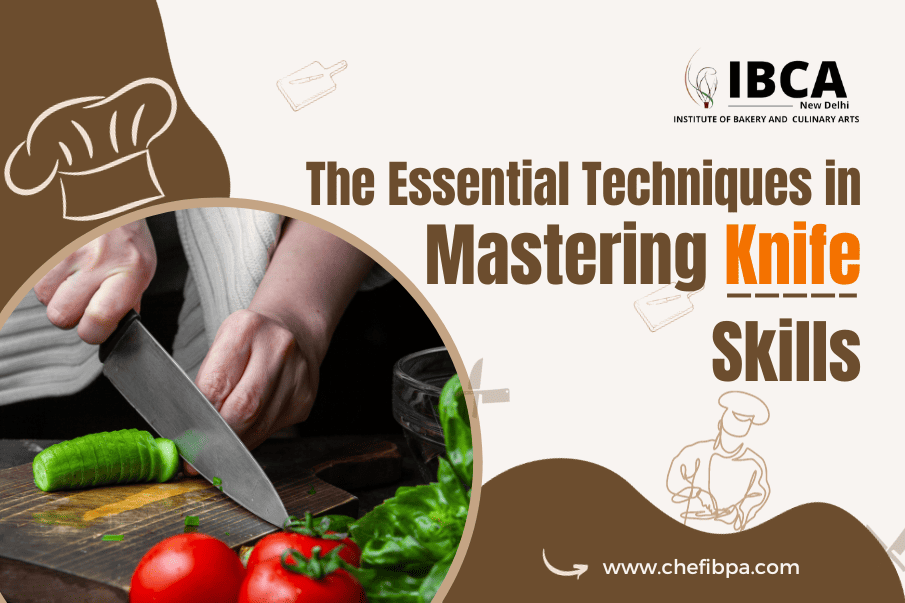
Different Knives for Culinary Purposes and the Best Use for Each

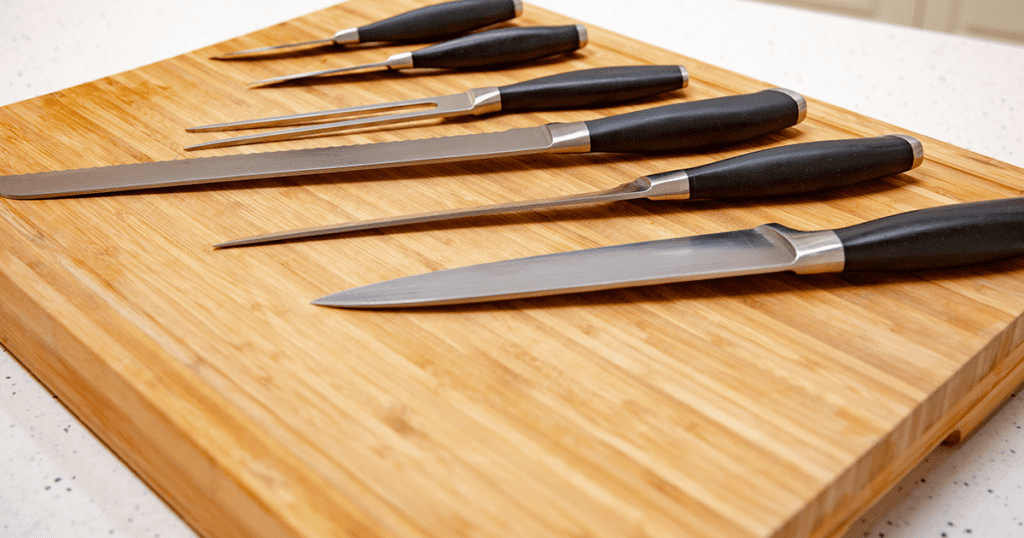
In the symphony of culinary arts, the kitchen knife plays the leading role—a conductor orchestrating the harmony of flavors, textures, and aromas. Just as a musician wouldn’t rely on a single instrument, a chef needs an array of knives to craft culinary masterpieces. Join us on a journey through the world of kitchen knives as we explore five essential blades, each with its unique purpose and role in the theater of cooking. 1. Chef’s Knife: The Maestro of the Kitchen The chef’s knife, often regarded as the workhorse of the kitchen, is a kitchen superhero. With a broad and sharp blade, it effortlessly handles chopping, slicing, and dicing. Its versatility makes it indispensable for a wide range of ingredients, from vegetables to meat. The weight and balance of a good chef’s knife allow for precise control, thus making kitchen tasks effortless. 2. Paring Knife: Precision in Small Packages When finesse is required, the paring knife takes center stage. Its slender, pointed blade excels at intricate tasks such as peeling, trimming, and detailed cutting. From cooking shrimp to making fancy decorations, the paring knife is the artist’s brush, allowing for delicate maneuvers that elevate the visual appeal of dishes. 3. Serrated Bread Knife: The Gentle Slicer Enter the world of crusty bread and delicate pastries armed with a serrated bread knife. The saw-like edge of this knife effortlessly glides through the toughest crusts without crushing the soft interior. Beyond bread, it’s the perfect companion for slicing tomatoes, cakes, and any delicate item that demands a gentle touch. A good serrated bread knife ensures that every slice is a clean, precise cut. 4. Boning Knife: Precision for Meat Lovers For those who relish the art of meat preparation, the boning knife is an essential tool. With a narrow and flexible blade, it adeptly maneuvers around bones, joints, and cartilage. Whether you’re filleting fish, deboning poultry, or preparing a rack of lamb, the boning knife ensures you extract every ounce of meat with surgical precision, minimizing waste and maximizing flavor. 5. Santoku Knife: The Japanese Virtuoso Originating from Japan, the Santoku knife is a versatile blade that combines the qualities of a chef’s knife and a cleaver. With its unique shape and Granton edge (a row of oval-shaped indentations), the Santoku excels at thin slicing, dicing, and chopping. This knife is a favorite among those who appreciate a finer, sharper edge and is ideal for precision cuts on vegetables, fish, and boneless meats. Conclusion As we finish our journey exploring kitchen knives, it becomes evident that each blade is a specialized instrument designed to elevate the chef’s artistry. From the robust chef’s knife to the delicate paring knife, and the precise boning knife to the versatile Santoku, these tools are more than mere utensils—they are extensions of a chef’s skill and creativity. Investing in a quality set of knives is akin to assembling a reliable team of sous-chefs, each contributing its expertise to the culinary symphony. So, the next time you go on a culinary adventure, consider the role each knife plays in bringing your gastronomic vision to life. Remember, the right knife in skilled hands is not just a tool; it’s the key to unfastening the full potential of your culinary creations. Happy cooking!

essential-ingredients-and tools-for-baking-cakes
IBCA

Baking Tips for Perfect Cakes

Baking is a dance of precision where ingredients for the chocolate cake are an addition to the symphony of flavors. But, it also needs adequate tools as well as ingredients that should be used in appropriate quantities. Baking is something that is more about the passion that induces a degree of perfection in every element prepared.  In this blog, we will delve into the world of baking while discovering all the basics and knacks that will be the ultimate cake-baking tips to steal.  Essential ingredients and tools for baking cakes Ingredients Here is the list of ingredients and tools that are important to use while baking: This is a fine powdery substance that is kept in a bag and a container. This is specially  used to give shape to your cake. Sugar just looks granulated or can also be called brown crystals. Sugar is generally  used to add sweetness to your cake. Eggs are generally used to add moisture, eggs just look like an oval that is stored in a carton. Baking soda is generally sorted in a container that just looks like a white powder. It will help you to raise the cake. Milk is a white colour liquid that can be stored in a bottle or carton that helps to add moisture and richness to your dove. Read More: 9 Essential Ingredients Every Baker Needs Tools  This is the most important tool for baking, this is used to maintain the temperature of the ingredients. Mixing bowls come in various sizes that can be used to combine different amounts of ingredients. The purpose of this amazing tool is to measure the quantity of the liquid will help you avoid wasting resources. One of the important cake-baking tips is that you should be mindful of converting between volume and weight measurements. If you want to use an electric mixer then you must be good at bakery skills. While using this product you should slowly increase the speed to avoid a problem and make sure to mix properly. This is also considered as a most useful tool for baking. Before starting you should match the size of your pan with your specific recipes. Also, make sure to coat it with butter or with cooking spray to avoid sticking. This is a very thin-looking paper that helps to prevent the pan from sticking. You should use this in combination with proper greasing for easy removal. Understand the role of each ingredient  While baking ingredients play an important role, each of them has its contribution to your outcome. Here are some of the necessary ingredients that should be used while baking. Flour is one of the important and basic ingredients that is used to give texture to your cake.  For specific recipes, you should use flour which has the finest texture. Sugar can be considered an optional ingredient that is used to add a sewer taste to your cake or pastry. Before adding the sugar it is important to know that you should add sugar according to your sweetness preference. Eggs also play an important role while you are baking, providing structure as well as moisture to your cake. While baking you should make sure to better incorporate into the batter this is one of the cake-baking tips that should be considered while baking Milk is used to add richness to your cake and should be used in an adequate quantity. One of the cake-baking tips is that you should always prevent your milk from curdling when mixing at room temperature. Baking soda can also be recognized as a baking powder that contains both acid and base. This is specifically used to activate the presence of liquid as well as heat.  Baking and mixing techniques Baking and mixing techniques both are considered as the art and science for creating the best cakes and pastries. Knowing how to use these ingredients requires a proper baking and mixing technique. Let’s examine the technique of Baking and mixing. Creaming is a process of generating the air for lighter as well as for balanced distribution of sugar. Doing this technique will make your cake fluffy and light. This is a very important technique that is done to preserve acceleration ideal for delicate batters. You should slowly combine light and heavy mixtures by using a spatula. Whipping is a very common and most important technique for baking, this includes incorporating the air by forming high volume and lightness in your mixture. This is the most important technique in the process of baking that includes the integration of fats and contributing moisture to the batter. This is considered the most simple technique that is done with the purpose of blending the ingredients without overworking the mixtures. This technique should be performed gently and precisely. Basics of Frosting and Decorating Let’s examine some of the basic points about fostering and decorating  Fostering basic  Fostering is just like a sweet mixture that is used as a cover that helps to decorate the cakes. Some of the common types of food are butter cream, cheese, royal icing, etc. Decorating basic  Decorating is considered the most creative part of the process of baking.  Decorating is done to give the cake an extra look that makes it look more attractive.   Generally, piping bags and offset spatula are used to give the final product an extraordinary appearance. Common cake issues Baking is a very delightful process but at the same time, it can give you trouble. These issues arise because of some cupcake baking mistakes. Let’s examine some of the common mistakes which are as follows  You should avoid mixing cupcake batter for a longer period. This makes the ingredients less consistent and makes them more heavy. Never set the incorrect temperature as it can harm the dove. Keep a knowledge of adequate temperature for your specific recipe. Using an expired baking powder can infect your cupcake and lead to diseases. Instead, you should check the expiration date and then use it. Measuring an

common cupcake baking mistakes and how to fix them
IBCA

The Top 10 Cupcake Baking Mistakes and How to Fix Them

While having a sugar rush, a good cupcake is always something that helps. These miniature treats with fluffy muffin-style bread and cream whippings are simply delightful. They exist in a huge variety and can even be customized as per choice. This implies that different people can have different styles of making cupcakes.  Talking about the degree of perfection in making, there exist the 10 core cupcakes making mistakes that have high chances to be committed. These aren’t just restricted to the level of baking a person possesses. These are the ones that can be easily committed by a baking expert and even a seasoned baker. Also Read: Baking Tips – How To Get Better Result Every Time Master These Classic Cupcake Recipes The next step is to become comfortable with a few classic recipes after you have a proper understanding of the common mistakes. Because these recipes teach balance, texture, along with proper batter handling techniques, these classics are excellent for practice. Moreover, they are the type of cupcakes that actually everyone enjoys, making them perfect for both beginners and experienced bakers looking to strengthen their base. A few must-try recipes include: 10 Common Cupcake Baking Mistakes and Solutions Here are 10 common mistakes many make when baking cupcakes, along with simple solutions to ensure your cupcakes turn out perfect every time. 1. Use the Wrong Kind of Flour Using the wrong kind of flour without any proper information can degrade your dough’s consistency. These could lead to the final preparation of your cupcake to be extremely dry and crumby. Solution: Always use the all-purpose dough for preparation of the cupcake batter. These offer the best consistency required. Also, if you wish to have finer flour then don’t forget to sift it before. 2. Over and Undermixing the Batter One of the most common mistakes that happen unknowingly while making cupcakes is over and under mixing of batter. The overmixing leads to the batter becoming extremely dense. On the other hand, undermixing leads to lump formation. Both of these can be a hindrance while making good cupcakes.  Solution: Firstly, your aim while mixing should be to ensure the proper merging of all ingredients in the batter. Secondly, you must avoid rigorous and speedy whisking as it could lead to an extremely dense batter.  3. Mis-Measuring Ingredients In baking, the incorrect measurements of materials added to the batter can destroy the end result. As a beginner, it’s always a common mistake everyone makes. Such incorrect proportions can lead to dry or extremely moist cupcakes. Solution: You must always purchase a set of spoons and cups meant for measuring such elements. Also, a proper scale for the kitchen can also make your work even more perfect.  4. Underbaking or Overbaking Cupcakes Always end up making extra dry or moist cupcakes that fall apart?  That’s the most common yet crucial issue that happens a lot. Usually, the main reason for this, apart from others, is incorrect baking time. Either the cupcakes are baked for a longer period or taken out quite early. Solution: To avoid such situations you should always try to bake the stuff for a specified time period as per recipe. Also, to check the baking status of cupcake bread you can insert a knife or toothpick to check that. If the bread was uncooked then, the surface would be covered with some batter and more baking would be needed. 5. Using Butter and Chilled Eggs Adding cold materials like butter and chilled eggs should be done in the right way. Directly putting a spoonful of cold butter from block or chilled eggs can harm your batter’s consistency. Solution: Hence, always keep a note to add the butter and chilled eggs after 1 hour of being kept outside. This way, they will achieve a certain room temperature. Also, you can add butter by melting it but resting it to turn to room temperature again. 6. Cupcake Liners aren’t Used Using a structure that holds your batter right can lead to the batter sticking around the surface and corners.  Solution- Make use of appropriate cupcake liners with slight greasing. This will avoid sticking the batter to the surfaces. 7. Not Checking your Oven’s Temperature Among all the cupcake baking mistakes, the wrong  oven temperature is something largely committed. Again, it could lead to your cupcakes being undercooked or overcooked. Solution: You can definitely make use of the kitchen-based thermometers that can help you with setting the exact temperature required. 8. Opening the Oven while the Cupcakes are Baking All of us unknowingly opened the oven door multiple times to check the status of baking. But, it’s something that must be avoided as it could lead to improper cooking. Solution: Always try to sneak with the microwave’s own light and window. This way you can avoid opening it multiple times. 9. Unequal Frosting on Cupcakes The frosting is the additional layer on the cupcakes that make them look appetising. Messing it up reduces its overall beauty and desire to taste. Solution:  Never make use of spoons as it leads to uneven frosting. Making use of a good piping bag will help you do frosting in the best way and in a circular motion. 10. Uneven Decorating for Cupcakes Just like frosting, using uneven decorating elements for the cupcakes reduces the plating experience. Solution: Proper time should be allocated to the frosting process without any hurry. Also, using some quirky decorating stuff like sprinkles would be great.  Top Baking School to Support You The self-practised baking skills are always good for inducing the aspiration to learn. However, seeking process guidance to add a brilliant touch of perfection to your baking skills is what makes it an art. By joining one of the best Bakery classes in Delhi your own ideas will get an opportunity to be turned into an art of perfection, taste, and precision.  Making mistakes is a human thing but, avoiding the common cupcake baking mistakes on a regular basis is

Career-Advantages-of-Professional-Baking-Certificate
IBCA

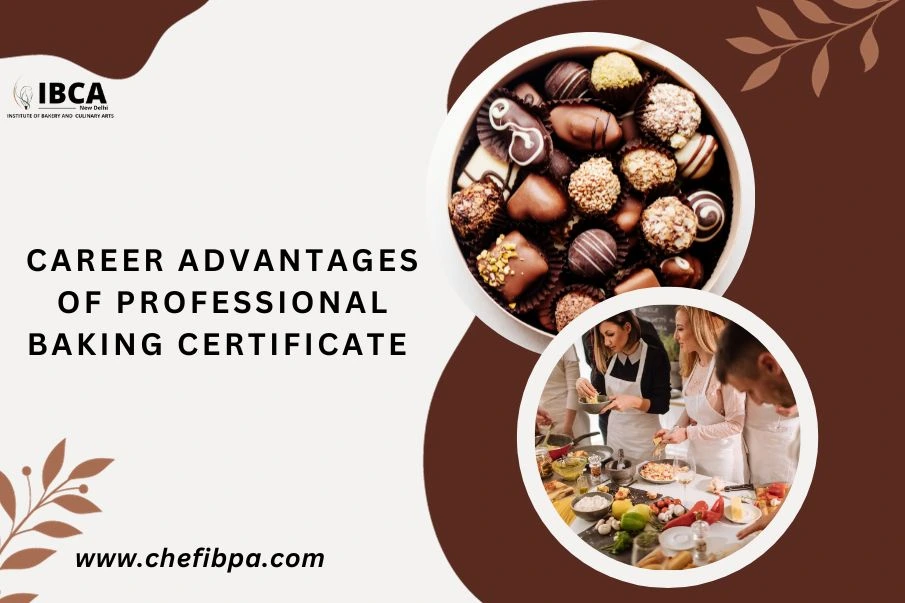
Career Advantages of Professional Baking Certificate

Baking Certificate are on an inclination edge. Big or small, students from each city are looking for their chances to get into the bakery field. You will find several YouTube channels dedicated to the bakery & cookery. Some of them are professional and some are really talented at showing their art.  However, I would like to take your attention to reality. Not all of us are talented enough so we need guidance. A professional bakery certification helps you to go through all the secrets and make a wild entrance into the market.  Professional baking certification advantages are not only about formal education but it teaches you some very practical lessons on different levels.  If you’re a student, looking for a career in a bakery or a professional who wants to revamp your career, a professional bakery certification can give a sweet ride to your dreams.  What is Professional Baking Certification?  A professional baking certification means the owner has all the mandatory skills to manage bakery services and management. The bakery skills include the art of bakery, knowledge about different ingredients, local & overseas, the role of different components in bakery, bakery tips & tricks, and office management.  He/she takes part in all bakery processes whether complex or routine or a special baked good. His/her responsibility also covers the supervision of other staff and managing the resources. A professional baking certification advantages offer eligibility to the holder to work with any renowned companies or start his/her venture for his entrepreneurial zeal. Professional Baking Certification Advantages:  1. Receive individualised attention from skilled chefs: When you come to the bakery with baking certificate courses, our first motive is to give you practical guidance to excel in your skills. Generally, you work under a renowned chef known worldwide or is already an entrepreneur in the industry.  They have seen & witnessed the industry adopting the new edges in their career. As experts in the industry, they have incredible knowledge and experience to share with their students.  During your tenure, you will be exposed to their background expertise and professional techniques. You will also learn to have resources at your disposal when you will create tasty & artistic dishes.  2. Skill Development: When you enrol for professional bakery courses, you in real register for individual training to upskill your bakery art. Bakery is a highly-demanded skill that includes making, decorating, and presentation of a dish. These skills are essential to pursue your dream bakery career. Pursuing a career in the baking and pastry art industry helps individuals to polish their craft.  3. Industry Credibility:  The baking certificate advantages comes with a badge of knowledge and experience that you gain in the professional bakery courses in India. Certificates in bakery ensure that you have a significant knowledge of the subject and practical industry experience.  A professional certificate equips you with the latest trends, techniques, and equipment understanding. The knowledge helps an individual to make a name in the industry and start a job or entrepreneurial journey. But the most important thing is that he/she knows what it takes to win the customers for the goods.  4. Job Opportunities: A professional bakery course certificate provides you with confidence in your studies, skills, and understanding of the market. The industry is in boom and looking for several bakery artists who can take this industry to the next level.  The opportunities are coming in loads. Anyone who has enough expertise in the subject can make a name in it. Graduates having a degree have better chances to pursue careers as pastry chefs, bakers, and cake decorators in the industry.  The booming restaurant industry has a high demand for talented bakers. However, the doors for a certified bakery entrepreneur are always open for you. 5. Networking: Networking is a big part of the bakery institutes. Baking certificate advantages offer exclusive training and opportunities to network with industry leaders. These are people who have experienced the industry, have made their name in it, and gathered tons of experience around the globe.  They are like-minded individuals who understand how rough this industry can be. Networking can help you get your desired job or off-campus guidance to the latest trends, techniques, and real-life startup value.  6. Mastery of Safety and Sanitation: Following the safety and sanitation process is as important as any other bakery technique. Safety and sanitation give a few pieces of mind and a clear progressive look for the next step of the dish.  Moreover, safety includes the right protocol while baking, preparing, and presenting the dish. If not followed, this can harm either the Baker or worse, the customer. Sanitation helps you to be safe against any kind of bacteria.  7.  International Recognition: International recognition is one of the USPs of a baking certificate advantages. Though this will take time, a bakery career offers you fame as well. You will get multiple opportunities to travel the world, meet the world’s celebrities, work with international firms, and create international fame. A bakery career is promising and bright for all.  Skills you require for Baking Certification:  Start Your Bakery Career Journey with Chef IBCA:  The international demand for bakery artists is on the rise. People from all around the world are looking at culinary and bakery as a promising career option. If you’re one of them, Chef IBCA bakery courses promise you to fulfil your desired career.  At IBCA, you get 10+ certificates & diploma in pastry and bakery courses to start your career. The courses are flexible and allow you to continue with part-time and full-time courses.   Why join IBCA?  Conclusion:  Professional baking certificate courses help you to learn valuable lessons in the creative field. But that’s not all. Unlike a regular formal course, a bakery exposes you to international trainers, communication skills, business lifestyle, hotels & restaurants, a like-minded environment, and opportunities to travel abroad. 

science-of-sourdough
IBCA

The Science of Sourdough: Fermentation, Microbes, and Flavor

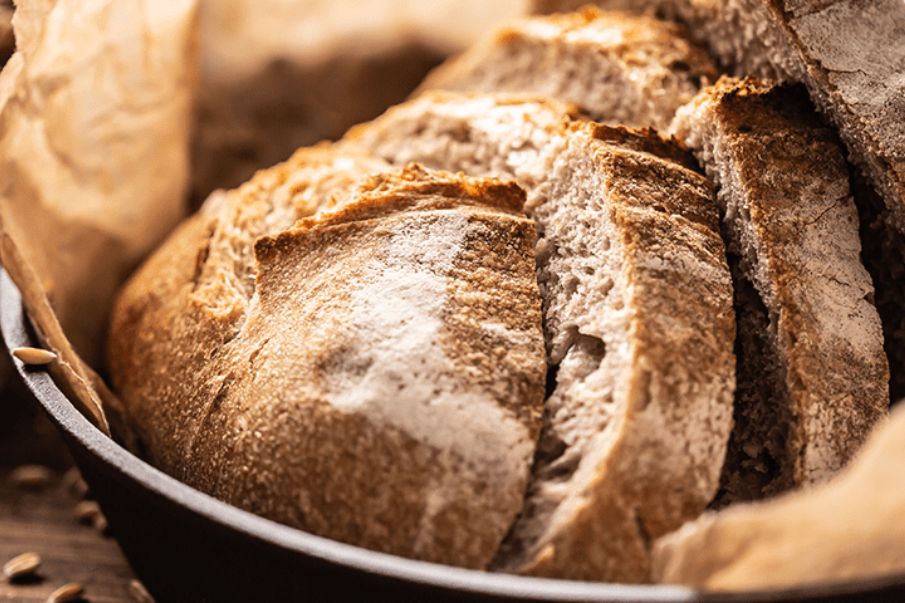
Sourdough bread has made a remarkable resurgence in popularity in recent years, and for good reason. Beyond being a delicious and hearty loaf, sourdough is a fascinating scientific process that takes place right in your kitchen. This ancient bread-making technique involves a unique microbial ecosystem, intricate fermentation, and a flavor profile that’s second to none. In this culinary journey, we’ll delve into the scientific intricacies of sourdough, from its humble beginnings as a starter to the mouthwatering bread that emerges from your oven. The Sourdough Starter: A Microbial Ecosystem At the heart of sourdough lies the starter, a living, breathing ecosystem of microorganisms. Creating a sourdough starter is like fostering a tiny, edible world of wild yeast and lactic acid bacteria. These microorganisms are what give sourdough its unique character. Wild yeast ferments the sugars, while lactic acid bacteria produce lactic acid, ultimately giving sourdough its signature tangy flavor. It’s this dynamic duo that turns a simple mixture of flour and water into a thriving community of microscopic life. Fermentation: The Heart of Sourdough Fermentation is the engine driving the sourdough process. Yeast, one of the star players, consumes the sugars in the dough and converts them into carbon dioxide and alcohol. The gas produced by the yeast is what creates those delightful air pockets in the bread, making it light and airy. Simultaneously, lactic acid bacteria work their magic by producing lactic acid, which contributes to the characteristic sourness of sourdough. This intricate dance of microorganisms is what transforms a mere dough into a masterpiece of flavor and texture. Acidity and pH Levels Maintaining the proper pH level is crucial in sourdough baking. The acidity in sourdough not only impacts the bread’s flavor but also its texture and shelf life. The ideal pH level helps control the activity of microorganisms, leading to a tastier and longer-lasting loaf. So, don’t overlook the science behind the pH – it’s one of the secrets to achieving that perfect balance in your sourdough. The Gluten Connection If you’ve ever heard someone with gluten sensitivity say they can eat sourdough, there’s a reason for that. The long fermentation process of sourdough actually breaks down gluten proteins, making it potentially easier to digest. This also contributes to the unique texture and crumb structure of sourdough bread. So, if you thought sourdough was off-limits due to gluten concerns, think again. The Sourdough Flavor Profile Sourdough’s exceptional flavor comes from a complex profile of aromatic compounds. Acetic acid, among others, plays a significant role in the development of these flavors. By understanding how these compounds work, you can take control of the flavor of your sourdough creations. Whether you prefer a mild tang or a robust sourness, knowing the science behind it will empower you to achieve the flavor you desier. Sourdough Hydration and Texture Hydration levels in sourdough are key to achieving the desired texture. The amount of water you add to your dough impacts the crumb (interior) and the crust (exterior). Higher hydration leads to a more open crumb and a crispy crust, while lower hydration results in a denser, chewier texture. Understanding how to adjust hydration for different textures will help you craft the perfect sourdough loaf every time. Troubleshooting Sourdough Even the most experienced sourdough bakers encounter challenges from time to time. Overproofing, underproofing, and other issues can affect your sourdough results. But fear not; there are solutions. If your starter needs a boost, we’ve got you covered. Our troubleshooting tips will help you maintain a healthy and active sourdough ecosystem. Conclusion Sourdough is not just a bread but a delightful journey into the world of culinary science. It’s a testament to the power of microbes, fermentation, and flavor development. As you embark on your sourdough adventures, remember that embracing the science behind it can help you take your creations to new heights. Experiment, learn, and savor the delicious results of your scientific endeavors in the world of sourdough. Happy baking!

why culinary arts courses are trending in india
Culinary Institute

Why Culinary Arts Courses are Trending in India Nowadays

Today, many people are pursuing their careers in the field of culinary arts. But how to build a career in this? Will a course be more helpful? Yes, surely, the Culinary Arts courses will help in developing the required skills and knowledge to build a career in the field of culinary arts. People have developed an interest in food, and at times they want to make it their profession. People are interested in learning culinary art so that they can either become chefs or start their own cafe or restaurant. Culinary art is seen as one of the best hospitality management programs. Culinary arts courses provide overall learning and a chance to explore this profession. You will learn different elements like food preparation, kitchen management, and cooking techniques. These skills are very necessary to enter this industry with perfection. What is Culinary Art? A Culinary Art courses will make you learn the art of preparation of food, cooking, and its presentation. This is frequently in the form of restaurant meals; however, culinary arts can relate to any job that involves food service. A professional recognizes the value of presenting food in an appealing and appetizing manner. They take their time to ensure that the food not only tastes well but also looks good and smells good. India is globally known for its range of spices, cooking techniques, and recipes. With globalization, the Indian taste is undergoing transformation. People can learn to cook different types of cuisine from any part of the world. Professional culinary courses in Delhi will help in learning both Indian as well as international cuisine. Influences of Globalization Many areas of daily life have been changed by globalization, including the way we consume our food. The global development of fast food restaurants, international cuisine, and fusion meals has had a profound impact on culinary culture. With the help of social media and other digital channels, globalization has also offered chances for the preservation and sharing of traditional culinary practices. Culinary Career Opportunities in India When it comes to understanding the career opportunities in culinary arts, there is a long way to go. A professional culinary institute in India will help you grab opportunities in this industry. There are different Culinary career prospects, which we will discuss now: Catering In the culinary training programs, you will gain knowledge about catering. Catering is one of the largest segments of the food business, and it has grown tremendously in recent years. What makes it one of the top food industry job chances is that it does not demand as much capital as running your own restaurant. Food Designer As a food stylist, one is concerned with the state and typically focuses on visual appeal for both commercial and editorial objectives, consulting with restaurants, grocery shops, and publishers during photoshoots and ensuring that the food appears as good as it tastes. For this you can attend various Culinary workshops and seminars to understand better. Personal Chef A personal chef is a great way to start. Personal or private chefs work one-on-one with regular clients, selecting products and designing dishes based on clients’ unique tastes and dietary needs. You can opt professional chef courses to kickstart your career. Courses and Durations in the Culinary Industry There are many Culinary training programs you can do based on your interest and career goals. The Culinary Courses in Delhi provide you a deeper understanding about culinary and cuisine. In India, there are several Culinary arts specialties. So you may get a sense of the prospects available in the food industry. Are Culinary Arts Courses Affordable or Not? The affordability of culinary art depends on many factors such as time duration , interest and location. The fees structure of the best Culinary Schools in India varies according to the course. Institutes also provide scholarships for students who find it hard to afford it. Shorter courses or workshops are more affordable than long term courses. If you want to know your interest, you can go ahead with short courses. The Influence of Media and Technology Media and technology have played a huge role in the culinary art. The emergence of culinary specialists in the media is only one aspect of the continual expansion of food-related media and recipe-sharing technology. Instagram, Facebook, YouTube, and food blogs are all major parts of culinary culture in general. Cooking Show – There are many cooking shows like Masterchef that people find fascinating. These shows have increased the demand for culinary art. Food bloggers as well as social media platforms have also played an important role in promoting culinary art. YouTube – There are so many videos on YouTube about food. Many people have developed an interest from this video platform. People make food and post it. Many try those recipes and learn cooking. Few decide to go professional by doing it for fun in the beginning. Opportunities in the Culinary Arts You can work in 5 or 7 stars cafe There are many benefits that come when you work with a 5 or 7-star cafe.  You have a chance to be creative as well as work with the most experienced chefs.  You will get a great salary and job stability.   You Are Capable of Working for Yourself Culinary arts has a lot of possibilities if you’re an independent person who loves flexibility. Restaurants are constantly looking for competent cooks and chefs. If you want to work on yourself then you can start your own cafe or a restaurant. It is one of the best way to invest for culinary learning. You will get high return on investment if you start your own cafe or hotel. You work with like minded individuals. A job in the culinary arts allows you to work with people who are creative, driven, and self-sufficient, just like you! Every day in the kitchen, you’ll have the opportunity to get mentoring and collaborate with other dedicated chefs. Understand the fact that this industry is full of highly

cake decoration pro tips
Baking Institute

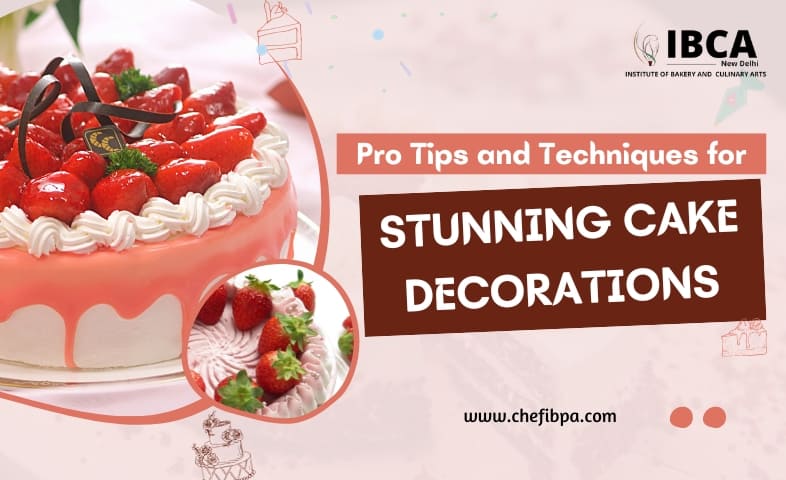
Pro Tips and Techniques for Stunning Cake Decorations

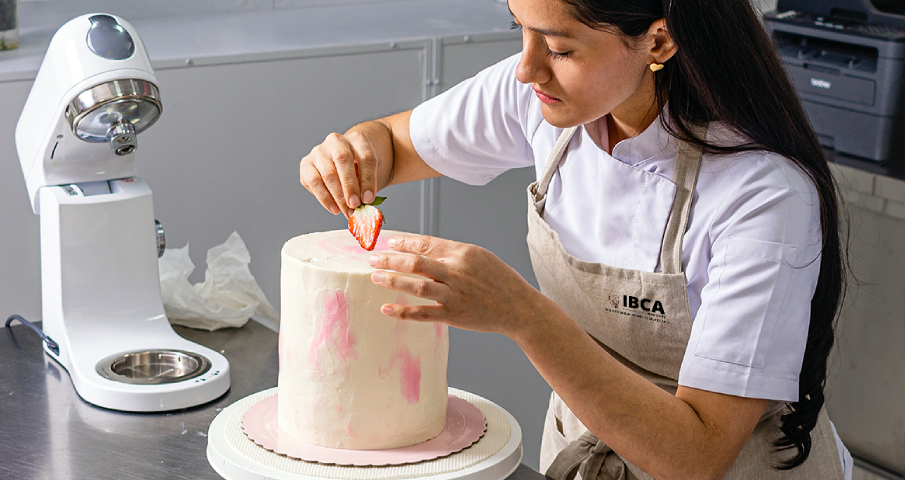
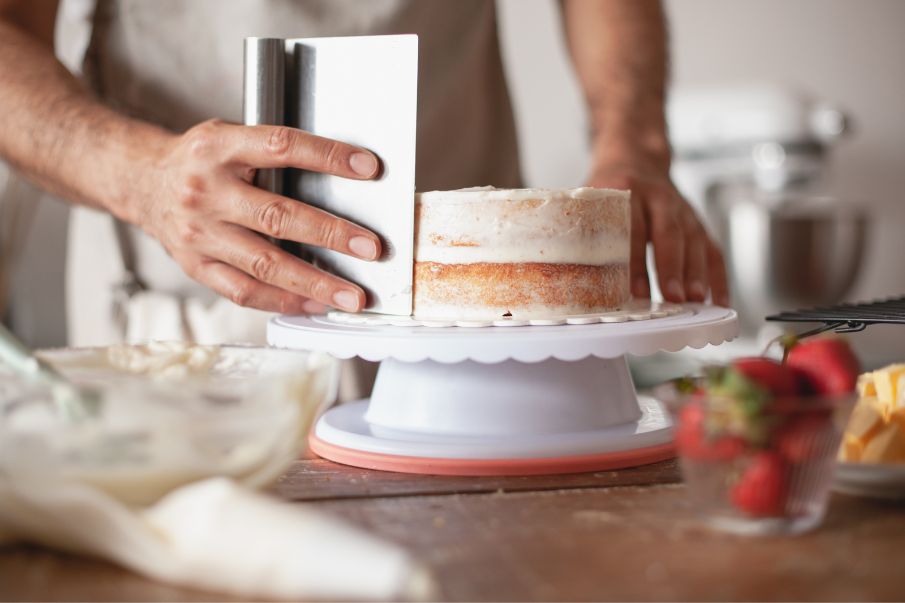
Cake-loving folks, ever thought about what makes a cake more wanted besides its taste? It’s their decoration that makes them more appealing, loving, and desired. The rule of design applies here too. This means you need to look for colour combinations and design quality to make a trendy loved cake. But that’s not all. Designing a cake is nothing like painting a canvas or making a graphic. Instead, it needs soft grips, skilled hands, and focused eyes to design a cake. Cause there’s no going back here. It’s not for everyone but if you’re a baker, you must be skilled in it. Unless your cakes are entertaining their audience beautifully, it’s not possible to stay relevant in today’s bakery industry.  In this article, we’re going to discuss some of the best cake decoration tips. This advice is directly from the IBCA experts who have guided hundreds of today’s star bakers in their baking course in Delhi. Follow these tips and make your first professionally decorated cake. Essential Tools and Supplies for Cake Decorating Here is a list of essential equipment that you must have while decorating your cake. These tools and ingredients are important for offering a delicate, balanced, harmonic, as well as stunning designs. Get them all. Offset Spatulas Piping Bags Cake Turntable  Various Tips  Pastry Brushes  Palette Knives  Fondant Tools  Edible Food Colors  Luster Dusts and Edible Glitters  Petal Dusts  Gum Paste and Fondant  Stencils Cake Lavender Settling Up Your Cake Canvas: Use a cake knife or a cake leveller to your cake once it is cool enough.  Apply a thin layer of frosting on the cake. Then use a spatula to make it even from all sides.  Put the cake into the refrigerator for 30 minutes. Let the frosting get stable. Once the crumb is stable, apply a layer of frosting on the cake. Now you can start your work from top to bottom.  Pay attention to imperfections and correct them.   Create your designs with the help of various tools.  Give the final touch to your cake. Tips from the Professionals: 1. Select Proper Frosting: Choosing the right frosting is one of the most important cake decoration tips. Better to say, that it’s crucial to make a delightful stunning cake decoration. Frosting creates a base taste for the cake & elements on it. So be attentive to what you are putting on your cake. Consider factors such as taste, texture, and stability.  Note:  – Buttercream is versatile.  – Fondant offers a smooth finish – Ganache leaves a rich glossy look.  – Cream Cheese frosting adds a tangy flavour.  Consider your preferences and go with them.  2. Piping Perfection: Techniques & Tips: Piping is a basic skill to conquer if you’re into decorating cakes. These piping tips help you to design different textures, elements, & lettering and allow you to practise different techniques to make your design more appealing. Here are some of the important tips to consider.  – Choose the right piping tips.  – Learn to have consistent pressure.  – Practice piping techniques such as Rosettes, Shells, and Borders. These are some of the basics.  – Learn to keep your hands steady.  – Adjust the piping bag position appropriately.  – Maintain a consistent speed to gain even results.  – Keep practising on Parchment papers for new designs.  – Use the right consistency of frosting.  – Wipe off any excess frosting from tips to maintain the clean lines.  – Vary the pressure and experiment.  3. Seek Inspiration from Current Trends: Like all fashionable stuff, cake decoration tips & ideas also get updated each passing year. Earlier it was difficult to track the trends but in the age of social media, you can study what’s in trends right now.  There are several social media accounts showcasing their talent in baking. Follow them and see what designs they are offering. Take inspiration and create fresh designs to showcase your skills.  Don’t forget to check out cake websites, workshops, exhibitions, and events near your place to get more cake decoration ideas frequently. Use the popular & trendy colour schemes, techniques, and themes in your designs. 4. Making Your Cake Perfect with Final Touches: The final touch is what most armatures miss out on. That’s where your presentation will shine amidst the crowd. The final touch includes edible designs and elements, and giving attention to details. Here are a few final touch cake decoration tips to do so.  – Add decorative elements such as flowers, figures, sugar work, or fondant accents.  – Use texture variations to make them visually appealing.  – Clean & fine the edges. Also, create flawless transitions between colours & layers.  Make sure that your final touch balances the harmony of your design throughout the cake.  Also Read: How to Make Red Velvet Cake: A Step-by-Step Guide 5. Practice & Patience: Like any other art, mastering cake decoration also takes time and dedication. You must focus on what you’re doing and be willing to correct the wrongs. Only the right amount of practice & patience can lead you to excellence. Here are a few tips for all beginners.  – Begin with the very simple cake designs & techniques. Move to the next stage only if your basic designs become proficient. – Practise regularly and refine your skills. – Develop a steady hand. – Embrace mistakes as your teacher. – Acknowledge your smallest achievement & improvements. – Finally, be patient.  Conclusion: Baking is not complete if you have not learned the art of cake decoration. Making tasty cakes is essential but presenting them is a luxury and soothing to the eyes. That makes the cakes a perfect present for any kind of celebration.  In this article, we have shared some of the cake decoration tips directly from the professional from IBCA. Hope you would have liked it. Looking for a baking course in Delhi? Stop right here. Join the IBCA (Institute of Bakery and Culinary Art) baking courses where you will be guided by industry experts only and later will be awarded with internship,

front-view-delicious-food-concept
Culinary Institute

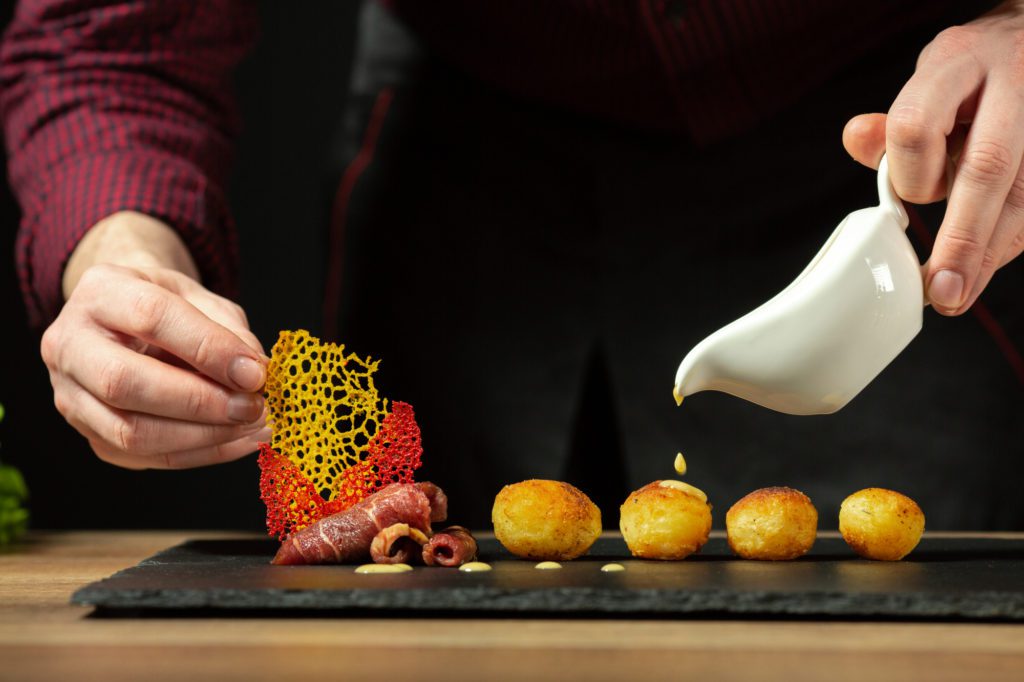
Unveiling the Magic: Food Science and Culinary Techniques for Everyday Cooking

Welcome to a culinary journey where science meets the art of cooking! In this blog, we will explore the fascinating world of food science and culinary techniques, and how understanding these scientific principles can elevate your everyday cooking. By diving into concepts like the Maillard reaction, emulsions, and molecular gastronomy, you’ll gain insights that will not only enhance your culinary skills but also ignite your passion for the science behind the flavors. The Maillard Reaction: Unleashing Flavor Complexity Have you ever wondered why seared meats have that irresistible golden crust or why a perfectly toasted slice of bread is so much more flavorful? The answer lies in the Maillard reaction. This chemical reaction occurs when amino acids and reducing sugars combine at high temperatures, resulting in a complex network of new compounds that bring out incredible flavors, aromas, and appealing brown colors in food. Here are a few practical tips to harness the power of the Maillard reaction: Searing Meats: Achieve that coveted caramelized crust by ensuring your meat is dry and properly preheating your pan or grill before adding it. Roasting Vegetables: Coat your vegetables with a little oil and roast them at a higher temperature to encourage the Maillard reaction, creating a delightful nutty sweetness. Emulsions: The Art of Perfectly Blending Oil and Water Emulsions are a crucial aspect of many culinary preparations, from salad dressings to sauces. These mixtures of immiscible liquids, typically oil, and water, are brought together with the help of emulsifiers to create stable and harmonious blends. Here are some practical applications of emulsions in everyday cooking:  Homemade Mayonnaise: Discover the secrets to creating a creamy, velvety emulsion by slowly whisking oil into egg yolks and mustard while maintaining a steady, controlled stream.  Salad Dressings: Learn how to create luscious vinaigrettes by combining oil, vinegar, and other ingredients using emulsifying techniques like whisking or blending. Molecular Gastronomy: Transforming Food with Science Molecular gastronomy is a cutting-edge culinary discipline that applies scientific principles to transform the textures and presentations of food. While some techniques may seem complex, there are practical ways to incorporate molecular gastronomy into your everyday cooking:  Sous Vide Cooking: Explore the wonders of precision temperature control by using a water bath to cook food slowly and evenly, resulting in tender, succulent dishes.  Spherification: Create delightful edible spheres, encapsulating flavors in thin membranes, by using natural hydrocolloids like agar-agar or sodium alginate. Conclusion: By understanding the principles of food science and culinary techniques, you can unleash your creativity in the kitchen and elevate your everyday cooking to new heights. From the Maillard reaction adding depth of flavor to your dishes to mastering emulsions for perfectly balanced sauces, and even experimenting with molecular gastronomy techniques, the possibilities are endless. So, embrace the science behind the flavors and embark on this culinary adventure, where you’ll not only savor the delicious results but also appreciate the intricate science that makes it all possible. Happy cooking! Remember, the most important aspect of cooking is to enjoy the process and have fun experimenting with new techniques and flavors. Bon appétit!

Scroll to Top
Call Now Button